
Traveling can be both exciting and challenging, especially when you’re trying to keep your budget in check while also being kind to our planet. Here are some eco-friendly transportation tips that’ll help you travel sustainably without breaking the bank. Read Interesting article: How to Choose Eco-Friendly Lodging for Your Next Trip
Understanding Eco-Friendly Transportation
Definition of Eco-Friendly Transportation
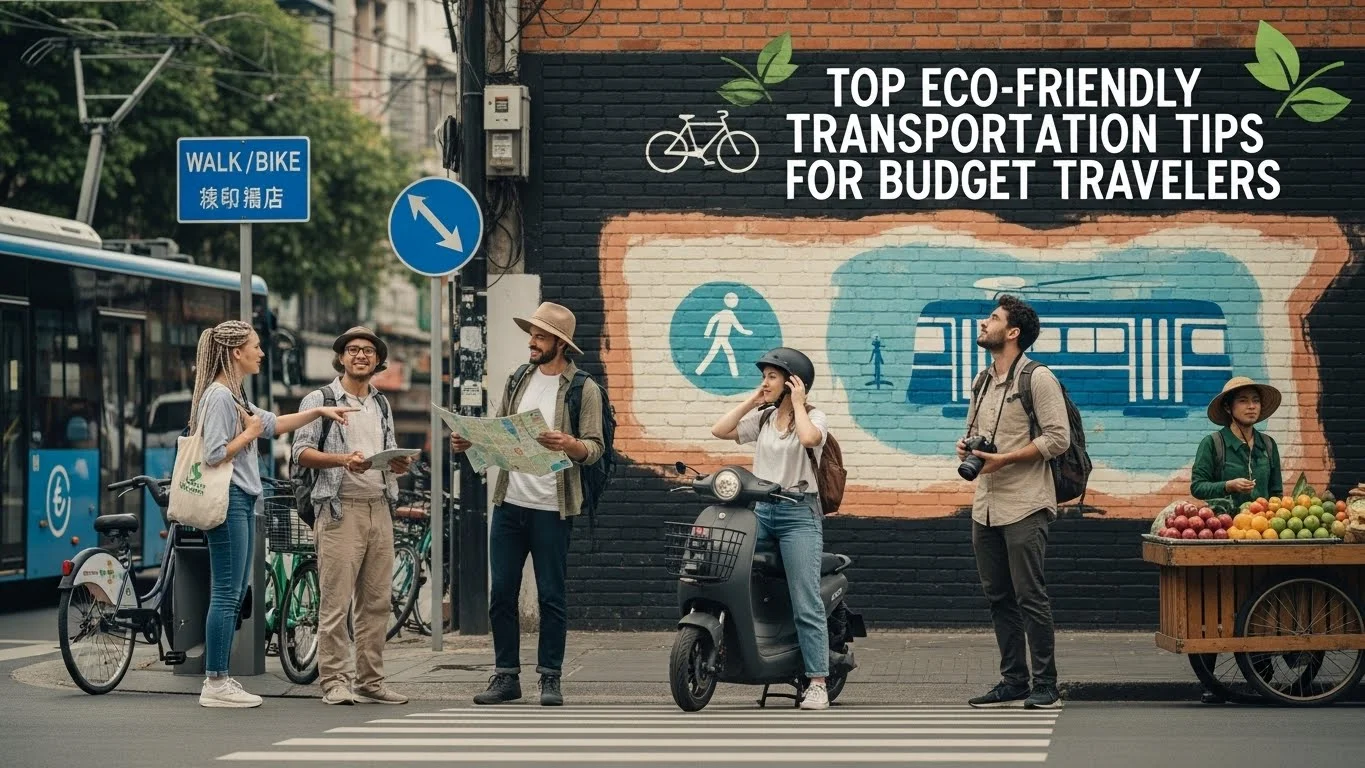
When I think about eco-friendly transportation, I picture modes of travel that have minimal impact on the environment. This includes options like walking, biking, public transit, and even electric vehicles. Essentially, it’s all about reducing our carbon footprint while getting from point A to point B. I remember the first time I consciously chose a bus over a taxi; it felt empowering to know I was making a greener choice. The beauty of eco-friendly transportation is that it’s not just about the vehicle—it’s about the whole experience of traveling sustainably.
Importance of Sustainable Travel
In today’s world, where climate change and pollution are pressing issues, sustainable travel has gained a lot of importance. I believe that our choices, even while traveling, can contribute to a healthier planet. Every eco-friendly option we embrace helps reduce greenhouse gas emissions and preserves natural resources. I’ve seen firsthand how even small changes—like opting for public transportation instead of a rental car—can have a big impact. When we travel sustainably, we protect the places we love to visit for future generations to enjoy.
Benefits of Eco-Friendly Transportation for Budget Travelers
For budget travelers like me, eco-friendly transportation often means saving money. Public transportation, for instance, is usually cheaper than renting a car or taking taxis. I’ve found that many cities offer affordable transit options that allow you to explore more while spending less. Additionally, biking or walking helps me stay active, which is a significant perk. I remember wandering through a charming town on foot, discovering hidden gems I would have missed otherwise. Not to mention, using eco-friendly transportation often leads to a more authentic travel experience, allowing us to connect with the local culture and community. Read Interesting article: Discover Nature: Budget Eco-Friendly Camping Destinations
Choosing the Right Mode of Transportation
Public Transportation: Buses and Trains
Public transportation is one of my favorite ways to get around while traveling. Buses and trains not only help reduce traffic congestion but also lower emissions. I’ve taken many scenic train rides that not only saved me money but also offered breathtaking views. Many cities have extensive transit systems that are reliable and affordable. I recommend checking out local transportation apps to find schedules and routes. One of my best travel memories was hopping on a bus in a foreign city and making friends with locals who shared tips about their favorite spots. It’s a great way to immerse yourself in a new culture.
Biking: Renting vs. Bringing Your Own
Biking is another fantastic eco-friendly option. I’ve had the chance to rent bikes in several cities, which allowed me to cover more ground than walking, yet still feel connected to the surroundings. Renting is often affordable, and many cities offer bike-sharing programs. However, if you’re an avid cyclist, bringing your own bike can be a rewarding experience. I’ve discovered that riding my own bike gives me a sense of freedom and familiarity, especially in places where I can navigate easily. Just make sure to check local regulations about biking before you go.
Walking: Health Benefits and Cost Savings
Walking is not just a mode of transportation; it’s an experience in itself. Whenever I explore a new city, I prefer to walk whenever possible. It’s a great way to soak up the local atmosphere and discover hidden spots that you might not see from a bus or car. Plus, it’s entirely free! Walking also has health benefits, helping me stay active during my travels. I remember one trip where I walked through a vibrant market, sampling local foods and chatting with vendors. Those spontaneous moments are often the highlights of my travels.
Carpooling and Ridesharing Services
Carpooling and ridesharing can be great alternatives for getting around, especially in areas where public transportation is limited. I’ve often used ridesharing apps to share rides with fellow travelers, which not only saves money but also reduces the number of vehicles on the road. Sometimes, I’ve even met interesting people with whom I’ve shared travel stories and tips. If you’re traveling with friends or family, consider carpooling to make the journey more economical and eco-friendly. Every little bit helps when it comes to reducing our carbon footprint.
Electric and Hybrid Vehicles: Options for Rent
If you prefer the convenience of a car but still want to be eco-friendly, renting an electric or hybrid vehicle is a fantastic option. I’ve had the chance to rent electric cars during my travels, and it was a game-changer. Not only do they typically have lower emissions, but they can also save you money on fuel. I remember driving through scenic routes with the peace of mind that I was making a greener choice. Plus, many rental companies now offer competitive rates for these vehicles, making them accessible for budget travelers. Read Interesting article: Eco-Friendly Wildlife Safaris: Travel Sustainably on a Budget
Planning Your Eco-Friendly Journey
Researching Sustainable Transportation Options
When it comes to planning my trips, I always start by researching sustainable transportation options available at my destination. I find that knowing what’s out there can make a huge difference in my experience. For example, before my last trip to Amsterdam, I spent some time online exploring their extensive bike rental system. I was thrilled to discover that many locals use bikes every day, which made me feel like I would be part of the community. I believe that taking the time to look into these options can open doors to new experiences and help us travel more consciously. Websites dedicated to sustainable travel often have valuable insights and tips that I’ve found helpful in making informed choices.
Using Apps for Public Transport and Biking
Technology has been a game-changer in helping us navigate public transport and biking options. I can’t tell you how many times I’ve relied on transportation apps to find my way around a new city. These apps often provide real-time information about transit schedules and routes, which has saved me a lot of time and confusion. I remember using an app in Barcelona that allowed me to plan my routes based on different modes of transportation. It made hopping from the metro to a bike rental seamless and efficient. If you haven’t already, I highly recommend downloading a few local transportation apps before your trip. They can really enhance your travel experience!
Choosing Destinations with Eco-Friendly Infrastructure
Another aspect I consider when planning my travels is the eco-friendly infrastructure of my destination. Some cities are more committed to sustainability than others, and I’ve found that these places often have better transportation options. For example, I loved visiting Copenhagen, where the city is designed with bikers in mind. The bike lanes are separated from traffic, making it safer and more enjoyable to ride around. I think choosing destinations with a focus on sustainable practices allows us to not only enjoy our trips more but also support communities that prioritize the health of our planet. It’s a win-win situation!
Budgeting for Eco-Friendly Travel
Cost Comparison: Eco-Friendly vs. Traditional Transport
When I started looking into eco-friendly travel, I was pleasantly surprised to find that many sustainable options are often more affordable than traditional transportation methods. For instance, I’ve noticed that taking the bus or train is generally cheaper than renting a car or relying on taxis. In fact, during a recent trip, I compared the cost of a week’s worth of rental car payments with public transport fares, and I saved a significant amount by choosing the latter. I believe it’s essential to weigh these costs before making decisions. A little research can help us stick to our budgets while still traveling responsibly.
Finding Discounts for Public Transport and Rentals
One of the best tips I can share is to keep an eye out for discounts on public transport and rentals. Many cities offer travel cards or passes that provide unlimited rides for a set period, which can save us a lot of money. I remember visiting a city that had a week-long transit pass for a fraction of the cost of daily tickets, allowing me to travel freely without worrying about individual fares. Similarly, some bike rental companies offer discounts for longer rental durations, which I found to be a great way to explore without overspending. Always check the local tourism websites; they often have the best deals!
Utilizing Travel Passes and Packages
Travel passes can be a fantastic option for budget-conscious eco-travelers. Many cities bundle public transport with entry fees to attractions and even discounts at local restaurants. I once purchased a travel pass in a city that allowed me unlimited access to public transport, along with discounted entry to museums and attractions. This not only saved me money but encouraged me to explore sites I might have skipped otherwise. I think taking advantage of these packages can enhance our travel experiences while keeping our wallets happy.
Reducing Your Carbon Footprint While Traveling
Traveling Light: Packing Tips for Eco-Conscious Travelers
One of the simplest ways to reduce our carbon footprint while traveling is to pack light. Each time I pack for a trip, I try to remember that less is more. I’ve found that carrying fewer items not only makes it easier to navigate public transport but also reduces the environmental impact of our travels. I remember a trip where I managed to pack everything I needed in just a carry-on bag. It felt liberating! Plus, I avoided the hassle of checking in luggage. I recommend thinking carefully about what you really need and opting for multi-purpose clothing items to save space.
Offsetting Carbon Emissions: How to Do It
Offsetting carbon emissions is another important consideration. I’ve learned that many flight companies and travel organizations offer programs to help travelers offset their carbon footprint. It involves contributing to projects that focus on reforestation, renewable energy, or community development. I participated in one such program on my last flight and felt good knowing that a small part of my ticket price was going towards making a positive impact. I think this is an easy way to make our travel more sustainable.
Supporting Local Eco-Friendly Initiatives
Finally, supporting local eco-friendly initiatives during our travels can make a significant difference. I love seeking out businesses that prioritize sustainability, whether it’s a restaurant that sources local ingredients or a tour company that practices responsible tourism. I once joined a guided tour with a company that focused on environmental education, and it was eye-opening. Not only did I learn so much, but I also felt like I was actively contributing to the well-being of the area I was visiting. I believe that by supporting these initiatives, we can help foster a culture of sustainability in the places we love.
Real-Life Examples of Eco-Friendly Travel
Case Study: Cities Known for Sustainable Transportation
Several cities around the world have made significant strides in promoting eco-friendly transportation, and I’ve had the pleasure of visiting a few of them. For instance, my trip to Amsterdam was a real eye-opener. The city is famous for its biking culture, with dedicated bike lanes that make cycling safe and enjoyable. I saw locals and tourists alike confidently navigating the streets on two wheels, which inspired me to hop on a bike myself. The infrastructure was so well-designed that I felt comfortable biking alongside cars and trams. I remember feeling a sense of freedom as the wind rushed past me, and I discovered hidden canals and charming cafes that I wouldn’t have noticed otherwise.
Another city that stands out is Copenhagen, where sustainability is woven into the urban fabric. The public transport system there is efficient and user-friendly. I was particularly impressed by how easy it was to use their bike-sharing program. I rented a bike for a day and explored the city at my own pace. The extensive network of bike lanes made it feel safe, and I enjoyed stopping at parks and local shops along the way. I believe that cities like these can serve as models for others aiming to become more eco-conscious.
Then there’s Portland, Oregon, which has put a lot of effort into expanding its public transit options and pedestrian-friendly spaces. I found their MAX light rail system to be an incredible way to explore the city while minimizing my carbon footprint. The convenience of hopping on and off at various stops allowed me to visit different neighborhoods and enjoy local attractions without the stress of parking or traffic. Plus, the city is known for its commitment to green spaces, which makes walking around a pleasure.
Interviews with Budget Travelers Using Eco-Friendly Methods
To get a deeper understanding of how others approach eco-friendly travel, I reached out to fellow budget travelers who have embraced sustainable methods. One traveler I spoke with, Sarah, shared her experience of backpacking through Southeast Asia. She focused on using local buses and trains, which not only saved her money but also allowed her to connect with the local culture better. I remember her saying, “Taking the local transport made me feel like a part of the community. I met so many interesting people along the way.” Her perspective really resonated with me, as it highlighted how sustainable choices can enhance our travel experiences.
Another traveler, Mark, emphasized the benefits of using bike-sharing programs in urban areas. He told me about a recent trip to Barcelona, where he rented a bike for just a few euros a day. He mentioned how biking allowed him to cover a lot of ground while meeting other travelers who were also exploring on two wheels. “I think biking makes traveling feel so much more adventurous,” he said. “It’s a great way to see things from a different perspective and enjoy the scenery.” I couldn’t agree more! Hearing his story reminded me of my own biking adventures in various cities, and how they often turned into some of my favorite memories.
These interviews reinforced my belief that eco-friendly travel isn’t just about the methods we use; it’s about the experiences we gain. Each traveler has unique stories to tell, and many of them find joy in the connections they make while traveling sustainably. It’s inspiring to see how embracing eco-friendly options can enrich our journeys and create lasting memories.
Common Myths About Eco-Friendly Transportation
Myth 1: Eco-Friendly Travel is Always More Expensive
One of the biggest myths I’ve encountered is that eco-friendly travel is always more expensive. I used to think this too, but my experiences have shown me otherwise. Many sustainable options, like public transportation and biking, are often cheaper than renting a car or taking taxis. I learned that by choosing to travel sustainably, I could save money while positively impacting the environment. For instance, during a recent trip to San Francisco, I relied on the Muni system for my transportation. Not only was it affordable, but it also allowed me to see the city from a different angle. I believe it’s essential to challenge this myth and consider the true cost of travel.
Myth 2: It’s Inconvenient to Use Public Transport
Another common misconception is that using public transportation is inconvenient. From my perspective, this couldn’t be further from the truth. With the right planning, public transport can be incredibly convenient. I’ve found that many cities have efficient networks that make it easy to get around. For example, in Tokyo, I was amazed at how punctual and user-friendly the trains were. I remember feeling stressed about navigating the system, but once I got the hang of it, I realized it was one of the best ways to explore the city quickly. I think this myth arises from fear of the unknown, but once you give it a try, you might find it’s more convenient than you expected.
Myth 3: Biking is Not Safe for Tourists
Lastly, many people believe that biking isn’t safe for tourists. I understand why some might think this, especially if they’ve never biked in a city before. However, my experiences have shown me that many cities prioritize cyclist safety and have dedicated bike lanes. I remember feeling nervous before biking in Paris, but once I got on the bike, I felt surprisingly safe. The key is to choose destinations that are known for being bike-friendly and to be aware of local traffic rules. I believe that with a little caution and awareness, biking can be an exhilarating and safe way to explore new places.
Frequently Asked Questions
What is eco-friendly transportation?
Eco-friendly transportation refers to modes of travel that have minimal impact on the environment, such as walking, biking, public transit, and electric vehicles. It focuses on reducing our carbon footprint while traveling.
Why is sustainable travel important?
Sustainable travel is important because it helps reduce greenhouse gas emissions and preserves natural resources. Our travel choices can contribute to a healthier planet, protecting the places we love for future generations.
How can eco-friendly transportation benefit budget travelers?
Eco-friendly transportation often means saving money for budget travelers. Public transportation is usually cheaper than renting cars or taking taxis, and biking or walking helps stay active without spending extra.
What are some examples of public transportation options?
Public transportation options include buses and trains, which help reduce traffic congestion and emissions. Many cities have reliable and affordable transit systems that travelers can utilize.
Is biking a good eco-friendly transportation option?
Yes, biking is a fantastic eco-friendly option. Renting bikes in cities or bringing your own allows travelers to cover more ground while feeling connected to their surroundings. Many cities also offer bike-sharing programs.
What are the benefits of walking as a mode of transportation?
Walking is a free mode of transportation that allows travelers to soak up the local atmosphere and discover hidden spots. It also provides health benefits by keeping travelers active during their trips.
How can travelers utilize carpooling and ridesharing services?
Travelers can use carpooling and ridesharing services as alternatives for getting around, especially in areas with limited public transportation. These options save money and reduce the number of vehicles on the road.
What should travelers research before their trip regarding transportation?
Travelers should research sustainable transportation options available at their destination, including local transit systems and bike rental services. Knowing these options can significantly enhance their travel experience.
How can technology help with public transport and biking?
Technology can help travelers navigate public transport and biking options through apps that provide real-time information about transit schedules and routes, making it easier to plan their journeys.
What are some common myths about eco-friendly transportation?
Common myths include the belief that eco-friendly travel is always more expensive, that public transport is inconvenient, and that biking is unsafe for tourists. However, many sustainable options can be affordable, convenient, and safe with the right knowledge and planning.