
Backpacking can be one of the most exhilarating experiences, but it also comes with health risks. Understanding these risks and how to manage them is crucial for a safe and enjoyable adventure. Read Interesting article: Essential Health Precautions for Budget Backpackers Abroad
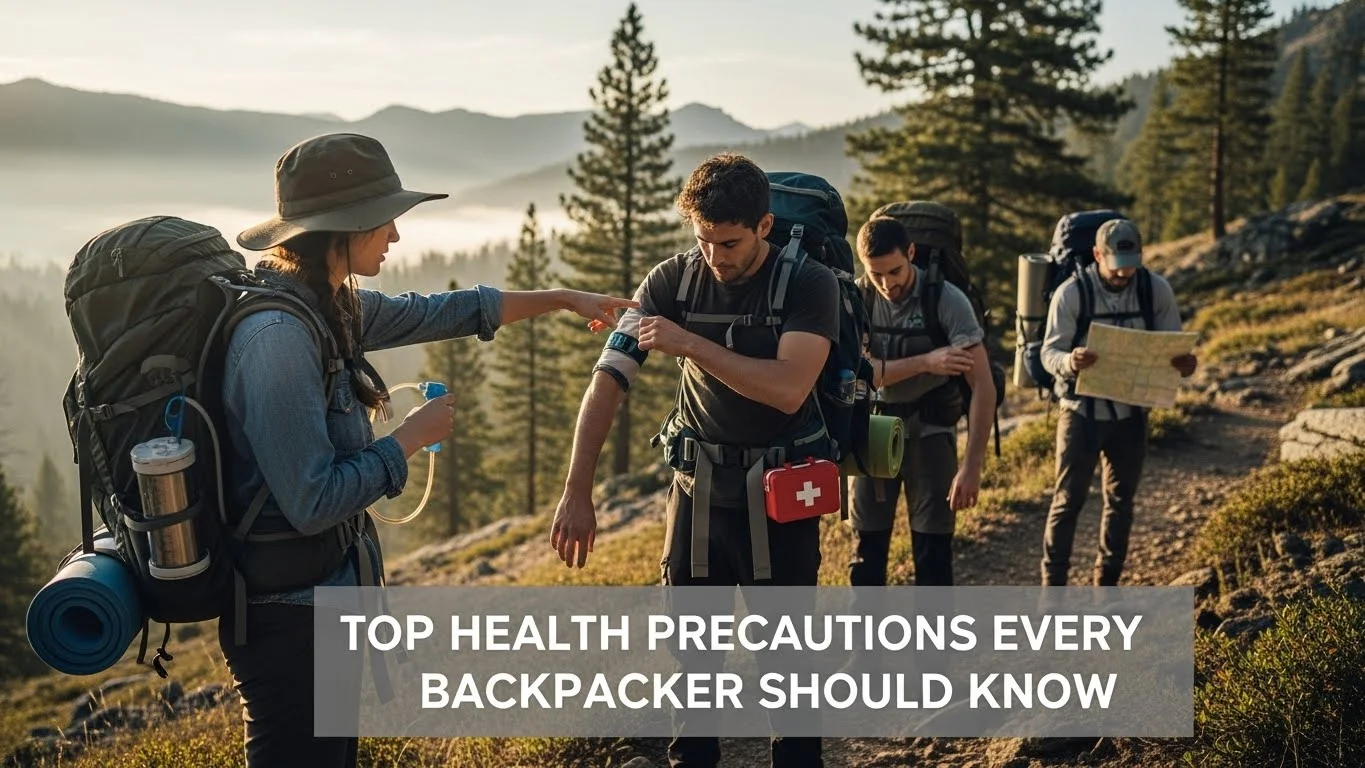
Understanding Backpacking Health Risks
When I first ventured into the world of backpacking, I was so excited about the landscapes, the freedom, and the thrill of exploring the unknown. However, I quickly realized that there are some important health risks that come with the territory. Understanding these risks can help us stay safe and make the most out of our trips. Let’s dive into the common health issues we might face and how different environments can affect our well-being.
Common Health Issues for Backpackers
As I began my backpacking journey, I learned that several health issues can arise on the trail. One of the most prevalent problems is dehydration. I remember my first hike; I underestimated how much water I would need. I ended up feeling dizzy and fatigued simply because I hadn’t hydrated properly. Now, I always carry plenty of water and a reliable way to purify more if needed.
Another common issue is blisters. Trust me when I say that those little spots can turn a dream hike into a nightmare. After my first long trek, I was left with painful blisters that made every step a reminder of my oversight. Proper footwear and blister prevention strategies, like using good-quality socks and blister pads, have become essential parts of my hiking routine.
Then there are the pesky insects. Mosquitoes, ticks, and other bugs can carry diseases that might ruin your trip. I’ve learned to apply insect repellent and wear protective clothing, especially in heavily wooded or marshy areas. There’s nothing worse than dealing with itchy bites or, worse, a tick-borne illness. To further protect yourself, stay safe with health tips for your next backpacking adventure.
Impact of Different Environments on Health
The environment we hike in can significantly impact our health. I’ve hiked in deserts, mountains, and forests, and each one presented its unique challenges. For instance, hiking at high altitudes can lead to altitude sickness, which I experienced during a trip to the Rockies. The headaches and nausea were no fun, and I had to slow down my pace to acclimatize. I learned to spend a day or two at higher elevations before tackling big climbs.
In contrast, hiking in hot, arid regions can expose us to heat exhaustion. I remember one particularly scorching day where I didn’t take enough breaks. I ended up feeling weak and nauseous, which reminded me that listening to our bodies is vital. Now, I make a point to rest often and seek shade when the sun is blazing.
Each environment also comes with its own set of wildlife encounters. In some areas, we have to be cautious about snakes or bears. I’ve had a few heart-pounding moments spotting wildlife but learned that being aware of my surroundings and understanding animal behavior can make a world of difference. When we know what to expect, we can better prepare ourselves and avoid potential dangers.
Essential Vaccinations and Health Checks
Before I head out on any trip, I make it a habit to check what vaccinations I might need. Depending on where I’m going, certain vaccinations can be crucial for my health and safety. For example, I once planned a backpacking trip to Southeast Asia and learned that vaccinations for diseases like hepatitis A and typhoid were recommended. It was a simple step that made me feel much safer about traveling.
Recommended Vaccinations Based on Destinations
Different regions have different health requirements, so it’s wise to do your research. I usually consult with a travel clinic or my doctor several weeks before a trip to get the latest recommendations. Some vaccines might require multiple doses, so the earlier I start this process, the better.
I’ve also discovered that some countries have specific health risks. For example, when traveling to areas known for yellow fever, proof of vaccination might be required upon entry. I always make sure to carry my vaccination record with me, just in case I need to show it. Keeping up with vaccinations not only protects me but also those I’m traveling with.
Importance of Regular Health Check-Ups
It’s not just about vaccinations; regular health check-ups are essential too. I’ve learned the hard way that staying on top of my health means I’m better prepared for any adventure. I schedule annual check-ups to ensure I’m in good shape before hitting the trails. This practice allows me to address any health issues early on and get advice on how to stay healthy during my travels.
In our world of backpacking, it’s easy to focus on the gear and the trails, but prioritizing our health is just as crucial. By understanding the health risks, getting necessary vaccinations, and maintaining regular check-ups, we can fully enjoy our adventures while staying safe. I hope these insights help you as much as they’ve helped me on my journeys!
Preparing a Backpacking Health Kit
As I’ve gained more experience in backpacking, I realized that being prepared for any health issue is part of the adventure. Having a well-stocked health kit can make a significant difference. I remember packing my first aid kit haphazardly, thinking I’d never need most of it. But after a few trips and some unexpected scrapes, I learned the importance of being ready for anything. Here’s what I’ve found essential for my backpacking health kit.
First Aid Essentials
When it comes to first aid, I like to keep it simple yet comprehensive. My first aid kit now includes adhesive bandages in various sizes, sterile gauze pads, and medical tape. I once had a small cut that turned into a painful reminder of my oversight because I didn’t have proper supplies to cover it. Having antiseptic wipes and antibiotic ointment on hand has helped me avoid infections during my trips.
Another crucial item is a pair of tweezers. I can’t tell you how many times I’ve had to pull out splinters or ticks after walking through dense brush. Having a good pair of tweezers not only helps with those pesky situations but also ensures I’m prepared for anything that might come my way. I also include scissors, especially for cutting gauze or tape easily.
Finally, I always pack a small, portable first-aid booklet. This guide has come in handy more than once when I needed to remember how to treat specific injuries or conditions. I recommend keeping it straightforward and easy to reference as it can be a lifesaver in a pinch.
Medications for Common Ailments
In addition to first-aid supplies, I’ve learned to carry various over-the-counter medications. I always pack pain relievers like ibuprofen or acetaminophen. These have saved me during long hikes when muscle fatigue and headaches kick in. I also bring antihistamines for allergies. I once encountered a patch of wildflowers that left me sneezing uncontrollably. Having a quick remedy made the rest of my hike much more enjoyable.
For stomach issues, I carry antacids and medications for diarrhea—something nobody wants to deal with while miles from civilization! I learned this the hard way after a questionable meal on one of my trips. Now, I make sure to have those meds on hand just in case. I also keep a small supply of any personal prescriptions and a list of dosages in my kit, ensuring I don’t forget anything important.
Hydration and Nutrition Supplies
Staying hydrated and nourished is essential for a successful backpacking trip, and I’ve found that including specific supplies in my health kit helps with this. I always carry an electrolyte powder or tablets to replenish minerals lost during a long hike. There have been times when I’ve felt drained and realized that my hydration was lacking, so now I mix these into my water regularly, especially on hot days.
Healthy snacks are also a must. I pack energy bars, nuts, and dried fruits for quick fuel during breaks. I remember a particularly grueling hike when I hit a wall due to low energy. Having a stash of nutritious snacks gave me the boost I needed to keep going. Now, I always make sure to have enough snacks to last me throughout the day.
Lastly, I ensure I have a lightweight, portable water filter or purification tablets in my kit. Clean water is vital, and I’ve seen firsthand how quickly dehydration can set in. Knowing I can safely drink from natural water sources puts my mind at ease while exploring the wilderness.
Staying Safe From Insects and Animals
As I’ve mentioned before, dealing with insects and wildlife is another critical aspect of staying healthy while backpacking. I’ve learned that being proactive about these encounters can go a long way in ensuring a safe and enjoyable trip. Let’s dive into how we can protect ourselves from insect bites and wildlife dangers.
Preventing Insect Bites and Diseases
Before heading out, I always apply insect repellent generously. I prefer products with DEET or natural alternatives, depending on the area I’m hiking in. There was one trip where I forgot my repellent and faced an onslaught of mosquitoes. It was an uncomfortable experience that taught me never to skimp on protection again.
Wearing long sleeves and pants is also a simple yet effective way to keep bugs at bay. I often choose light-colored clothing, as it’s less appealing to insects. It’s a small effort that makes a significant difference, especially in areas known for ticks. After my first tick encounter, I began doing regular checks on myself during hikes. I recommend doing a quick inspection whenever you take a break, as early detection can help prevent any health issues.
Wildlife Encounters: Dos and Don’ts
Wildlife encounters can be thrilling, but they also require caution. I’ve had my share of close calls with animals, and what I learned is that respect for their space is crucial. When I see wildlife, I always keep my distance and observe quietly. Feeding animals is a big no-no; it can alter their behavior and make them dependent on humans, which can lead to dangerous situations.
In areas known for bears or other large animals, I ensure that I carry bear spray and know how to use it properly. On one trip, I attended a safety briefing about bear encounters, which opened my eyes to the importance of being prepared. I also make it a habit to store food securely and away from my campsite, minimizing any potential attraction.
Overall, understanding how to protect myself from insects and wildlife has made my backpacking experiences much more enjoyable. With the right knowledge and preparation, I feel more confident in exploring the great outdoors.
Food and Water Safety Tips
Food and water safety are two essential aspects that I’ve learned to prioritize while backpacking. It’s amazing how a single meal or sip of water can impact our entire trip. From my experience, I’ve found that being cautious about what I eat and drink can prevent a lot of discomfort and health issues. Let’s explore how we can stay safe in this regard.
Avoiding Foodborne Illnesses
When I first started backpacking, I often packed whatever was easy to grab without considering food safety. However, I quickly realized that foodborne illnesses can ruin a trip in a heartbeat. I remember one hike where I didn’t store my food properly, and by the time I ate, I could tell something was off. It was a lesson learned the hard way.
Now, I take several precautions to keep my food safe. First, I always use insulated containers to keep perishable items cool, especially during warm weather. I opt for vacuum-sealed meals or freeze-dried foods that have a longer shelf life and don’t require refrigeration. This way, I minimize the risk of spoilage. I also make it a point to check expiration dates before heading out.
Another key practice I’ve adopted is to cook food thoroughly. I’ve learned that undercooked meat can be a potential source of foodborne illness. Using a portable stove, I ensure that everything is cooked to the right temperature, giving me peace of mind as I eat. And when it comes to leftovers, I avoid keeping them for more than a day, as tempting as it can be to save food.
Lastly, I try to stay organized. I keep my food in separate bags to avoid cross-contamination, especially when packing raw food. I learned this after a trip where I mixed my snacks with raw ingredients, which led to a minor scare. Now, I use designated containers and bags, making it easier to grab what I need without any worries.
Water Purification Methods
Clean water is crucial when we’re on the trail, and I’ve found that knowing how to purify water can make a world of difference. I remember my first backpacking trip when I relied on streams without treating the water. I didn’t get sick, but the thought of what could have happened stuck with me.
I now carry a portable water filter that removes bacteria and protozoa from natural water sources. It’s lightweight and easy to use, which is a huge plus. I learned to fill my water bottles as soon as I find a clean source, ensuring I have enough for the hike ahead. It’s also essential to avoid collecting water from stagnant pools, as they are more likely to harbor harmful organisms.
Besides filters, I also keep purification tablets in my kit. They’re handy for situations where filtering isn’t practical. I remember a time when I was hiking in a remote area and couldn’t access my filter. The tablets saved the day, allowing me to treat the water efficiently. Just a little patience while waiting for the treatment to work goes a long way in keeping me hydrated safely.
Lastly, I always try to plan my routes around available water sources. I’ve learned that knowing where to refill can prevent dehydration and help me avoid carrying too much water at once. I recommend checking maps and apps for water sources before heading out, as it makes for a smoother journey.
Travel Insurance and Emergency Plans
Travel insurance and having a solid emergency plan are two aspects that I can’t stress enough. Backpacking can be unpredictable, and having that safety net makes all the difference. During my early trips, I didn’t think much about insurance, but after a few close calls, I changed my perspective entirely.
Choosing the Right Travel Insurance
When I started researching travel insurance, I found that not all policies are created equal. I now look for coverage that specifically includes emergency medical care and evacuation, especially for remote areas. I remember a friend who had a minor injury during a trip and realized their insurance didn’t cover outdoor activities. It was a wake-up call for all of us.
I typically choose a plan that covers trip cancellations, lost luggage, and personal liability, as these can be lifesavers in unexpected situations. I also make sure to read the fine print and understand any exclusions. It’s a bit tedious, but it’s worth it for peace of mind while adventuring.
Additionally, I’ve learned to carry a copy of my insurance policy details with me on the trail. It’s often not something we think about, but having that information readily available can streamline any emergency situation.
Creating an Emergency Contact Plan
Creating an emergency contact plan has been another vital step in my backpacking preparations. I make sure to share my itinerary with a trusted friend or family member. I remember one hike where I didn’t mention my route, and it made my loved ones anxious when they didn’t hear from me on schedule.
Now, I also establish check-in points. I’ll let my contact know when I expect to reach certain locations and when to raise the alarm if they don’t hear from me. Having a map of my route, including alternate trails, is also part of my strategy. It’s reassuring to know that someone is looking out for me while I’m out exploring.
Furthermore, I keep important emergency numbers saved in my phone and written down in my health kit. This way, I can quickly reach out for help if needed. Being prepared has made my backpacking experiences far less stressful, allowing me to focus on enjoying nature while knowing I have a plan in place.
Frequently Asked Questions
What are some common health issues backpackers face?
Common health issues for backpackers include dehydration, blisters, and insect bites. Dehydration can lead to dizziness and fatigue, while blisters can cause significant discomfort. Insects, such as mosquitoes and ticks, can carry diseases that may ruin a trip.
How can I prevent dehydration while backpacking?
To prevent dehydration, always carry plenty of water and a reliable way to purify more if needed. It’s important to hydrate regularly, especially during long hikes or in hot weather.
What should I include in my backpacking health kit?
Your backpacking health kit should include first aid essentials like adhesive bandages, sterile gauze pads, antiseptic wipes, and antibiotic ointment. Additionally, carry over-the-counter medications for pain, allergies, and stomach issues, as well as hydration supplies like electrolyte powders.
What vaccinations should I consider before going backpacking?
Vaccinations depend on your destination. It’s wise to consult with a travel clinic or doctor several weeks before your trip. Common vaccines for certain regions include those for hepatitis A, typhoid, and yellow fever.
How can I protect myself from insects while backpacking?
To protect yourself from insects, apply insect repellent generously, wear long sleeves and pants, and conduct regular checks for ticks. Choosing light-colored clothing can also help deter bugs.
What are some food safety tips when backpacking?
To ensure food safety, use insulated containers for perishable items, cook food thoroughly, and avoid cross-contamination by packing food in separate bags. Check expiration dates and store food properly to prevent spoilage.
What methods can I use to purify water while hiking?
You can purify water using a portable water filter that removes bacteria and protozoa or by using purification tablets. Avoid collecting water from stagnant pools and try to fill your water bottles at clean sources.
Why is travel insurance important for backpackers?
Travel insurance is important as it provides coverage for emergency medical care, evacuation, trip cancellations, lost luggage, and personal liability. It offers peace of mind, especially in remote areas where accidents can happen.
How can I create an emergency contact plan while backpacking?
Create an emergency contact plan by sharing your itinerary with a trusted friend or family member. Establish check-in points and keep important emergency numbers saved in your phone and written down in your health kit.
What are some signs of altitude sickness to watch for while hiking at high altitudes?
Signs of altitude sickness include headaches and nausea. To acclimatize, it’s advisable to spend a day or two at higher elevations before tackling significant climbs.
Read Interesting article: Top Family Travel Safety Tips for Budget Backpackers