
Embarking on a heritage tour offers a unique chance to connect with Indigenous cultures while exploring breathtaking landscapes. Want to immerse yourself in these rich traditions without breaking the bank? Let’s dive in!
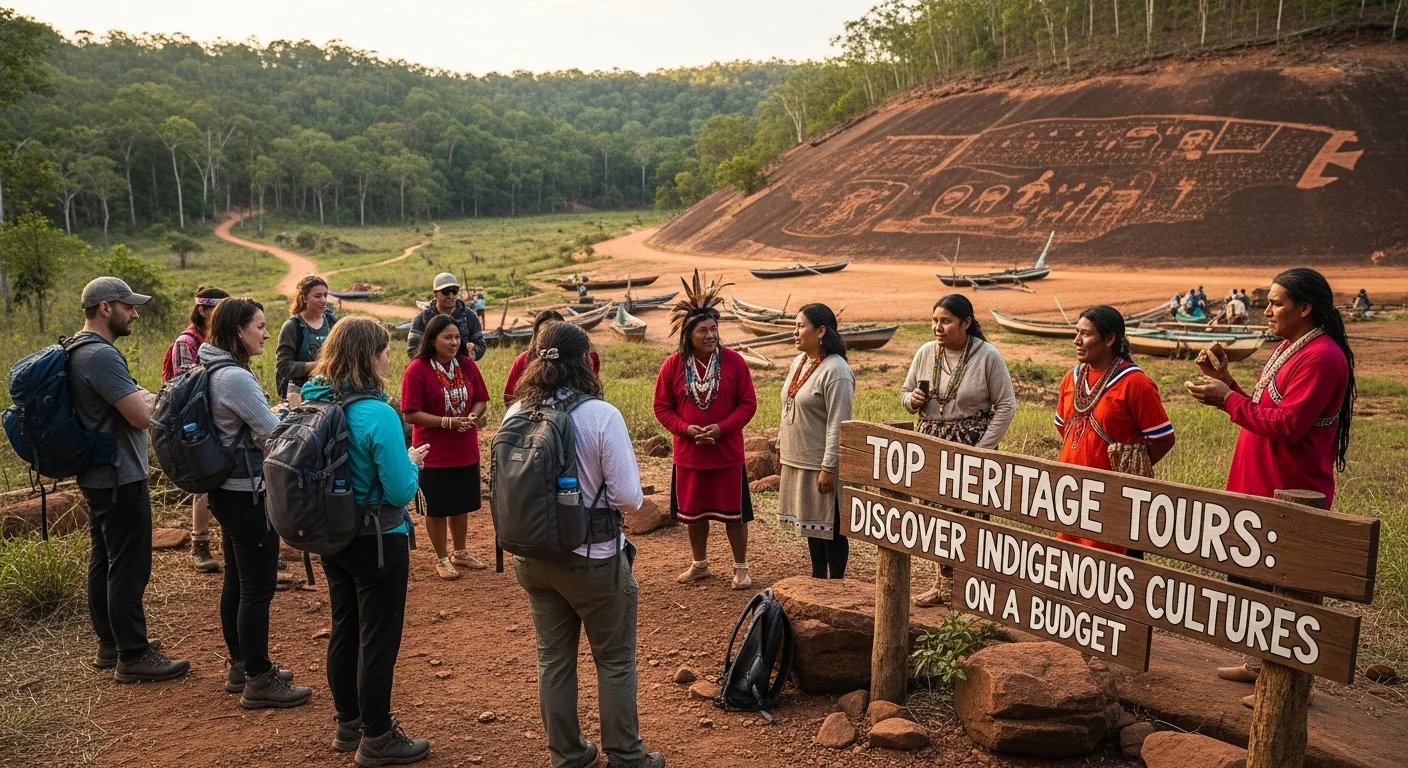
Understanding Indigenous Cultures
Key Concepts and Values
When I first began to explore Indigenous cultures, I was surprised by the depth and complexity of their worldviews. Each community has its own unique beliefs, traditions, and ways of life. One concept that stood out to me was the idea of connection—how Indigenous peoples view their relationship with the land, animals, and each other as intertwined and sacred. I discovered that many Indigenous cultures emphasize respect for nature and community, valuing collective well-being over individual success. This was eye-opening for me, as it shifted my perspective on how I relate to my surroundings and the people in my life.
Another fascinating element I encountered was the storytelling tradition. I remember sitting around a fire with a group of Indigenous elders, listening to them share stories that had been passed down for generations. These narratives not only entertain but also serve as vessels of knowledge, teaching younger generations about their history and cultural values. I felt honored to witness this exchange and realized how powerful storytelling can be in preserving identity.
The Importance of Heritage Preservation
Heritage preservation is crucial for maintaining the identity of Indigenous groups. I began to understand the challenges these communities face, such as land dispossession and cultural assimilation. These issues can lead to the erosion of languages, traditions, and practices that have existed for centuries. I was struck by how vital it is for us, as travelers and visitors, to support efforts aimed at preserving this rich heritage.
Visiting Indigenous communities with respect and a willingness to learn can contribute to their preservation. I’ve seen firsthand how tourism, when done responsibly, can provide economic support to these groups, allowing them to maintain their cultural practices and share them with others. By participating in heritage tours, we can play a part in this preservation, fostering appreciation for Indigenous cultures while ensuring their stories and traditions continue to thrive.
Top Destinations for Heritage Tours
North America
Navajo Nation, Arizona
Navajo Nation is a place I’ve always wanted to visit. Spanning Arizona, Utah, and New Mexico, it’s the largest reservation in the U.S. The landscape is stunning, with red rock formations that take your breath away. During my visit, I joined a guided tour where a Navajo guide shared stories about their history, spirituality, and connection to the land. We explored Monument Valley, and I felt an overwhelming sense of peace as I learned about their traditions and the significance of the land around me.
Blackfeet Nation, Montana
Another fantastic destination is the Blackfeet Nation in Montana. I had the chance to experience their cultural immersion program, where I learned about their history, language, and traditional practices. The Blackfeet people are known for their incredible artistry, from beadwork to pottery. I even tried my hand at making traditional crafts, which was a memorable experience. The Blackfeet Nation also hosts cultural events that welcome visitors, allowing us to engage with their community and experience authentic Blackfeet hospitality.
South America
Quito, Ecuador
Traveling to Quito was a dream come true for me. Nestled in the Andes, this city is rich in Indigenous history. One afternoon, I visited the nearby Otavalo Market, famous for its vibrant textiles and handicrafts. I learned that these crafts often carry ancestral meanings, and the artisans take great pride in their work. Interacting with the local artisans gave me insight into their culture, and I left with a handmade scarf that serves as a beautiful reminder of my experience.
Peruvian Andes, Peru
In the Peruvian Andes, I embarked on a trek through the Sacred Valley, where I encountered numerous Indigenous communities. One highlight was visiting the village of Ollantaytambo, where I participated in a traditional cooking class. I learned to make dishes using local ingredients, like quinoa and potatoes, which are staples in their diet. This hands-on experience allowed me to appreciate their culinary traditions while connecting with local families.
Australia
Aboriginal Experiences in the Outback
The Outback is a magical place, and my time there with Aboriginal guides was unforgettable. They shared their deep connection to the land through bush tucker tours, teaching me to identify edible plants and their traditional uses. The stories they told about their ancestors and the Dreamtime legends brought the landscape to life in a way I never expected. I felt a sense of belonging as I learned to appreciate their view of the world.
Tasmania’s Indigenous Heritage
Tasmania’s Indigenous heritage is equally captivating. I visited the Tasmanian Museum and Art Gallery, where I learned about the island’s rich history, including the struggles faced by the Palawa people. Engaging with local artists and attending cultural performances gave me a deeper understanding of their customs and traditions. The warmth and resilience of the Tasmanian Indigenous community left a lasting impression on me.
Asia
Maasai Mara, Kenya
The Maasai Mara is another incredible destination for experiencing Indigenous culture. I’ll never forget my first night in a Maasai village. The vibrant colors of their traditional attire and the rhythmic dancing created an atmosphere of joy and celebration. I learned about their customs, including their cattle-rearing practices and the significance of their warrior traditions. The Maasai people’s strong sense of community was evident, and I felt privileged to be welcomed into their world.
Indigenous Tribes of the Amazon Rainforest
My journey to the Amazon rainforest was awe-inspiring. I had the opportunity to connect with several Indigenous tribes, each with its own unique traditions. I participated in a nature walk guided by a local elder, who shared his knowledge about medicinal plants and the importance of biodiversity. The experience underscored the fragile relationship between the rainforest and its inhabitants, and I came away feeling a greater sense of responsibility to advocate for their rights and environmental preservation.
Budget-Friendly Heritage Tour Options
Affordable Tour Companies
When I was planning my heritage tour, I quickly realized that the options could be overwhelming. However, I found that many affordable tour companies specialize in Indigenous experiences. One company that caught my eye was Intrepid Travel. They offer immersive tours that don’t just skim the surface but dive deep into the cultures we were visiting. I remember being pleasantly surprised at how reasonably priced their packages were, especially when you consider the unique experiences they provide.
Another company I stumbled upon was G Adventures. They focus on small group tours, which I found to be a huge plus for a more intimate experience. The guides are often local, providing insights that you wouldn’t get from a general tour. I felt that paying a little more for a small group experience was worth it, as it allowed for more personal interactions with the communities we visited.
Finally, I discovered some local Indigenous-led tour companies. Some communities have their own guided tours available at a lower price point, and this helps directly support local economies. I remember meeting a Navajo guide who started his own tour business. Not only was it affordable, but it also felt good to know I was supporting his efforts to share his culture.
DIY Heritage Tours
If guided tours aren’t in your budget, don’t worry! I learned that planning a DIY heritage tour can be just as rewarding. With a little research, I found that many Indigenous communities offer self-guided experiences. For example, I visited cultural centers or museums that provided information on local heritage. I grabbed maps and brochures, which helped me navigate the area on my own schedule.
Another tip for a DIY approach is to use social media and local forums. I found local Indigenous groups on platforms like Facebook that shared events and activities open to visitors. I was able to connect with community members who offered advice on must-see sites and experiences. This not only saved me money but also led to some amazing interactions that I wouldn’t have had on a formal tour.
Additionally, I recommend checking out state and national parks. Many of these locations highlight Indigenous history and culture through interpretive trails and exhibits, often at no cost. I remember wandering through a state park and being captivated by the stories shared on plaques along the trails, allowing me to engage with the area’s Indigenous heritage without the price tag of a guided tour.
Volunteering Opportunities
Volunteering has been one of my favorite ways to connect with Indigenous cultures while traveling. I found various programs that welcome volunteers into their communities. For me, this was a win-win situation. I got to contribute to meaningful projects, and in return, I gained a deeper insight into their way of life.
I remember volunteering with an Indigenous organization focused on environmental conservation. It was eye-opening to learn how their traditional knowledge plays a crucial role in sustainable practices. Not only did I make lasting friendships, but I also participated in initiatives that supported the community’s efforts to protect their land and resources.
Many organizations offer room and board in exchange for your help, which can significantly cut down travel costs. Websites like Workaway or WWOOF can connect you with such opportunities. I found this method of travel to be incredibly rewarding, as it allowed me to be a part of the community and contribute to its preservation while learning from the locals.
What to Expect on a Heritage Tour
Cultural Activities and Experiences
One of the most enriching aspects of my heritage tours has been the variety of cultural activities available. I remember participating in traditional dances and ceremonies, which provided me with a profound sense of connection to the community. Being invited to join in these activities made me feel like I was part of something bigger than myself.
Workshops are another fantastic way to dive into local culture. During my travels, I took part in a pottery-making class with Indigenous artisans. Watching their techniques and learning about the significance behind their art taught me so much about their traditions. These hands-on experiences are often more meaningful than simply observing from the sidelines.
Accommodation Options
When it comes to accommodations, I found a range of options that catered to different budgets and preferences. While hotels can be convenient, I discovered that staying in local guesthouses or lodges often led to richer experiences. I remember one night in a family-run guesthouse where the owners shared stories about their culture over dinner, transforming my stay into a memorable cultural exchange.
Campsites and eco-lodges are also great choices if you’re looking to immerse yourself in nature. I stayed at a lodge run by an Indigenous community that offered stunning views and eco-friendly practices. I felt a sense of peace waking up to the sounds of nature and being surrounded by the very landscapes that hold such significance in their culture.
Transportation and Accessibility
Getting around during my heritage tours varied depending on the location. In some areas, public transportation was surprisingly good, which allowed me to travel on a budget. However, in more remote regions, I found that renting a car gave me the freedom to explore at my own pace. I recommend checking out local transportation options ahead of time, as many Indigenous communities have shuttle services that cater to visitors.
It’s also essential to consider accessibility options. Some tour companies have made significant strides to ensure that their experiences are inclusive. I remember visiting a cultural center that was fully accessible, allowing everyone to engage with the exhibits and learn about Indigenous culture. Researching and asking about these options beforehand can make a big difference in planning your trip.
When to Visit Indigenous Heritage Sites
Seasonal Considerations
Choosing the right time to visit Indigenous heritage sites can greatly enhance your experience. From my travels, I’ve learned that each season brings its own unique beauty and activities. For instance, I visited the Navajo Nation in late spring, which was perfect for witnessing the vibrant blooms and mild weather. The landscape was alive with color, and it felt like the land was awakening, much like the communities preparing for the summer season.
In contrast, I found that visiting the Peruvian Andes during the dry season from May to September made trekking through the Sacred Valley much more enjoyable. The weather was clear, and the trails were easier to navigate, allowing me to fully immerse myself in the breathtaking scenery without the worry of rain. However, I also learned that visiting during the rainy season can offer a different perspective, with fewer tourists and a lush green landscape that is equally stunning.
Ultimately, I think it’s essential to consider what you want to experience. Do you prefer a bustling atmosphere with cultural festivals, or are you looking for a quieter time to reflect and connect with nature? Researching the climate and community activities during different seasons helped me make informed decisions, ensuring I got the most out of my heritage tours.
Cultural Festivals and Events
One of the highlights of my travels has been attending cultural festivals and events within Indigenous communities. These gatherings provided a rich tapestry of experiences, showcasing traditional dances, music, and culinary delights. I remember attending the Gathering of Nations Powwow in Albuquerque, New Mexico, where thousands of Indigenous people came together to celebrate their cultures. The energy was palpable, and I felt incredibly honored to witness such a vibrant display of pride and unity.
In the Blackfeet Nation, I stumbled upon their annual Powwow, which was a whirlwind of color and sound. Watching the dancers in their elaborate regalia was mesmerizing, and I learned so much about the significance of their movements and songs. It was a reminder of how deeply these traditions are woven into their identity and the importance of sharing them with visitors like me.
Festivals are often accompanied by workshops and demonstrations, which I found to be a great way to learn hands-on. I participated in a weaving workshop during one festival, where local artisans taught me the intricacies of their craft. It was such a fulfilling experience to create something meaningful while learning about its cultural significance.
I highly recommend checking local calendars and community websites before your trip to align your visit with any cultural events. Read Interesting article: Experience Heritage Tours: Best Festivals for Backpackers Being part of these celebrations not only enriches your understanding but also allows you to engage more meaningfully with the community.
Local Cuisine and Dining Experiences
Traditional Dishes to Try
Food is one of the most delightful ways to connect with a culture. During my travels, I made it a point to try traditional dishes, and I was never disappointed. In Ecuador, I had the chance to savor cuy (guinea pig), a delicacy that holds cultural significance. I was initially hesitant, but trying it with the local community turned out to be an extraordinary experience. It was a dish prepared with love, served during special occasions, and sharing it with them helped me appreciate its importance in their culture.
In the Peruvian Andes, I learned about the significance of quinoa and potatoes in Indigenous diets. I remember enjoying a hearty meal of causa, a layered potato dish that was beautifully presented and bursting with flavor. The best part was hearing the stories behind these ingredients and how they are woven into daily life and celebrations.
Don’t overlook the chance to sample local beverages. In the Navajo Nation, I discovered the traditional drink called “blue corn mush,” which was both comforting and nutritious. I enjoyed it at a local gathering, where it was shared among family and friends, highlighting the community aspect of food.
Community-Based Dining Options
Eating at community-based dining options can enhance your travel experience while supporting local economies. I found that many Indigenous communities offer meals prepared by local families, which not only provides a more authentic taste but also fosters connections. One memorable evening, I enjoyed dinner in a Blackfeet home, where the family shared stories and traditional recipes while we dined together. It felt like being welcomed into their lives, and the warmth of the hospitality made the meal unforgettable.
Additionally, participating in a community feast or potluck can be a fantastic way to engage with local traditions. During one of my visits to a Maasai village, I was invited to join a feast featuring a variety of dishes, and it was an incredible way to bond with the community. Sharing food in this way emphasized the importance of relationships and respect in their culture.
As you plan your heritage tour, keep an eye out for community dining experiences that offer insight into local flavors and the significance of food within cultural practices. Read Interesting article: Cultural Bites: Discover Budget Traditional Cuisine Tours These moments can deepen your understanding and appreciation of the communities you visit, enriching your journey in ways you might not expect.
Frequently Asked Questions
What is the main purpose of embarking on a heritage tour?
Embarking on a heritage tour offers a unique chance to connect with Indigenous cultures while exploring breathtaking landscapes.
What are some key concepts and values in Indigenous cultures?
Indigenous cultures emphasize the idea of connection, viewing their relationship with the land, animals, and each other as intertwined and sacred. They value respect for nature and community, prioritizing collective well-being over individual success.
Why is heritage preservation important for Indigenous communities?
Heritage preservation is crucial for maintaining the identity of Indigenous groups, as it helps combat challenges like land dispossession and cultural assimilation that can erode languages, traditions, and practices.
What are some top destinations for heritage tours in North America?
Notable destinations include the Navajo Nation in Arizona and the Blackfeet Nation in Montana, where visitors can engage in cultural immersion programs and learn about Indigenous histories and practices.
How can travelers participate in budget-friendly heritage tours?
Travelers can consider affordable tour companies like Intrepid Travel and G Adventures, or explore local Indigenous-led tour companies. Additionally, DIY heritage tours and volunteering opportunities can provide cost-effective ways to connect with Indigenous cultures.
What kind of activities can participants expect on a heritage tour?
Participants can expect a variety of cultural activities, such as traditional dances, workshops, and ceremonies that provide a profound sense of connection to the community.
What accommodation options are available during heritage tours?
Accommodation options range from local guesthouses and lodges to campsites and eco-lodges, which can enhance the cultural experience by providing richer interactions with local communities.
When is the best time to visit Indigenous heritage sites?
The best time to visit varies by location, as each season offers unique beauty and activities. Researching seasonal climate and community events can help travelers choose the optimal time for their visit.
What are some traditional dishes to try on a heritage tour?
Travelers should try traditional dishes like cuy (guinea pig) in Ecuador, quinoa and potatoes in the Peruvian Andes, and blue corn mush in the Navajo Nation, all of which hold cultural significance.
How can travelers engage with local cuisine during their heritage tours?
Travelers can enhance their experience by dining at community-based options, such as meals prepared by local families or participating in community feasts, which foster connections and provide insight into local traditions.