
Exploring the world alone can be one of the most liberating experiences. For those who crave adventure and history, solo backpacking through historical destinations can lead to unforgettable memories and self-discovery. Read Interesting article: Mastering New Languages: A Solo Traveler’s Guide
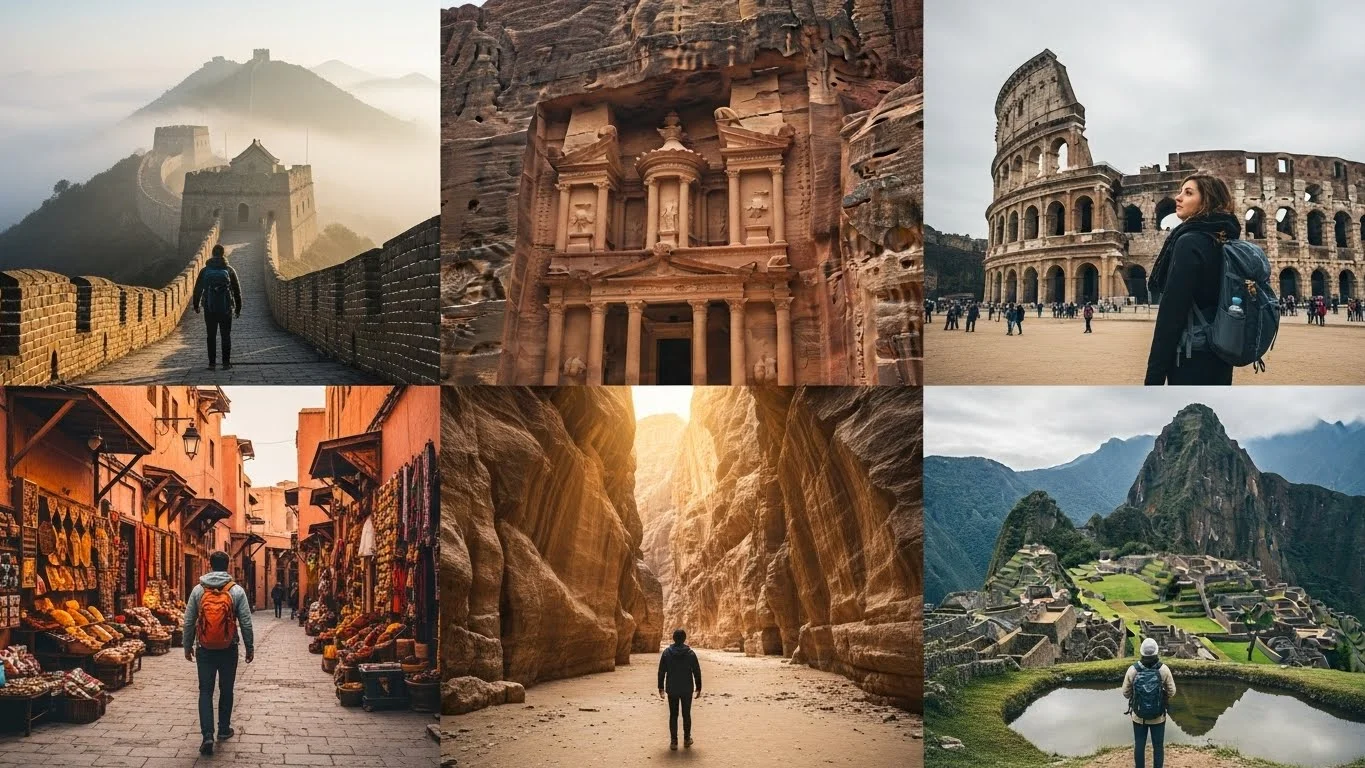
Introduction to Solo Backpacking and Historical Destinations
What is Solo Backpacking?
Solo backpacking involves traveling independently with just a backpack filled with essentials. It’s about immersing yourself in new environments, cultures, and experiences without the influence of a travel companion. I’ve found that this approach allows for more spontaneity and freedom. You can wander the streets of a foreign city, stop to chat with locals, and change your plans on a whim without worrying about anyone else’s preferences.
Benefits of Solo Travel
Traveling solo has transformed the way I view the world. One of the biggest benefits is the opportunity for personal growth. I remember my first solo trip; I was nervous but excited to step out of my comfort zone. Each destination became a chance to learn more about myself. You face challenges head-on, whether it’s navigating public transport or figuring out where to eat. Additionally, solo travel fosters a sense of independence. You get to make all the decisions, from what to see to how long to stay. I believe it can be incredibly empowering.
Another benefit is the flexibility it offers. If you’re like me and love to explore at your own pace, this is a game-changer. You can spend hours at a historical site that captures your interest without feeling rushed. Plus, meeting fellow travelers along the way often leads to meaningful connections. I’ve struck up conversations with strangers who later became friends, sharing stories and recommendations that enriched my journey. There’s a unique camaraderie among solo travelers, and I cherish those moments of connection. Read Interesting article: Explore the World’s Best Cultural Events for Solo Backpackers
Top Historical Destinations for Solo Backpackers
1. Rome, Italy
Key Historical Sites
When I think of historical destinations, Rome immediately comes to mind. The city is practically a living museum, filled with awe-inspiring sites. The Colosseum, for instance, is a magnificent structure that speaks volumes about ancient Roman culture. I remember standing there, imagining the gladiators and the roaring crowds. It truly felt like stepping back in time.
The Colosseum
The Colosseum is iconic, and for good reason. I recommend visiting early in the day to avoid the crowds. You can take a guided tour to learn about its history and significance, or simply roam around and soak in the atmosphere. The stories of the past echo through its arches, and I found myself marveling at its grand architecture.
The Roman Forum
Just a short walk from the Colosseum, the Roman Forum is another site I found fascinating. It’s where the heart of ancient Rome once beat. Walking through the ruins, I could almost feel the energy of political discussions and social gatherings that took place centuries ago. I spent hours exploring the area, and I encourage you to take your time and let the ruins tell their tales.
The Pantheon
The Pantheon is yet another must-see. Its massive dome and oculus are awe-inspiring. I was struck by its architectural brilliance and the way light streamed through the oculus, creating a serene atmosphere inside. It’s a great place to reflect and appreciate the artistry of the ancients. Don’t forget to visit the nearby gelato shops afterward—trust me, you’ll want to treat yourself!
When to Visit
Rome is lovely year-round, but I found that visiting in the spring or fall offers the best weather and fewer tourists. The crowds can be overwhelming in the summer, and navigating the city becomes more challenging. If you can manage it, aim for shoulder seasons. It’s when the city feels more alive and accessible, in my opinion.
Where to Stay
When it comes to accommodation, I recommend staying in the Trastevere neighborhood. It has a charming, local vibe with plenty of cafes and shops. I felt safe wandering the narrow streets at night, soaking in the atmosphere. There are also many hostels and budget-friendly hotels that cater to solo travelers, making it easy to meet others.
Getting Around
Rome’s public transport system is quite efficient. I found the metro and buses easy to navigate, but many of the historical sites are within walking distance of each other. Walking around the city not only helps you discover hidden gems but also allows you to appreciate the beautiful streets and architecture. I loved getting lost in the alleys, stumbling upon quaint piazzas and vibrant street art.
2. Athens, Greece
Key Historical Sites
Then there’s Athens, a city that’s steeped in history and mythology. The Acropolis is a sight that I think every traveler should experience. It stands as a testament to ancient Greek civilization. I remember hiking up to it and feeling a rush of excitement as I approached the Parthenon.
The Acropolis
The Acropolis is breathtaking, especially as the sun begins to set. I recommend visiting in the early morning to avoid the heat and the crowds. Standing atop the hill, the panoramic view of Athens is stunning. It’s a moment that truly captures the essence of being a solo traveler; just you and the history of a civilization that shaped the world.
The Parthenon
The Parthenon itself is an architectural wonder. I spent hours admiring its details and learning about its significance. It’s hard not to feel a sense of awe when you consider the dedication and artistry that went into its creation. For me, it was a highlight of my trip.
The Ancient Agora
Exploring the Ancient Agora was another experience I cherished. It’s where ancient Athenians gathered to discuss philosophy, politics, and daily life. Walking among the ruins, I felt connected to the past, as if I could hear the echoes of important conversations. I recommend taking some time to sit and reflect in this historical space.
When to Visit
Like Rome, I think the best time to visit Athens is during the spring or fall. The weather is pleasant, and the tourist influx is manageable. If you can, try to plan your trip around cultural festivals for an even richer experience.
Where to Stay
For accommodations, I found the Plaka neighborhood to be delightful. It’s close to the major sites and has a vibrant atmosphere. There are many hostels and boutique hotels that cater to solo backpackers, making it easy to strike up conversations with fellow travelers.
Getting Around
Athens has a reliable metro system that can take you to most historical sites. I enjoyed walking between places, as the city is full of surprises. Whether it’s a cozy cafe or a street artist showcasing their talent, I discovered something new around every corner.
3. Cairo, Egypt
Key Historical Sites
Cairo has always fascinated me with its rich tapestry of history. When I first stepped foot in the city, I felt like I was walking into a living history book. The sheer magnitude and beauty of the historical sites left me in awe. The Pyramids of Giza were at the top of my must-see list, and they did not disappoint.
The Pyramids of Giza
The Pyramids of Giza are undoubtedly one of the most iconic symbols of ancient civilization. Standing before these colossal structures, I couldn’t help but wonder about the people who built them. I took a guided tour, which I highly recommend, as it provides fascinating insights into their history and construction. As I stood there, I felt a sense of wonder and humility. I also suggest taking the time to walk around the area and explore the lesser-known spots nearby—it adds a layer of depth to the experience.
The Sphinx
Just a stone’s throw from the pyramids, the Sphinx is another must-see. Its enigmatic expression captivated me, and I found myself pondering the mysteries that have surrounded it for centuries. I remember sitting on a nearby bench, soaking in the view and letting my imagination run wild. The stories of ancient Egypt came alive in that moment. If you can, try to visit during the early morning or late afternoon when the light makes for stunning photographs.
The Egyptian Museum
No visit to Cairo would be complete without exploring the Egyptian Museum. It’s a treasure trove of artifacts that tell the story of ancient Egypt. I was particularly drawn to the Tutankhamun exhibit, where I marveled at the golden mask and other exquisite treasures. I spent hours wandering through the halls, taking in the history that surrounded me. I recommend setting aside enough time to fully enjoy the museum; there’s so much to see!
When to Visit
From my experience, the best time to visit Cairo is during the cooler months, from October to April. The weather is much more pleasant, making it easier to explore the outdoor sites. I went in November, and I found the temperatures to be just right for roaming around. Summer can be scorching, and I learned the hard way that it’s best to avoid the peak heat if you can.
Where to Stay
For accommodations, I suggest looking into hostels or budget hotels in the downtown area. I stayed at a quaint hostel that had a fantastic rooftop terrace overlooking the city. It was a great place to meet other travelers and share stories over a cup of mint tea. There are plenty of options that cater to solo backpackers, so you’ll have no trouble finding a comfortable place to rest after a day of exploring.
Getting Around
Cairo’s public transport system can be a bit chaotic, but I found it to be an adventure in itself. The metro is quite efficient, and I often used it to get to various sites. However, I also enjoyed taking taxis or ride-sharing services for convenience. One tip I picked up was to negotiate the fare before getting into a taxi, as it helped avoid any surprises. Walking can also be a delightful way to experience the city; you never know what hidden gems you might stumble upon!
4. Cusco, Peru
Key Historical Sites
Moving on to South America, Cusco is another historical destination that captivated me. This city is a mix of Incan history and colonial influence, making it a fascinating place to explore. I remember the first time I arrived; the vibrant culture and stunning architecture immediately engulfed me.
Macchu Picchu
While in Cusco, a trip to Machu Picchu is essential. I booked a guided tour that included the scenic train ride, and it was worth every penny. As we approached the ancient site, excitement bubbled within me. Standing there surrounded by the Andes, I felt a sense of accomplishment and wonder. The energy of the place is palpable, and I suggest taking your time to soak it all in—whether you hike or take the bus up, it’s an experience you won’t soon forget.
Sacsayhuamán
Back in Cusco, Sacsayhuamán is another historical gem. The impressive stone walls are a testament to Incan engineering. I spent an afternoon wandering the site, imagining the ceremonies that once took place there. The views of Cusco from this vantage point are breathtaking, especially at sunset. It’s a great spot for reflection and photography!
The Sacred Valley
The Sacred Valley is a must-see when you’re in Cusco. I took a day trip there and was blown away by the stunning landscapes and traditional villages. Visiting local markets and interacting with the residents enriched my understanding of Peruvian culture. I recommend taking your time to explore and perhaps even join a sustainable tour that gives back to the community.
When to Visit
The best time to visit Cusco is during the dry season, which runs from May to September. The weather is usually sunny and pleasant, perfect for hiking and exploring. I visited in August, and although it was busy with tourists, the atmosphere was vibrant and exciting.
Where to Stay
For accommodations, I found many hostels in Cusco that were perfect for solo travelers. I chose one that offered group tours, which made it easy to connect with others. Staying in the San Blas neighborhood is a great choice; it’s charming, lively, and close to many attractions.
Getting Around
Cusco is a compact city, making it easy to explore on foot. I loved wandering through the cobblestone streets, soaking in the architecture and local life. For longer distances, I used taxis or local buses, which were both affordable and convenient. Just be sure to negotiate the fare beforehand!
5. Jerusalem, Israel
Key Historical Sites
Jerusalem is a city that’s rich in religious and historical significance. From the moment I arrived, I felt an overwhelming sense of history and spirituality in the air. My time there was filled with exploration and reflection.
The Western Wall
The Western Wall is one of the most sacred sites, and visiting it was a profound experience for me. Standing there, surrounded by visitors and worshippers, I felt a deep connection to history and faith. I recommend taking some time to sit and reflect; it’s a space that invites contemplation.
The Dome of the Rock
The Dome of the Rock is another must-see. Its stunning architecture and intricate mosaics left me in awe. I enjoyed walking around the compound, taking in the views. Just be mindful of the cultural norms when visiting religious sites; it’s essential to respect local customs.
The Church of the Holy Sepulchre
Exploring the Church of the Holy Sepulchre was another highlight of my trip. The church is believed to be the site of Jesus’ crucifixion and burial. I found the atmosphere to be both solemn and vibrant, with pilgrims from all over the world gathering to pay their respects. It’s a place where history and faith intertwine, and I recommend taking a guided tour to fully appreciate its significance.
When to Visit
I think the best time to visit Jerusalem is during the spring or fall when the weather is mild. I went in late October, and it was perfect for wandering around the city. Summers can be hot, and I found that exploring historical sites was much more enjoyable in cooler weather.
Where to Stay
For accommodations, I suggest looking for hostels or guesthouses in the Old City or nearby neighborhoods. I found a lovely hostel that offered insights into local culture and was a great place to meet other travelers. Staying close to the action means you can easily explore on foot, which I found very convenient.
Getting Around
Getting around Jerusalem is relatively easy. The Old City is pedestrian-friendly, and I enjoyed walking through its narrow streets. For longer distances, I used public buses, which are affordable and efficient. Just be sure to check the routes and schedules, as they can change frequently!
Planning Your Trip
Budgeting for Historical Destinations
When I first started planning my solo backpacking trips, budgeting was one of my biggest challenges. I realized early on that knowing how to allocate my funds could make or break my travel experience. I typically start by setting a daily budget that includes accommodation, food, activities, and transportation. For me, it’s helpful to break it down into categories. I remember calculating my expenses for a trip to Rome and discovered that choosing to stay in a hostel instead of a hotel saved me a significant amount of money. This way, I had more to spend on experiences, like guided tours of the Colosseum or indulging in authentic Italian cuisine at local trattorias.
I also keep an eye on flight deals and accommodation discounts, which can drastically cut costs. Websites like Skyscanner and Booking.com have become my go-to platforms for finding the best rates. Sometimes, I’ve even found that being flexible with my travel dates allows me to snag better deals. For instance, traveling mid-week instead of on weekends often yields lower flight prices. I also recommend considering alternative accommodations, like hostels or guesthouses, which can provide not only savings but also opportunities to meet fellow travelers. Read Interesting article: Mastering Solo Travel Etiquette: A Cultural Guide
Travel Insurance Considerations
Another vital aspect of planning for a solo trip is travel insurance. I learned this the hard way on my first trip when a minor mishap turned into a hassle due to lack of coverage. Travel insurance gives you peace of mind, especially when visiting historical destinations where anything can happen—from losing your belongings to needing medical assistance. I always take the time to research different insurance providers and compare their policies to find one that fits my needs.
When evaluating options, I look for coverage that includes trip cancellation, lost luggage, and medical emergencies. I remember being in Athens, where I met a fellow traveler who had to cancel their trip due to unforeseen circumstances. Having travel insurance saved them a lot of financial stress. It’s better to be safe than sorry, and knowing that you’re covered can help you fully enjoy your adventure without worrying about what-ifs.
Packing Essentials for Solo Backpackers
Packing for a solo trip can feel daunting, but I’ve figured out a few essentials that make all the difference. My approach is to pack light but smart. I start with a solid backpack that fits comfortably; I’ve learned that carrying a heavy bag can be exhausting, especially when navigating cobblestone streets in places like Rome or Cusco. I typically bring versatile clothing that can be layered, allowing me to adapt to different climates easily.
One of my favorite packing hacks is rolling my clothes instead of folding them. It saves space and helps prevent wrinkles. I also include a small daypack for daily excursions; it’s perfect for carrying snacks, water, and a camera for those spontaneous photo opportunities. Another essential is a portable charger; I can’t tell you how many times it saved me when I was out exploring and needed to navigate my way back using my phone’s GPS.
Additionally, I always pack a small first aid kit with basic medications. On one trip, I ended up with a headache while wandering around the Ancient Agora in Athens. Having my go-to pain reliever handy made a world of difference and allowed me to continue my exploration without missing a beat. I recommend taking the time to create a packing list tailored to your destination’s climate, activities, and duration—this way, you’ll ensure you have everything you need without overpacking.
Frequently Asked Questions
What is solo backpacking?
Solo backpacking involves traveling independently with just a backpack filled with essentials. It allows for immersion in new environments, cultures, and experiences without the influence of a travel companion.
What are the benefits of solo travel?
Some benefits of solo travel include personal growth, a sense of independence, flexibility in exploring at your own pace, and the opportunity to meet fellow travelers and form meaningful connections.
What are some top historical destinations for solo backpackers?
Top historical destinations for solo backpackers include Rome, Athens, Cairo, Cusco, and Jerusalem, each offering unique historical sites and experiences.
When is the best time to visit Rome?
The best time to visit Rome is during the spring or fall when the weather is pleasant and there are fewer tourists. Summer crowds can make navigation challenging.
What accommodation options are recommended for solo travelers in Rome?
In Rome, staying in the Trastevere neighborhood is recommended due to its local vibe, safety, and availability of hostels and budget-friendly hotels that cater to solo travelers.
What are key historical sites to visit in Athens?
Key historical sites in Athens include the Acropolis, the Parthenon, and the Ancient Agora, each offering rich insights into ancient Greek civilization.
What is a must-see in Cairo?
A must-see in Cairo is the Pyramids of Giza, along with the Sphinx and the Egyptian Museum, which showcase the city’s rich historical significance.
What is the best way to get around Cusco?
Cusco is a compact city that is easy to explore on foot. For longer distances, taxis or local buses are affordable and convenient options.
What should a solo backpacker consider when planning their trip?
Solo backpackers should consider budgeting for accommodation, food, activities, and transportation, as well as getting travel insurance for peace of mind during their travels.
What packing essentials should solo backpackers include?
Essentials for solo backpackers include a comfortable backpack, versatile clothing, a small daypack, a portable charger, and a basic first aid kit to handle minor health issues during travels.