
Packing cubes are a game-changer for every backpacker out there. These simple yet effective tools can transform the chaos of luggage into a well-organized travel experience. Read Interesting article: Maximize Space: The Best Packing Cubes for Budget Travelers
Understanding Packing Cubes: What Are They?
Definition and Purpose of Packing Cubes
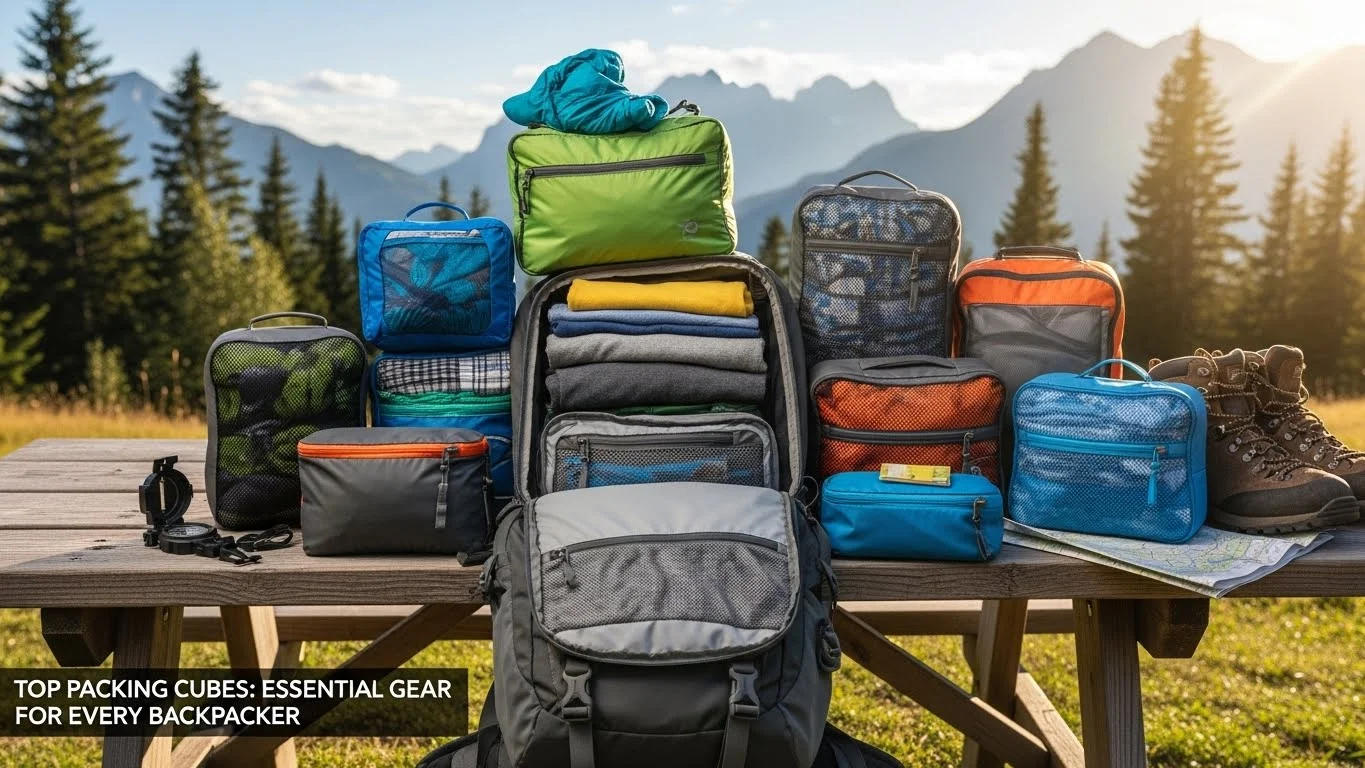
When I first stumbled upon packing cubes, I was honestly skeptical. I thought, “How could something so simple make a difference?” But once I tried them, my perspective changed completely. Packing cubes are basically small fabric containers that help you organize your clothes and gear inside your backpack or suitcase. They come in various sizes and designs, and the main purpose is to keep everything tidy and easy to find. Instead of digging through a jumbled mess of clothes, I can simply pull out a cube specific to what I need, whether it’s my shirts, pants, or even my socks.
How Packing Cubes Enhance Organization
One of the biggest frustrations I faced while backpacking was finding that one shirt buried at the bottom of my bag. It was a hassle, and often I ended up unpacking my entire bag just to get to it. With packing cubes, that nightmare turned into a thing of the past. Each cube can hold different categories, so I can group my items by type or even activity. For instance, I might have one cube for outdoor gear, another for casual clothing, and yet another for my toiletries. This way, when I need something, I simply pull out the relevant cube. It saves time, reduces stress, and makes packing and unpacking much more enjoyable.
Benefits of Using Packing Cubes for Backpackers
Space Optimization
One thing I quickly learned during my travels is that space is a precious commodity in any backpack. Packing cubes help me maximize that space. By compressing my clothing into these cubes, I can fit more into my backpack than I ever thought possible. I often roll my clothes tightly before placing them into the cubes, which not only saves space but also minimizes wrinkles. It’s amazing how much room I can create for other essentials, like snacks, a water bottle, or even a travel pillow.
Easy Access to Clothing and Gear
Have you ever been on a trip and spent half an hour looking for a specific item? I certainly have. With packing cubes, I avoid that hassle completely. Instead of rummaging through a pile of clothes, I can easily grab the cube I need. This makes getting dressed in the morning or finding my hiking gear a breeze. Plus, if I’m staying in multiple places, I can simply take out the cubes that correspond to my activities—easy peasy!
Weight Distribution
Another aspect I appreciate is how packing cubes allow me to distribute weight more evenly in my backpack. I used to throw everything in haphazardly, which resulted in an awkward and uncomfortable carry on my back. Now, with packing cubes, I can place heavier cubes at the bottom and lighter ones on top, making my backpack balanced and easier to carry. I’ve noticed a big difference in how my back feels during long hikes, and I’m sure you would too!
Protection and Compression
When I’m traveling, I often worry about my delicate items, such as a favorite shirt or my toiletries. Packing cubes provide an extra layer of protection. The fabric is typically sturdy, and some cubes even offer water-resistant features. This means that even if my bag gets a little wet, my items stay safe. Plus, the compression aspect helps keep everything snug and secure, reducing the chance of items shifting around and getting damaged.
Types of Packing Cubes
Standard Packing Cubes
Standard packing cubes are what most people think of when they hear the term. They come in various sizes and are perfect for organizing general clothing items. I usually opt for a mix of sizes, which allows me to customize my packing based on the trip and the season.
Compression Packing Cubes
Compression packing cubes are a lifesaver for those looking to save even more space. They have a zippered design that allows you to compress the contents after packing. I love using these for bulky items like jackets or sweaters, especially during colder months. The extra compression helps me fit everything I need into my backpack without feeling like I’m carrying a boulder.
Specialty Packing Cubes (e.g., for shoes, toiletries)
I’ve found that specialty packing cubes are also great for certain items. For example, I have a cube just for my shoes. This keeps them separate from my clothes, preventing any dirt from transferring and making it easier to find them when I’m in a hurry. There are also cubes specifically designed for toiletries, which can prevent leaks and spills. These specialty cubes make packing feel less overwhelming and more organized.
Top Packing Cube Brands for Backpackers
eBags Packing Cubes
When it comes to packing cubes, eBags is a brand that consistently pops up in conversations among seasoned travelers. I remember hearing about them from a fellow backpacker who swore by their durability and design. eBags offers a variety of sizes and colors, which allows me to mix and match based on my needs. The fabric feels sturdy, and the zippers are smooth, making it easy to pack and unpack. Plus, they’re reasonably priced, which is always a plus for a budget traveler like me!
Osprey Ultralight Packing Cube Set
If you’re looking for lightweight options, I highly recommend checking out the Osprey Ultralight Packing Cube Set. These cubes are perfect for minimizing weight in your backpack without sacrificing organization. I’ve used them on several trips, and their breathable mesh tops allow for ventilation, which is great for clothes I’ve worn. They come in a few sizes, and I love how easily they fit into the nooks and crannies of my pack, making every little space count.
AmazonBasics Packing Cubes
For those just starting out with packing cubes or looking for an economical option, the AmazonBasics Packing Cubes are a fantastic choice. I was pleasantly surprised by how well these worked for me during my last trip. They are simple but effective, and the fabric holds up surprisingly well. They come in a variety of colors, so you can easily coordinate them with your backpack, which I find adds a bit of fun to my packing routine.
Samsonite Packing Cubes
Samsonite is a household name in luggage, and their packing cubes live up to that reputation. I recently purchased a set and was impressed by the quality and design. They have a sleek look, and the organization features are top-notch. I loved the idea of having designated cubes for different types of clothing, which made my packing feel more structured. Plus, the ability to compress items slightly with their design was an added benefit that I didn’t know I needed!
REI Co-op Packing Cubes
The REI Co-op Packing Cubes are another option that I can’t recommend enough. These cubes are designed with the outdoor enthusiast in mind, which makes them perfect for backpackers. I appreciate the rugged construction and the fact that they come in fun colors. They hold up well to the rigors of travel, and I’ve found that they help keep my gear organized, especially when I’m switching between camping and city exploration. I really enjoy how they blend style with function. Read Interesting article: Essential Travel Accessories for Backpacking on a Budget
How to Choose the Right Packing Cubes
Size and Dimensions
Choosing the right size packing cubes is crucial for an efficient packing experience. I often find myself standing in front of my open suitcase or backpack, trying to determine what sizes I need. I’ve learned to measure my bag and consider the dimensions of the cubes. It’s important to have a variety of sizes—some larger ones for bulky items like jackets and smaller ones for underwear or accessories. This mix helps me make the most of every inch of my luggage.
Material and Durability
Material matters when it comes to packing cubes. I’ve experienced some cubes that felt flimsy, and they didn’t last long at all. Look for cubes made from durable materials that can withstand the rigors of travel. I prefer cubes that are water-resistant, especially for trips where rain is a possibility. This added feature gives me peace of mind that my belongings are protected, which is something I’ve learned to prioritize after a few close calls!
Weight and Portability
The weight of the packing cubes themselves can add up, especially when you’re trying to keep your backpack light. I always check the weight of potential packing cubes before purchasing. Lightweight options are available, and they don’t compromise on quality. The key is to find a balance between durability and lightweight design. I’ve found that investing in lighter cubes makes a big difference on long hikes, where every ounce counts.
Design and Color Options
While functionality is my primary concern, I also appreciate a good design. I’ve noticed that packing cubes come in various colors and patterns, which can make packing feel a bit more fun! I tend to lean towards vibrant colors because they make it easier to spot my cubes at a glance. Plus, if you’re traveling with someone else, having different colors can help each person identify their items quickly. It’s a small detail, but it definitely enhances my packing experience.
How to Use Packing Cubes Effectively
Organizing by Category (Clothing, Accessories, Toiletries)
One of the best strategies I’ve discovered for using packing cubes is to organize by category. I like to group my items into different cubes—one for clothes, another for accessories, and a separate one for toiletries. This method not only streamlines packing but also makes unpacking a breeze. I can simply grab the cube I need without having to sift through everything. It’s like having mini-suitcases within my larger bag!
Maximizing Space with Compression Techniques
To make the most of my packing space, I’ve learned some compression techniques. Rolling clothes tightly before placing them in the cubes has been a game-changer for me. I also try to fill every little gap in my bag, using smaller items to fill spaces around the cubes. This way, I maximize every inch of my backpack and ensure I have room for all my essentials.
Labeling and Color Coding for Quick Access
Labeling my packing cubes has also been a tip that I’ve found incredibly helpful. While it’s not always necessary, I sometimes write down what’s inside each cube using a small label maker or even masking tape and a marker. This way, I can quickly locate what I need without opening every single cube. Color coding can also work wonders. If I assign certain colors to certain categories, I can spot what I need in mere seconds. It’s all about making the process smoother and more efficient for myself!
Common Mistakes to Avoid When Using Packing Cubes
Overpacking and Underpacking
One of the biggest challenges I faced when I first started using packing cubes was figuring out how much to pack. It’s so tempting to think that these cubes magically create more space, leading to overpacking. I remember stuffing my cubes to the brim, thinking I could fit an entire wardrobe for a weekend trip! But I quickly learned that overpacking means more weight and less flexibility when I’m on the move. On the flip side, underpacking can also be a pitfall. I once went on a trip with just one cube of clothes, only to find I had nothing suitable to wear for a surprise fancy dinner. So, I recommend evaluating the length of your trip and knowing what activities you’ll be doing. This way, you can strike the right balance and avoid either extreme.
Ignoring Weight Limits
When I first started backpacking, I didn’t pay much attention to weight limits, thinking I could handle whatever I packed. However, I learned the hard way that weight distribution and overall backpack weight are crucial, especially on long hikes. I once lugged around a bag that was way too heavy, and by the end of the day, my back was screaming for relief. It’s essential to check the weight of your packed cubes regularly. Utilizing a travel scale can help you keep tabs on how heavy your backpack is becoming. I aim for a maximum of 20-30% of my body weight in my pack, which has made a world of difference in my comfort while traveling.
Not Considering Accessibility
Accessibility is something I didn’t think much about at first. I would just shove my packing cubes into my backpack without considering how often I’d need certain items. I made this mistake on a hiking trip where I buried my snacks and water bottle deep in my bag. When hunger struck, I spent way too much time digging through layers of clothes just to find a granola bar. To avoid this, I’ve learned to keep items I know I’ll need often, like snacks, a rain jacket, or my toiletries, in easily accessible cubes or pockets. This little adjustment has made my travels much smoother and less stressful.
Real Backpacker Experiences with Packing Cubes
User Reviews and Testimonials
It’s always interesting to hear how others have benefited from packing cubes. I remember chatting with a fellow traveler who shared her experience using them on a month-long trip across Europe. She swore by her compression cubes, saying they allowed her to fit everything she needed without feeling like she was carrying a suitcase on her back. I’ve read countless reviews online, and many travelers echo her sentiments about how packing cubes reduce stress and streamline the packing process. No more digging and digging! Hearing these stories has only reinforced my love for packing cubes, as they’ve transformed my travel experience in similar ways.
Before and After Organization Comparisons
Another fun aspect of packing cubes is the before-and-after organization style that many travelers showcase online. I remember scrolling through social media and coming across a post where someone shared their packing transformation. The “before” picture showed a chaotic, overflowing backpack, while the “after” revealed a beautifully organized setup with neatly stacked packing cubes. It was inspiring! I decided to try this method myself, and I took a picture of my own packing setup before using the cubes and another after. The difference was astonishing—everything looked so tidy, and I could actually see all of my items at a glance. This visual comparison motivated me to keep my packing organized, and I now frequently share my own transformations with friends and fellow travelers. Read Interesting article: Ultimate Guide to Budget Backpacking Adventure Hotspots
Additional Packing Tips for Backpackers
Layering Clothes for Versatility
One trick I’ve picked up over the years is layering my clothes. It’s not only a space-saver but also allows for versatility in different weather conditions. I like to pack items that I can mix and match, creating multiple outfits from just a few pieces. For instance, I’ll bring a lightweight jacket that can be layered over a t-shirt or a long-sleeve top. This way, I can adapt to changing temperatures without overpacking. I find that packing versatile clothing options enhances my packing experience, and I feel better prepared for any situation.
Utilizing Other Packing Accessories (e.g., dry bags, compression sacks)
In addition to packing cubes, I’ve discovered other accessories that really complement my packing strategy. Dry bags are a lifesaver, especially when I’m heading to more adventurous destinations. I love how they keep my clothes dry during unexpected rain or water activities. Compression sacks have also become a favorite of mine, particularly for bulkier items like sleeping bags or jackets. They work wonders for maximizing space while keeping everything organized. Combining these accessories with my packing cubes has created a well-rounded packing system that I swear by.
Travel Checklists for Backpacking Trips
Finally, I can’t recommend having a travel checklist enough. I’ve created a personal checklist based on my typical trips, which helps me stay organized and ensures I don’t forget anything essential. I include categories like clothing, toiletries, tech gear, and even snacks. This way, I can tick things off as I pack into my cubes. It’s such a relief to know that I have everything I need before I head out the door. Plus, it saves me from those last-minute packing mishaps that can throw a wrench into my travel plans!
Frequently Asked Questions
What are packing cubes?
Packing cubes are small fabric containers that help organize clothes and gear inside a backpack or suitcase. They come in various sizes and designs, allowing travelers to keep their belongings tidy and easily accessible.
How do packing cubes enhance organization while traveling?
Packing cubes allow travelers to group items by type or activity, making it easy to find specific items without rummaging through a jumbled bag. This organization saves time and reduces stress during packing and unpacking.
What are the benefits of using packing cubes for backpackers?
Packing cubes help optimize space by compressing clothing, provide easy access to items, allow for better weight distribution in the backpack, and offer protection for delicate items, thanks to their sturdy fabric and potential water-resistant features.
What types of packing cubes are available?
There are standard packing cubes, compression packing cubes that allow for extra space savings, and specialty packing cubes designed for specific items such as shoes or toiletries, helping to keep everything organized and separate.
What are some top brands of packing cubes recommended for backpackers?
Some recommended brands include eBags for their durability, Osprey Ultralight for lightweight options, AmazonBasics for economical choices, Samsonite for quality and design, and REI Co-op for outdoor enthusiasts.
How should I choose the right packing cubes for my needs?
Consider the size and dimensions of the cubes to match your bag, the material and durability for travel conditions, the weight of the cubes, and the design and color options for easy identification and personalization.
What is an effective way to use packing cubes?
Organizing items by category (clothing, accessories, toiletries), maximizing space using compression techniques, and labeling or color-coding the cubes for quick access are effective strategies for utilizing packing cubes.
What common mistakes should I avoid when using packing cubes?
Avoid overpacking or underpacking, ignoring weight limits, and not considering accessibility when placing items in your packing cubes. These mistakes can lead to discomfort and inefficiency during travel.
How can packing cubes improve my travel experience based on user experiences?
Many travelers report that packing cubes reduce stress and streamline the packing process, allowing for better organization and ease of access to items. Before-and-after organization comparisons often showcase significant improvements in packing efficiency.
What additional packing tips can enhance my travel experience?
Layering clothes for versatility, utilizing other packing accessories like dry bags and compression sacks, and creating a travel checklist can further optimize your packing strategy and ensure you have everything you need for your trip.