
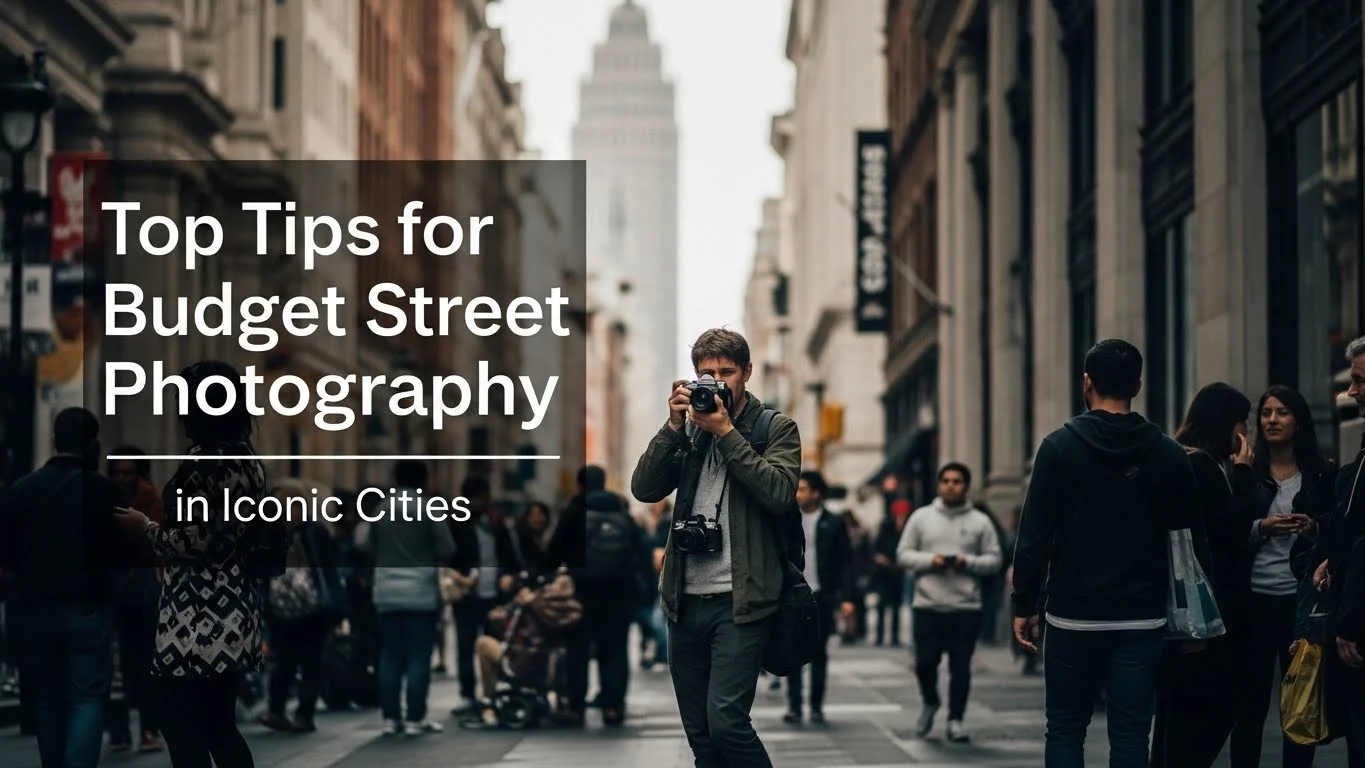
Street photography is a thrilling way to capture the essence of a city without breaking the bank. With my favorite tips and tricks, you can explore iconic urban landscapes while keeping your budget intact. Read Interesting article: The Ultimate Guide to Street Photography on a Budget
Understanding Street Photography
What is Street Photography?
Street photography, for me, is all about capturing the real, unfiltered moments of everyday life. It’s not just about snapping pictures; it’s about telling stories through images of people, places, and interactions in public settings. I’ve always found this genre fascinating because it allows me to connect with my surroundings and the people in it. Each photograph I take reflects a moment in time, a fleeting glimpse of life that often goes unnoticed. It’s like being a visual storyteller, where the streets become my canvas.
Key Principles of Street Photography
When I started my journey in street photography, I quickly learned that there are some key principles that can make or break your shots:
- Be Observant: I’ve realized that the best moments often happen when you least expect them. Staying alert and aware of your surroundings allows you to capture spontaneous events, from a child playing to an elderly couple sharing a laugh.
- Use Natural Light: Natural light can be your best friend. I love how different times of day can dramatically change the mood of my photos. Early mornings and late afternoons provide soft, warm light that adds a magical touch to any scene.
- Focus on Composition: Good composition can elevate an ordinary photograph into something extraordinary. I often think about the rule of thirds, where I try to place my subjects off-center for a more dynamic image.
- Embrace Imperfection: Not every shot will be perfect, and that’s okay. I’ve learned to appreciate the beauty in imperfections, whether it’s a blurry image or an unexpected element in the frame. It adds character to my work.
By keeping these principles in mind, I feel more confident in my ability to capture authentic moments in my photography.
Choosing Iconic Cities for Street Photography
Top Cities for Street Photography
Choosing the right city can truly enhance your street photography experience. Here are some of my favorite places to shoot:
New York City
New York City is a vibrant hub of culture and diversity. I love wandering through different neighborhoods, from the hustle of Times Square to the quiet streets of Greenwich Village. Every corner offers new stories waiting to be captured, whether it’s the street performers in Central Park or the busy commuters on Wall Street.
Paris
Paris feels like a dream for street photographers. The charming cafés, intricate architecture, and iconic landmarks like the Eiffel Tower provide endless opportunities for stunning shots. I often find myself wandering the cobblestone streets in search of candid moments that showcase the city’s romantic vibe.
Tokyo
Tokyo is a fascinating blend of tradition and modernity. I’ve had the joy of capturing the juxtaposition of ancient temples against neon-lit skyscrapers. In places like Shibuya Crossing, the energy is palpable, and every moment is a potential masterpiece.
Barcelona
Barcelona’s unique architecture and artistic flair make it a paradise for photographers. From the stunning Gaudí buildings to the lively streets of La Rambla, there’s an abundance of inspiration. I love how the colors and textures of this city bring my photos to life.
London
London is rich with history and character. I often find myself roaming through markets, parks, and along the Thames, capturing the everyday life of Londoners. The mix of cultures and the iconic red buses provide a wonderful backdrop for my street photography adventures.
Factors to Consider When Choosing a City
When selecting a city for street photography, I think about a few important factors:
Local Culture and Events
Understanding the local culture can significantly enhance your experience. I often research festivals, parades, or events happening during my visit, as they offer unique opportunities for vibrant shots. Experiencing a city’s culture firsthand helps me tell a richer story through my photos.
Vibrant Neighborhoods
Some neighborhoods are more photogenic than others. I like to explore areas known for their artistic flair or rich history. Each neighborhood has its own personality, and capturing that essence is what makes street photography so exhilarating.
Iconic Landmarks
While it’s easy to get caught up in the must-see attractions, I find that some of the most compelling photographs come from lesser-known locations. However, iconic landmarks can serve as great focal points, providing context to the bustling life around them. Balancing well-known spots with hidden gems can make for a powerful photography portfolio. Read Interesting article: Top 10 Street Photography Tips for Budget Backpackers
Street photography is a journey that takes us through the heart of our cities. As I share these tips and insights, I hope you feel inspired to grab your camera and explore. Each city has its own rhythm and stories waiting to be told, and I believe that, with a little creativity and the right approach, anyone can capture the beauty of everyday life on a budget.
Budget-Friendly Photography Gear
Essential Equipment for Street Photography
When I first started street photography, I thought I needed the most expensive gear to capture great shots. However, I quickly learned that it’s not about the price tag but rather how you use what you have. Here are some essential equipment tips that won’t break the bank.
Camera Options on a Budget
If you’re just getting started, I recommend looking for a good entry-level DSLR or mirrorless camera. I’ve used models like the Canon EOS Rebel series and the Fujifilm X-T200, which offer excellent image quality without being overly complicated or costly. If you’re more into compact gear, a point-and-shoot camera with manual settings could work wonders, too. I often carry my old Canon Powershot; it’s lightweight and easy to use, which makes it perfect for spontaneous street shots.
Affordable Lenses
Having a versatile lens can make all the difference in street photography. While prime lenses are often recommended for their sharpness and wide apertures, I found that a standard zoom lens (like a 18-55mm) can provide great flexibility. It allows you to get close to subjects while also capturing wider scenes. I’ve noticed that a 35mm or 50mm prime lens can be a great investment too, especially for low-light conditions. They can be found at reasonable prices, and the quality of images they produce is fantastic.
Smartphone Photography Tips
Don’t overlook your smartphone as a powerful tool for street photography! I’ve captured some of my favorite moments using just my phone. Most smartphones today come equipped with fantastic cameras. To elevate your smartphone photography, I recommend exploring different editing apps and staying mindful of your composition. Use the grid feature to align your shots, and don’t be afraid to experiment with angles and perspectives. I’ve found that shooting in RAW format (if available) gives me more editing flexibility later on.
Accessories to Enhance Your Experience
While the camera is crucial, the right accessories can make your shooting experience smoother and more enjoyable. Here are a few budget-friendly accessories that I always keep on hand.
Tripods and Stabilizers
While street photography often demands quick reflexes, having a small, portable tripod can be beneficial for longer exposures or low-light situations. I use a lightweight travel tripod that fits easily in my backpack. For those moments when I need extra stability, I’ve also discovered handheld stabilizers that work wonders for video. They’re not just for filmmakers; they can help create steady shots even in dynamic environments.
Bags and Protective Gear
Investing in a good camera bag is essential for protecting your gear while you’re out shooting. I prefer a messenger bag style that blends in with my surroundings, making me less conspicuous. It’s also helpful to have a rain cover or a weather-resistant bag, especially if you’re shooting in unpredictable weather. I’ve learned the hard way that keeping my equipment safe can save me from costly repairs.
Timing Your Photography Sessions
Best Times of Day for Street Photography
Timing can greatly impact the quality of your photos. I’ve found that certain times of the day can bring out the best in my images.
Golden Hour and Blue Hour
The golden hour, that magical time shortly after sunrise or before sunset, bathes everything in warm, soft light. I often plan my photography outings around this time, as it adds a beautiful glow to my subjects. Similarly, the blue hour, which occurs just after sunset, gives everything a cool tone that can create a moody atmosphere. I remember a particular evening in Paris when I captured the Eiffel Tower against a deep blue sky, and it was breathtaking.
Avoiding Crowds
While some might thrive in bustling environments, I prefer capturing moments when the streets are less crowded. Early mornings or late evenings are often perfect for this. I’ve experienced the joy of finding empty streets that allow me to focus on the details without the distraction of large groups. This can also enable a more intimate connection with my subjects.
Seasonal Considerations
Each season brings its own unique charm to street photography, and I’ve learned to adapt my approach based on the time of year.
Weather and Lighting Conditions
Different weather conditions can create distinct moods in your photos. I actually enjoy shooting on gray, overcast days, as the diffused light can enhance colors and create a more dramatic effect. On the other hand, sunny days can result in high contrast and vibrant colors. I’ve found that a little rain can also add depth to my shots, especially if I capture reflections in puddles.
Festivals and Events
Seasonal festivals and events provide fantastic opportunities for street photography. I make it a point to check local calendars when I’m planning a trip. Attending parades, street fairs, or cultural celebrations can give me access to a wealth of colorful scenes and lively interactions. I remember photographing a local street fair where the energy was contagious; the smiles and laughter of people made for some of my best shots. Read Interesting article: Capture the World: A Guide to Street Photography Abroad
Techniques for Capturing Iconic Images
Composition Tips for Street Photography
When I think about composition in street photography, I realize it’s like the backbone of every great shot. The way I frame my subjects can make all the difference between an ordinary image and something truly captivating. Here are some tips I’ve picked up along the way that can help elevate your shots.
Rule of Thirds
The rule of thirds is a classic guideline that I often keep in mind. By mentally dividing my frame into a 3×3 grid, I can position my subjects along these lines or at their intersections. This technique naturally draws the viewer’s eye and creates balance in my images. I remember a day in Barcelona when I captured a street musician playing against the backdrop of the famous Gaudí architecture. By placing him off-center, I was able to include more of the stunning buildings, which told a richer story.
Leading Lines and Framing
Leading lines can guide the viewer’s eye to the subject and create a sense of depth. I’ve found that streets, sidewalks, or even fences can serve as great lines to draw attention. Whenever I’m on the move, I look for these lines to enhance my composition. Another technique I love is framing my subject with surrounding elements, like doorways or trees. It adds context and makes the subject pop. I remember capturing an image of a couple framed by an archway in Paris, which added a whole new layer to their romantic moment.
Engaging with Subjects
One of the most rewarding aspects of street photography is the opportunity to connect with people. I’ve learned that engaging with my subjects can lead to some of my most authentic shots.
Building Rapport with Locals
Taking a moment to chat with someone before snapping their photo can create a more comfortable atmosphere. I’ve found that just a smile and a few friendly words can break the ice. Once, while photographing in Tokyo, I met a local artist who was setting up her mural. After a brief conversation about her work, she allowed me to capture her in action, and the resulting images were some of my favorites. It’s these connections that can transform a good photo into a great one.
Capturing Candid Moments
Candid shots have a special magic to them. I love those unguarded moments that truly reflect life as it is. To capture these, I try to be a bit of a fly on the wall. Standing back and observing, rather than forcing interactions, often yields the best results. I remember one afternoon in New York when I spotted a group of children playing in a park. Instead of approaching them directly, I quietly positioned myself nearby and captured their laughter and joy naturally. Those moments tell stories that posed portraits often can’t.
Finding Budget-Friendly Locations
Public Spaces and Parks
Public spaces and parks offer incredible opportunities for street photography and are usually free to access. I love visiting local parks because they tend to attract a variety of people. Whether it’s families, joggers, or artists, I find a wealth of stories waiting to be captured. I once spent an afternoon at a park in London, where I observed people from all walks of life. It was a treasure trove of candid moments, and I came away with some of my best work.
Local Markets and Festivals
Markets are another fantastic spot for street photography. The vibrant colors, lively interactions, and diverse characters create a dynamic atmosphere. I make it a point to explore local markets whenever I visit a new city. I recall wandering through a bustling market in Marrakech, where the scents and sounds were intoxicating. Capturing vendors interacting with customers and the unique goods they offered resulted in a collection of rich, storytelling images. Festivals, too, are filled with excitement and energy, perfect for capturing the spirit of a community.
Street Art and Murals
Street art and murals have become part of the urban landscape, and they offer striking backgrounds for street photography. I often seek out neighborhoods known for their art scenes. A colorful mural can serve as a fantastic backdrop, adding depth and interest to my subjects. I remember stumbling upon a vibrant mural in Wynwood, Miami, where the colors popped against the blue sky, creating a perfect canvas for portraits. Combining urban art with candid street moments can result in visually compelling images.
Post-Processing on a Budget
Free and Affordable Editing Software
Once I’ve captured my images, the editing process is essential to bring out their full potential. Luckily, there are some fantastic free and affordable options out there.
Lightroom Alternatives
While Adobe Lightroom is a popular choice, I’ve discovered some great alternatives that won’t hurt my wallet. Programs like Darktable and RawTherapee offer many similar features and are free to use. I appreciate how they provide the tools I need to adjust exposure, contrast, and color balance without the subscription fees. I spent some time learning the ins and outs of these programs, and now they’re staples in my editing workflow.
Mobile Editing Apps
For quick edits on the go, I rely on mobile apps like Snapseed and VSCO. These apps offer powerful editing tools right at my fingertips. I love using Snapseed’s selective adjust feature to fine-tune specific areas of my photos. And with VSCO, I can apply beautiful filters that enhance the mood of my images. Editing on my phone has opened up a new level of convenience, especially when I want to share my work instantly on social media.
Basic Editing Techniques for Street Photography
Knowing some basic editing techniques can make a huge difference in your final images. I’ve developed a few go-to methods that I always apply.
Adjusting Exposure and Contrast
Getting the exposure right is crucial. Sometimes, I find my images are slightly underexposed or overexposed. I like to use the histogram as a guide to correct these issues during editing. Additionally, adjusting contrast can help my images pop. I often increase contrast to add depth and make details stand out, which brings life to my street scenes.
Enhancing Colors and Details
Enhancing colors and sharpening details can transform an image. I usually play around with saturation and vibrance to make colors more vivid, especially in busy markets or festivals. I’ve also learned the importance of sharpening my images to emphasize details, whether it’s the texture of a wall or the expression on a person’s face. These small tweaks contribute immensely to the overall impact of my photographs.
Sharing Your Work
Social Media Platforms for Photographers
In today’s digital age, sharing our photography has never been easier. I’ve found that social media platforms provide wonderful avenues for showcasing my work and connecting with other photographers.
Instagram Tips for Street Photographers
Instagram has been a game-changer for me. It’s a visual platform that allows me to curate my street photography portfolio and reach a wider audience. I make sure to use relevant hashtags to increase visibility and engage with fellow photographers. I’ve also started sharing behind-the-scenes stories through Instagram Stories, which has helped me connect with my audience on a more personal level. This interaction can lead to valuable feedback and even collaborations!
Using Photography Communities
Online photography communities, like Flickr or 500px, offer great platforms to share my work and receive constructive criticism. I appreciate the diverse perspectives I encounter in these communities. It’s a wonderful way to learn and grow as a photographer. Engaging in discussions, participating in challenges, and sharing techniques has been incredibly enriching for my photography journey.
Building a Portfolio Without Breaking the Bank
Creating a portfolio is essential for showcasing my work, but I’ve learned that I don’t have to spend a fortune to do so.
Free Portfolio Websites
There are several free portfolio websites that allow me to display my work beautifully. Platforms like Wix and WordPress enable me to create personalized galleries without any costs. I love being able to professionally present my best images online while keeping everything budget-friendly.
Networking with Other Photographers
Networking with fellow photographers can lead to incredible opportunities. I often attend local meetups or workshops, which allow me to connect with others who share my passion. I’ve forged friendships that lead to collaborative projects and even joint exhibitions. It’s all about building a community that inspires and supports one another, and it doesn’t have to cost a thing.
Frequently Asked Questions
What is street photography?
Street photography is about capturing real, unfiltered moments of everyday life, telling stories through images of people, places, and interactions in public settings. It reflects fleeting glimpses of life that often go unnoticed, making the streets a canvas for visual storytelling.
What are some key principles of street photography?
Key principles include being observant to capture spontaneous moments, using natural light for mood enhancement, focusing on composition (like the rule of thirds), and embracing imperfections in photographs to add character.
Which cities are recommended for street photography?
Recommended cities include New York City for its cultural diversity, Paris for its romantic vibe and architecture, Tokyo for its blend of tradition and modernity, Barcelona for its artistic flair, and London for its rich history and character.
What factors should be considered when choosing a city for street photography?
Important factors include the local culture and events, vibrant neighborhoods known for their character, and iconic landmarks that can serve as focal points for photographs.
What budget-friendly equipment is recommended for street photography?
For budget-friendly equipment, entry-level DSLR or mirrorless cameras are recommended, along with versatile lenses like a standard zoom lens (18-55mm) or prime lenses (35mm or 50mm). Smartphones can also be effective tools for capturing street photography.
What are the best times of day for street photography?
The best times for street photography are during the golden hour (shortly after sunrise or before sunset) for warm light, and the blue hour (just after sunset) for a cool tone. Early mornings or late evenings are also ideal for avoiding crowds.
How can seasonal considerations affect street photography?
Seasonal considerations can influence the mood of photos, as different weather conditions can create distinct atmospheres. Attending seasonal festivals and events can provide vibrant opportunities for capturing lively scenes.
What composition techniques can enhance street photography?
Techniques include using the rule of thirds to create balance, employing leading lines to guide the viewer’s eye, framing subjects with surrounding elements, and engaging with subjects to capture authentic moments.
What are some budget-friendly locations for street photography?
Public spaces and parks, local markets and festivals, and areas with street art and murals are excellent budget-friendly locations that provide diverse opportunities for capturing compelling images.
How can photographers share their work effectively?
Photographers can share their work on social media platforms like Instagram, using relevant hashtags and engaging with their audience. Joining online photography communities like Flickr or 500px can also provide constructive feedback and networking opportunities.