
Community-based tourism offers travelers an incredible opportunity to connect with local cultures and support communities. However, engaging responsibly is essential to ensure that our impact is positive and sustainable. Read Interesting article: How Community-Based Tourism Supports Local Cultures and Economies
Understanding Community-Based Tourism
Definition of Community-Based Tourism
When I first heard about community-based tourism (CBT), I was intrigued. It’s different from traditional tourism because it focuses on the community’s needs and perspectives. CBT involves local people in the planning and management of tourism initiatives, allowing them to share their culture, traditions, and environment with visitors. This model not only promotes cultural exchange but also empowers communities economically and socially. I’ve come to appreciate how CBT can create genuine connections between travelers and locals, fostering mutual respect and understanding.
Benefits for Local Communities
One of the first things I noticed when I began exploring community-based tourism was how beneficial it is for local communities. By participating in CBT, communities can showcase their heritage and earn income directly from visitors. This empowers them to invest in their own development, such as building schools, improving healthcare, or preserving local traditions. For instance, I once visited a village in Guatemala where the local women created beautiful textiles. They shared their stories and skills, and I could see how proud they were to sustain their craft. Seeing firsthand how tourism helped these women achieve financial independence was truly inspiring. Read Interesting article: The Best Community-Based Tourism Destinations for Eco-Travellers
Impact on Local Economies
Beyond individual stories, community-based tourism has a broader impact on local economies. When travelers choose CBT, they often spend money on local accommodations, restaurants, and shops instead of large, international chains. This keeps the money circulating within the community. I remember dining at a family-owned restaurant in a small village in Peru, where each meal was prepared with love and local ingredients. Not only did I enjoy a delicious meal, but I also felt good knowing my money was supporting the family and their neighbors. It’s a win-win situation that can lead to sustainable economic growth and a more resilient community.
Why Responsible Tourism Matters
Environmental Sustainability
As I continued my journey into responsible tourism, I learned that sustainability is a crucial aspect of engaging with communities. Environmental sustainability means making choices that protect the natural environment of the places we visit. I’ve seen beautiful landscapes transformed by careless tourism practices, which can lead to pollution, wildlife disruption, and habitat destruction. That’s why I always seek to leave a place better than I found it. Simple actions, like eliminating plastic waste or choosing eco-friendly accommodations, can make a significant difference.
Cultural Preservation
Another essential aspect of responsible tourism is cultural preservation. I believe it’s vital to respect and honor the traditions of the communities we visit. Many cultures are at risk of disappearing due to globalization and mass tourism. When I traveled to a remote island in Indonesia, I was struck by how the locals maintained their customs despite the pressures of modern society. I made a conscious effort to learn about their rituals and participate respectfully. This not only deepened my appreciation for their way of life but also helped preserve their culture by showing interest and respect.
Supporting Local Economies
Supporting local economies is a common theme in responsible tourism. I often reflect on how my travel choices affect the communities I visit. Opting to buy handmade crafts or eat at locally owned restaurants creates jobs and sustains livelihoods. For instance, during my travels in India, I visited a small market where artisans showcased their work. I made sure to purchase directly from them, knowing that my support would help them thrive. This kind of engagement fosters a sense of community and creates lasting relationships between travelers and locals.
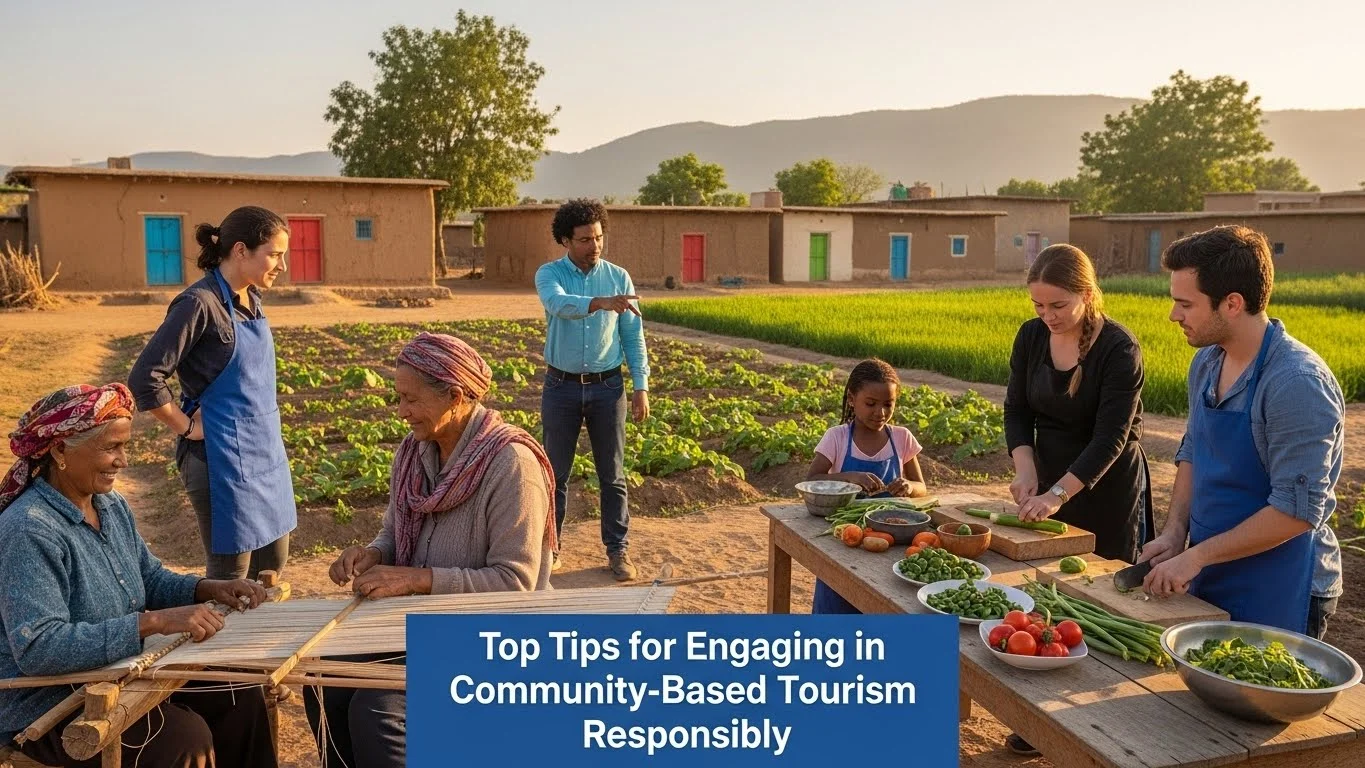
Top Tips for Engaging in Community-Based Tourism Responsibly
1. Research the Community
Before visiting a community, I always spend time researching their culture, values, and challenges. Understanding the context helps me approach my visit with sensitivity and respect. Websites, documentaries, and travel blogs can provide a wealth of information. I found that engaging with the community’s history and social issues before traveling makes my experience richer and more meaningful. Read Interesting article: Explore Community-Based Tourism: Your Guide to Responsible Adventures
2. Choose Local Guides and Services
When I travel, I prioritize hiring local guides and using community-run services. These individuals offer insights that you won’t find in guidebooks, and you support their livelihoods directly. On a recent trip to Costa Rica, my local guide shared his deep knowledge of the rainforest and its ecosystems, enhancing my appreciation of the area. Plus, it felt good to know that my choice benefited the community.
3. Respect Local Cultures and Traditions
I believe that respecting local cultures is paramount. This means being aware of customs, dress codes, and photography rules. For example, when visiting sacred sites, I always dress modestly and ask for permission before taking photos. During my travels in Japan, I learned the importance of bowing as a greeting, which enriched my interactions with locals. It’s the little things that can make a big difference in how we are perceived.
4. Engage with Community Projects
Finding ways to engage with community projects can greatly enhance your experience and contribute positively. I often look for opportunities to volunteer or participate in community activities. When I visited a village in Thailand, I joined a rice planting activity, which not only helped the locals but also allowed me to learn about their agricultural practices. It was a rewarding experience that created lasting memories.
5. Practice Sustainable Travel Habits
Practicing sustainable travel habits is a commitment I take seriously. Simple actions, like reducing plastic use, conserving water, and being mindful of energy consumption, can significantly lessen our environmental footprint. For instance, I always carry a reusable water bottle and a cloth bag to avoid single-use plastics while traveling. These small changes can lead to a more sustainable way of exploring.
6. Be Mindful of Your Environmental Impact
Being mindful of our environmental impact is crucial when we travel. I’ve seen firsthand how tourism can strain natural resources. When visiting fragile ecosystems, I make sure to follow guidelines and stay on marked trails. For example, during my visit to the Galapagos Islands, I was amazed at how strict the regulations were. This helped preserve the unique biodiversity of the islands, and I felt proud to contribute to their protection.
7. Support Local Businesses and Artisans
Finally, I always seek to support local businesses and artisans. Buying handmade items or dining at local restaurants not only enriches my experience but also strengthens the economic foundation of the community. I’ve learned that these purchases often come with stories and cultural significance, making them cherished souvenirs that remind me of my travels.
Common Pitfalls to Avoid in Community-Based Tourism
Exploitation of Local Resources
As I delved deeper into community-based tourism, I became increasingly aware of the potential pitfalls that can arise. One of the biggest issues is the exploitation of local resources. It’s easy to overlook how our presence can strain community assets, such as water, food, and even cultural heritage. For example, I once visited a beautiful village known for its stunning landscapes and rich traditions. However, I learned that the influx of tourists had led to overfishing and depletion of local resources, which threatened the very fabric of their way of life. This experience made me realize that while we seek to enjoy and learn, we must also be vigilant about how our actions affect the communities we visit. It’s crucial to ask ourselves: Are we consuming more than we should? Are our activities sustainable? Awareness is key to preventing exploitation.
Disrespecting Local Customs
Another common pitfall is disrespecting local customs, which can have lasting negative effects on community relationships. I remember traveling to a rural area where I was welcomed warmly, but I accidentally made a cultural faux pas. I wore shoes inside a local home, not realizing it was a sign of disrespect. The look on my host’s face made me feel terrible, and I quickly understood that being mindful of customs is essential. I learned to ask questions, observe local behaviors, and be open to guidance on how to act. Respecting traditions not only enriches our experiences but also helps build trust and rapport with the community. In my travels, I’ve found that taking a moment to understand local customs can lead to more genuine interactions and avoid misunderstandings.
Overtourism and Its Effects
Overtourism is a term that’s been gaining traction, and for good reason. I’ve experienced firsthand how too many travelers can overwhelm a small community, leading to negative consequences for both residents and the environment. On a trip to a popular destination, I was shocked by the crowding and the strain it put on local services. The beauty that once drew us there was marred by litter and noise. It was a wake-up call for me to understand that not all places can handle the same level of tourism. I realized that while I want to explore new cultures, I also have a duty to seek out alternatives and less-visited locations. By spreading out our travel habits, we can help preserve the charm of these hidden gems and reduce the pressure on heavily trafficked areas.
How to Choose Ethical Community-Based Tourism Experiences
Identifying Certified Ethical Operators
Choosing ethical community-based tourism experiences can be a game changer. I’ve learned that one of the best ways to ensure that my travel supports local communities is to look for certified ethical operators. These organizations often go through rigorous assessments to ensure they benefit local people and the environment. I remember feeling relieved when I found a travel company that had certifications from recognized ethical tourism organizations. They provided insights into how they worked with communities, ensuring that profits were shared and sustainable practices were followed. Researching these operators before booking a trip has become a key part of my planning process. It gives me peace of mind knowing that my travels are making a positive impact.
Reading Reviews and Testimonials
Another important step in choosing ethical experiences is to read reviews and testimonials. I often rely on feedback from other travelers who have engaged in community-based tourism. Their stories can shed light on the authenticity of the experience and the operator’s commitment to ethical practices. I remember reading about a family who visited a village where local guides led their tour. They spoke highly of the personal connections they made, which made me feel confident about pursuing a similar experience. Reviews can help me gauge whether a tourism initiative genuinely benefits the community or if it’s merely a facade for profit.
Evaluating the Impact of Your Visit
Finally, I’ve found it essential to evaluate the impact of my visit. Before I travel, I think about the kind of footprint I want to leave. I’ve asked myself questions like: Will my presence help or hinder? I try to seek experiences that leave a lasting, positive effect on the community. For instance, I once volunteered for a day at a local school while visiting a rural town. I helped paint classrooms and engage with children, which felt rewarding and provided tangible support to the community. It’s experiences like these that remind me of the importance of being intentional about how I engage with the places I visit. Understanding the potential impact of my presence shapes my travel choices, making them more meaningful and responsible.
Success Stories of Community-Based Tourism
Case Study: The Maasai Community in Kenya
One of the most compelling success stories I came across during my exploration of community-based tourism is the Maasai community in Kenya. Here, I discovered that tourism has been harnessed to create sustainable livelihoods for the Maasai people while preserving their cultural heritage. I was fortunate enough to visit a Maasai village where the locals shared their traditions, dances, and crafts with visitors. The income generated from tourism directly supports their schools and healthcare initiatives. Witnessing how they balanced preserving their identity with welcoming travelers was truly inspiring. It reinforced my belief that when done right, community-based tourism can empower locals and create a mutually enriching experience.
Case Study: The Tribal Villages of Thailand
Another remarkable example is the tribal villages in Thailand, where community-based tourism has flourished. I visited a village where the Karen people offered immersive experiences, from learning about their weaving techniques to participating in traditional cooking classes. I noticed how the income from these activities empowered them to maintain their lifestyle and improve their living conditions. It was heartwarming to see how they embraced visitors while sharing their rich history. This experience not only enriched my understanding of their culture but also allowed me to contribute to their ongoing development in a respectful manner.
Case Study: Indigenous Tourism in Canada
In Canada, Indigenous tourism has emerged as a powerful way to reconnect with the land and culture. During my travels, I participated in a guided tour led by an Indigenous elder who shared stories and insights about the land’s history and significance. This experience opened my eyes to the importance of recognizing Indigenous rights and preserving their traditions. The earnings from tourism directly benefit the community, allowing them to invest in cultural preservation and education. I felt honored to be part of an experience that not only educated me but also supported the revival of a rich cultural heritage.
Resources for Responsible Community-Based Tourism
Books and Articles on Responsible Tourism
Finding the right resources can significantly enhance our understanding of responsible community-based tourism. I remember picking up a book called “The New Tourist: A Guide to Responsible Travel,” which opened my eyes to various aspects of sustainable tourism. It not only offered practical tips but also shared compelling stories from travelers who made a positive impact on the communities they visited. Another great read is “Overbooked: The Exploding Business of Travel and Tourism” by Elizabeth Becker. This book dives deep into the tourism industry and its implications on local cultures and environments. These kinds of resources have helped me develop a more conscientious approach to my travels, making my experiences richer and more fulfilling.
Websites and Organizations Promoting Ethical Travel
While exploring community-based tourism, I stumbled upon various websites and organizations dedicated to promoting ethical travel. One of my favorites is the Responsible Travel website, where I found numerous trips that focus on supporting local communities. They have a great selection of tours that are vetted for their ethical practices, ensuring that travelers can engage meaningfully. Another organization I highly recommend is the Global Sustainable Tourism Council (GSTC), which sets global standards for sustainable tourism. Their website is a treasure trove of information about best practices and certified operators. Engaging with these resources has made me feel more connected to the broader movement towards responsible tourism.
Online Courses for Responsible Tourism Practices
In my quest to become a more responsible traveler, I also discovered online courses focusing on sustainable tourism practices. Platforms like Coursera and edX offer courses tailored to various aspects of responsible travel, from understanding the impacts of tourism to learning how to implement sustainable practices on the ground. I took a course called “Sustainable Tourism: Society & Environmental Aspects” which provided valuable insights into how tourism affects local communities and what we can do to mitigate those effects. Participating in these courses not only expanded my knowledge but also empowered me to make informed choices during my travels.
As I ventured deeper into community-based tourism, I realized that the journey doesn’t end with just understanding and engaging responsibly. It’s also about sharing what I’ve learned with others. I often find myself discussing my experiences with friends and family, encouraging them to think critically about their travel choices. I believe that conversations about responsible tourism can ripple outwards, inspiring others to join the movement and help create a more sustainable future for travel. So, as we explore the world, let’s keep seeking knowledge, sharing resources, and advocating for responsible tourism practices that uplift communities and preserve the beauty of our planet.
Frequently Asked Questions
What is community-based tourism (CBT)?
Community-based tourism (CBT) focuses on the needs and perspectives of local communities. It involves local people in the planning and management of tourism initiatives, allowing them to share their culture, traditions, and environment with visitors.
How does community-based tourism benefit local communities?
CBT allows communities to showcase their heritage and earn income directly from visitors, enabling them to invest in their development, such as building schools and improving healthcare. This model empowers communities economically and socially.
What are the environmental sustainability practices in responsible tourism?
Environmental sustainability in responsible tourism involves making choices that protect the natural environment, such as reducing plastic waste, choosing eco-friendly accommodations, and being mindful of resource consumption.
Why is cultural preservation important in community-based tourism?
Cultural preservation is vital because many local cultures are at risk of disappearing due to globalization and mass tourism. Respecting and honoring local traditions helps maintain cultural identity and fosters mutual respect.
What are some tips for engaging in community-based tourism responsibly?
Some tips include researching the community before visiting, choosing local guides and services, respecting local cultures and traditions, engaging with community projects, practicing sustainable travel habits, and supporting local businesses and artisans.
What are common pitfalls to avoid in community-based tourism?
Common pitfalls include the exploitation of local resources, disrespecting local customs, and contributing to overtourism, which can overwhelm small communities and strain local services and environments.
How can travelers choose ethical community-based tourism experiences?
Travelers can choose ethical experiences by identifying certified ethical operators, reading reviews and testimonials from other travelers, and evaluating the potential impact of their visit on the community.
Can you provide examples of successful community-based tourism initiatives?
Examples include the Maasai community in Kenya, where tourism supports their schools and healthcare, tribal villages in Thailand that offer immersive experiences, and Indigenous tourism in Canada that promotes cultural preservation and education.
What resources are available for responsible community-based tourism?
Resources include books and articles on responsible tourism, websites and organizations that promote ethical travel, and online courses focused on sustainable tourism practices.
How can travelers advocate for responsible tourism practices?
Travelers can advocate for responsible tourism by sharing their experiences and knowledge with others, encouraging discussions about travel choices, and inspiring others to join the movement towards sustainable travel that uplifts communities.