
Traveling can be an adventure, but it can also become a rewarding experience when we connect with wildlife conservation. Let’s explore affordable ways to make a positive impact while enjoying our travels!
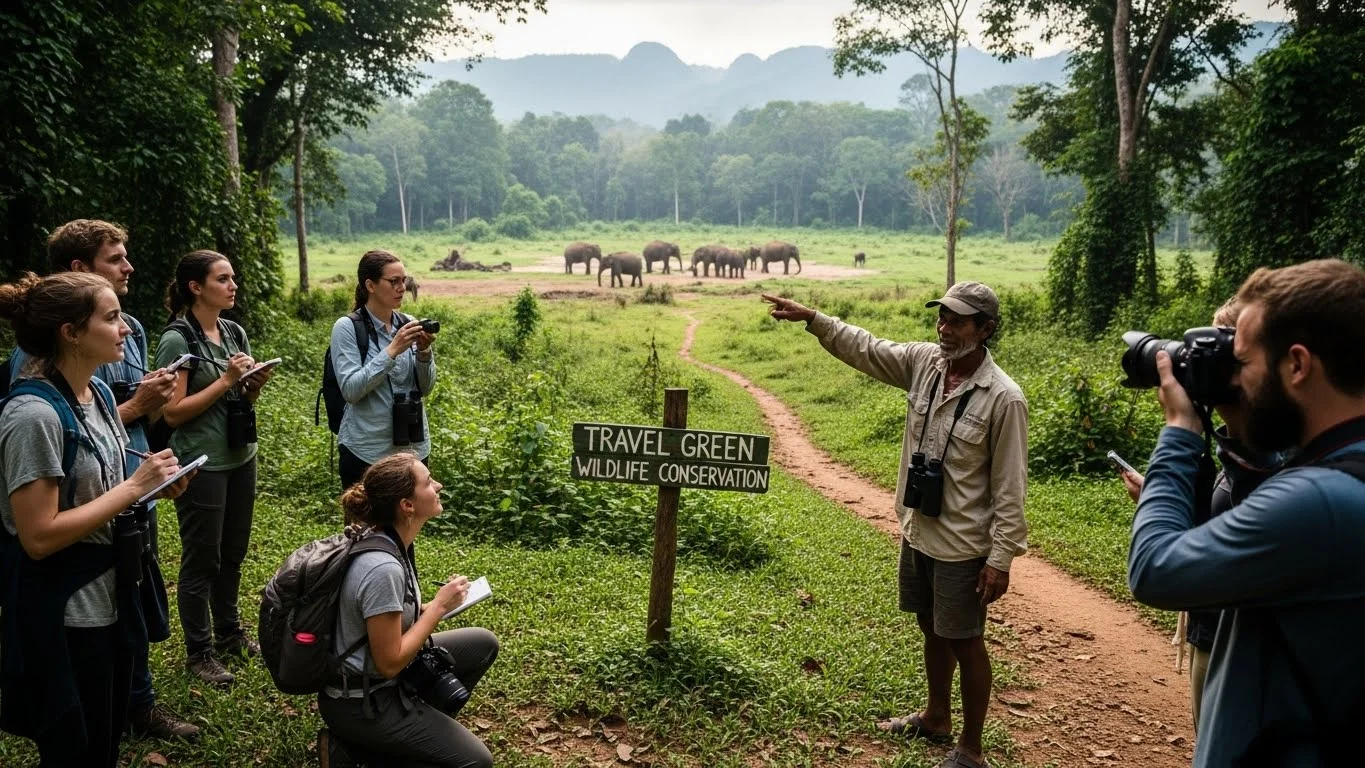
Understanding Wildlife Conservation
What is Wildlife Conservation?
Wildlife conservation is all about protecting our planet’s animals and their habitats. I remember the first time I truly understood this concept during a trip to a national park. I was fascinated by the idea that by preserving these natural spaces, we could help maintain biodiversity and ensure that future generations can enjoy the same beauty. Conservation involves a range of activities, including habitat restoration, protecting endangered species, and promoting sustainable practices. It’s a movement that not only respects nature but also acknowledges our responsibility to care for it.
The Importance of Wildlife Conservation
The importance of wildlife conservation hit me hard when I learned about the rapid decline of certain species. For instance, I read about the plight of elephants, whose populations are diminishing due to poaching and habitat loss. Each species plays a unique role in its ecosystem, and when one goes extinct, it can lead to catastrophic changes. I believe that wildlife conservation is crucial for maintaining the balance of our ecosystems, which in turn supports human life. It’s not just about saving cute animals; it’s about preserving the intricate web of life that sustains us all.
Key Species and Ecosystems in Need of Protection
During my travels, I’ve encountered various species that are desperately in need of protection. For example, the coral reefs I snorkeled in during a trip to the Caribbean were stunning but threatened by climate change and pollution. I learned that these reefs are vital for marine life and coastal protection. Additionally, I’ve seen how rainforests are being logged at alarming rates, endangering countless species. The plight of the orangutans in Indonesia became personal for me as I realized their habitat was disappearing due to palm oil plantations. It makes me feel a sense of urgency to contribute to conservation efforts and raise awareness about these critical issues. Read Interesting article: Wildlife Conservation Tours: A Guide to Eco-Travel
Affordable Wildlife Conservation Experiences
Volunteering Opportunities
One of the most fulfilling ways to get involved in wildlife conservation is through volunteering. There are numerous organizations that offer affordable programs, allowing you to work on the front lines of conservation. I decided to join a volunteer project focused on elephant rehabilitation in Thailand, and it was an eye-opening experience. Not only did I learn about the challenges these magnificent creatures face, but I also made friendships with like-minded individuals who shared my passion for helping wildlife. Volunteering can range from hands-on work in animal care to educational outreach in local communities, all while being affordable and impactful.
Eco-Tourism Packages
Eco-tourism is another fantastic option for those looking to travel green without breaking the bank. I’ve found that many tour operators offer eco-friendly packages that combine wildlife viewing with conservation efforts. For example, a trip to Costa Rica allowed me to explore lush rainforests while supporting local conservation initiatives. These packages often include activities like guided hikes, birdwatching, and even workshops on sustainable practices, making them both educational and enjoyable. I believe that eco-tourism is a win-win: you get to experience nature while contributing to its preservation. Read Interesting article: Eco-Conscious Adventures: Best Wildlife Conservation Trips
Wildlife Safaris on a Budget
When I think of wildlife safaris, I often picture lavish lodges and high costs. However, I discovered that there are budget-friendly options available. During my trip to Kenya, I opted for a camping safari and was amazed by how affordable and immersive it was. Sleeping under the stars and hearing the sounds of the savannah was a magical experience. Many national parks have affordable camping facilities, and being out in nature brings you closer to the animals. For anyone looking to experience wildlife up close, I highly recommend considering budget safaris that prioritize conservation.
Conservation-focused Travel Agencies
Finding the right travel agency can make a world of difference. I’ve worked with agencies that focus specifically on conservation, ensuring that my travel choices benefit wildlife and local communities. They often have partnerships with conservation organizations, so you can be confident that a portion of your travel fees goes directly to support important projects. These agencies can help tailor your trip to include unique conservation experiences, whether it’s participating in a turtle hatchery or working alongside rangers in a national park. It’s reassuring to know that my travel can have a positive impact.
Top Destinations for Wildlife Conservation
National Parks and Reserves
National parks and reserves are often the crown jewels of wildlife conservation. I’ve been fortunate enough to visit several, and each experience has opened my eyes to the beauty and importance of these protected areas. For instance, my trip to Yellowstone National Park was unforgettable. Watching bison roam freely and spotting wolves in their natural habitat was a reminder of why we need to protect these lands. National parks not only provide sanctuary for endangered species but also offer us a chance to connect with nature. Many parks run programs that allow visitors to participate in conservation efforts, such as tree planting or wildlife monitoring. I recommend checking out the volunteer opportunities available in parks near you; it’s a rewarding way to give back while enjoying breathtaking scenery.
Wildlife Sanctuaries
Wildlife sanctuaries are another fantastic destination for conservation-minded travelers. I remember visiting a sanctuary in South Africa dedicated to rehabilitating injured animals. The staff members were passionate and knowledgeable, sharing stories about the animals they cared for. It was heartwarming to see how much these creatures thrived in an environment designed for their recovery. Sanctuaries often allow visitors to engage with the animals in a responsible way, which deepens our understanding of their needs and struggles. I think one of the most impactful things I learned was how critical it is to support these sanctuaries through visits and donations, as they rely heavily on public support to continue their vital work.
Marine Conservation Areas
When it comes to wildlife conservation, we can’t forget about our oceans. Marine conservation areas, like the Great Barrier Reef in Australia, are vital for preserving marine biodiversity. I had the chance to snorkel there, and the vibrant coral and diverse fish species left me in awe. However, I also noticed the impacts of climate change and pollution on this incredible ecosystem. Visiting marine protected areas often includes educational programs that inform us about conservation efforts and how we can help. I believe that supporting these areas not only helps the marine life but also enriches our travel experiences. I encourage everyone to consider destinations that prioritize marine conservation; you’ll find beauty and purpose beneath the waves.
Community-based Conservation Projects
Community-based conservation projects are a fantastic way to immerse yourself in both wildlife protection and local culture. I had a wonderful experience volunteering with a community project in Madagascar, where locals were leading efforts to protect endangered lemurs. It was inspiring to see how the community worked together, using traditional knowledge to promote conservation while also improving their livelihoods. This kind of travel allows you to contribute directly to the well-being of both wildlife and the people who live alongside them. I think it’s crucial to support these initiatives, as they foster a sense of ownership and responsibility for local ecosystems among community members. Read Interesting article: Budget-Friendly Wildlife Tours: Travel Green on a Dime
Practical Tips for Traveling Green
Choosing Sustainable Accommodations
When it comes to planning a wildlife conservation trip, selecting sustainable accommodations is a great first step. I’ve learned to seek out eco-friendly lodges that prioritize conservation practices. For example, during my stay in Costa Rica, I found a lodge that sourced its energy from solar power and used local materials in its construction. It felt good knowing that my choice was supporting the environment. Many lodges also engage in community initiatives, like providing jobs for locals or supporting conservation projects. I recommend doing a little research to find places that align with your values, as it makes your travel experience even more meaningful.
Eco-friendly Transportation Options
Transportation can significantly impact the environment, so I always try to choose eco-friendly options when I travel. I remember taking a train instead of flying during one trip; it was not only more sustainable but also offered stunning views of the countryside. Many cities have excellent public transportation systems or bike-sharing programs that are both budget-friendly and reduce carbon footprints. I also consider carpooling with other travelers or using electric vehicles when available. Making conscious choices about how we get around can help reduce our impact while still allowing us to explore new destinations.
Responsible Wildlife Viewing Practices
Responsible wildlife viewing is essential to ensure that our presence doesn’t disturb animals or their habitats. I’ve learned to maintain a respectful distance and to observe animals without chasing or feeding them. During a trip to a wildlife reserve, I encountered a family of elephants. I was thrilled to see them up close but made sure to stay in my vehicle and let them move freely. Following guidelines set by the park or sanctuary staff is crucial; they know what’s best for the animals. I believe that by practicing responsible viewing, we can enjoy wildlife while also supporting conservation efforts.
Supporting Local Communities
Supporting local communities is a vital aspect of traveling green and contributing to wildlife conservation. I’ve often found that buying local crafts, eating at locally-owned restaurants, or participating in community-led tours not only enriches my travel experience but also helps preserve cultural heritage and support sustainable practices. On my trip to a reserve in India, I chose to stay with a local family. They shared their traditions and knowledge about the surrounding wildlife, creating a deeper connection between us and the land. I think that strengthening ties with local communities can enhance our understanding of conservation and foster a sense of shared responsibility.
How to Plan Your Wildlife Conservation Trip
Researching and Selecting Projects
Planning a wildlife conservation trip can be both exciting and daunting. When I started looking into projects, I discovered that doing thorough research was essential. I began by exploring various organizations and their missions. Websites like VolunteerMatch and local conservation groups provided me with a wealth of information. I remember reading reviews and testimonials from previous volunteers, which helped narrow down my choices. It’s important to select a project that resonates with your values and interests. For instance, if you’re passionate about marine life, you might focus on projects that protect coral reefs or work with sea turtles. I found that aligning my skills with the needs of the organization made my experience even more rewarding.
Budgeting for Your Experience
Budgeting is a key part of planning a successful wildlife conservation trip. I learned to break down my expenses into categories: travel, accommodation, food, and project fees. For me, it was helpful to create a spreadsheet to visualize my budget. I found that many volunteering programs are affordable and sometimes even cover accommodation and meals. However, I always set aside extra funds for unexpected costs, like souvenirs or tips for local guides. One of my favorite budgeting tips is to look for group discounts or early bird rates, especially if you’re traveling with friends. This way, we could enjoy our adventures without overspending.
Best Times to Visit Conservation Areas
Timing your trip is crucial for a fulfilling wildlife experience. I often found that different seasons can significantly impact wildlife behavior and conservation efforts. For example, I remember planning my trip to Tanzania during the wildebeest migration, which was a breathtaking sight. Researching the best times to visit specific regions helped me maximize my experience. I also learned that some conservation projects have peak seasons when they need more volunteers, so visiting during these times can be beneficial for both the organization and travelers. I recommend checking local climate patterns and migration schedules to plan your visit effectively.
What to Pack for Wildlife Conservation Travel
Packing for a wildlife conservation trip can be both fun and practical. I found that bringing the right gear is essential for comfort and safety. My experience taught me to prioritize lightweight, breathable clothing and sturdy footwear, especially for outdoor activities. I also made sure to pack essentials like sunscreen, insect repellent, and a reusable water bottle to stay hydrated. One item that I found invaluable was a good pair of binoculars for wildlife watching; it allowed me to observe animals from a distance without disturbing them. I recommend creating a checklist before your trip to ensure you don’t forget any important items. It’s also a great idea to bring along any specialty gear that the project might require, such as gloves or specific tools.
Personal Stories and Testimonials
Volunteering Experiences from Around the World
I’ve met so many inspiring individuals during my wildlife conservation journeys, and their stories truly highlight the impact of volunteer work. For instance, while volunteering in a sanctuary for orphaned elephants in Sri Lanka, I came across a young woman from Germany who had been volunteering for several months. She shared how she had developed a bond with one particular elephant named Gaya, who had a tragic past. Her dedication to Gaya’s rehabilitation was heartwarming, and it showed me the personal connections that can form through conservation work. I learned that these experiences not only change the wildlife involved but also deeply enrich the lives of the volunteers.
Impact of Eco-Tourism on Local Communities
During my travels, I’ve witnessed firsthand how eco-tourism can transform local communities. In Costa Rica, I visited a small village where the community had embraced eco-tourism as a sustainable way to support their economy. The locals were passionate about sharing their culture and knowledge of the environment. I joined a tour where we learned about traditional farming practices and even participated in a cacao ceremony. This interaction not only provided me with an authentic experience but also empowered the community financially. I truly believe that when travelers choose eco-friendly options, they help create a ripple effect of positive change.
Success Stories in Wildlife Conservation
One of the most uplifting aspects of wildlife conservation is hearing success stories that inspire hope. I remember reading about a remarkable project in South Africa focused on saving the black rhino from extinction. Through dedicated efforts, including anti-poaching patrols and community education, the population began to recover. I felt a surge of joy knowing that people’s hard work was making a difference. These success stories serve as a reminder that every small action contributes to the larger goal of conserving our planet’s wildlife. Sharing these stories can motivate others to join the movement and believe that change is possible.
Frequently Asked Questions (FAQs)
What is the cost of wildlife conservation trips?
When I started looking into wildlife conservation trips, I was pleasantly surprised to find a wide range of options that fit various budgets. The costs can vary greatly depending on the destination, type of project, and duration of the stay. For some volunteer programs, the fees can start as low as a few hundred dollars for a week, which often includes accommodations and meals. However, I’ve also seen more extensive programs that can cost a couple of thousand dollars. It’s important to research what’s included in the fee and to look for programs that are transparent about their costs. I believe that even on a budget, there are meaningful ways to contribute to conservation efforts.
Are there age restrictions for volunteering?
I’ve noticed that age restrictions can vary depending on the organization and the specific project. Many programs welcome volunteers of all ages, while others may have minimum age requirements, often ranging from 16 to 18 years. During my time volunteering, I met families who traveled together, which was heartwarming to see. If you’re planning to take children along, I recommend looking for family-friendly programs that are designed to engage younger volunteers. It’s a wonderful opportunity for them to learn about wildlife conservation firsthand.
How can I ensure my trip is eco-friendly?
Ensuring that your trip is eco-friendly is something I’ve become more conscious of over the years. I find that doing a little research can go a long way. Look for accommodations that have sustainability certifications, use local and organic foods, and support conservation initiatives. Additionally, I always try to minimize my plastic use by bringing a reusable water bottle and shopping bag. Choosing eco-friendly transportation options, like trains or buses, can also help reduce your carbon footprint. I believe that every small effort counts, and it’s fulfilling to know that we can make a positive impact while traveling.
What kind of work will I be doing during conservation experiences?
The type of work during conservation experiences can vary significantly depending on the project and location. I’ve participated in a mix of tasks—from direct animal care, such as feeding and monitoring wildlife, to educational outreach within local communities. Some projects focus on research, where volunteers help collect data on animal populations or habitat conditions. I found that the work can be physically demanding but also incredibly rewarding. The key is to choose a project that aligns with your interests and skills, which will make the experience even more enriching.
Final Thoughts
Reflecting on my journey with wildlife conservation, I feel a deep sense of gratitude for the experiences I’ve had and the lessons I’ve learned. Each trip has opened my eyes to the beauty of our planet and the urgent need to protect it. I encourage everyone to consider incorporating wildlife conservation into their travel plans. Not only do we have the chance to make a difference, but we also create lasting memories and connections with both wildlife and local communities. The adventure of exploring new places while contributing to something greater than ourselves is truly fulfilling. Let’s continue to advocate for our planet, one trip at a time, and inspire others to join in this important mission.
Frequently Asked Questions
What is wildlife conservation?
Wildlife conservation is the practice of protecting animals and their habitats to maintain biodiversity and ensure that future generations can enjoy the beauty of nature. It involves activities such as habitat restoration, protecting endangered species, and promoting sustainable practices.
Why is wildlife conservation important?
Wildlife conservation is crucial for maintaining the balance of ecosystems, which supports human life. Each species plays a unique role in its ecosystem, and the extinction of one can lead to catastrophic changes, affecting biodiversity and the health of our planet.
What are some affordable ways to get involved in wildlife conservation?
Affordable ways to get involved include volunteering with organizations focused on conservation, participating in eco-tourism packages that support local initiatives, and choosing budget-friendly wildlife safaris that prioritize conservation efforts.
What types of experiences can I expect from volunteering in wildlife conservation?
Volunteering experiences can vary widely, including tasks such as direct animal care, educational outreach, research to collect data on wildlife populations, and community engagement. The work can be physically demanding but is often very rewarding.
How can I ensure my travel is eco-friendly?
To ensure eco-friendly travel, research accommodations with sustainability certifications, use local and organic foods, support conservation initiatives, minimize plastic use, and choose eco-friendly transportation options like trains or buses.
Are there age restrictions for volunteering in wildlife conservation projects?
Age restrictions for volunteering can vary by organization and project. Many programs welcome volunteers of all ages, while some may have minimum age requirements typically ranging from 16 to 18 years. Family-friendly programs may also be available.
What are some top destinations for wildlife conservation?
Top destinations for wildlife conservation include national parks and reserves, wildlife sanctuaries, marine conservation areas, and community-based conservation projects, all of which offer unique opportunities to engage with wildlife and support conservation efforts.
What should I pack for a wildlife conservation trip?
When packing for a wildlife conservation trip, prioritize lightweight, breathable clothing, sturdy footwear, essentials like sunscreen and insect repellent, and a reusable water bottle. Binoculars for wildlife watching can also enhance your experience.
What are some practical tips for choosing sustainable accommodations?
When selecting sustainable accommodations, look for eco-friendly lodges that prioritize conservation practices, engage in community initiatives, and support local economies. Researching these options can lead to a more meaningful travel experience.
How can I budget for my wildlife conservation trip?
Budgeting for a wildlife conservation trip involves breaking down expenses into categories such as travel, accommodation, food, and project fees. Creating a budget spreadsheet can help visualize costs, and looking for group discounts or early bird rates can also be beneficial.