
Experiencing cultural festivals can be one of the most enriching parts of travel. They offer a glimpse into the heart and soul of a community, showcasing traditions, food, and music, all while immersing us in unique experiences. But enjoying these vibrant celebrations doesn’t have to break the bank. Read Interesting article: Discover Budget-Friendly Cultural Festivals Around the World
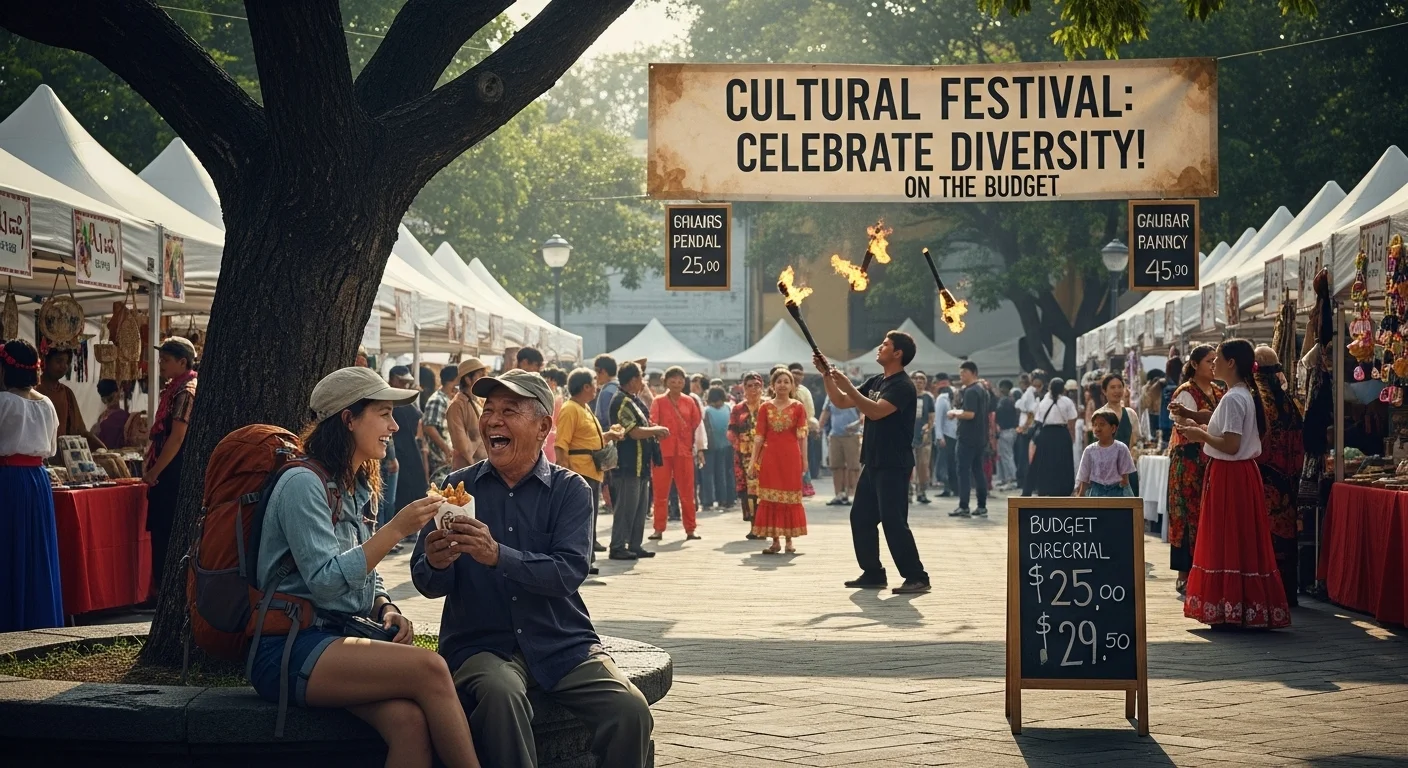
Understanding Cultural Festivals
What Are Cultural Festivals?
Cultural festivals are events that celebrate the unique traditions, arts, and heritage of a community or culture. They can range from music and dance to food and art exhibitions, often featuring performances and activities that highlight the local way of life. I’ve attended several festivals that showcased everything from folk dances to traditional cooking, and each was a fascinating window into a different world. Whether it’s a small town gathering or a large international event, cultural festivals bring people together, creating a sense of community and belonging.
Importance of Cultural Festivals in Local Communities
These festivals play a crucial role in preserving cultural heritage. For many communities, they are a way to keep traditions alive and pass them on to younger generations. I remember visiting a small village in Mexico during their Día de los Muertos festival. The locals explained how the event helped them honor their ancestors while teaching children about their cultural roots. In addition to preserving culture, festivals often boost local economies by attracting tourists, which can provide much-needed income to small businesses. It’s incredible to see how a festival can breathe life into a community in both cultural and economic terms.
Top Cultural Festivals Around the World
Holi Festival in India
Holi, known as the Festival of Colors, is one of the most joyous celebrations in India. I’ve had the chance to participate in this exuberant festival, where people throw colored powders at each other, dance, and enjoy festive foods. It typically takes place in March and marks the arrival of spring. The atmosphere is electric, with music and laughter filling the air. It’s a celebration of love and the victory of good over evil. If you plan to attend, be ready to get messy and embrace the fun!
Oktoberfest in Germany
If you love beer, Oktoberfest in Munich is a must-visit! This 16- to 18-day festival, held from late September to the first weekend in October, attracts millions of visitors from around the world. I’ve enjoyed festive music, traditional Bavarian food, and, of course, a variety of local beers. It’s a fantastic way to experience German culture while mingling with locals and fellow travelers. Just be prepared for crowds and wear comfortable shoes!
La Tomatina in Spain
La Tomatina is a unique festival held in Buñol, Spain, where participants throw tomatoes at each other in a massive food fight. I’ve read about it and seen videos, and it looks like an absolute blast! It takes place on the last Wednesday of August, and while it may seem chaotic, it’s all in good fun. Attending La Tomatina can also be a budget-friendly option, as the entry fee is quite low, and the memories made are worth every cent! Read Interesting article: Cultural Food Festivals You Can’t Miss on a Budget
Rio Carnival in Brazil
The Rio Carnival is famous for its extravagant parades and vibrant samba music. While it can be pricey, there are ways to enjoy the festival on a budget. I learned that watching the parades from the street can be just as thrilling as purchasing a ticket to the grandstands. The energy is contagious, and the costumes are breathtaking. Participating in street parties, known as blocos, is also a fantastic way to experience the carnival atmosphere without spending a fortune.
Chinese New Year Celebrations
Chinese New Year is celebrated around the world with vibrant parades, traditional lion dances, and spectacular fireworks. I’ve had the pleasure of attending celebrations in various cities, and each one was filled with joy and excitement. The festivities can last for days, offering countless opportunities to savor delicious food and engage with cultural traditions. If you’re planning to attend, researching local events can help you find the best places to enjoy the celebrations without breaking your budget.
When to Attend Cultural Festivals
Seasonal Festivals: Timing Your Visit
Timing can make a huge difference in your festival experience. Many cultural festivals are tied to specific seasons, and I’ve learned that understanding the seasonal context can enhance my enjoyment. For example, attending a cherry blossom festival in Japan during spring is magical. The delicate pink blooms create a stunning backdrop for picnics and celebrations. Similarly, fall festivals often showcase harvest themes, like the Pumpkin Festival in the United States, where you can enjoy hayrides and seasonal treats. I suggest checking the seasonal highlights before planning your trip to ensure you’re there at the right time to soak in the full experience.
Local Calendar: Researching Festival Dates
Researching specific festival dates is an essential part of planning. I remember when I was eager to attend the Lantern Festival in Taiwan, but I almost missed it because it varies each year based on the lunar calendar. It’s helpful to look up local calendars or tourism websites for the festivals you want to experience. I often bookmark sites that provide updates on festival dates and any changes due to local circumstances. This way, I stay informed and can adjust my travel plans accordingly, ensuring I don’t miss out on any festivities.
Peak vs. Off-Peak Travel Considerations
Choosing between peak and off-peak travel can significantly affect your festival experience. I’ve found that attending festivals during peak times can lead to larger crowds, which means more energy and excitement, but it can also mean longer lines and higher prices. For instance, visiting the Edinburgh Festival Fringe in August is exhilarating, but it can be overwhelming. Conversely, if you choose to attend during off-peak times, you might find a more relaxed atmosphere and budget-friendly options, though some events may be less lively. I believe that striking a balance between these two can help shape the overall vibe of your trip.
Budgeting for Your Festival Experience
Estimating Travel Costs
Budgeting is key when attending cultural festivals. I usually start by estimating travel costs, including flights, train tickets, or gas if I’m driving. I’ve learned that comparison websites can be quite helpful in finding the best deals. Setting aside a specific budget for travel helps me feel more secure about my spending. For example, when I flew to Brazil for the Rio Carnival, I booked my flight months in advance, which saved me a good amount of money. Always remember to check for hidden fees, like baggage costs, which can sneak up on you!
Accommodation Options for Budget Travelers
Accommodation can take a big chunk out of your festival budget. I’ve explored various options, from budget hostels to hotels, but I’ve found that the right choice depends on my travel style. Hostels are often a great way to save money and meet other travelers, while local guesthouses can provide a more authentic experience. During festivals, I try to book early since places fill up fast. I also keep an eye on deals or promotions that pop up on travel websites. In my experience, staying slightly outside the main festival area can lead to more affordable lodging and a chance to see the local neighborhood.
Food and Drink Expenses at Festivals
Food and drink expenses can quickly add up at festivals, especially with all the tempting local cuisine available. I remember my first Oktoberfest; I was blown away by the variety of foods but also noticed how pricey they could be. To keep costs down, I typically allocate a budget for meals and snacks each day. I’ve found that eating at local food stalls can be a delightful experience without breaking the bank, and trying street food is often the best way to taste authentic flavors. Just be sure to check out reviews or ask locals for recommendations! Read Interesting article: Budget-Friendly Guide to Global Cultural Festivals
Transportation Costs: Getting Around
Transportation costs can vary widely depending on the festival location. I’ve experienced everything from convenient public transport systems to more remote areas where a car rental was necessary. I usually research public transportation options before my trip, as many cities offer discounted travel passes, which can be a real money-saver. If I’m in a walkable city, I often prefer walking or cycling to get a feel for the place and to stay active while enjoying the festival atmosphere. Plus, it’s a great way to stumble upon hidden gems that might not be on the main tourist path!
Finding Affordable Accommodations
Hostels vs. Hotels: Pros and Cons
When it comes to finding a place to stay, I often weigh the pros and cons of hostels versus hotels. Hostels are budget-friendly and offer opportunities to meet fellow travelers, which I love. I’ve made some great friends this way! However, they can sometimes be noisy, so if I’m looking for a good night’s sleep, I might opt for a budget hotel instead. These can be slightly pricier but often provide more privacy and comfort. I think the key is to consider what matters most for each trip—whether it’s socializing or a quiet retreat.
Airbnb and Vacation Rentals
Airbnb and vacation rentals have become go-to options for many travelers, including myself. I appreciate the chance to stay in a local neighborhood and sometimes even cook my own meals. This can save money while providing a homier feel compared to hotels. I’ve discovered some fantastic spots through Airbnb, often with unique character and charm. Just make sure to read reviews and check the location to ensure you’re close to the festival activities you want to attend.
Camping and Alternative Lodging Options
Camping can be another affordable alternative, especially if the festival allows it. I remember camping at a music festival and having a blast, with the added bonus of being right in the middle of the action. While it may not be for everyone, it’s worth considering if you’re looking to save on accommodation costs. Additionally, some festivals offer glamping options, where you can enjoy the great outdoors with a little more comfort. It’s a fun way to immerse yourself in the festival vibe while keeping expenses in check!
Saving Money on Festival Activities
Free Events and Activities at Festivals
One of the best parts about cultural festivals is that many of them offer free activities. I’ve discovered that these events can be just as enriching and fun as the ticketed ones. For instance, during the Edinburgh Festival Fringe, there are countless street performances and pop-up events that don’t cost a dime. I remember wandering through the streets, soaking in the atmosphere, and enjoying spontaneous acts from talented performers. It felt like stumbling upon hidden treasures! I recommend checking the festival’s schedule or official website to find free events and activities that highlight local talent and culture.
Discount Passes and Group Rates
If you’re planning to attend several ticketed events, consider looking into discount passes. I’ve found that many festivals offer all-access passes that allow you to attend multiple events at a reduced price. When I went to the New Orleans Jazz & Heritage Festival, I purchased a multi-day pass, which saved me a significant amount compared to buying individual tickets. Additionally, if you’re traveling with friends or family, many festivals offer group rates that can further reduce costs. It’s a great way to experience more while spending less!
Volunteer Opportunities for Free Entry
Volunteering can be a fantastic way to experience a festival while saving money. I’ve volunteered at a couple of festivals, and it was a win-win situation. Not only did I get free access to events, but I also had the chance to meet other festival-goers and locals while contributing to the community. Many festivals are always looking for helping hands, whether it’s setting up stages or assisting with activities. If you’re open to it, I recommend checking the festival’s website for volunteer opportunities. Just keep in mind that volunteering may require some time commitment, but the experience can be incredibly rewarding.
Eating on a Budget During Festivals
Local Street Food vs. Festival Vendors
When attending festivals, food is often a highlight, but it can also become one of the biggest expenses. I’ve learned that exploring local street food options can be a delicious and budget-friendly way to eat. For example, during the street fairs in Bangkok, I found that the street vendors offered amazing dishes at a fraction of the cost of festival vendors. The flavors were authentic, and I loved being able to try a variety of dishes without overspending. I recommend asking locals for their favorite spots or checking food blogs for tips on where to find the best street eats!
Grocery Stores and Markets for Budget Meals
Another great way to save on food is to visit local grocery stores or markets. I often stock up on snacks and essentials when I arrive at a festival location. When I attended the Austin City Limits Festival, I found a nearby grocery store where I could buy fresh fruits, sandwiches, and drinks. It not only helped me save money but also allowed me to enjoy a picnic in the park during the festival. Plus, it’s a great way to sample local products and support the community. Just remember to keep an eye out for special local delicacies you can bring back to share with friends!
Pack Your Own Meals: Tips and Ideas
Packing your own meals can be a game-changer when it comes to festival dining. I’ve had success preparing simple, portable meals that are easy to carry. For instance, I like to make sandwiches, wraps, or salads the night before. Packing snacks like nuts, granola bars, or fruit can help curb hunger while exploring the festival. I recommend investing in a good insulated bag to keep items fresh. This way, you can enjoy a picnic without worrying about expensive festival food prices. Plus, it allows for more flexibility in your schedule, giving you more time to enjoy the festivities!
Transportation Tips for Festival-Goers
Public Transportation Options
Using public transportation can be an affordable and efficient way to navigate your way to festivals. I’ve taken buses and trains in various cities during festival seasons, and it has saved me a lot of money. Many cities offer special festival transit passes, which you can use to travel easily to different events. It’s worth looking into local transit schedules and routes ahead of time. I remember using the metro to get to the Montreal International Jazz Festival, and it was not only cost-effective but also a great way to meet fellow festival-goers!
Walking and Cycling: Healthier Choices
Walking or cycling can be an excellent way to explore a festival destination while staying active. I’ve found that walking allows me to soak in the atmosphere and discover hidden gems that I might have missed if I were driving. Plus, many cities have bike rental programs that make it easy and affordable to cycle around. For instance, in Amsterdam, I rented a bike to get to the Tulip Festival, and it was a fun way to enjoy the scenery. I think it’s also a healthier choice, and you’ll feel good about staying active during your travels!
Car Rentals and Ride-Sharing Services
While public transport is great, sometimes having a car is necessary, especially if the festival is in a more remote area. I’ve rented cars for festivals that were outside city centers, which allowed for flexible travel. However, I always compare rental rates to find the best deals. Alternatively, ride-sharing services can be a convenient option if you’re not planning to drive much. When I attended the Coachella Valley Music and Arts Festival, I used a ride-sharing app to avoid parking hassles while still getting to and from the event easily. Just remember to check for surge pricing during peak hours!
Safety and Health Tips at Festivals
Staying Safe in Crowded Areas
Festivals can be crowded, and it’s essential to stay aware of your surroundings for your safety. I’ve learned to keep my belongings secure, especially in busy areas. Using a crossbody bag not only keeps my hands free but also ensures my valuables are close. When in a crowd, I also try to locate meeting points in case I get separated from my friends. It’s all about being smart and prepared, which allows me to enjoy the festivities without worry!
Health Precautions When Traveling
Taking care of my health while traveling is something I prioritize. I always pack a small first-aid kit with essentials like pain relievers, band-aids, and any medications I might need. Staying hydrated is crucial, especially during outdoor festivals, so I make sure to carry a refillable water bottle. I also keep hand sanitizer handy to wash my hands after eating or using public transportation. Your health is key to enjoying the full festival experience!
Emergency Contacts and Local Resources
Before attending a festival, I make sure to research local emergency contacts and resources. Knowing the location of nearby hospitals or urgent care centers is something I find reassuring. I also save important phone numbers on my phone, including local emergency services and the festival’s information hotline. This way, I can stay calm and prepared in case anything unexpected happens. It gives me peace of mind, allowing me to focus on enjoying the celebration!
Maximizing Your Experience at Cultural Festivals
Engaging with Locals and Other Travelers
One of the best ways to enhance my festival experience is by engaging with locals and fellow travelers. I’ve found that striking up conversations can lead to incredible recommendations and insights. During the Mardi Gras celebration in New Orleans, I met some locals who shared their favorite hidden spots for food and music. Chatting with others can also help you feel connected to the culture and community, making the experience even more memorable.
Participating in Traditions and Customs
Immersing myself in local traditions and customs is something I truly enjoy during festivals. Whether it’s learning a traditional dance or participating in a local ritual, I find it enriching and rewarding. I remember attending the Diwali festival in India and taking part in the lighting of diyas (lamps) with the locals. It was a beautiful way to celebrate the festival and truly connect with the culture. I suggest being open to participating in activities that come your way; it’s often the highlight of my festival experience!
Documenting Your Experience: Photography Tips
Capturing the essence of a festival through photography is something I love to do. I try to carry my camera or use my phone to take spontaneous pictures. To make the most of my photos, I focus on candid moments, vibrant colors, and unique traditions. I also like to ask people for permission before taking their pictures, as it shows respect and can lead to great interactions. When I look back at my festival photos, I’m always reminded of the joy and excitement of those moments!
Frequently Asked Questions
What are cultural festivals?
Cultural festivals are events that celebrate the unique traditions, arts, and heritage of a community or culture. They often feature performances and activities that highlight the local way of life, showcasing everything from music and dance to food and art exhibitions.
Why are cultural festivals important for local communities?
Cultural festivals play a crucial role in preserving cultural heritage, keeping traditions alive, and passing them on to younger generations. They also boost local economies by attracting tourists, providing income to small businesses and revitalizing the community.
What is the Holi Festival?
The Holi Festival, known as the Festival of Colors, is a joyous celebration in India where people throw colored powders at each other, dance, and enjoy festive foods. It typically takes place in March and marks the arrival of spring.
How long does Oktoberfest last?
Oktoberfest in Munich lasts for 16 to 18 days, starting from late September to the first weekend in October, attracting millions of visitors who enjoy festive music, traditional Bavarian food, and local beers.
What is La Tomatina?
La Tomatina is a unique festival held in Buñol, Spain, where participants throw tomatoes at each other in a massive food fight. It takes place on the last Wednesday of August and is known for its chaotic yet fun atmosphere.
How can one experience the Rio Carnival on a budget?
To experience the Rio Carnival on a budget, consider watching the parades from the street instead of purchasing grandstand tickets. Participating in street parties, known as blocos, is also a great way to enjoy the carnival atmosphere without spending a lot.
What should I research when planning to attend a cultural festival?
When planning to attend a cultural festival, it’s important to research specific festival dates, local calendars, and seasonal highlights to ensure you visit at the right time. This helps you maximize your experience and enjoy all the activities available.
What are some budget-friendly accommodation options during festivals?
Budget-friendly accommodation options during festivals include hostels, local guesthouses, and Airbnb rentals. Camping may also be an affordable alternative if the festival allows it, and booking early can help secure better deals.
How can I save money on food expenses at festivals?
To save money on food expenses at festivals, consider exploring local street food, visiting grocery stores for snacks and meals, and packing your own meals. Eating at local stalls is often cheaper and allows you to enjoy authentic flavors.
What are some safety tips for attending crowded festivals?
Staying safe in crowded areas involves keeping your belongings secure, using a crossbody bag, and knowing meeting points in case you get separated from friends. It’s essential to stay aware of your surroundings to enjoy the festivities without worry.