
Traveling on a budget can sometimes feel like a daunting task, but one of the best ways to experience local culture is through street food. Let’s dive into how to enjoy delicious street eats safely and affordably! Read Interesting article: Street Food Safety Tips: Eat Well While Traveling Smart
Understanding Street Food Culture
What is Street Food?
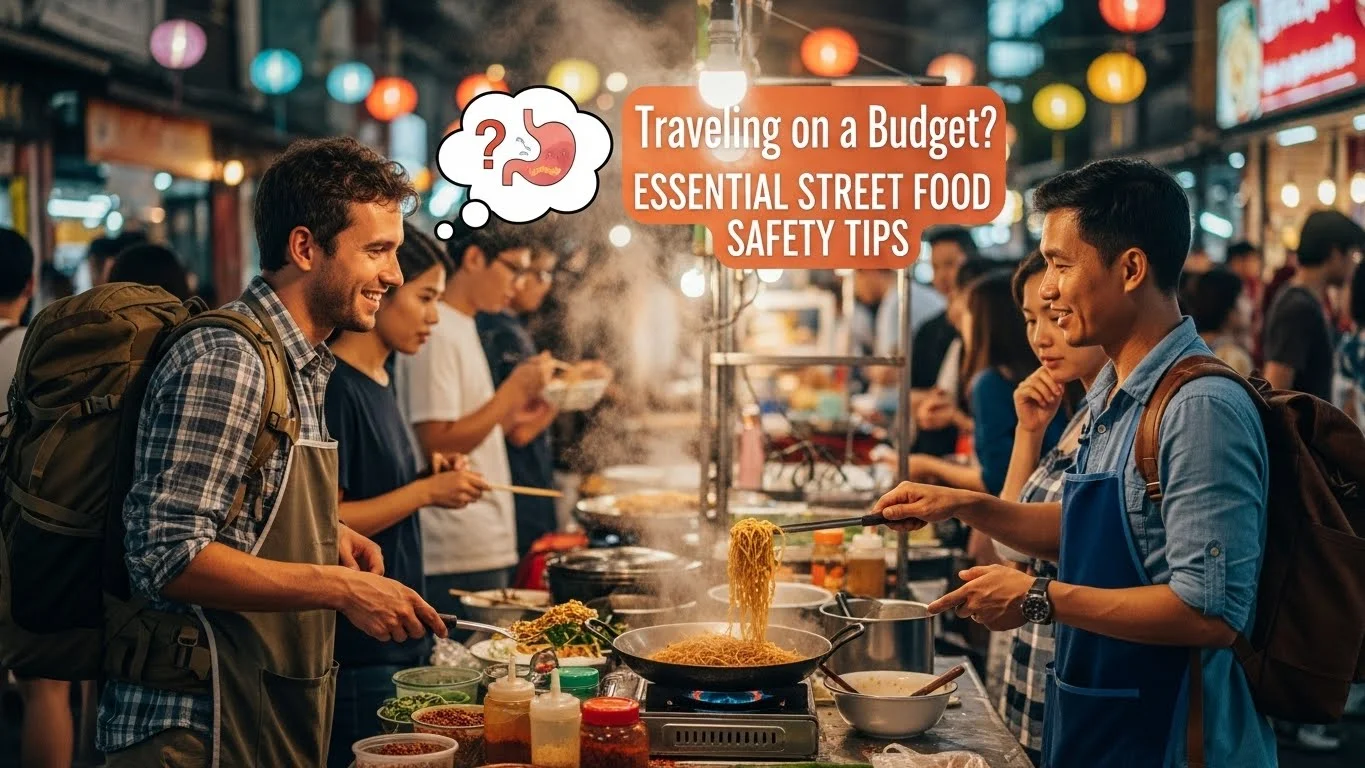
Street food, in my opinion, is one of the most authentic ways to taste a country’s cuisine. It often consists of ready-to-eat meals and snacks sold by vendors on the street or in public places. I remember my first encounter with street food during a trip to Thailand. The vibrant stalls, the sizzling sounds of food being cooked, and the enticing aromas filled the air. It was a feast for the senses! Street food can range from savory to sweet and is usually served quickly at a low cost. This makes it a popular choice for travelers like us who want to enjoy local flavors without breaking the bank.
Popular Street Food Destinations
When I think about the best street food destinations, a few places come to mind that are absolute must-visits. For instance, I’ve experienced the bustling night markets in Taipei, where you can find everything from stinky tofu to bubble tea. Another favorite of mine is Mexico City, where the streets are lined with vendors selling tacos, tamales, and elotes. I’ve also heard incredible things about the street food in Marrakech, with its vibrant market stalls offering delicious tagines and freshly squeezed juices. Each destination has its unique offerings, and the thrill of discovering local favorites makes your travels even more special. Read Interesting article: A Backpacker’s Guide to Unique Street Foods Worldwide
Cultural Significance of Street Food
Street food isn’t just about convenience or affordability; it carries deep cultural significance. I’ve noticed that it often reflects the history and traditions of a place. For many communities, street food is a way of life, showing off regional ingredients and culinary techniques passed down through generations. I remember chatting with a vendor in India who told me about the recipes his family had been using for over a century. Street food also brings people together, creating a communal atmosphere where locals and visitors share a meal and stories. Whether it’s at a crowded food stall in Jakarta or a quiet corner in Rome, street food connects us to the heart of a culture.
Budget-Friendly Street Food Options
Top Affordable Street Foods Around the World
When I travel, I always seek out budget-friendly street foods. It’s amazing how many delicious options are available without spending a lot. For instance, in Vietnam, I’ve indulged in a bowl of pho for just a couple of dollars. In addition, I’ve enjoyed the delightful banh mi sandwiches stuffed with various fillings. If you’re in India, I highly recommend trying pani puri or chaat – they’re both tasty and budget-friendly. Street food in South America, like empanadas in Argentina or arepas in Colombia, can also be both cheap and filling. It’s exciting to think about all the flavors waiting to be discovered!
How to Find Local Street Food Markets
Finding the best street food can sometimes feel overwhelming, especially in a new city. My go-to strategy is to ask locals for recommendations. I’ve found that chatting with people at cafes or shops often leads me to hidden gems. Additionally, I love using travel apps that highlight street food spots. Websites and social media platforms are also handy resources for discovering local favorites. In some cities, I’ve stumbled upon street food tours, which not only guide you to good vendors but also provide insight into the culinary culture. Trust me, nothing beats the thrill of following your nose to a delicious food cart!
Essential Street Food Safety Tips
Choosing the Right Vendor
One of the most important aspects of enjoying street food is knowing how to pick the right vendor. I learned early on that busy stalls are usually a good sign. If you see a long line of locals waiting patiently, it often means the food is fresh and tasty. I remember standing in line at a taco stand in Mexico City, and while I was waiting, I noticed how the vendor worked quickly and efficiently. Watching how the food was prepared can be quite telling. If the vendor is clean and organized, that’s a good indicator. I also recommend looking for vendors who have a steady turnover of customers, as this suggests that the food is being made fresh rather than sitting out for too long.
Signs of Freshness and Quality
When I’m exploring street food options, I always keep an eye out for certain signs of freshness. For example, I look for vibrant colors and fresh ingredients. If a vendor’s produce looks wilted or old, I tend to walk away. I also pay attention to how the food is stored. Is it kept in clean containers or under protective coverings? I once visited a food cart in Thailand where the vendor had a glass case showcasing freshly made spring rolls. They looked so tempting, and I felt confident about trying them. A fresh, inviting display can make all the difference!
Understanding Food Handling Practices
Another key consideration is food handling practices. It’s worth taking note of how the vendors prepare and serve the food. I’ve found that many vendors use gloves or utensils to handle food, which is a good sign. However, I also look for how often they change their gloves or if they take breaks to attend to hygiene. For instance, during one of my trips to a street market in Singapore, I watched a vendor meticulously clean their workspace between orders. It gave me peace of mind that they cared about food safety. Remember, if something doesn’t feel right, it’s always okay to pass on a dish.
Local Health Regulations to Consider
Being aware of local health regulations can also play a role in ensuring a safe street food experience. Some countries have strict health codes that vendors must adhere to, while others may be less regulated. I’ve visited places where street vendors proudly display health inspection certificates, giving me confidence in their practices. It’s good to do a little research before your trip to understand what to look for in the particular region you’re visiting. In some cities, there are even apps that provide information on vendors’ health ratings, which can be incredibly helpful!
What to Avoid When Eating Street Food
Common Street Food Dangers
While I love indulging in street food, I’ve also learned to be cautious and aware of potential dangers. One thing I avoid is food that has been sitting out for too long. I remember trying a delicious-looking pastry in a market, but I hesitated when I saw it had been out for a while. Trusting my instincts, I chose something freshly made instead. Another common danger is undercooked food. I tend to steer clear of raw seafood or meats unless I’m sure they’re sourced from reputable vendors. There’s nothing worse than getting sick while traveling, so I prefer to play it safe!
Avoiding Food Allergens and Contaminants
If you have food allergies, it’s crucial to communicate clearly with vendors. I’ve had experiences where language barriers made it difficult to explain what I couldn’t eat. I found it helpful to learn a few key phrases in the local language or even carry a translation app on my phone. In addition, I always look out for cross-contamination, especially in busy markets. If I see a vendor using the same utensils for different types of food, I might think twice before ordering. Being proactive about allergens not only helps me enjoy my meal but also keeps me safe.
When to Say No: Red Flags in Food Preparation
Over the years, I’ve developed a keen eye for red flags during food preparation. For example, if I see a vendor using dirty utensils or not washing their hands before handling food, I typically walk away. I’ve also learned to be cautious of overly complex dishes that involve many ingredients. Sometimes, simpler is better, especially when it comes to street food. I remember once passing by a stall with an elaborate menu; it just felt like it was too much for street food. A good rule of thumb is to stick with dishes that are well-known in the area and have fewer ingredients, as they’re often the most authentic and safest options.
Health Precautions for Street Food Travelers
Vaccinations and Health Preparations
When I’m planning a trip that includes indulging in street food, I always consider my health precautions first. Depending on where I’m traveling, some vaccinations can be really important. For example, when I went to Southeast Asia, I made sure to get vaccinated for Hepatitis A and Typhoid. I remember chatting with a fellow traveler who didn’t take these precautions and ended up regretting it after getting sick. I think it’s crucial to consult with a healthcare provider or travel clinic a few weeks before your trip to ensure you’re up to date on any necessary vaccinations. It gives me peace of mind knowing that I’ve taken steps to protect myself while enjoying the local cuisine!
Travel Insurance for Food-Related Illnesses
Travel insurance is something I never leave home without, and it’s especially important when traveling for street food adventures. I once had a friend who experienced a nasty bout of food poisoning during a trip, and having insurance saved him from a financial headache. I always opt for a plan that covers food-related illnesses and includes emergency medical assistance. It’s a small investment for the peace of mind it brings. If something does go wrong, knowing that I have coverage allows me to focus on recovery instead of worrying about the bills. I recommend checking the policy details thoroughly to ensure it covers the specific locations and activities you’ll be engaging in.
Keep Emergency Contacts Handy
In addition to health preparations and insurance, I find that keeping emergency contacts handy is vital. Before I travel, I make sure to have a list of local hospitals or clinics saved on my phone. I also recommend noting down the contact details of your country’s embassy or consulate in case of a serious emergency. During my travels, I once needed to visit a local clinic after an unfortunate encounter with street food that didn’t sit well with me. Having those contacts saved made the process much smoother. Plus, sharing your itinerary with a family member or friend back home can provide an extra layer of security, so someone knows where you are in case of an emergency.
Maximizing Your Street Food Experience on a Budget
How to Sample Multiple Dishes Economically
One of the best parts of street food is the variety, and I’ve learned that I can sample multiple dishes without draining my wallet. I often look for shared platters or small portions that allow me to try several different items. For instance, at a market in Bangkok, I found a vendor offering a selection of smaller dishes for a great price. I remember trying a few different curries and snacks, which gave me a wonderful taste of local flavors without spending too much. Another tip is to visit food stalls during lunch or happy hour times when prices can be lower. Being open to sharing dishes with friends can also help me enjoy a wider range of flavors while keeping costs down.
Engaging with Local Vendors for Insider Tips
Over the years, I’ve discovered that engaging with local vendors can enhance my street food experience significantly. Most vendors are incredibly passionate about their food and love sharing stories about their dishes. I once asked a friendly vendor in Mexico City about his favorite items, and he not only pointed me toward the best tacos but also shared a bit of history about the ingredients. Those personal touches always make the meal more memorable. I also recommend learning a few words in the local language; I’ve found that it often leads to better interactions and may even result in special recommendations. Building a rapport with the vendors can turn a simple meal into a delightful culinary adventure!
Understanding Portion Sizes and Pricing
When navigating street food, I’ve realized that understanding portion sizes and pricing can help manage my budget effectively. In some places, portions can be quite generous, while in others, they might be smaller and more snack-sized. For example, I once ordered a large plate of falafel in Cairo and was surprised by how much food I received for a low price. On the other hand, I’ve encountered smaller, pricier samples in trendy markets. I recommend always asking about portion sizes before ordering, and if you’re unsure, it’s okay to share with friends or fellow travelers to avoid overspending. Keeping track of how much I spend throughout the day also helps me stay within my budget while enjoying the local street food scene.
Resources for Street Food Enthusiasts
Mobile Apps for Finding Street Food
These days, there are so many mobile apps that can help enhance our street food adventures. I’ve found apps like “Street Food Finder” and “Yelp” incredibly useful for locating popular food stalls and reading reviews from fellow travelers. These apps often provide pictures and tips, which have helped me decide where to eat when exploring new cities. I remember using one of these apps in Ho Chi Minh City and discovering a hidden gem for banh xeo that I might have missed without it. Additionally, I recommend checking out local food blogs and websites, as they often highlight must-try vendors and dishes.
Online Communities and Guides
Being part of online communities has enriched my street food experiences immensely. Platforms like Reddit have dedicated travel and food forums where you can find firsthand recommendations and tips from fellow food lovers. I once posted about my upcoming trip to Lisbon and received an avalanche of suggestions for must-try street food spots. You can also find Facebook groups that focus on street food, where members share their experiences and favorite places. Connecting with others who share the same passion can lead to unforgettable culinary discoveries!
Recommended Books and Documentaries
If you’re like me and enjoy diving deeper into the world of street food, there are some fantastic books and documentaries that I highly recommend. “Street Food: A History of Taste” by David G. McCullough is a captivating read that explores the cultural significance of street food around the globe. I also loved watching the documentary series “Street Food” on Netflix, which showcases various vendors and their stories. It’s inspiring to see the dedication and creativity of street food chefs, and it often sparks my own culinary curiosity! Exploring these resources can provide new insights and inspire future travels focused on street food. Read Interesting article: Exploring Unique Street Foods: A Global Taste Adventure
Frequently Asked Questions
What is street food?
Street food is one of the most authentic ways to taste a country’s cuisine, consisting of ready-to-eat meals and snacks sold by vendors on the street or in public places. It is usually served quickly at a low cost, making it popular among travelers wanting to enjoy local flavors without spending much.
What are some popular street food destinations?
Some popular street food destinations include Taipei, known for its night markets offering stinky tofu and bubble tea; Mexico City, famous for tacos, tamales, and elotes; and Marrakech, which features vibrant market stalls with delicious tagines and fresh juices.
How can I find local street food markets?
To find the best street food, ask locals for recommendations, use travel apps that highlight street food spots, and check websites and social media for local favorites. Street food tours can also guide you to good vendors and provide insight into the culinary culture.
What should I look for when choosing a street food vendor?
When choosing a vendor, look for busy stalls with a long line of locals, as this often indicates fresh and tasty food. Additionally, observe the vendor’s cleanliness and organization, as well as the turnover of customers, to ensure the food is being made fresh.
What are some signs of freshness and quality in street food?
Signs of freshness include vibrant colors and fresh ingredients. Pay attention to how food is stored; it should be kept in clean containers or under protective coverings. A fresh, inviting display can make a significant difference in your choice.
What health precautions should I take before enjoying street food?
It’s important to consider vaccinations before traveling, especially for regions where diseases like Hepatitis A and Typhoid are prevalent. Consult with a healthcare provider to ensure you’re up to date on necessary vaccinations for your destination.
How can I sample multiple dishes without overspending?
To sample multiple dishes economically, look for shared platters or small portions. Visiting food stalls during lunch or happy hour times can also reduce costs. Sharing dishes with friends is another great way to enjoy a wider range of flavors while managing expenses.
What should I avoid when eating street food?
Avoid food that has been sitting out for too long and undercooked items, especially raw seafood or meats. Be proactive about food allergies and communicate clearly with vendors to avoid cross-contamination.
What resources are available for street food enthusiasts?
Mobile apps like “Street Food Finder” and “Yelp” can help locate popular food stalls. Online communities on platforms like Reddit and Facebook can provide recommendations. Additionally, there are books and documentaries that explore the cultural significance of street food, such as “Street Food: A History of Taste” and the Netflix series “Street Food.”
How important is travel insurance when trying street food?
Travel insurance is essential, especially for street food adventures, as it can cover food-related illnesses and provide emergency medical assistance. It gives peace of mind, allowing you to focus on recovery if something goes wrong.