
Traveling with young children can feel like a daunting adventure, but with the right safety tips, it can be a rewarding experience. Here’s how to navigate the journey while keeping your little ones safe and secure. Read Interesting article: Essential Safety Tips for Traveling with Babies and Toddlers
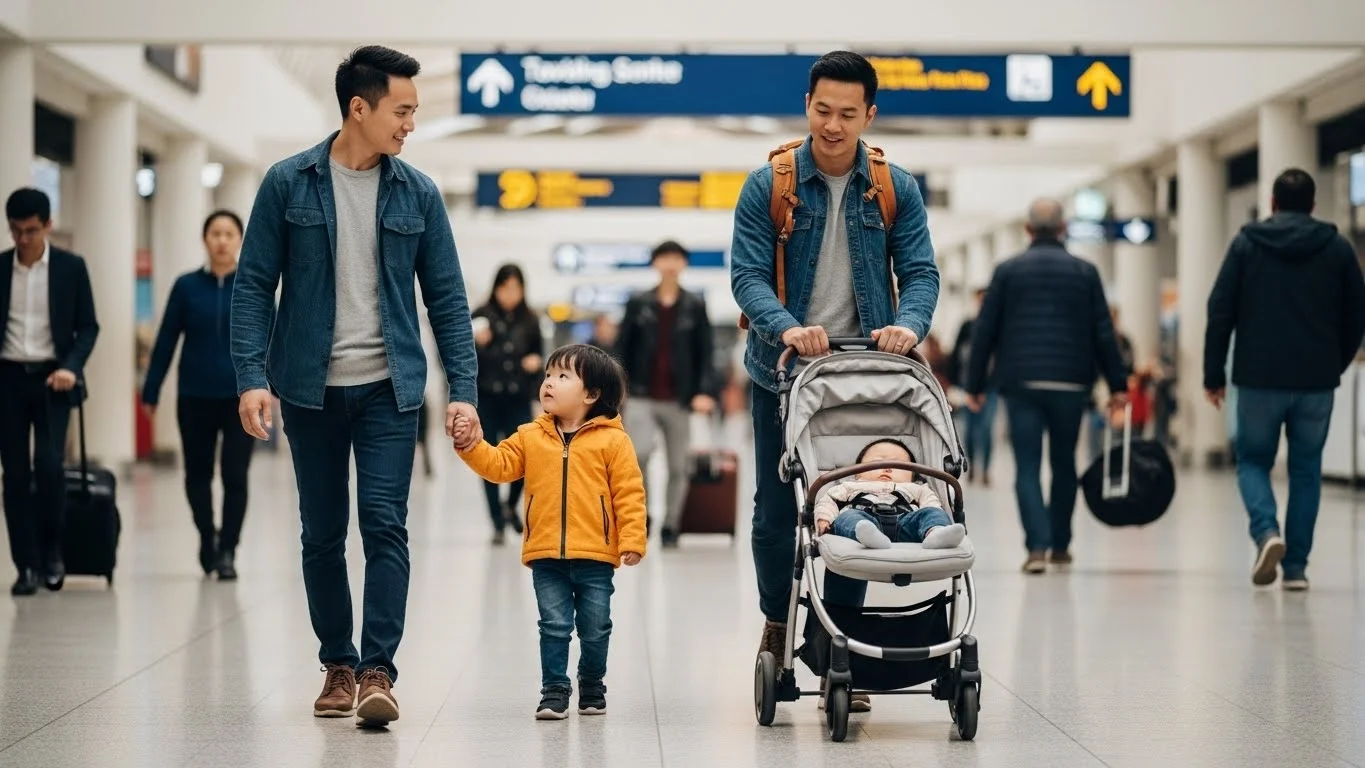
Understanding the Unique Challenges of Traveling with Young Children
Traveling with young children is like stepping into an entirely new world of excitement, unpredictability, and, let’s be honest, a bit of chaos. I remember our first family trip with my toddler; it felt like packing for a month-long expedition rather than a weekend getaway. From the moment I stepped out of the door, I quickly realized that traveling with kids brings unique challenges that I hadn’t considered before. Whether it’s tantrums in the airport or finding safe places to explore, there’s so much to keep in mind.
Age-Specific Concerns
One of the first things I learned is that age plays a significant role in what safety measures to prioritize. For infants, I focused on ensuring their comfort and health. This meant packing enough diapers, wipes, and bottles, and always having a change of clothes handy. I found that having a good travel crib was essential for making sure our baby had a safe sleeping space, whether we were at a hotel or a family member’s home.
As my kids grew, I noticed new challenges emerging. Toddlers are naturally curious but can be a handful in unfamiliar places. I found myself constantly keeping an eye on them to prevent any accidents. With preschoolers, the challenge shifted to explaining safety rules in a way they could understand. I learned to talk about things like staying close to me in busy areas and what to do if they got lost. Each age brings its own challenges, and I think it’s crucial to adapt our approach accordingly. Read Interesting article: Family Adventures: Best Destinations for Traveling with Toddlers
Common Travel Stressors for Families
I quickly discovered that travel stressors can come from anywhere. Airports, for example, can be overwhelming. Long lines, security checks, and crowded spaces can cause anxiety for both parents and children. I remember one particularly hectic trip where my son decided to throw a fit just as we reached the security checkpoint. It was a stressful moment, but it taught me the importance of preparation. I started to aim for early flights to avoid crowds and give us plenty of time to navigate through the chaos.
Car rides present their own set of challenges. I’ve experienced everything from unexpected car sickness to the dreaded “Are we there yet?” chorus. I found that packing a variety of entertainment options, from audiobooks to coloring books, helped ease the tension. Planning for regular breaks also made the journey more enjoyable. We would stop at fun roadside attractions to stretch our legs and break the monotony, which turned out to be a highlight of our trips.
Another stressor is the unpredictability that comes with travel. Kids can get sick, have meltdowns, or misplace important items. I learned to always have a plan B, whether it was knowing where the nearest pharmacy was or having a backup pair of shoes for unexpected weather. These little things made a big difference in reducing my stress levels during our travels.
In my experience, it’s also important to set realistic expectations. I no longer aim for a perfectly planned itinerary; instead, I focus on flexibility. If a child needs a nap or a meal, I adjust our schedule. I’ve learned that some of our best travel memories came from spontaneous adventures rather than strict adherence to a plan.
Traveling with young children may come with challenges, but it’s also filled with precious moments. I believe that the effort we put into ensuring their safety and comfort pays off in creating lasting memories. Navigating these challenges together as a family not only strengthens our bond but also teaches my kids valuable lessons about adaptability and resilience.
Pre-Travel Preparations: Ensuring Safety Before You Go
Choosing Family-Friendly Destinations
When it comes to picking a destination, I’ve learned that some places are simply more accommodating for families with young children. I remember planning a vacation to a bustling city, only to realize after arriving that there weren’t many parks or kid-friendly activities. It became a scramble to keep my kids entertained, and honestly, it was a bit stressful for all of us. Now, I aim for destinations that offer plenty of family-friendly options. National parks, beach resorts, or amusement parks tend to be great choices. Not only do they have activities tailored for kids, but they also often feature safe environments for little ones to explore. I recommend looking for places with kids’ clubs or family-oriented tours, which can take some pressure off parents while still providing fun experiences for the kids. Read Interesting article: Traveling on a Dime: Budget Tips for Family Trips You’ll LoveResearching Accommodations with Safety Features
Once the destination is set, the next step is finding the right place to stay. I’ve had my fair share of experiences in hotels that weren’t quite as family-friendly as I’d hoped. In one case, I booked a beautiful hotel, only to find there were no safety gates for the stairs or secure windows. It made me wish I had taken a bit more time to research. Now, I prioritize accommodations that explicitly cater to families. I look for places that offer cribs, safety gates, and even kitchenettes so we can prepare meals for the kids. Many rentals come with safety features like childproof locks and fenced yards, which can give me peace of mind. Plus, I check reviews from other families to see what their experiences were regarding safety and child-friendliness.Preparing Travel Documents and Health Insurance
Before heading out, I also make sure that all our travel documents are in order. I keep a checklist because it’s so easy to overlook something crucial. I learned the hard way that even a small detail, like forgetting my child’s passport for international travel, can lead to a major headache. I also double-check our health insurance coverage for the trip. This is especially important if we’re traveling abroad. I’ve found it beneficial to have a clear understanding of what our health insurance covers in case of an emergency. I keep a printed copy of our insurance card and any necessary medical information with me during our travels. This way, in case we need to visit a doctor, we can be prepared and minimize stress.Packing Essentials for Traveling with Young Children
Must-Have Safety Gear
Packing for children can feel overwhelming, but over the years, I’ve figured out some must-have safety gear that is non-negotiable for us. A portable first-aid kit is at the top of my list. I like to include band-aids, antiseptic wipes, and any necessary medications, like allergy medicine or pain relief. A child locator device is another tool I swear by, especially when we visit crowded places. I remember the time my daughter wandered off at a fair; it was terrifying! Since then, I’ve made it a point to have a reliable way to keep track of my kids in busy environments. There are many options available, from wristbands with our contact information to GPS trackers. Finding a solution that works for us has made me feel much more secure during our outings.Child-Friendly Snacks and Entertainment
Let’s talk snacks—keeping my kids’ energy up is crucial during travel. I always pack a variety of healthy snacks like fruit, granola bars, and nuts. I learned that having their favorite snacks handy can help avoid meltdowns, especially during long waits at airports or in the car. Plus, it’s a great way to mitigate hunger-related crankiness! Entertainment is another essential part of our packing strategy. I’ve found that a mix of activities works best, like coloring books, travel games, and tablets filled with their favorite shows and movies. I try to limit screen time when we’re away, but when the road gets long, having a few digital distractions can be a lifesaver.Emergency Contacts and Medical Information
Finally, I make sure to have all our emergency contacts and important medical information organized and easily accessible. I create a simple document with all necessary phone numbers, including family members, our pediatrician, and any local emergency numbers for our destination. I keep this information on my phone and in a printed format tucked into my wallet. Additionally, I note any allergies or medical conditions my kids have, just in case we need to visit a healthcare provider. Having this information readily available not only provides peace of mind but also ensures we can act quickly if any issues arise during our travels. Traveling with young kids can be a rollercoaster ride, but with the right preparations, we can make it as safe and enjoyable as possible. Each trip is a chance to learn and grow together, and I wouldn’t trade those experiences for anything.Transportation Safety: Navigating Airports and Roads
Choosing the Right Car Seat for Travel
When it comes to road trips, I’ve learned that selecting the right car seat is one of the most critical safety precautions I can take. I remember the first time we took a long drive with my little ones. I was overwhelmed by the options available and the different regulations. It felt daunting, but I quickly realized that understanding my children’s needs based on their age and size was essential. For infants, a rear-facing car seat is a must until they reach a certain weight or height limit. As they grow, transitioning to a forward-facing seat and eventually to a booster seat is important for their safety. I found it helpful to check the car seat’s expiration date and ensure it meets current safety standards. There are also travel-friendly options that are lighter and easier to install, which can be a game changer when we’re on the go. Additionally, I make sure to familiarize myself with the car seat laws in the states or countries we’re visiting. I once made the mistake of assuming the rules were the same everywhere, and it led to a last-minute scramble to comply. Taking a few minutes to research these details can save a lot of stress and keep my kids safe.Airport Safety Tips for Families
Airports can be a whirlwind of excitement and anxiety, especially with kids in tow. I vividly remember my first experience navigating through an airport with a toddler and a baby. It felt like we were on a never-ending quest to find our gate while avoiding the chaos around us. To make things smoother, I’ve developed a few airport safety tips that really help. First, I always opt for family lanes at security checkpoints when available. They tend to be more accommodating for families, allowing us to go through without the added pressure of rushing. I also pack our bags in a way that makes it easy to pull out what I need quickly—like snacks or a favorite toy—without digging through everything. While at the airport, I keep a close eye on my kids, especially in crowded areas. I encourage them to hold onto the stroller or my bag, and I’ve even had them wear brightly colored shirts to make it easier to spot them in a crowd. I also make a habit of discussing our meeting point in case we get separated. This makes them feel more secure, knowing they have a plan if they can’t find me.Public Transportation Considerations
Using public transportation can be an exciting adventure for kids, but it also presents unique challenges. I remember one trip where we decided to take the subway instead of a taxi. It was an experience, to say the least! I’ve learned to keep a few things in mind to ensure our safety and enjoyment. I always try to explain to my kids how to behave on public transportation. We talk about the importance of holding onto the handrails and staying close to me, especially in crowded spaces. I also make sure they know not to talk to strangers and to come to me immediately if they feel uncomfortable. When choosing public transport, I look for family-friendly options. Some transit systems offer family discounts or priority seating for parents with young children. I’ve found that planning our route ahead of time can also minimize confusion, especially in unfamiliar cities. Sometimes, just having a map or app at hand can help me navigate with confidence—and keep my kids engaged by letting them help read the stops. Traveling with kids, whether by car, plane, or train, comes with its own set of challenges, but with a little planning and preparation, we can make it a safe and enjoyable experience for everyone. Each time we embark on a new journey, I feel like we’re not just traveling; we’re creating memories and learning together. The giggles, the curious questions, and even the occasional hiccup make the adventure worthwhile.On the Road: Keeping Kids Safe During Travel
Road Trip Safety Tips
When it comes to road trips, I’ve picked up quite a few safety tips that help keep our travels smooth and worry-free. One of the first things I learned is the importance of having a well-organized car. Before we hit the road, I make sure that my children’s car seats are properly installed and that everyone is buckled up. I also like to double-check that the car is in good condition before our trip. It’s amazing how a simple oil change or tire check can prevent a lot of headaches on the road. I also try to avoid distractions while driving. I remember a time when I tried to juggle snacks and help with a dropped toy while driving—definitely a recipe for disaster! Now, I prepare ahead of time by having snacks within reach and encouraging my kids to call for help if they need something. I’ve found that having a designated “snack and toy” area in the car helps keep things organized and reduces the chance of things flying around. To keep our travels engaging, I’ve discovered that planning interactive activities can be a lifesaver. We often play games like “I Spy” or sing along to our favorite playlists. Not only does it keep the kids entertained, but it also creates a fun atmosphere in the car that makes the journey enjoyable for everyone.Managing Travel-Related Illnesses
No one wants to deal with a sick child while traveling, but it happens more often than we think. I recall a family vacation where one of my kids came down with a stomach bug. It was a tough situation, but it taught me the importance of being prepared for travel-related illnesses. I always pack a small travel health kit that includes basic medications like pain relievers, antihistamines, and any prescription medications my kids may need. I also bring along some electrolyte solutions in case they get dehydrated. Having these essentials on hand has saved us from a lot of stress during our trips. Another thing I’ve found helpful is keeping my children’s medical records digitally stored on my phone. This way, if we need to see a doctor while away from home, I have all the necessary information readily available. It’s a small step that can make a big difference in ensuring they receive the right care quickly.Rest Stops and Breaks: Making the Journey Comfortable
Breaks are crucial during long road trips. I’ve learned that stopping every couple of hours to stretch our legs and take a breather not only helps keep my kids comfortable but also ensures we all stay alert and refreshed. I love finding interesting rest stops along the way—sometimes, they turn out to be unexpected adventures themselves! I like to check in advance for fun places to stop, like parks or scenic viewpoints. These breaks provide an excellent opportunity for the kids to burn off some energy. I remember one trip where we stopped at a quirky roadside attraction, and it became the highlight of our journey. When we take these breaks, I also make it a habit to check in with my kids. I ask them how they’re feeling and if they need anything. It’s a good way to keep communication open and ensure everyone is on the same page as we continue our travels.Accommodation Safety: Ensuring a Secure Stay
Childproofing Your Hotel or Rental
When we arrive at our accommodation, I usually do a quick safety assessment. I learned early on that hotels and rentals can vary significantly in terms of safety features. I’ve had instances where I needed to adapt our surroundings to make them safer for my kids. I typically check for things like loose cords, sharp edges, and the availability of safety gates. In some cases, I’ve even brought along my own portable safety gate for peace of mind. I remember staying in a charming cabin where I had to move furniture around to create a safe play area for my little ones. A little adjustment can go a long way in ensuring their safety while allowing them to explore comfortably.Identifying Potential Hazards in Your Lodging
Part of my safety routine involves identifying potential hazards in our lodging. I walk through the space and look for anything that could pose a risk, such as heavy furniture that could topple over or open balconies. I also make sure to explain any safety concerns to my kids in a way they can understand, so they know what to avoid. I’ve found that involving them in this process helps them learn about safety and gives them a sense of ownership over their environment. It’s also a good opportunity to establish rules for our stay—like not climbing on furniture or touching anything that could break.Emergency Procedures and Local Contacts
Finally, I always make it a priority to familiarize ourselves with emergency procedures for our accommodation. I check for fire exits, how to contact reception, and where the nearest hospital is located. It might seem like overkill, but having this information readily available can truly make a difference in an emergency situation. I also keep local emergency contacts handy, including the nearest pediatrician, pharmacy, and police station. I’ve created a small card that I keep in my wallet with all this information—having it all in one place reduces stress if anything goes wrong.Outdoor Safety: Exploring New Environments
Assessing Risks in Play Areas and Parks
Once we venture outdoors, I’m always keen to assess the safety of play areas and parks. I remember a time when we visited a new park, and I was surprised by how some equipment looked worn out. I learned to be cautious and not just assume everything would be safe for my kids. I usually take a walk around the area first, checking for hazards like broken glass, rusty equipment, or uneven surfaces. If the park looks good, I then set some ground rules with my kids about how to play safely—like using equipment correctly and watching out for others.Beach and Water Safety Tips
Spending time at the beach or pool can be so much fun, but it also comes with safety challenges. I’ve learned the hard way how important it is to keep a close watch on my kids when they’re near water. I make it a rule that someone always has to be watching them while they swim or play. Another tip I find helpful is to ensure the kids wear life jackets, especially when they’re not strong swimmers. And sunscreen—don’t even get me started! I’ve become quite the sunscreen advocate after a few too many sunburns. I always apply it before we head out and reapply regularly throughout the day.Wildlife Encounters: Teaching Kids About Safety
Exploring new environments often means encountering wildlife. I think it’s important to teach my kids about respecting animals and keeping a safe distance. I remember a hike where they spotted a deer; instead of running towards it, I explained the importance of observing quietly from a distance. This not only keeps them safe, but it also fosters an appreciation for nature. I also teach them not to feed wildlife, as it can lead to dangerous situations. I’ve found that instilling this understanding early on helps them feel more empowered and responsible during our outdoor adventures.Health and Emergency Preparedness While Traveling
Packing a Travel Health Kit
A well-prepared travel health kit is another essential I never overlook. I include items like band-aids, antiseptic wipes, and any medications we might need. I also add some basic first-aid items like gauze pads and tweezers, just in case. I learned that keeping this kit organized and easily accessible can save time in emergencies. I use a small, lightweight bag that fits nicely in our luggage but is easy to grab when needed.Identifying Local Medical Facilities
Before we arrive at our destination, I always take a moment to look up local medical facilities, especially if we’re traveling far from home. Knowing where to go in case of an emergency provides peace of mind for me. I usually make a note of the nearest hospitals and clinics, and I keep their contact details handy. It’s also a good idea to check if there’s a pharmacy nearby for any prescriptions we might need during our stay.Understanding Local Health Risks and Vaccinations
Depending on where we’re traveling, I often research any health risks associated with the area. I remember a trip abroad where I had to ensure my kids were up to date on certain vaccinations. It’s wise to be informed about any specific health advisories for your destination—whether it’s mosquito-borne illnesses or food safety recommendations. This preparation helps me feel more confident about our travels, knowing that I’ve taken the necessary steps to protect my family’s health.Travel Etiquette and Safety Awareness
Teaching Kids About Stranger Safety
As we travel, I think it’s important to teach my kids about stranger safety. I’ve had conversations with them about what to do if they feel uncomfortable or if someone approaches them. We practice a few simple rules, like not talking to strangers and always coming back to me if they feel unsure. We also discuss how to ask for help if they need it, whether that’s from a trusted adult or a uniformed police officer. I believe that empowering them with this knowledge helps them feel more secure while also teaching them valuable lessons about awareness and social interactions.Encouraging Respect for Local Cultures and Customs
Travel is an excellent opportunity to teach my children about respecting local cultures and customs. We often discuss the traditions and etiquette of the places we visit, and I encourage them to be curious and ask questions while being respectful. I think it’s great when they get to try local foods or participate in traditional activities, as it broadens their horizons and fosters a sense of global awareness.Maintaining Communication and Supervision
Throughout our travels, I prioritize maintaining open communication with my kids. I encourage them to share their thoughts and feelings about our experiences. I also make it a point to check in regularly to see how they’re doing, especially during busy outings. Supervision is key, too. I’ve learned to keep my kids close, particularly in crowded areas. I often remind them to stay within arm’s reach and encourage them to use a buddy system when exploring new places.Post-Travel Safety: Reflecting on the Journey
Assessing the Travel Experience with Your Kids
After each trip, I like to sit down with my kids and reflect on our experience together. We talk about what they enjoyed the most and what they found challenging. This discussion not only helps us bond but also allows them to express their feelings and thoughts about our travels. I’ve noticed that they often surprise me with their insights. Sometimes, it’s the little moments, like trying a new food or making a new friend, that stand out the most to them.Preparing for Future Travels: What to Improve
I also take this time to discuss what we could improve for our next trip. I think it’s important to learn from our experiences. If something didn’t go as planned, I talk about how we might handle it differently next time. This practice encourages my kids to think critically and helps them understand that travel is a learning experience.Sharing Safety Lessons Learned
Finally, I make it a point to share the safety lessons we’ve learned during our travels with friends and family. I believe that these conversations can help others prepare better for their own adventures. Whether it’s sharing tips on packing a health kit or how to keep kids safe in new environments, I think it’s valuable to pass on the knowledge we’ve gained. For me, travel is about creating lasting memories and experiences. While it can be challenging, the lessons learned along the way make it all worthwhile. I cherish these moments and look forward to many more adventures with my family.Final Thoughts
Traveling with young children certainly requires a bit of extra effort, but the rewards are immeasurable. I’ve found that each trip not only strengthens our family bond but also teaches my kids important life skills—like adaptability, empathy, and resilience. Through all the challenges and adventures, I feel proud of the memories we create together. Ultimately, it’s about embracing the journey and learning to navigate the ups and downs as a family. I believe that with the right preparation, patience, and a sense of adventure, we can make traveling with young ones an enriching experience for everyone involved.Frequently Asked Questions
What are some unique challenges of traveling with young children?
Traveling with young children can be unpredictable and chaotic, with challenges like tantrums in airports and finding safe places to explore. Each age group, from infants to preschoolers, brings its own set of safety concerns and requires different approaches.
How can I prepare for traveling with infants?
When traveling with infants, ensure their comfort and health by packing enough diapers, wipes, bottles, and a change of clothes. A good travel crib is essential for providing a safe sleeping space in hotels or other accommodations.
What are some common travel stressors for families?
Common travel stressors include navigating crowded airports, managing car rides with kids, and dealing with the unpredictability of travel. Preparation, such as aiming for early flights, packing entertainment, and having a backup plan, can help reduce stress.
What should I look for when choosing a family-friendly destination?
When choosing a destination, look for places that offer family-friendly options like parks, kid-friendly activities, and safe environments. National parks, beach resorts, and amusement parks are often good choices.
What are important packing essentials for traveling with young children?
Important packing essentials include a portable first-aid kit, child locator devices, healthy snacks, entertainment options, and emergency contacts. Having these items organized can help ensure a safe and enjoyable trip.
What safety measures should I take when using public transportation with kids?
When using public transportation, explain to your kids how to behave, emphasize the importance of holding onto handrails, and ensure they know not to talk to strangers. Planning your route ahead of time can also minimize confusion.
How can I ensure the safety of my accommodation?
Conduct a safety assessment upon arrival at your accommodation by checking for hazards like loose cords or sharp edges. It’s also helpful to familiarize yourself with emergency procedures and local contacts for medical facilities.
What should I include in a travel health kit?
A travel health kit should include items like band-aids, antiseptic wipes, pain relievers, antihistamines, and any prescription medications. Keeping this kit organized and accessible can save time in emergencies.
How can I teach my kids about stranger safety while traveling?
Teach your kids about stranger safety by discussing what to do if they feel uncomfortable and practicing simple rules like not talking to strangers. Encourage them to ask trusted adults for help if needed.
What should families do after returning from a trip?
After returning from a trip, families should reflect on their experiences, discuss what went well and what could be improved, and share safety lessons learned with friends and family. This helps reinforce valuable travel skills and knowledge.