
Ready to hit the trails without breaking the bank? Mountain biking can be an exhilarating adventure that fits any budget if you know where to look. Let’s dive into everything you need to make your mountain biking dreams a reality!
Understanding Mountain Biking
What is Mountain Biking?
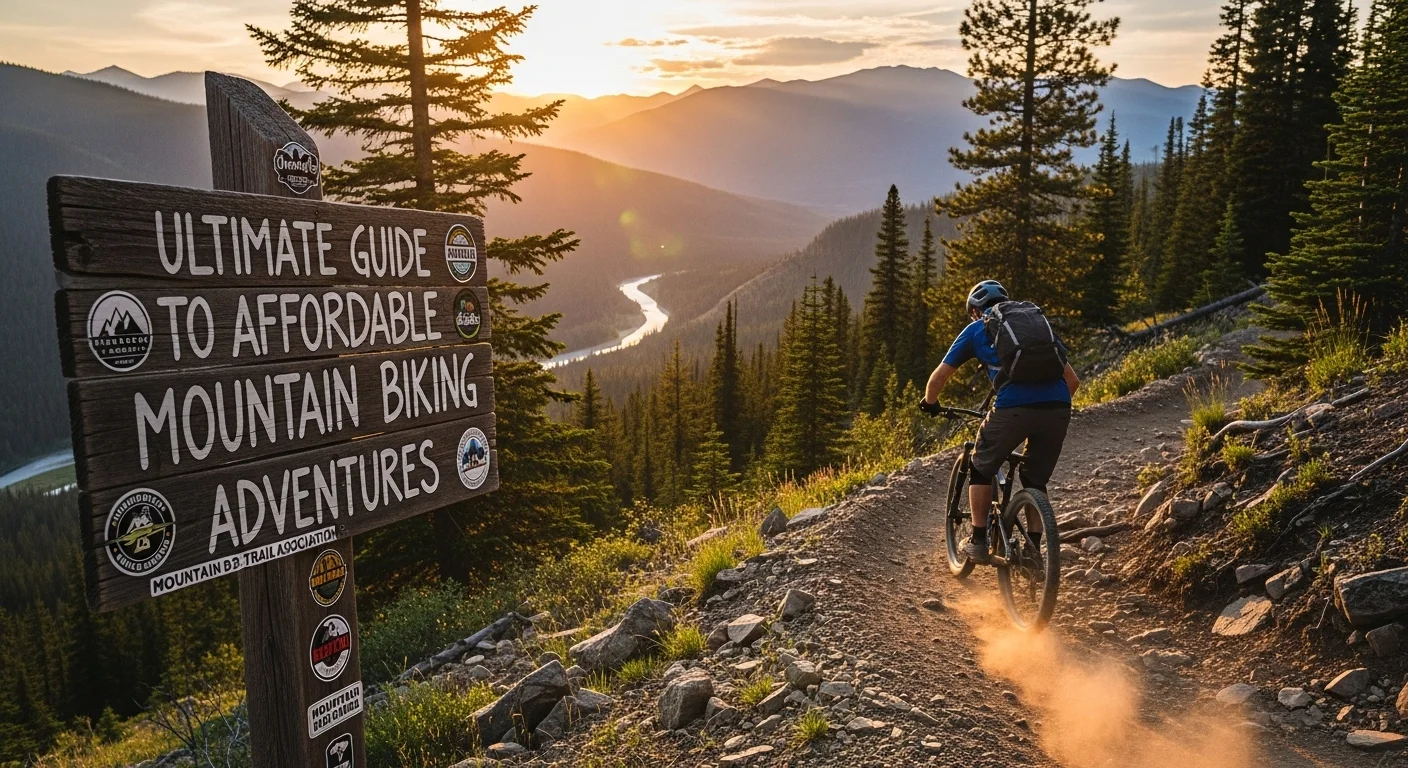
Mountain biking is more than just riding a bike on a dirt path; it’s about embracing nature and seeking adventure. I remember the first time I hopped on a mountain bike, the thrill coursing through me as I navigated rocky terrains and steep descents. Unlike road cycling, mountain biking takes you off the beaten path and into the heart of nature, where every twist and turn presents a new challenge. It’s a sport that encourages exploration, fitness, and connection with the environment. For a deeper understanding, check out the Ultimate Guide to Affordable Mountain Biking Adventures.
Types of Mountain Biking
Mountain biking comes in various styles, each offering a unique experience. Here’s a quick rundown of the main types I’ve come to appreciate:
- Cross-Country (XC): This style focuses on endurance and speed over varied terrain. XC biking is often my go-to for long rides that test my stamina.
- Trail Riding: A blend of XC and downhill, trail riding is about enjoying the scenery while tackling moderate challenges. The balance makes it perfect for a casual weekend ride with friends.
- All-Mountain/Enduro: This type emphasizes downhill riding but requires climbing too. I find it thrilling to race down steep trails, knowing that I have to earn my descent.
- Downhill: If you love speed and adrenaline, downhill biking is for you. It’s all about descending steep and rugged trails at high speeds. I remember my first downhill ride; my heart raced, and the wind rushed past me as I flew down the mountain.
- Dirt Jumping: For those who love air tricks, dirt jumping involves riding on specially made jumps. I’ve seen some incredible stunts, and while I’m not quite there yet, I admire those who can catch some serious air!
Essential Gear for Mountain Biking
Having the right gear can make your mountain biking experience enjoyable and safe. Here’s what I consider essential:
- Mountain Bike: It all starts with the bike. Depending on the terrain, I prefer a hardtail for cross-country rides or a full-suspension bike for more rugged trails.
- Helmet: Safety first! I never ride without my helmet. It’s a must for protecting your head in case of falls.
- Gloves: They provide grip and protect my hands from blisters, especially on long rides.
- Clothing: Breathable, moisture-wicking clothing is ideal. I always opt for padded shorts for comfort on longer rides.
- Hydration Pack: Staying hydrated is crucial. I like to have water easily accessible without stopping too much.
- Repair Kit: Flats happen, and I learned the hard way to always have a basic repair kit on hand. It includes a pump, tire levers, and patches.
Investing in quality gear might cost a bit upfront, but trust me, it pays off in comfort and safety. I’ve made the mistake of skimping on gear before, and it’s not an experience I’d like to repeat! As I gear up for my next adventure, I remind myself that the right equipment lets me focus on the ride rather than worrying about my safety.
Choosing the Right Destination
Top Budget-Friendly Mountain Biking Locations
As I’ve explored various trails, I’m always on the lookout for budget-friendly destinations that offer thrilling rides without emptying my wallet. Here are some favorites:
Appalachian Trails
The Appalachian Mountains offer a mix of stunning landscapes and diverse trails. I love the accessibility of this region, and many trails are free to use. Whether you’re a beginner or a seasoned rider, you’ll find something that suits your skill level.
Moab, Utah
Moab is iconic for mountain biking, with countless trails and breathtaking views. While some areas can be pricey, I discovered that there are plenty of free trails, especially if you venture a bit off the beaten path. For more options, you can Explore the Best Mountain Biking Trails on a Budget.
Whistler, Canada
Whistler isn’t just for winter sports; it’s a mountain biking paradise in the summer! Though it can be a bit more expensive, many trails are free, and the scenery is absolutely worth it. I’ve made lasting memories there, zipping through the woods with friends.
North Shore, British Columbia
This area is famous for its technical trails and breathtaking views. While some parts can be challenging, I’ve found that many trails cater to varying skill levels. Plus, the community vibe is welcoming and encourages newcomers.
Factors to Consider When Choosing a Destination
When planning a mountain biking trip, a few factors play a crucial role in ensuring a great experience:
Trail Difficulty Levels
Knowing your skill level and matching it to the trails is essential. I’ve learned to check the ratings before heading out to avoid biting off more than I can chew!
Accessibility and Travel Costs
Some trails might be stunning, but if they’re hard to get to, it can become a hassle. I prefer locations that are easy to access, as it saves time and money.
Local Amenities and Services
Having bike shops, restaurants, and places to stay nearby can make your trip smoother. I always check what’s available in the area before booking my adventure.
With these insights, I hope you’re feeling inspired to embark on your own mountain biking adventure! Understanding what mountain biking is all about, the types of biking, essential gear to have, and how to choose the right destination can transform your experience from ordinary to extraordinary. Ready for the next steps? Let’s dive deeper into planning your adventure!
Planning Your Adventure
Best Times of Year for Mountain Biking
One of the things I’ve learned about mountain biking is that timing can make a huge difference in your experience. Different seasons offer unique challenges and scenery. For me, the best time to hit the trails really depends on where I am and what I’m looking for.
- Spring: This is when I often feel the most excited to get back on my bike. The weather is mild, and the trails are often less crowded. I love seeing nature come alive with blooming flowers and lush greenery. Just be prepared for some muddy trails after the winter thaw!
- Summer: Summer can be great for long rides, especially in cooler regions. However, I’ve found that some trails can get really busy. Early mornings or late afternoons are the best times to avoid crowds and enjoy the warm sunlight. Just make sure to stay hydrated!
- Fall: Fall is truly magical for mountain biking. The changing colors of the leaves create stunning backdrops. I personally enjoy riding during this season because the trails are usually drier and more manageable. Plus, the cooler temperatures make for a comfortable ride.
- Winter: While I don’t go mountain biking in the snow, some riders love fat biking on snowy trails. If you’re adventurous, that could be a fun way to enjoy the season, but it’s definitely a different experience than summer riding.
Budgeting for Your Trip
Budgeting is key to a successful mountain biking adventure without breaking the bank. I’ve learned to plan ahead and allocate funds for different expenses to avoid any surprises.
Travel Costs
Travel costs can vary greatly depending on how far you’re going. I usually compare different transportation options like driving versus flying. If I’m going somewhere local, I often opt for a road trip, which can be a fun way to explore along the way. For longer trips, I look for flight deals and rent a car once I arrive. I always check for local bike transport options as well, which can save some hassle.
Lodging Options
For accommodations, I’ve found that camping can be a fantastic, budget-friendly choice. There’s nothing quite like waking up in nature! If camping isn’t your thing, consider looking for affordable lodges or hostels nearby. I’ve also used rental services like Airbnb to find cozy places that fit my budget. Just remember to book early, especially during peak biking seasons.
Food and Supplies
Food can add up quickly, so I usually pack snacks and simple meals. I love preparing a hearty breakfast before hitting the trails. Plus, having energy bars and fruits on hand keeps my energy up during rides. When I do eat out, I try to find local diners or food trucks that offer delicious, affordable meals. I’ve discovered some hidden gems this way!
Finding Affordable Rentals and Tours
If you don’t own a bike or are traveling far from home, renting is a great option. I always check local shops or bike rental services at my destination. Sometimes, I’ve found incredible deals on multi-day rentals. If you’re part of a biking community or club, ask for recommendations! They often know the best places to go for quality bikes at reasonable prices.
Another option is to look into guided tours, especially if you’re new to an area. While tours can be pricier, they often include bike rentals and provide local knowledge. I’ve taken tours that introduced me to trails I would have never found on my own. Plus, it’s a great way to meet fellow biking enthusiasts!
Trail and Route Recommendations
Beginner-Friendly Trails
If you’re just starting out, finding the right trail can make all the difference. Some trails are specifically designed for beginners, offering smooth rides and gentle slopes. I remember my first experience on a beginner trail; it was a confidence booster! I recommend checking out local parks or nature reserves, which often have well-marked beginner routes.
Intermediate Trail Recommendations
Once you’re comfortable, you might want to step up your game. Intermediate trails typically feature more challenging features like roots, rocks, and climbs. I’ve enjoyed tackling these types of trails because they push my skills and keep things exciting. Always check online reviews or local biking forums to find trails that suit your growing abilities!
Advanced Trails for Experienced Bikers
For those who crave a challenge, advanced trails can really test your skills. These routes often include steep descents, technical sections, and rugged terrain. I’ve had some exhilarating rides on these trails, but they require experience and confidence. Always ride within your limits and practice on less challenging trails before attempting these!
Safety Considerations for Mountain Biking
Essential Safety Gear
When it comes to mountain biking, safety is non-negotiable. I’ve had my share of spills, and each time, I’ve learned the importance of being well-prepared. The right safety gear can significantly reduce the risk of injury and enhance your overall riding experience. Here are the essentials I always make sure to have:
- Helmet: This is the first and most important piece of gear. I can’t stress enough how crucial it is to wear a properly fitting helmet. It saved me from a nasty head injury during a fall, and I’m grateful every time I put it on.
- Gloves: I like wearing gloves not only for grip but also for protection against scrapes and blisters. A good pair of padded gloves makes a world of difference, especially during long rides.
- Protective Pads: Depending on the type of biking I’m doing, I might wear knee and elbow pads. They add a layer of safety, particularly on technical or downhill trails where falls can happen more frequently.
- Eye Protection: Sunglasses or goggles are essential for protecting my eyes from debris, sun, and other environmental factors. I’ve had moments where I’ve been grateful for this extra layer of protection.
- Proper Footwear: I prefer shoes designed for mountain biking, which provide better traction and support. They help me feel more connected to the bike, which is key for control.
Understanding Trail Etiquette
Mountain biking isn’t just about the ride; it’s also about sharing the trails with fellow bikers and hikers. I’ve learned that understanding trail etiquette can help everyone enjoy the experience more. Here are a few guidelines I try to follow:
- Yield Appropriately: When I’m on a bike, I always yield to pedestrians and those on horseback. It’s important to respect others on the trail.
- Stay on Designated Trails: To protect the environment, I stick to established trails. This helps prevent erosion and preserves the natural beauty of the area.
- Announce My Presence: If I’m approaching other riders or hikers, I make sure to announce myself. A friendly “on your left” or “hello” goes a long way in maintaining safety and courtesy.
- Be Mindful of Speed: I try to be aware of my speed, especially in crowded areas. Riding at a safe speed helps prevent accidents and keeps the experience enjoyable for everyone.
- Pack Out What You Pack In: I always carry out any trash I bring with me, plus anything I might find along the way. Keeping the trails clean is a responsibility we all share.
First Aid Tips and Emergency Preparedness
No one likes to think about accidents, but being prepared can make all the difference. I’ve learned to carry a basic first aid kit on every ride, and I recommend everyone do the same. Here are some essentials to include:
- Adhesive Bandages: Great for small cuts and scrapes. I always keep a few in my kit.
- Antiseptic Wipes: These help clean wounds and prevent infections, which is especially important when I’m out in nature.
- Gauze and Medical Tape: For larger injuries, having gauze can help control bleeding. I’ve found it invaluable in more serious situations.
- Pain Relievers: I like to keep some over-the-counter pain medication on hand just in case I feel sore after a long ride.
- Emergency Contact Information: I always write down important contacts, so if something happens, others can easily reach my loved ones or emergency services.
In addition to carrying gear, I’ve also learned to be aware of my surroundings. Before heading out, I take a moment to familiarize myself with the area and let someone know my route. Having a charged phone is essential too, as it can help in emergencies.
Community and Events
Local Mountain Biking Clubs and Groups
One of the best ways to enhance your mountain biking experience is by connecting with others who share your passion. Joining a local mountain biking club can introduce you to new trails, tips, and friends. I’ve discovered some of my favorite spots through group rides organized by clubs in my area. They often host events and workshops that cater to all skill levels, which is great for learning and improving.
Mountain Biking Events and Competitions
If you’re looking to elevate your biking experience, participating in events or competitions can be a thrilling way to do it. I’ve entered a few friendly races, and while the competition can be intense, the camaraderie among riders is what truly stands out. These events often have categories for different skill levels, so everyone can find their place. Plus, they’re an excellent way to meet fellow biking enthusiasts and share experiences.
Online Resources and Forums for Bikers
In today’s digital age, we have a wealth of information at our fingertips. Online forums and social media groups dedicated to mountain biking are fantastic resources. I often visit these platforms to ask questions, share my experiences, and get tips from seasoned riders. Websites like Reddit and specialized biking forums have communities that are more than willing to help newbies and veterans alike. Whether you’re looking for trail recommendations, gear advice, or just someone to share a ride with, these online spaces can be incredibly helpful.
Frequently Asked Questions
What is mountain biking?
Mountain biking is a sport that goes beyond riding a bike on dirt paths; it involves embracing nature and seeking adventure. It encourages exploration, fitness, and connection with the environment.
What are the main types of mountain biking?
The main types of mountain biking include Cross-Country (XC), Trail Riding, All-Mountain/Enduro, Downhill, and Dirt Jumping, each offering unique experiences and challenges.
What essential gear do I need for mountain biking?
Essential gear for mountain biking includes a mountain bike, helmet, gloves, breathable clothing, hydration pack, and a repair kit. This gear enhances safety and comfort during rides.
What are some budget-friendly mountain biking locations?
Some budget-friendly mountain biking locations include Appalachian Trails, Moab in Utah, Whistler in Canada, and North Shore in British Columbia, which offer varied trails at minimal or no cost. For the ultimate thrill, check out the Top 10 Budget Mountain Biking Trails for Thrill Seekers.
What factors should I consider when choosing a mountain biking destination?
Factors to consider include trail difficulty levels, accessibility and travel costs, and local amenities and services, which can enhance your overall experience.
When is the best time of year for mountain biking?
The best times for mountain biking can vary, but spring offers mild weather and blooming nature, summer is great for long rides, fall provides stunning scenery, and winter can be suitable for fat biking in snowy conditions.
How can I budget for a mountain biking trip?
Budgeting for a mountain biking trip involves planning for travel costs, lodging options, and food and supplies. Consider tactics like camping for accommodations and packing snacks to save money.
What safety gear is essential for mountain biking?
Essential safety gear includes a helmet, gloves, protective pads, eye protection, and proper footwear, all of which help reduce the risk of injury and enhance the riding experience.
What are some important trail etiquette tips for mountain bikers?
Important trail etiquette tips include yielding to pedestrians, staying on designated trails, announcing your presence to others, being mindful of speed, and packing out what you pack in to keep trails clean.
How can I connect with other mountain bikers?
You can connect with other mountain bikers by joining local clubs, participating in events and competitions, and utilizing online resources and forums dedicated to mountain biking.