
Mountain climbing is more than just reaching the peak; it’s about the journey, the thrill, and the breathtaking views. If you’re eager to explore the heights without breaking the bank, you’re in the right place! Read Interesting article: Explore These 7 Affordable Mountain Climbing Spots
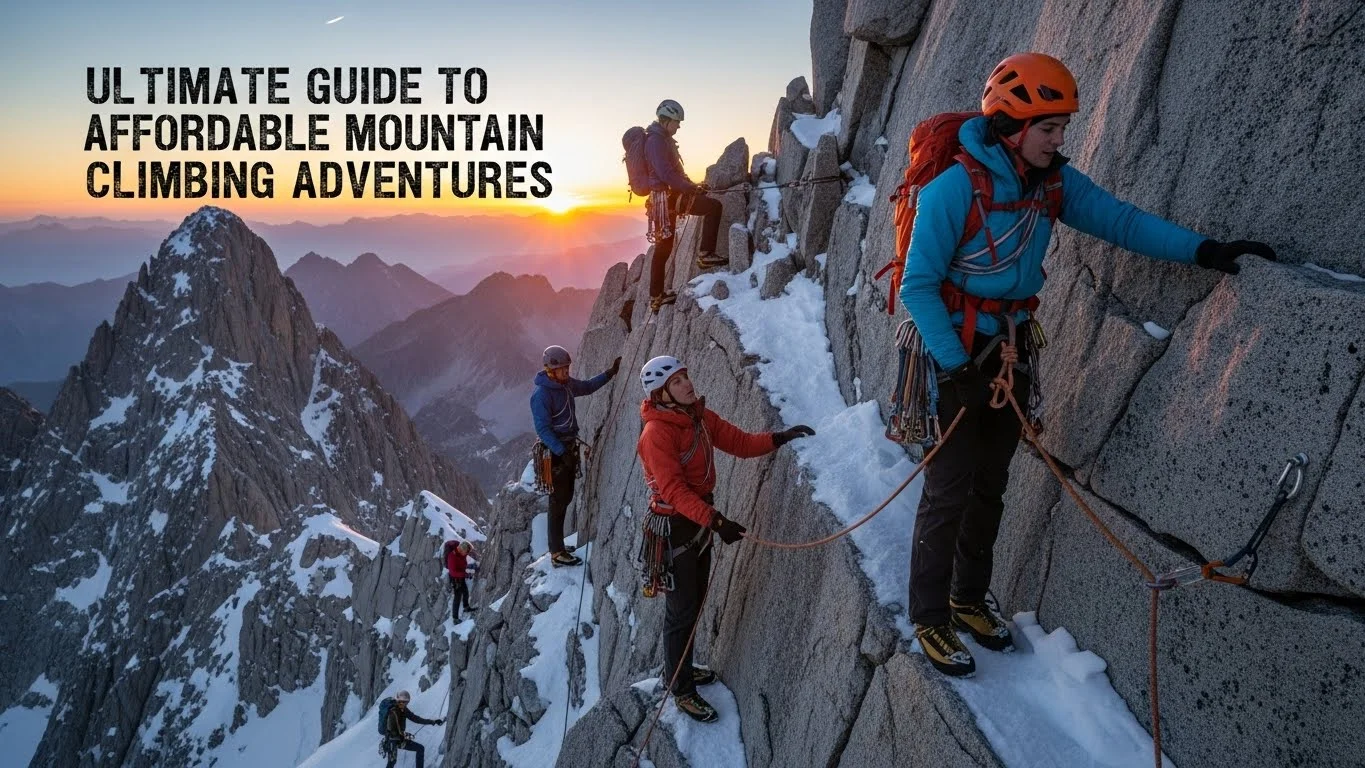
Understanding Mountain Climbing
What is Mountain Climbing?
Mountain climbing, in my experience, is a thrilling adventure that combines physical exertion with breathtaking natural beauty. It involves ascending mountains or rock formations, often using a mix of climbing techniques, gear, and sometimes the help of guides. It’s more than just a sport; it’s a way to connect with nature, challenge yourself, and discover new limits. I remember my first climb vividly; the adrenaline rush as I reached the summit was like nothing I had ever felt before. Every step felt like a personal victory, and the stunning views at the top made all the effort worthwhile.
Different Types of Mountain Climbing
There are several types of mountain climbing, each offering a unique experience. I’ve dabbled in a few, and here’s what I’ve learned:
- Rock Climbing: This is often done on natural rock formations or artificial rock walls. It’s all about technique, strength, and problem-solving. I was surprised at how much mental focus it required!
- Alpine Climbing: This combines rock climbing with ice climbing. It’s typically done on snow-covered mountains and requires more gear and skills. I found the challenge exhilarating, especially when traversing icy paths.
- Mountaineering: This refers to the ascent of high peaks, often involving various terrains and weather conditions. It’s a journey that can take days, which is something I learned the hard way on my first multi-day trek!
- Ice Climbing: As the name suggests, this is climbing on ice formations, such as frozen waterfalls. I tried this once, and let me tell you, it was both thrilling and a bit terrifying!
Essential Gear for Mountain Climbing
Having the right gear is crucial for any climbing adventure. It can make the difference between a successful climb and a miserable experience. Here’s a list of essentials I never go without:
- Climbing Shoes: These are specially designed to provide support and grip on the rocks. Investing in a good pair is a game-changer. I remember when I finally got my first pair; they felt like a second skin!
- Harness: If you’re doing any kind of technical climbing, a harness is a must-have for safety. It’s comforting to know I’m secured while tackling steep sections.
- Helmet: Protecting your noggin is paramount. I once saw a rock fall near a climber, and that reinforced just how important it is to wear a helmet!
- Climbing Rope: This is essential for safety, particularly in technical climbs. It’s something I’ve learned to trust completely as it has saved me from potential falls.
- Backpack: A good backpack helps carry everything you need without weighing you down. I always ensure mine is lightweight yet spacious enough for my gear and snacks!
Beyond these basics, I’ve found that weather-appropriate clothing, first aid kits, and navigation tools are also incredibly useful. It’s all about being prepared for whatever the mountain throws at you.
Mountain climbing can be an accessible pursuit for many of us, especially when we understand its essence, the types we can choose from, and the equipment we need to succeed. I can’t wait to share more about choosing affordable destinations and planning a climbing adventure next!
Choosing Affordable Destinations
Top Budget-Friendly Mountain Climbing Locations
When I started mountain climbing, I quickly realized that the location can make or break the experience, especially when you’re watching your wallet. I’ve discovered some fantastic budget-friendly climbing destinations that not only offer exhilarating climbs but also breathtaking scenery without emptying your pockets. Here are a few of my favorites:
- Red River Gorge, Kentucky: This place is a gem for rock climbers of all levels. With hundreds of climbing routes, you can easily spend a week here. The entry fees to the parks are minimal, and the stunning sandstone cliffs are just incredible!
- Joshua Tree National Park, California: This iconic destination is known for its unique rock formations. While the park does have an entry fee, the low-cost camping options make it a budget-friendly choice. Plus, the stargazing at night is simply unforgettable.
- Mount Hood, Oregon: For those looking for a classic mountaineering experience, Mount Hood offers affordable access to stunning terrain. The surrounding areas have plenty of free camping spots, making it easy to enjoy a climbing trip without breaking the bank.
National Parks with Affordable Climbing Options
National parks can be a great way to experience climbing without a hefty price tag. They often have established climbing routes and facilities that make it easier for climbers. Here are a few national parks that I think are worth considering:
- Yosemite National Park, California: While some might see Yosemite as a pricey destination, I found that with a little planning, it can be quite affordable. You can camp in the park for a reasonable fee and access world-famous climbing routes like El Capitan and Half Dome.
- Rocky Mountain National Park, Colorado: This park features stunning alpine climbing opportunities. The entry fee is quite reasonable, and there are numerous free camping areas nearby. I loved the variety of climbs available, from bouldering to serious ascents.
- Acadia National Park, Maine: Acadia is often overlooked, but it offers some excellent climbing opportunities on granite cliffs. The park’s entrance fee is modest, and you can find affordable accommodations in nearby towns.
International Destinations for Budget Climbers
If you’re feeling adventurous and want to explore climbing locations beyond the U.S., there are numerous international destinations that are surprisingly affordable. I’ve had some great experiences abroad, and here are a few budget-friendly spots worth checking out:
- Costa Blanca, Spain: Known for its beautiful cliffs and sunny weather, Costa Blanca is a climbing paradise. The cost of living is low, and you can find cheap accommodations and food. I loved spending days climbing and evenings relaxing by the beach!
- Thailand: With places like Krabi and Railay Beach, Thailand is an excellent destination for climbers. The limestone cliffs are breathtaking, and the food and lodging are incredibly affordable. It’s hard to beat a day of climbing followed by a sunset on the beach.
- Morocco: If you’re looking for a unique climbing experience, Morocco’s Todra Gorge offers stunning rock climbing at budget-friendly prices. The local culture is vibrant, and the cost of food and lodging is very reasonable. I found myself enchanted by the local markets after a long day of climbing!
Choosing affordable climbing destinations has opened up so many opportunities for me. I’ve learned that with a little research and flexibility, we can experience some of the world’s best climbing spots without breaking the bank. Next up, let’s dive into planning your climbing adventure, focusing on the best times to climb and how to budget effectively!
Planning Your Climbing Adventure
Best Time to Climb: Seasonal Considerations
When I first started planning my climbing trips, I quickly realized that timing is everything. The weather can make a significant difference in our experience, and different seasons can offer unique challenges and rewards. For me, spring and fall have often been the best times to climb. The temperatures are usually mild, making it comfortable for long days on the rock. I remember one stunning autumn morning when the leaves were turning golden hues, and the air was crisp; it made the whole experience feel magical.
In summer, while many popular climbing spots can be crowded, I’ve discovered that early mornings or later afternoons can still offer a great chance to enjoy climbs in more solitude. However, I learned the hard way that some areas can be sweltering during midday, so I always try to plan my climbs around the coolest times of day.
Winter climbing is a different beast altogether. It can be beautiful, but it requires a whole new set of skills and gear. I’ve ventured out in winter conditions, and while the snowy landscapes are breathtaking, I’ve also faced some intense challenges that made me appreciate the warmth of spring all the more! So, depending on your skills and preferences, think carefully about the season that aligns with your climbing goals.
Creating a Budget for Your Adventure
Budgeting for a climbing adventure can feel overwhelming at first, especially if you want to experience everything a destination has to offer. I’ve found it helpful to break down my expenses into categories to keep things organized. Here’s what I typically consider:
- Travel Costs: This includes transportation to and from the climbing destination. I often look for deals on flights or consider road trips with friends, which can make it more affordable.
- Park Entrance Fees: Some places charge to enter, so I factor this into my budget. I’ve noticed that many national parks offer annual passes, which can be a great investment if you plan to visit multiple times.
- Accommodation: I usually look for budget-friendly options, like campgrounds or hostels. Sometimes, I’ll even split costs with climbing partners, which makes a significant difference in overall expenses.
- Food and Supplies: Packing meals or snacks can save a lot of money compared to eating out. I enjoy cooking at camp; it becomes part of the adventure. I remember sharing hearty meals around the fire after a long day of climbing—those moments are priceless.
- Gear Rentals: If you’re new to climbing or trying a different discipline, renting gear is often more economical than buying everything. I’ve rented gear in several places, and it allows me to test out new equipment without committing.
By planning ahead and being mindful of my expenses, I’ve been able to enjoy climbing trips without the stress of overspending. It’s all about finding a balance that works for you!
Finding Affordable Accommodation Near Climbing Areas
Finding a place to stay doesn’t have to break the bank. In my experience, there are plenty of options that cater to climbers looking for budget-friendly accommodations. Here are some of my go-to strategies:
- Campsites: Many climbing areas have campgrounds nearby, and I often choose to camp for both the cost savings and the experience of being closer to nature. Waking up to the sound of birds and the smell of fresh pine is unbeatable!
- Hostels: I’ve stayed in hostels that cater specifically to outdoor enthusiasts. They often have communal areas perfect for meeting fellow climbers and sharing tips, which adds to the overall experience.
- Vacation Rentals: If I’m traveling with friends, I’ll explore renting a cabin or apartment. Splitting the cost makes it much more affordable, and it’s nice to have a little home base to return to after a long day.
- Local Recommendations: I always ask locals or fellow climbers for suggestions on where to stay. Often, they’ll know about hidden gems that aren’t listed online. I remember stumbling upon a quaint little inn that offered discounts for climbers!
By being flexible and adventurous with my accommodation choices, I’ve saved money and created some amazing memories along the way. The journey is just as important as the climb, and where we stay can enhance that experience.
Preparation and Training
Physical Training for Mountain Climbing
When I first started climbing, I thought it was all about the gear and the location. But, I quickly learned that physical training is just as crucial. Climbing demands strength, endurance, and flexibility. I remember kicking off my training by incorporating a mix of cardio, strength, and flexibility exercises into my routine.
Running and hiking have helped me build cardiovascular endurance, which is essential for those long days on the mountain. I also turned to weightlifting to strengthen my legs, core, and arms. My favorite exercises included squats, deadlifts, and pull-ups. I found that these not only improved my climbing skills but also boosted my overall confidence. Additionally, I made sure to incorporate stretching and yoga to enhance my flexibility. I can’t tell you how many times I’ve been thankful for increased flexibility when navigating tricky climbing routes!
Another aspect I focused on was climbing-specific training. I joined a local climbing gym, which allowed me to practice my techniques and meet other climbers. I found that bouldering sessions helped me improve my problem-solving skills and build upper body strength. If you’re just starting, I highly recommend finding a climbing gym to get familiar with the sport and meet others who share your passion.
Essential Skills for Beginners
As I ventured further into climbing, I realized that having the right skills is just as important as physical preparation. I started by learning the basics, such as knot tying and belaying. I remember my first belaying lesson vividly; I was so nervous, but my climbing partner reassured me, and I slowly gained confidence.
Understanding climbing techniques is also vital. I learned about foot placement, body positioning, and how to read rock features. I often practiced these skills at the climbing gym before tackling outdoor routes. There’s something incredibly satisfying about finding the right grip and making it to the top, knowing that I employed my skills to do so!
Another essential skill is navigation. I’ve been in situations where I had to rely on my maps and compass to find the best routes. Familiarizing myself with trail maps and practicing navigation techniques has saved me from getting lost many times. It’s a skill I value greatly, especially when exploring new territories.
Safety Precautions and Risk Management
When it comes to mountain climbing, safety should always be a top priority. I’ve had my share of close calls, which taught me valuable lessons. I can’t stress enough how important it is to do proper risk assessments before each climb. I always check the weather, assess my climbing partner’s skill level, and ensure that our gear is in good condition.
Another essential safety measure is to let someone know my climbing plans. I’ve always made it a habit to share my itinerary with a friend or family member. This way, if something goes wrong, someone knows where to look for us. I also learned the importance of carrying a first aid kit. On one of my climbs, a minor scrape turned into a bigger issue, and having basic medical supplies on hand made a world of difference.
Lastly, I’ve practiced climbing with a helmet and harness from day one. I know it can feel bulky, but it’s a small price to pay for the protection they offer. Safety never takes a holiday, and I’ve learned that the best climbs are the ones where everyone returns home unscathed.
Guided vs. Independent Climbing
Pros and Cons of Guided Climbing Tours
When I first started climbing, I considered whether I wanted to go with a guided tour or venture out on my own. Guided climbing tours can be a fantastic way to learn, especially for beginners. I remember my first guided climb; the instructor not only taught us the ropes but also shared invaluable insights about the area and climbing techniques.
The benefits of guided tours include safety and local knowledge. I felt reassured knowing that an experienced guide was leading the way. However, they can be pricier than independent climbs, which is something to consider if you’re on a tight budget. I also noticed that sometimes, it felt rushed. There were moments when I just wanted to soak in the views, but the group had to keep moving. It’s important to weigh these factors when deciding if a guided tour is right for you.
How to Plan an Independent Climb
For those who prefer independence, planning your climb can be incredibly rewarding. I’ve had many adventures exploring different routes on my own or with friends. The key is thorough research. I spend time studying maps, reading climbing blogs, and connecting with other climbers to gather insights about the area. It’s all about preparation!
Another thing I learned is to ensure that I have the right permits if required. Some climbing areas have regulations that need to be followed, and I always make sure I comply with those. This not only keeps me legal but also helps in preserving the beautiful environments we love to explore.
Finding Affordable Guides and Resources
If you decide to go the guided route, I’ve found that many companies offer discounts for groups or off-peak times. Research is key here—I’ve discovered hidden gems by checking reviews online and reaching out to local climbing communities. Many climbers are more than willing to share their experiences and recommendations.
Additionally, I’ve come across online platforms that connect climbers with local guides. This often leads to more personalized experiences at a fraction of the cost of larger companies. Don’t hesitate to ask about your guide’s experience and certifications; it’s important to feel secure in their abilities!
Local Culture and Experience
Engaging with Local Communities
One of the most rewarding aspects of climbing is connecting with local communities. I always make an effort to engage with the people I meet along the way. Whether it’s sharing stories with fellow climbers at a campsite or chatting with locals at a coffee shop, these interactions enrich my climbing experiences. I’ve picked up tips about the best routes, hidden gems, and even local traditions.
Traditional Foods to Try While Climbing
Food plays a big part in my climbing adventures. I love trying local cuisine, and I often seek out traditional dishes when I’m in new areas. For example, I once had an incredible meal of tagine in Morocco after a day of climbing, and it was the perfect fuel for my body. Each region has its specialties, and enjoying local foods has become a delightful aspect of my travels.
Respecting Nature and Local Regulations
As we chase our climbing dreams, it’s crucial to respect nature and the local regulations. I’ve seen firsthand how our actions can impact the environments we love. I always follow Leave No Trace principles, ensuring that I pack out what I pack in and minimize our footprint. It’s about preserving these stunning landscapes for future climbers, and it’s something I feel passionately about.
Post-Climb Activities and Attractions
Exploring Nearby Attractions and Activities
After an exhilarating climb, I often like to unwind and explore the surroundings. Many climbing areas boast beautiful parks, hiking trails, or cultural landmarks. I remember one trip where, after a long day of climbing, I visited a local museum showcasing the area’s history. It added another layer to my experience, connecting me to the place beyond just the climb.
Rest and Recovery Options
Rest and recovery are just as essential as the climb itself. I’ve discovered that taking time to relax after a climb helps prevent injuries and keeps my energy up for future adventures. Whether it’s soaking in a hot tub, enjoying a massage, or simply lounging at the campsite, I make it a priority to take care of my body after challenging climbs.
Sharing Your Climbing Experience: Tips for Blogging and Social Media
After every climbing adventure, I find myself eager to share my experiences, whether through social media or blogging. Capturing the breathtaking views and writing about the journey allows me to relive those moments. I recommend telling stories that resonate with your audience—sharing the challenges, triumphs, and the beauty of nature. I love when fellow climbers connect through my posts, and it’s a great way to inspire others to explore the mountains!
Final Thoughts
Mountain climbing has transformed my life in so many ways. Each climb is an opportunity for adventure, growth, and connection—both with nature and with fellow climbers. I’ve learned to embrace the journey, prepare diligently, and respect the environments we explore. I hope my experiences inspire you to embark on your own climbing adventures. Remember, it’s not just about reaching the summit; it’s about the memories you create along the way. Here’s to our next adventure!
Frequently Asked Questions
What is mountain climbing?
Mountain climbing is a thrilling adventure that combines physical exertion with breathtaking natural beauty. It involves ascending mountains or rock formations using various climbing techniques, gear, and sometimes the help of guides. It’s a way to connect with nature and challenge oneself.
What are the different types of mountain climbing?
The main types of mountain climbing include rock climbing, alpine climbing, mountaineering, and ice climbing. Each type offers a unique experience, from technical rock climbing to traversing icy paths and ascending high peaks.
What essential gear do I need for mountain climbing?
Essential gear for mountain climbing includes climbing shoes, a harness, a helmet, climbing rope, and a good backpack. Weather-appropriate clothing, first aid kits, and navigation tools are also important for a successful climb.
What are some budget-friendly mountain climbing locations?
Some budget-friendly climbing locations include Red River Gorge in Kentucky, Joshua Tree National Park in California, and Mount Hood in Oregon. These places offer exciting climbs and stunning scenery without high costs. Read Interesting article: Explore the Best Mountain Climbing Spots on a Budget
How can I plan my climbing adventure effectively?
Planning a climbing adventure involves considering the best time to climb based on seasonal weather, creating a budget that includes travel costs, park entrance fees, accommodations, food, and gear rentals, and finding affordable places to stay near climbing areas.
What are some physical training tips for mountain climbing?
Physical training for mountain climbing should include a mix of cardio, strength, and flexibility exercises. Activities like running, hiking, weightlifting, and yoga can help build the necessary endurance and strength for climbing.
What safety precautions should I take while climbing?
Safety precautions include conducting risk assessments before climbs, letting someone know your climbing plans, carrying a first aid kit, and always using a helmet and harness. Being aware of weather conditions and ensuring gear is in good condition is also vital.
What are the pros and cons of guided climbing tours?
Guided climbing tours offer safety and local knowledge, which can be beneficial for beginners. However, they can be more expensive and may feel rushed at times, making it important to weigh these factors when considering a guided tour.
How can I engage with local communities while climbing?
Engaging with local communities can enhance your climbing experience. This can be done by sharing stories with fellow climbers, trying traditional foods from the area, and respecting local regulations and nature.
What should I do for rest and recovery after a climb?
Rest and recovery options after a climb include soaking in a hot tub, enjoying a massage, or simply relaxing at the campsite. Taking time to care for your body is essential to prevent injuries and prepare for future adventures.