
Whitewater rafting is an exhilarating way to experience nature, and it doesn’t have to break the bank. Join me as we navigate through the ultimate guide to affordable rafting adventures that will leave you breathless and thrilled! Read Interesting article: Top 7 Budget-Friendly Whitewater Rafting Trips
Understanding Whitewater Rafting
What is Whitewater Rafting?
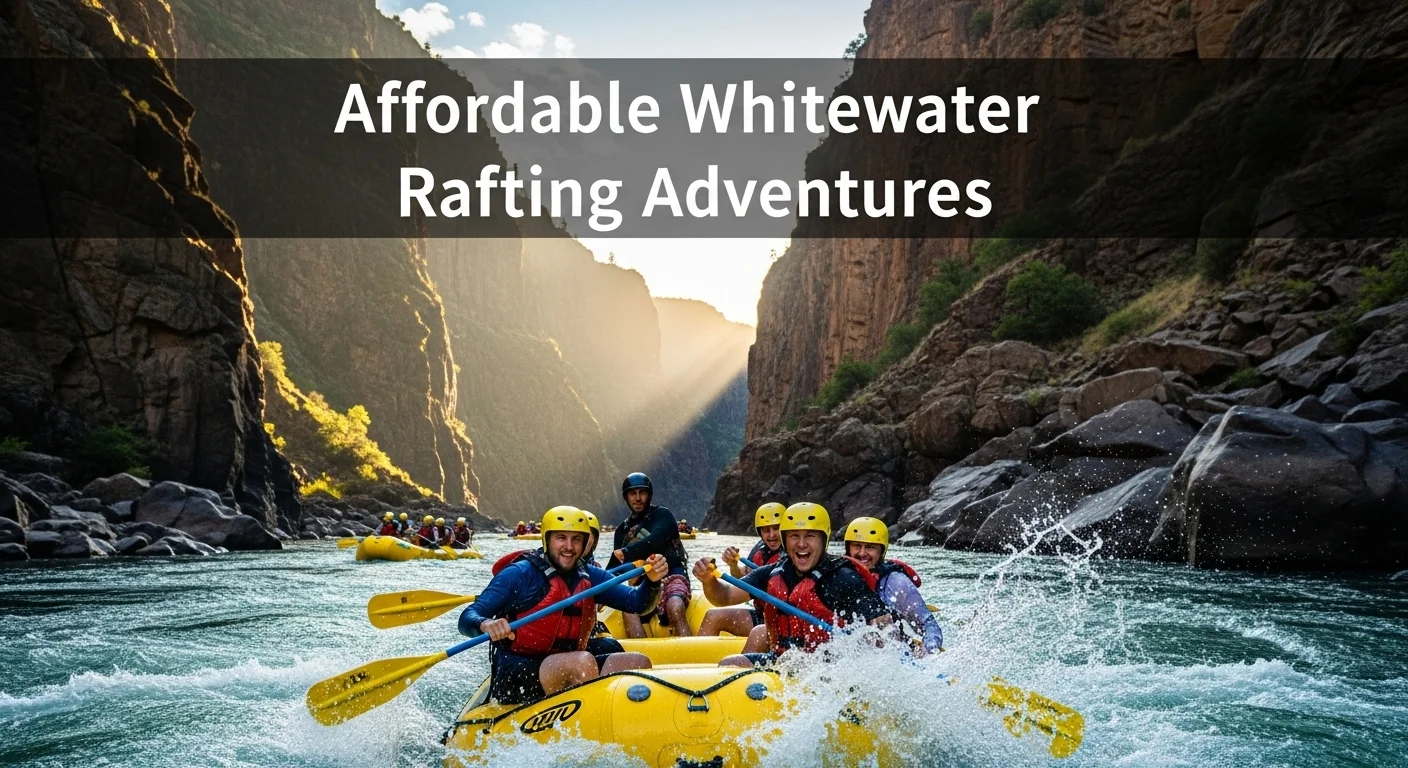
Whitewater rafting is an adventure sport that involves navigating through turbulent river waters in an inflatable raft. I remember my first time on the river; the adrenaline rush was unlike anything I had ever experienced. The primary goal? To paddle through rapids, dodge obstacles, and enjoy the stunning scenery around us. It’s not just about the thrill; it’s also a fantastic way to bond with friends or meet new people who share a love for adventure.
Many might wonder how it differs from regular boating. Well, the key element is the rapids—those fast-moving sections of water that create waves and turbulence. The excitement comes from working together as a team, strategizing our moves, and responding to the unpredictable nature of the river. For me, each trip is a reminder of how connected we can feel to the natural world and to each other.
Types of Whitewater Rafting Classes
Whitewater rafting is categorized into classes that indicate the difficulty level of the rapids. Here’s a breakdown of the classes, based on my experiences:
- Class I: These are easy waters with minimal obstacles. Perfect for beginners, and I often recommend this class for families with kids.
- Class II: Slightly more challenging, with some small waves and rocks. Still manageable for novices, but a little more thrilling!
- Class III: Here’s where the fun begins. These rapids have moderate waves and require precise maneuvering. It was in a Class III that I truly learned the importance of teamwork.
- Class IV: This class offers intense rapids and demanding navigation. It’s exhilarating, and I found myself both scared and excited at once!
- Class V: Reserved for the experts, these rapids can be dangerous and are not for the faint-hearted. After experiencing Class IV, I realized I wasn’t ready for this level just yet.
Essential Gear for Rafting
Before heading out on the water, it’s crucial to have the right gear. I’ve learned the hard way that being unprepared can turn a fun trip into a miserable one. Here’s a list of essentials:
- Personal Flotation Device (PFD): Safety first! Always wear a life jacket. I felt much safer knowing I had one on during my first trip.
- Helmet: Protecting your head is essential, especially in rocky areas. I was grateful for my helmet when we hit a particularly rough patch.
- Paddle: A good paddle is crucial for navigating the rapids. I remember trying out different paddles until I found one that felt right for me.
- Clothing: Dress for the water conditions. Quick-dry clothes and a swimsuit work well. I learned to avoid cotton, as it stays wet forever!
- Footwear: Water shoes or sandals with straps keep your feet protected and give you grip while paddling.
Additionally, packing a dry bag for your personal items is a smart move. I once lost my wallet to the water, and I tell you, it was a lesson learned!
Embarking on a whitewater rafting adventure can be one of the most thrilling experiences of your life. Understanding what it is, the types of rapids, and the essential gear can make the difference between a good trip and a great one. I can’t wait to share more about choosing the right destination next, as that’s where the real fun begins!
Choosing the Right Destination
Top Affordable Whitewater Rafting Locations in the US
When it comes to choosing a destination for whitewater rafting, I’ve learned that there are some incredible spots across the United States that won’t empty your wallet. Here are a few of my favorites:
- Arkansas River, Colorado: This river is a gem for both beginners and experienced rafters. The scenic beauty of the Rockies combined with thrilling Class III and IV rapids makes it a top choice. Plus, there are numerous outfitters offering budget-friendly packages.
- New River Gorge, West Virginia: Often referred to as one of the best whitewater rafting locations in the country, the New River offers a range of rapids. The area is also rich in history and outdoor activities, making it a fantastic spot for a weekend trip.
- Gauley River, West Virginia: Known for its challenging rapids, the Gauley is perfect for those seeking adventure. The best part? If you go during the fall, you can experience the beautiful foliage while hitting the rapids!
- American River, California: This river is a playground for rafters and has options for all levels. The ability to choose your adventure makes it appealing, and the area is filled with stunning views of the Sierra Nevada.
Each of these locations has its own unique charm, and I remember the excitement of planning my trips to each one. It’s not just about the thrill; it’s about the beauty of the landscapes and the memories made along the way. Read Interesting article: Essential First Aid Tips for Mountain Climbing Adventures
International Affordable Rafting Destinations
If you’re feeling adventurous and want to take your rafting experience abroad, there are several international destinations that offer fantastic whitewater rafting opportunities without breaking the bank:
- Rio Pacuare, Costa Rica: This river is often hailed as one of the most beautiful in the world. With its lush rainforests and diverse wildlife, rafting here is an experience like no other. The costs are surprisingly reasonable, and you can even find multi-day trips that include accommodation.
- Zambezi River, Zambia: For those looking for a truly wild ride, the Zambezi offers some of the most exhilarating Class V rapids. While it may seem costly at first glance, there are budget-friendly options, especially during the low season.
- White Nile, Uganda: The White Nile is perfect for thrill-seekers and offers a variety of rapids. The costs for rafting in Uganda are often lower than in many other countries, making it a great option for budget travelers.
Thinking about experiencing these international spots gives me butterflies! There’s something special about rafting in different cultures and environments that adds a whole new layer to the adventure.
Comparison of Rivers: Difficulty and Scenery
When choosing a destination, it’s essential to consider both the difficulty of the river and the scenery you’ll encounter. I’ve often found that a river’s challenge level can significantly impact my overall experience. Here’s a quick comparison based on my experiences:
- Scenic Beauty: While some rivers like the Rio Pacuare are known for their stunning landscapes, others like the New River Gorge offer a mix of history and natural beauty. I always find that the more scenic the route, the more I enjoy my time on the water.
- Rapids Difficulty: If you’re a beginner, I recommend starting on a Class II river like the Arkansas River. The adrenaline starts to build with Class III rivers like the American River, and for more experienced paddlers, Class IV rivers like the Gauley provide the thrill of a lifetime.
- Wildlife and Nature: Some rivers, such as the Zambezi in Africa, offer incredible opportunities to see wildlife up close. I remember spotting elephants while rafting, which was a surreal experience. On the other hand, rivers like the Gauley have rugged terrains and deep valleys.
Ultimately, the choice of destination will depend on what kind of experience you’re seeking. Whether you want to tackle challenging rapids or soak in breathtaking scenery, there’s an adventure waiting for you on the water!
When to Go Whitewater Rafting
Best Seasons for Rafting Adventures
Timing is everything, especially when planning a whitewater rafting adventure. From my experience, the best seasons can vary depending on the river and the region. Generally, late spring to early summer is prime time for most rivers due to melting snow and increased water flow. I remember planning my trip to the American River in June, and the rapids were exhilarating thanks to the spring runoff. On the flip side, late summer and early fall can also offer some great conditions, particularly in warmer climates where the weather is still pleasant. Each season brings its own unique beauty, and I love how the landscapes change with the seasons.
Weather Considerations
Weather plays a crucial role in our rafting experiences. I’ve learned that it’s not just about the temperature; wind, rain, and storms can significantly impact river conditions. For instance, I once went rafting in a light rain, which transformed the scenery into a lush paradise, but it also made the water colder than I expected. I always recommend checking the forecast leading up to your trip. Be prepared for sudden weather changes, and pack accordingly. I tend to bring a lightweight rain jacket just in case. On sunny days, remember to apply sunscreen—nothing ruins a fun trip like a sunburn!
River Conditions and Water Levels
Understanding river conditions is essential for a safe and enjoyable trip. Different rivers have varying water levels depending on the season and recent weather patterns. I once set out on the Gauley River after heavy rains, and it was a wild ride! The rapids were intense, and the experience was thrilling yet nerve-wracking. I learned that higher water levels can create more challenging conditions, so it’s vital to know the flow rates before heading out. Many rafting outfitters provide this information, and I always check with them to ensure that I’m prepared for what lies ahead.
Planning Your Whitewater Rafting Trip
How to Choose a Rafting Company
Choosing the right rafting company can make or break your experience. I’ve had a few hits and misses in this area. I always look for companies that prioritize safety and have experienced guides. A knowledgeable guide not only keeps you safe but also enhances the adventure with stories and insights about the river. I recall one trip where our guide shared fascinating facts about the local wildlife, which made the experience even more enjoyable. Reading reviews and asking friends for recommendations can also help you find a reputable company.
Understanding Costs and Budgeting
Budgeting for a whitewater rafting trip is a key part of the planning process. I remember feeling overwhelmed the first time I looked into costs; it can vary greatly depending on the location and package. From my experience, day trips can range from $50 to $150 per person, while multi-day excursions can be higher. Make sure to factor in additional expenses like transportation, meals, and gear rental if you don’t have your own. I always try to set a budget before I start planning to keep my expenses in check.
What’s Included in Rafting Packages?
When booking a trip, it’s essential to know what’s included in the package. Most companies provide essential gear, such as paddles and life jackets, but you might need to bring your own wetsuit or dry bag. I learned the hard way that some companies offer meals, while others do not, so it’s wise to clarify beforehand. On one of my trips, we were treated to a riverside lunch, which was such a pleasant surprise! Always read the fine print to avoid any unexpected costs.
Tips for Saving Money on Rafting Trips
Who doesn’t love saving a bit of cash? I’ve picked up some great tips for budgeting my rafting trips. First, consider going during the shoulder seasons when prices can be lower. I often find better deals in early spring or late fall. Additionally, booking in groups can lead to discounts. I once organized a trip for my friends, and we all saved a good chunk of money! Lastly, keep an eye out for promotions or packages that include lodging and meals; they can be a great way to save while enjoying more activities. Read Interesting article: Prepare for Your Mountain Climb: Budget-Friendly Guide
Safety and Preparation
Whitewater Rafting Safety Tips
Safety is paramount in whitewater rafting, and I can’t stress enough how being proactive can make a world of difference in your experience. First and foremost, always listen to your guide. They have the training and expertise to navigate the river safely, and their instructions can keep you and your group out of harm’s way. During one trip, our guide taught us about the safety protocol for falling out of the raft. I remember thinking it was just a precaution until I saw someone from another group accidentally slip into the water—what a wake-up call!
Another important tip is to always wear your Personal Flotation Device (PFD) properly. It should fit snugly, allowing you to paddle without it riding up. I’ve seen too many people wear loose jackets, which can be dangerous. Also, it’s wise to keep your body low in the raft during turbulent sections; this position helps lower your center of gravity and enhances stability. Finally, knowing how to perform a self-rescue if you fall out can be a lifesaver. I practiced this with my group, and it gave us all much-needed confidence before hitting the rapids.
Essential Skills for First-Time Rafters
If you’re new to rafting, there are a few skills that can make your experience smoother and more enjoyable. For starters, learning how to paddle effectively is crucial. I remember the first time I tried paddling; it felt awkward and clumsy! Practicing basic strokes before hitting the water can significantly enhance your control over the raft. I found that coordinating strokes with others in the boat made a huge difference in our speed and direction.
Another important skill is understanding river signals. Many rafting guides use specific commands to communicate effectively during the trip, especially in challenging rapids. When I first started, I felt overwhelmed by all the different signals, but after a few runs, they became second nature. Last but not least, I recommend practicing team communication. Rafting is a group effort, and being able to communicate effectively with your fellow paddlers can be the difference between a smooth descent and a chaotic one!
What to Expect on the Water
Rafting is an adventure filled with surprises, and I can’t help but feel excited every time I think about it. Once you’re on the water, expect a mix of thrilling rapids and serene stretches. Personally, I found that the calm moments between the rapids offered a chance to soak in the beauty around me, which was just as rewarding as the adrenaline-pumping parts. On my last trip, we spotted a family of deer grazing by the riverbank—what a breathtaking sight!
Be prepared for teamwork as well; you’ll quickly learn that paddling in sync is vital. I remember the first time I was in a raft with a group of strangers. We were awkward at first, but after a few enthusiastic shouts of encouragement, we found our rhythm. It felt so satisfying when everyone paddled together and we surged forward into the rapids as one cohesive unit. Lastly, expect some splashes! Dress appropriately, and don’t be afraid to get wet—it’s all part of the fun!
What to Bring on Your Rafting Adventure
Clothing and Personal Items
Choosing the right clothing can make your rafting trip much more enjoyable. I’ve learned to stick to quick-dry fabrics that wick away moisture, like synthetic shirts and shorts. Avoiding cotton is key since it retains water and becomes heavy. I often wear a swimsuit underneath my clothes for comfort and ease when we take breaks on the riverbanks. For cooler days, bringing a light jacket or rash guard has saved me from getting chilly after splashing around.
Food and Hydration Recommendations
Staying hydrated on the river is essential. I always pack a reusable water bottle, and most rafting companies provide opportunities to refill. Snacks are also a great idea! I typically bring energy bars, trail mix, or fruits like bananas, which are easy to eat and provide quick energy. On one of my trips, the guides provided a delicious picnic lunch riverside, and it was such a treat! Just remember to keep any food in a dry bag or a waterproof cooler.
Items for Comfort and Convenience
While the thrill of rafting is exhilarating, I’ve learned that bringing a few comfort items can enhance the experience. Sunscreen is a must; I remember getting sunburned on my first trip because I underestimated its importance. Sunglasses with a strap are also handy to prevent losing them in the water. I often pack a small dry bag for personal belongings, and a towel for when we get off the water is always appreciated. Lastly, consider bringing a camera or a waterproof phone case to capture those unforgettable moments—trust me, you’ll want to relive those memories later!
Local Attractions and Activities
Best Campsites Near Rafting Locations
After an exhilarating day on the water, finding a great campsite can add to the adventure. I love the idea of camping under the stars after a day of rafting. Some of my favorite campsites are located near the rivers I’ve rafted on. For instance, campsites along the Arkansas River offer stunning views and easy access to the water. It’s a perfect way to unwind, share stories, and prepare for another day of adventure!
Other Adventure Sports to Try
If you’re looking to extend your adventure beyond rafting, many areas offer additional activities. I’ve tried zip-lining and hiking in the same regions where I’ve rafted, and it’s an absolute blast! The thrill of soaring through the trees complemented the adrenaline of the rapids perfectly. Plus, many rafting locations are near stunning trails, which can lead to breathtaking views and a deeper appreciation for nature.
Exploring Local Culture and Cuisine
Exploring the local culture and cuisine can enhance your rafting experience. After a day on the river, I love to experience the local food scene. Many rafting areas have charming towns nearby with delicious restaurants. I remember trying some local barbecue in West Virginia after a long day on the New River. It was the perfect way to refuel and connect with the local culture. Visiting local shops or markets can also provide unique souvenirs and a taste of the region.
Frequently Asked Questions
Is Whitewater Rafting Safe for Beginners?
Absolutely! While whitewater rafting can seem intimidating, many outfitters offer trips specifically designed for beginners. I’ve seen firsthand how rafting companies prioritize safety and provide thorough instructions before hitting the water. The key is to choose the right class of rapids and listen to your guide.
What Should I Wear for Whitewater Rafting?
I always recommend wearing quick-dry clothing, a swimsuit, and sturdy footwear. A good rule of thumb is to dress as if you’re going to get wet. Don’t forget sunscreen and sunglasses with a strap!
How Long Does a Rafting Trip Usually Last?
Rafting trips can vary in length, but most day trips last anywhere from 4 to 8 hours, which includes on-the-water time and instructions. Multi-day trips can provide a more immersive experience and often include camping.
Can I Bring My Child Whitewater Rafting?
Yes, many rafting companies offer family-friendly trips that cater to children. I’ve seen families make unforgettable memories together on the water. Just be sure to check the age requirements for specific classes to ensure a safe experience.
Final Thoughts
Whitewater rafting is an adventure that combines excitement, nature, and camaraderie. From my experiences, I’ve learned that every trip offers unique stories and unforgettable moments. Whether you’re a beginner or an experienced rafter, there’s something magical about navigating through rushing waters and soaking up breathtaking scenery. I encourage everyone to give it a try! With the right planning, safety measures, and a sense of adventure, you’ll create memories that will last a lifetime.