
Exploring Africa on a budget while experiencing its breathtaking wildlife is a dream come true for many adventurers. This ultimate guide will help you navigate the wonders of backpacking on African safaris without breaking the bank. For those looking for more travel inspiration, check out our Top 5 Affordable African Safari Destinations for Backpackers.
Understanding African Safaris
What is a Safari?
When I first heard the word “safari,” I imagined a grand adventure filled with exotic animals, vast landscapes, and thrilling experiences. In essence, a safari is a journey, primarily in Africa, aimed at observing wildlife in their natural habitat. I remember the moment when I saw my first elephant in the wild; it was a surreal experience, one that changed my perspective on nature and travel. Safaris can range from luxury tours to more budget-friendly options, catering to a variety of travelers, including those of us who love to explore while keeping an eye on our wallets.
Types of Safaris
There’s a wide range of safari types to choose from, and each offers its unique experience. Here are a few I found particularly interesting:
- Game Drives: Typically conducted in a 4×4 vehicle, game drives allow you to see wildlife up close while offering the comfort of a guided tour. I’ve been on several, and they always end with a sense of wonder.
- Walking Safaris: For those who crave a more immersive experience, walking safaris are perfect. You get to venture into the bush, learning about wildlife tracks, plants, and the ecosystem. I recall the thrill of walking through the savannah, feeling a deep connection to the land.
- Canoe Safaris: These are unique and allow you to float down rivers, witnessing wildlife from a different perspective. I found it to be both peaceful and exhilarating as I silently paddled past hippos and crocodiles.
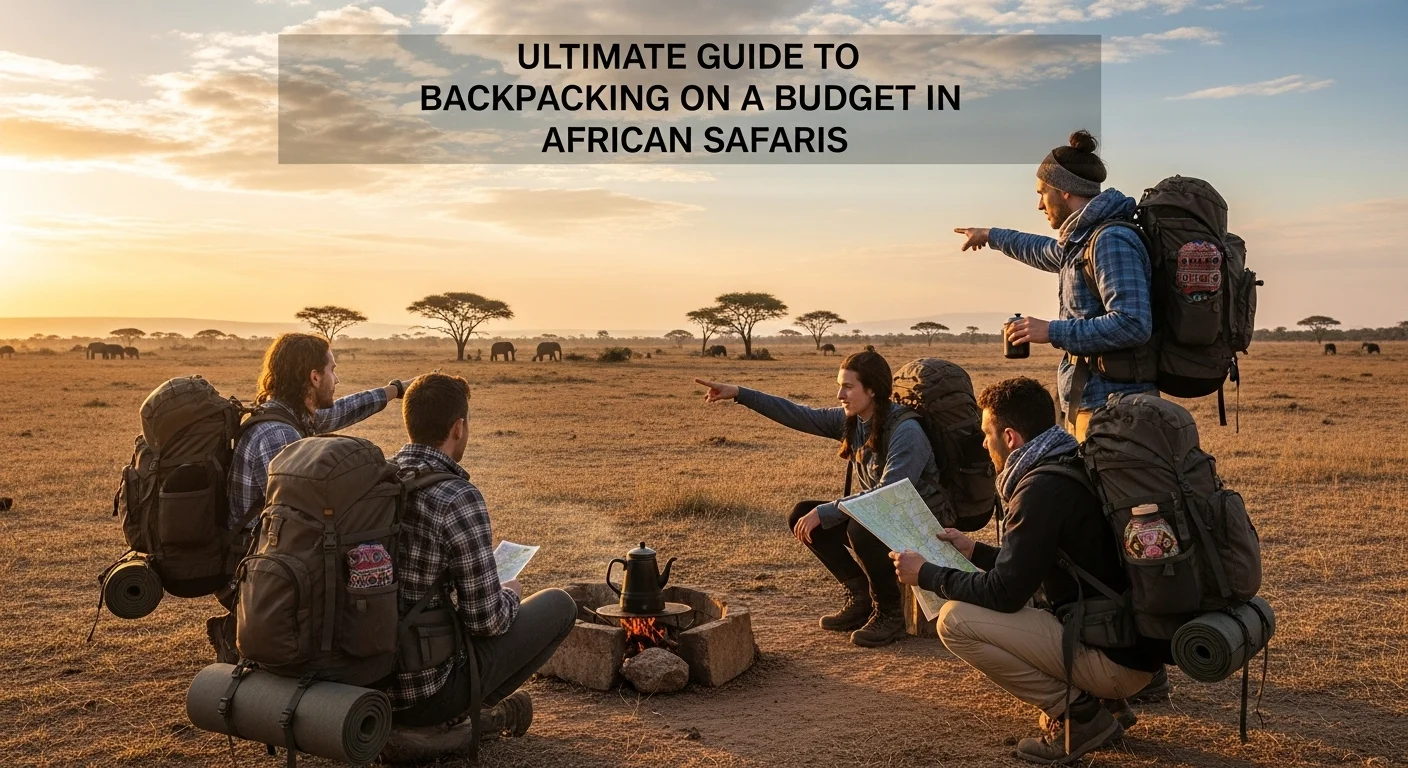
- Camping Safaris: Perfect for budget travelers, camping safaris combine adventure with affordability. Setting up a tent under the stars was one of my favorite aspects of my trips.
Popular Safari Destinations in Africa
Africa boasts many incredible safari destinations, each with its charm and attractions. Some of my favorites include:
- Serengeti National Park, Tanzania: Famous for the Great Migration, where millions of wildebeests traverse the plains each year. The sight is breathtaking, and the atmosphere is electric with wildlife.
- Maasai Mara, Kenya: Known for its rich wildlife and the Maasai culture, this is a must-visit for any safari enthusiast. I found the local tribes’ stories about the land and animals truly enriching.
- Kruger National Park, South Africa: One of Africa’s largest game reserves, Kruger offers a variety of wildlife experiences. I appreciated the well-maintained infrastructure that makes self-drive safaris accessible.
- Chobe National Park, Botswana: Renowned for its elephant population, Chobe offers amazing river cruises that can provide a unique view of the wildlife.
Each of these destinations has its unique flavor, and I often find myself daydreaming about the sights and sounds. It’s not just about the animals; it’s about the overall experience and meeting fellow travelers, sharing stories by the campfire under the African sky. For more insights on budget-friendly options, check out the Ultimate Guide to Affordable Mountain Trekking Trails.
When to Go on an African Safari
Best Time to Visit for Wildlife Viewing
Timing is essential for an unforgettable safari. From my experience, the dry season, which typically runs from June to October, is the best time for wildlife viewing. Animals tend to congregate near water sources, making them easier to spot. I recall one evening in the Maasai Mara, watching lions lounging in the fading sunlight—it felt like a scene from a nature documentary.
Seasonal Weather Patterns
Weather varies greatly across the continent. Understanding the seasonal patterns can enhance your experience. The dry season is generally warm and sunny, while the wet season (November to March) brings heavy rains, which can make some roads impassable. However, I found that the wet season also has its perks, like lush landscapes and fewer tourists.
Peak vs. Off-Peak Travel
Traveling during peak season usually means higher prices and larger crowds. If you’re like me and prefer a quieter experience, consider visiting during the shoulder seasons, which can also provide good wildlife viewing opportunities. I discovered that off-peak travel can lead to more intimate encounters with nature and save some money in the process.
Budgeting for Your Safari Adventure
Estimated Costs of African Safaris
When planning my safari, budgeting was one of the most crucial steps. Costs can vary significantly depending on the type of safari you choose. From my experience, a budget safari can range anywhere from $150 to $300 per day, including meals and lodging. Game drives often come with additional fees, so I always made sure to factor those in. For instance, while a walking safari might be less expensive, a guided game drive in a 4×4 vehicle tends to be pricier but offers an unforgettable experience. I remember budgeting for each aspect of my trip, and it helped me enjoy without the constant worry about overspending.
How to Create a Backpacking Budget
Creating a backpacking budget for an African safari is an exciting challenge. I often start by listing all potential expenses, from flights and accommodations to daily meals and activities. I like to use a simple spreadsheet for this, breaking everything down into categories. For instance, I’d allocate a certain amount for each day, knowing that some days might require more spending than others. One tip I found helpful was to set aside a little extra for spontaneous opportunities, like a last-minute guided tour or an unplanned adventure that could pop up along the way.
Hidden Costs to Consider
As I went through my safari planning, I quickly learned that hidden costs can sneak up on you. Things like park entrance fees, which can range from $20 to $100 depending on the location, are often overlooked. I also discovered that some parks charge extra for specific activities, like walking safaris or boat tours. Additionally, tips for guides and support staff can add up, so I usually set aside around 10% of my total budget for gratuities. I’ve found that being aware of these hidden costs allows for a much smoother experience, and I can enjoy my adventure without any unpleasant surprises.
Choosing the Right Safari Experience
Camping Safaris vs. Lodge Safaris
Choosing between camping safaris and lodge safaris was one of the most exciting parts of my planning process. Camping safaris offered a much more budget-friendly option, and I loved the idea of sleeping under the stars, surrounded by nature. On my camping trips, I had the chance to bond with fellow travelers around the campfire, sharing stories and laughter. However, lodge safaris, while more luxurious, provided a different kind of comfort. I remember staying in a lovely lodge once, and the warm shower after a long day of game viewing felt heavenly. Each choice has its unique charm, and I think it really depends on what type of experience you’re looking for.
Guided Tours vs. Self-Drive Safaris
Another decision I faced was whether to join guided tours or drive myself. Guided tours typically offer a wealth of knowledge from experienced guides, making wildlife spotting easier and more informative. I remember how excited I was when my guide pointed out a cheetah lounging in the tall grass, something I might have missed on my own. On the other hand, self-drive safaris can give you the freedom to explore at your own pace. I decided to try a mix of both during my travels. It was thrilling to navigate the roads independently some days, while other days, the insights from a guide enriched my understanding of the wildlife and ecosystems.
Group Tours vs. Private Safaris
When it came to deciding between group tours and private safaris, I leaned towards group tours due to their affordability and social aspect. I met some incredible people from around the world during these tours, and we shared many memorable experiences together. The camaraderie of a group can enhance the adventure, as everyone bonds over their love for wildlife. However, private safaris can offer a more personalized experience, allowing for more tailored itineraries. I had one memorable private safari where I could spend extra time observing a family of elephants. Both options have their merits, and I think it’s all about what kind of experience you want to create.
Accommodation Options on a Budget
Camping in National Parks
Camping in national parks is one of my favorite budget options. Many parks offer campsites with basic amenities, allowing you to connect with nature at a fraction of the cost of lodges. I remember setting up my tent at a campsite right next to a watering hole, and falling asleep to the sounds of wildlife. It was magical! Plus, camping fosters a sense of community among fellow travelers, as we exchanged stories by the campfire. Just remember to book your spots in advance during peak seasons, as they can fill up quickly.
Hostels and Guesthouses
Hostels and guesthouses are excellent accommodation choices if you prefer a roof over your head without spending too much. I’ve stayed in some charming guesthouses run by local families, and the hospitality was always welcoming. These places often provide a chance to interact with locals and learn about their culture, which adds another layer of richness to your experience. I’ve found that hostels can also be great for meeting fellow backpackers, making plans to explore together.
Budget Lodges and Camps
For those who want a bit more comfort but still need to stick to a budget, budget lodges and camps are the way to go. These places usually offer basic amenities without the hefty price tag of luxury lodges. I remember staying in a budget lodge that had a fantastic view of the sunset over the savannah. It was a simple setup, but the location and the experience made it worth every penny. Always check for discounts or deals, especially during the off-peak season; you might find some hidden gems!
Transportation Tips for Backpackers
Public Transport Options in Africa
When I traveled around Africa, I quickly discovered that public transport can be both an adventure and an economical choice. Buses, minibuses, and shared taxis are often the go-to options for budget travelers like us. In many regions, local buses or “matatus” (especially in Kenya) operate on set routes and are a great way to experience the local culture. I remember cramming into a minibus with locals, sharing stories and laughter, feeling like I was part of the community. It’s important to note that these rides can get a bit crowded, but the vibrant atmosphere makes it all worth it. Plus, the cost is usually a fraction of what you’d pay for a private transfer. Always check schedules ahead of time, as they can vary, and be prepared for some delays—it’s all part of the journey!
Renting a Vehicle for Safari
Renting a vehicle can be an exciting option for those who crave flexibility and adventure. I found that self-driving through national parks gave me the freedom to explore at my own pace. Many parks, like Kruger and Maasai Mara, allow self-drive safaris, which can be a fantastic way to experience the wildlife without the added cost of guided tours. I remember the thrill of spotting a pride of lions lounging near the road, all thanks to being able to stop whenever I wanted. Just make sure to choose a reliable rental company and opt for a 4×4, especially if you’re venturing off the beaten path. It’s also wise to familiarize yourself with local driving rules and conditions, as they can be quite different from what we’re used to.
Domestic Flights and Travel Deals
For longer distances, domestic flights can save you time and energy. I often found that booking flights in advance helped me snag some great deals. Airlines like Airlink and Kenya Airways frequently run promotions, especially during off-peak seasons. I remember flying from Johannesburg to Victoria Falls, which not only saved me hours of driving but also allowed me to enjoy the stunning aerial views of the landscapes below. Keep an eye out for travel packages that combine flights with safari bookings, as these can offer substantial savings. Just be sure to account for the extra costs of airport transfers, which can sometimes be a bit pricey.
Essential Gear for Backpacking Safaris
Must-Have Camping Equipment
When preparing for my camping safaris, I realized that the right gear can make all the difference in comfort and safety. A good quality tent is a must—I personally opted for a lightweight, easy-to-assemble model. I also invested in a durable sleeping bag and an inflatable sleeping pad for extra comfort during chilly nights. Another essential piece of equipment I found useful was a portable camp stove, which allowed me to cook simple meals and enjoy warm tea while soaking in the stunning views. Don’t forget a headlamp or flashlight for navigating around the campsite after dark; the last thing you want is to trip over a root or bump into a curious creature! Packing a small first-aid kit is also wise, just in case.
Clothing and Footwear Recommendations
Choosing the right clothing is essential for a successful safari experience. I learned quickly that layers are my best friend, as temperatures can fluctuate drastically between day and night. Lightweight, breathable clothing made from moisture-wicking materials worked wonders during the hot days, while a warm fleece jacket came in handy after sunset. I always packed a wide-brimmed hat and polarized sunglasses to protect myself from the sun. For footwear, a sturdy pair of hiking boots is a must for walking safaris, while comfortable sandals are perfect for around the campsite. One tip I picked up was to stick to neutral colors, as bright clothing can scare off wildlife.
Photography Gear for Capturing Wildlife
As an avid photographer, capturing the beauty of wildlife was one of my top priorities on safari. A good camera with a decent zoom lens can make all the difference. I often used my DSLR with a 70-300mm lens, which allowed me to take stunning close-ups of animals without disturbing them. A sturdy tripod or monopod came in handy for steady shots during those magical golden hour moments. I also made sure to bring extra batteries and memory cards since I learned the hard way that you don’t want to miss that perfect shot because of a dead battery! Lastly, I always kept my gear in a waterproof bag to protect against the unpredictable weather.
Food and Dining on a Budget
Local Cuisine to Try
One of my favorite parts of traveling in Africa was diving into the local cuisine. Each country has unique flavors and dishes that tell their own stories. In Tanzania, I savored delicious ugali, a staple made from maize flour, often served with fish or meat. In Kenya, I couldn’t resist trying nyama choma (grilled meat), which is usually enjoyed with friends around a fire. I remember the vibrant colors and flavors of the food, and how sharing meals with locals made the experience even more special. Whenever possible, I made it a point to try street food, which not only added variety to my diet but also helped me stay within my budget.
Eating Cheap: Markets and Street Food
Markets are a treasure trove for budget-friendly meals. I often visited local markets where vendors served up fresh produce, snacks, and local dishes at incredibly low prices. I remember grabbing a plate of samosas and a refreshing sugarcane juice for just a few dollars. It’s not only economical but also a fantastic way to mingle with locals and get a taste of authentic flavors. I recommend being adventurous and trying dishes that catch your eye; you might discover some new favorites!
Self-Catering Options for Backpackers
If you enjoy cooking, self-catering can be a great way to save money while on safari. Many camping sites and hostels offer kitchen facilities. I loved the experience of shopping at local markets for fresh ingredients and preparing meals in the camp kitchen. It became a fun activity, often shared with fellow travelers. I learned to whip up simple meals like pasta dishes, stir-fries, and even grilled vegetables over an open fire. Not only was it cost-effective, but it also provided a satisfying sense of accomplishment after a long day of exploring!
Frequently Asked Questions
What is a safari?
A safari is a journey, primarily in Africa, aimed at observing wildlife in their natural habitat. It can range from luxury tours to budget-friendly options, catering to various travelers.
What types of safaris are available?
There are several types of safaris, including game drives in 4×4 vehicles, walking safaris for a more immersive experience, canoe safaris for unique perspectives, and camping safaris for budget travelers.
Which are some popular safari destinations in Africa?
Some popular safari destinations include Serengeti National Park in Tanzania, Maasai Mara in Kenya, Kruger National Park in South Africa, and Chobe National Park in Botswana.
When is the best time to go on an African safari?
The best time for wildlife viewing is during the dry season, which typically runs from June to October, as animals tend to congregate near water sources.
What is the estimated cost of an African safari?
A budget safari can range from $150 to $300 per day, including meals and lodging. However, additional fees may apply for specific activities like game drives.
What should I consider when budgeting for a safari?
When budgeting, consider all potential expenses, including flights, accommodations, meals, activities, park entrance fees, and tips for guides and support staff.
What are some accommodation options for budget travelers?
Budget travelers can consider camping in national parks, staying in hostels or guesthouses, or choosing budget lodges and camps for affordable yet comfortable options.
What transportation options are available for backpackers in Africa?
Public transport options include buses, minibuses, and shared taxis. Renting a vehicle for self-drive safaris is also a popular choice for flexibility.
What essential gear should I pack for a camping safari?
Must-have camping gear includes a good quality tent, sleeping bag, portable camp stove, headlamp, and a small first-aid kit for safety and comfort.
How can I eat on a budget while on safari?
To eat on a budget, consider trying local cuisine, visiting markets for fresh produce and street food, or using self-catering options to prepare your own meals.