
Backpacking solo on a budget can be one of the most exhilarating adventures of your life. Imagine exploring new places, meeting diverse people, and creating unforgettable memories—all while being gentle on your wallet. Let’s dive into the essentials of budget backpacking!
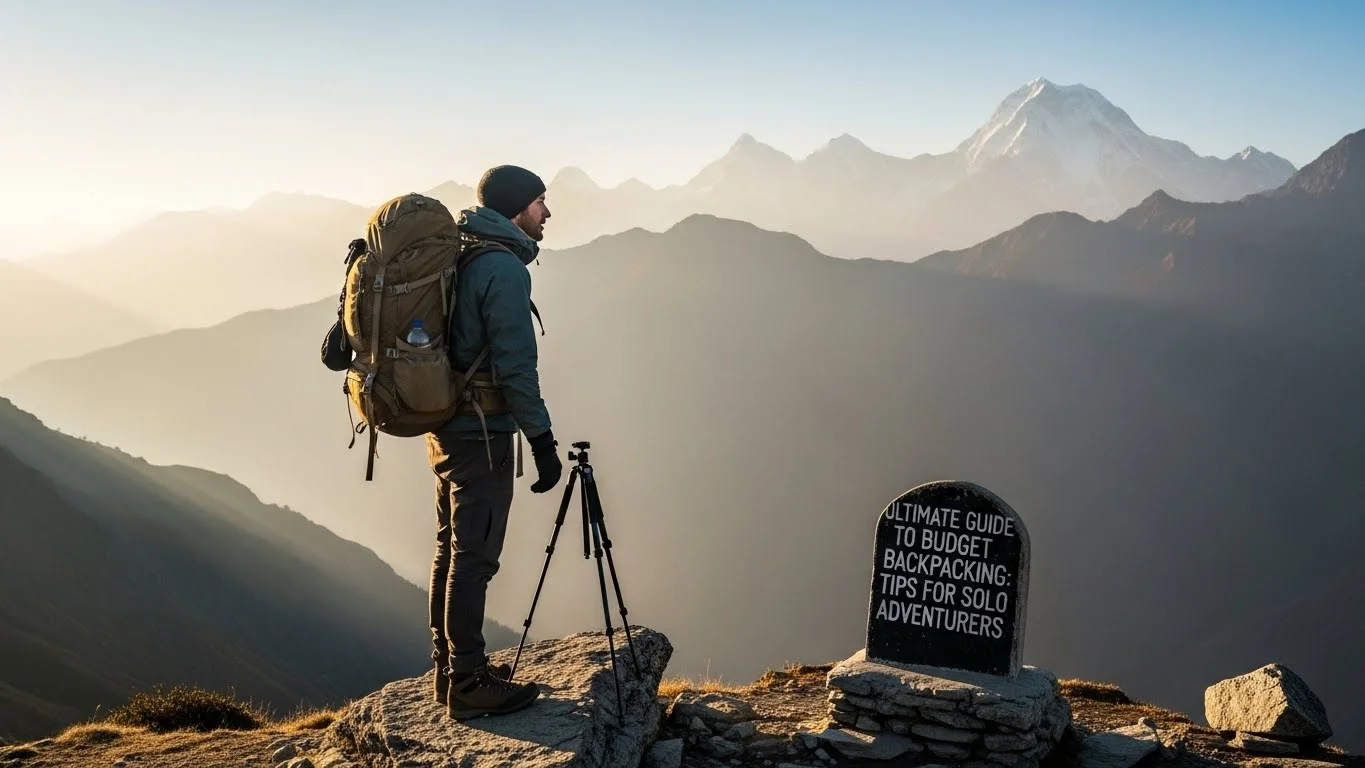
Understanding Budget Backpacking
What is Backpacking?
Backpacking, to me, is more than just carrying a pack and wandering around. It’s a lifestyle that combines travel with a sense of adventure and self-discovery. When I first tried it, I realized it’s about immersing yourself in new environments, cultures, and experiences. Whether you’re hiking through a national park or exploring a vibrant city, backpacking allows for a spontaneous style of travel where you can go wherever the road takes you.
Backpacking can be done in various ways, but the essence remains the same: you carry your belongings in a backpack, stay in budget accommodations, and often travel by public transport. This means you can experience destinations more authentically, meet locals, and, most importantly, do it all on a budget. Read Interesting article: Discovering Cultures Alone: Budget Backpacking Tips
Benefits of Budget Backpacking
When I decided to embrace budget backpacking, I noticed a shift in how I interacted with my surroundings. The benefits are numerous, and some of the most notable ones include:
- Cost-Effectiveness: Saving money means you can stay longer and see more. I used to feel stressed about money, but with careful planning, I found ways to stretch my budget without sacrificing fun.
- Flexibility: Traveling on a budget often means you’re more open to spontaneous decisions. I remember one time I found an amazing hiking trail just because I was chatting with a local. If I had stuck to a rigid itinerary, I would have missed out!
- Meeting People: Budget accommodations and communal spaces foster connections. I’ve met some of my closest friends in hostels or while sharing meals in local eateries.
- Self-Reliance: Solo backpacking teaches you to depend on yourself. I’ve learned problem-solving skills and how to navigate new environments, which has built my confidence immensely.
Solo vs. Group Backpacking
Deciding whether to backpack solo or in a group can significantly impact your experience. Personally, I’ve tried both and have my preferences. Solo backpacking gives you complete freedom. You can change your plans on a whim, explore places at your own pace, and indulge in your interests—like taking a longer route to catch that perfect sunset. I felt empowered and liberated, and it allowed for deep self-reflection.
However, I also appreciate the camaraderie of group backpacking. Traveling with friends or meeting new ones can make for shared experiences, laughter, and support. I recall one hiking trip with a group where we faced unexpected weather changes. We banded together to find shelter and ended up sharing stories that I still cherish. Each approach has its unique benefits, so it’s worth considering what kind of experience you want.
Ultimately, I think it depends on your personality and comfort level. If you’re someone who enjoys solitude, going solo might be your best choice. But if you thrive on social interactions, grouping up can enhance your adventure in ways you might not have imagined.
As I reflect on my own travels, I realize that both solo and group backpacking have enriched my life in different ways. Each has taught me valuable lessons about myself and the world around me. The beauty of budget backpacking lies in the freedom to choose your path, whether it’s alone or with others.
In the next sections, we’ll explore how to plan your adventure, from choosing the perfect destination to budgeting wisely. With these tips, I hope you’ll feel inspired to grab your backpack and set off on your own unforgettable journey!
Planning Your Backpacking Adventure
Choosing Your Destination
Choosing a destination is often the most exciting part of planning my backpacking adventure. I remember sitting with a map spread out in front of me, dreaming about all the places I wanted to explore. The world is full of incredible options, and it’s important to pick a spot that resonates with your interests. For me, I look for places that offer a mix of culture, nature, and adventure. I usually consider factors like safety, cost, and accessibility.
One of my favorite techniques is to look for destinations that are off the beaten path. I have discovered some hidden gems simply by researching lesser-known towns or regions. These places often provide a more authentic experience and are usually easier on the wallet. I suggest looking at travel blogs or forums to see what others recommend. Also, don’t hesitate to ask friends or family if they have any suggestions; sometimes, personal recommendations can lead to the best experiences.
Best Countries for Budget Backpacking
After years of traveling, I’ve found that some countries are particularly friendly for budget backpackers. Countries in Southeast Asia, like Thailand, Vietnam, and Cambodia, have amazing landscapes, rich cultures, and incredibly affordable food and accommodations. I remember savoring street food in Bangkok for just a couple of dollars, and it was some of the best I’ve ever tasted!
South America also has a lot to offer, with countries like Peru and Colombia boasting budget-friendly hostels and cheap public transportation. I’ll never forget my time in Peru, hiking the Inca Trail and meeting fellow travelers who shared tips on how to save money. Eastern Europe is another fantastic option; places like Hungary and Poland combine stunning historical sites with low costs. If you’re planning a family trip, be sure to check out Best Budget Backpacking Tips for Families with Kids.
When to Go: Seasonal Considerations
Timing your trip can make a huge difference in your experience. I’ve learned that going during the shoulder seasons—just before or after the peak tourist times—can save you money and allow you to enjoy popular attractions without the crowds. For instance, visiting Europe in late spring or early fall means you can enjoy pleasant weather without paying peak prices.
It’s also essential to research the climate of your chosen destination. I made the mistake of traveling to a tropical country during the rainy season, and let me tell you, it wasn’t ideal. Do your homework on seasonal weather patterns to ensure you’re fully prepared for your adventure.
Creating a Backpacking Itinerary
Creating an itinerary can feel overwhelming at first, but I’ve found it helps to have a rough outline of my plans. I usually start by listing the main places I want to visit and then figuring out how many days I’d like to spend in each spot. It’s important to strike a balance between having a plan and being flexible. I like to leave room for spontaneous detours and adventures.
When crafting my itinerary, I also consider travel time between locations. I once underestimated the time it would take to travel from one city to another and ended up feeling rushed. Taking the time to research transportation options can save you from unnecessary stress. I’ve found that using apps to plan my routes is incredibly helpful, especially when navigating public transport systems in a foreign country.
Lastly, I try to include local experiences in my itinerary, like trying a cooking class or joining a guided hike. These activities often lead to memorable interactions with locals and fellow travelers. I remember joining a small group for a cooking class in Italy, where the chef shared stories about the region’s culinary traditions, and I left with not just new recipes but also new friends.
As you plan your backpacking adventure, remember that it’s all about enjoying the journey. With careful planning and a bit of flexibility, you’ll have the opportunity to create unforgettable memories on a budget. I can’t wait for you to embark on your own adventure! In the next sections, we’ll dive into budgeting for your trip, ensuring you can make the most of your travel experience without breaking the bank.
Budgeting for Your Trip
Estimating Daily Costs
When I first started backpacking, I quickly realized that budgeting was key to having a successful trip. Estimating daily costs helped me understand what I could afford and how to allocate my funds. I usually break down my estimated costs into several categories: accommodation, food, transportation, activities, and a little extra for unexpected expenses. By keeping a daily budget, I can track my spending and adjust if I find I’m going overboard.
For example, I’ve found that in some countries, like Thailand, I can get away with as little as $30 per day if I stay in dorms, eat street food, and use public transport. In other places, like Scandinavia, I’ve had to budget closer to $100 daily because the costs are higher. To make it easier, I often use budgeting apps or keep a simple spreadsheet on my phone to help me stay on track. This practice not only keeps me accountable but also allows me to enjoy my trip without the nagging worry of those pesky budget blues.
Saving Money on Transportation
Transportation costs can add up quickly, but I’ve learned several strategies to save money while getting from one place to another. First, I always make use of public transportation, which is generally a fraction of the cost of taxis or rideshares. I remember hopping on local buses in Colombia and meeting some interesting locals who shared tips about the area. Not only was it cheaper, but it also enriched my travel experience.
Another tip is to book transportation in advance. I’ve found that purchasing train or bus tickets online before my trip can lead to significant savings. Plus, it gives me peace of mind knowing I have my travel sorted out ahead of time. If you’re flexible with your travel dates, you can often find cheaper options during off-peak times. And don’t forget to check for discounts—many countries offer special rates for students or young travelers!
Accommodation Options for Budget Travelers
Finding a place to stay that fits my budget has always been an adventure in itself. I’ve explored a variety of accommodation options, from hostels to guesthouses, and each has its pros and cons. Hostels are usually the go-to for budget travelers, and I’ve met some of my favorite people in those communal spaces. They often provide a kitchen, which is a great way to save on meals, and social areas for mingling.
On the other hand, I’ve also enjoyed guesthouses and budget hotels, especially when I want a bit more privacy or a unique local experience. I remember staying in a charming guesthouse in Vietnam where the owner cooked breakfast for all the guests. It was a fantastic way to start the day and gave me a taste of authentic Vietnamese hospitality.
If you’re up for something different, consider Couchsurfing or homestays. These options allow you to stay with locals, often for free, and can lead to meaningful connections. I once stayed with a family in Turkey who shared their meals and stories with me, creating a bond that I still cherish.
Dining on a Budget: Eating Cheap While Traveling
Food is one of the highlights of any trip, but it can also be a significant part of my budget. I’ve learned to embrace local street food, which is often not only economical but also delicious! In Thailand, I found that some of the best meals were served from small food stalls, and it became a favorite part of my daily routine to explore new dishes. Eating where the locals eat usually means fresher ingredients and more authentic flavors.
Another tip is to look for markets or grocery stores to buy snacks or prepare simple meals. I’ve saved a lot of money by making sandwiches or salads when I have access to a kitchen. Plus, it’s a fun way to try local ingredients and get a taste of daily life. When I traveled through Europe, I often visited local markets to pick up fresh produce, cheese, and bread, which made for great picnics in the parks.
Managing Unexpected Expenses
No matter how much I plan, unexpected expenses always seem to pop up during my travels. I learned to set aside a small emergency fund for these situations, usually around 10-15% of my overall budget. This cushion has saved me from stress on numerous occasions, whether it was a sudden need for a taxi or an unexpected entry fee to a site I couldn’t resist visiting.
I also recommend keeping an eye on your spending throughout the trip to avoid financial surprises at the end. I’ve avoided overspending by regularly reviewing my budget and making adjustments as needed. Sometimes, this means skipping that pricey tourist attraction to save for a special meal or an experience that truly excites me.
By keeping these budgeting strategies in mind, I’ve been able to travel longer and make the most of my adventures without feeling financially strained. With a solid budget plan in place, I feel more at ease exploring new destinations and indulging in the experiences that make backpacking so rewarding. Now, let’s move on to what gear I think is essential for a successful backpacking journey!
Essential Gear for Backpacking
Choosing the Right Backpack
Finding the right backpack is like choosing a trusty companion for your journey. I remember my first backpacking trip when I made the mistake of going for a stylish backpack that didn’t fit my needs. It was a disaster—I ended up with sore shoulders and a backache. Now, I always recommend trying on different packs and considering factors like size, weight, and comfort. A good rule of thumb is to find a backpack that is about 50-70 liters for longer trips, which offers ample space for essentials without being too bulky.
When selecting a backpack, consider the fit. I learned that the right one should feel snug but not constrictive, with adjustable straps and a supportive hip belt. Features like pockets for organization, a rain cover, and breathable fabric can also make a big difference. It’s worth investing in one that will last and keep you comfortable on your adventures. Take the time to test it out before you hit the road; your back will thank you!
Must-Have Gear for Solo Backpackers
There are some must-have items that every solo backpacker should consider. I’ve compiled a list that I always keep handy:
- Sleeping Bag: A lightweight, packable sleeping bag can make all the difference when it comes to comfort at night. I’ve slept in some pretty chilly conditions, and having a good sleeping bag has helped me stay warm and cozy.
- Portable Stove: Cooking your meals can save money and provide a warm meal when you need it. I’ve had great experiences cooking on camp stoves or portable cooking gear in hostels.
- Water Filter: Staying hydrated is crucial. I often carry a water filter or purification tablets, which allow me to drink from streams or refill at various points without worrying about contaminants.
- Portable Charger: Keeping devices charged is essential for navigation and safety. I’ve found that having a reliable power bank can keep my phone alive during long travel days.
Clothing Essentials for Different Climates
Your clothing choices can make or break your travel experience. I’ve learned to pack versatile clothing that can layer well. For instance, I usually bring a lightweight waterproof jacket, breathable shirts, and quick-drying pants. These have been lifesavers in unpredictable weather.
I also recommend packing a good pair of hiking shoes or boots. I made the mistake of wearing fashionable shoes on my first hike, which ended up causing blisters and discomfort. Investing in a comfortable, sturdy pair can enhance your hiking experience immensely. Don’t forget to include items like a hat, sunglasses, and warm layers if you’re traveling to cooler climates. Keeping comfortable and prepared for different weather conditions is key!
Safety Gear and First Aid Kits
Safety should always be a priority while backpacking. I carry a compact first aid kit with essentials like band-aids, antiseptic wipes, pain relievers, and any personal medications. It’s surprising how handy this can be, especially when you’re far from medical help. I once encountered a traveler who had a bad reaction to something they ate, and having a few basic supplies helped them manage the situation until they could get proper assistance.
I also recommend bringing a whistle and a small flashlight or headlamp. These items have been incredibly useful in low-light situations or if I’ve ever gotten lost while hiking. Having a reliable source of light and a means of signaling for help can add an extra layer of security, especially when exploring remote areas. Being prepared allows me to focus on enjoying my adventure rather than worrying about the unexpected.
Finding Accommodation
Hostels: Pros and Cons
Hostels have become somewhat of a second home for me while traveling. They’re often budget-friendly and provide the chance to meet fellow travelers. I love the communal atmosphere and the opportunity to share experiences and tips over a common kitchen table. However, it’s essential to note that not all hostels are created equal. Some can be noisy, while others may lack cleanliness.
Before booking, I always read reviews and check the amenities. I remember staying in a fantastic hostel in Barcelona that offered free walking tours, which not only saved me money but also introduced me to some amazing people. On the flip side, I’ve had experiences in others where the noise kept me up all night. Learning to choose wisely has made a world of difference in my stays.
Budget Hotels and Guesthouses
In my travels, I’ve found that budget hotels and guesthouses can offer a more personal touch. I enjoy the charm and warmth of a family-run guesthouse, especially when the owners go out of their way to share local insights. I remember staying at a quaint guesthouse in Turkey, where the owner treated us to homemade meals and gave us tips on the best local hidden gems. These experiences are often unforgettable and help me feel more connected to the culture.
Couchsurfing and Homestays
Couchsurfing and homestays have opened up an entirely new world of travel for me. Staying with locals can provide a richer experience than traditional accommodations. I’ve made lifelong friends through Couchsurfing, and I cherish the stories and insights they shared. It’s amazing how much you can learn about a place by living with someone who knows it intimately.
Camping and Outdoor Options
If you’re an outdoor enthusiast, camping can be one of the most affordable and rewarding options. I’ve spent many nights under the stars, which offered a different perspective of the places I visited. National parks often have campgrounds that are budget-friendly, and the experience of cooking over a campfire and enjoying nature is unmatched. Just remember to pack the right gear and plan ahead, especially if you’re camping in areas with wildlife.
Transportation Tips for Budget Backpackers
Public Transport vs. Private Options
Utilizing public transport is one of the best ways to save money while traveling. I’ve found that taking buses or trains often allows me to see more of the local landscape and interact with locals. For instance, I once took an overnight train in Vietnam, which not only saved me accommodation costs but also gave me a unique travel experience. While private transportation can be convenient, it’s usually more expensive and can limit your interactions.
Hitchhiking: Safety and Tips
Hitchhiking can be a viable option for budget travelers, but safety should always come first. I’ve tried hitchhiking a few times and had some great experiences, but I approached it with caution. It’s important to trust your instincts and choose safe locations to stand. I always made sure to dress neatly and hold a clear sign indicating my destination, which helped drivers feel more comfortable picking me up.
Using Budget Airlines and Train Passes
When it comes to covering longer distances, budget airlines can be a lifesaver for your wallet. I’ve scored some incredible deals by booking in advance and being flexible with my travel dates. Additionally, many countries offer train passes that allow unlimited travel for a set period. I took advantage of a Eurail pass during my trip in Europe, which not only saved me money but also made getting from one city to another a breeze.
Connecting with Other Travelers
Joining Backpacking Communities
Finding a sense of community while traveling has always enhanced my experience. I’ve joined various backpacking groups on social media, where I’ve met fellow travelers who share tips, advice, and sometimes even travel plans. Being part of these communities has allowed me to connect with people who understand the joys and challenges of budget backpacking.
Using Social Media and Travel Apps
Social media is a powerful tool for connecting with other travelers. I often use platforms like Instagram and Facebook to follow travel pages, which not only inspire my next destination but also lead me to local meetups. Apps like Meetup or Couchsurfing can also help you find events or gatherings wherever you are, allowing for spontaneous social interactions.
Finding Travel Buddies
Traveling with a buddy can enhance your experience, and I’ve found that connecting with others on the road can be easy. I often meet people in hostels or during tours, and some have turned into travel companions for a portion of my journey. I believe that sharing experiences with others can enrich my travels, making them even more memorable.
Staying Safe While Backpacking
Safety Tips for Solo Travelers
Safety is a top concern for solo travelers, and I’ve learned several strategies to keep myself secure. First, I always stay aware of my surroundings. It’s easy to get lost in the moment, especially when exploring new places, but I try to remain vigilant about my belongings and who’s around me. I also keep my valuables in a money belt or secure location to deter pickpockets.
Staying Connected: Communication Options
Staying connected while traveling is important for both safety and convenience. I often purchase a local SIM card upon arrival to have access to maps and communication. It’s helped me navigate new cities and stay in touch with fellow travelers, which can be comforting during solo trips.
Emergency Preparedness
No one wants to think about emergencies, but being prepared can make a significant difference. I always keep a list of local emergency numbers and the nearest embassy or consulate saved on my phone. Additionally, sharing my itinerary with friends or family back home gives me peace of mind, knowing someone knows where I am.
Health and Wellness on the Road
Staying Healthy While Traveling
Maintaining my health while traveling is a priority. I usually carry a reusable water bottle and ensure I drink plenty of water. I also try to eat fresh fruits and vegetables whenever possible, especially in destinations where street food is prevalent. It’s easy to indulge, but I’ve learned that balance is key to feeling my best on the road.
Accessing Medical Services Abroad
In case I need medical attention, I always research the healthcare options in my destination before I go. I’ve found that knowing where the nearest pharmacy or clinic is can alleviate stress if something goes wrong. Thankfully, I’ve only needed medical help once, and being prepared made the process smoother.
Managing Mental Health as a Solo Traveler
Traveling solo can sometimes feel isolating, so I make a conscious effort to prioritize my mental health. I take time to reflect and journal about my experiences, and I find joy in simple moments. I’ve learned that staying connected, whether through friends, family, or fellow travelers, is important for my well-being. I also allow myself time to recharge, whether that means relaxing in a park or enjoying a quiet moment with a good book.
Local Culture and Etiquette
Understanding Cultural Norms
Being aware of local customs has enriched my experiences while traveling. I’ve learned that respecting cultural norms can go a long way in building connections. For example, I remember visiting a temple in Thailand where I had to remove my shoes. Understanding these small gestures shows respect and helps me fit into the local environment.
Language Basics for Travelers
I’ve found that learning a few basic phrases in the local language can open doors and foster goodwill. Simple greetings or phrases like “thank you” can make a significant impact. I’ve had locals express appreciation when I attempted to speak their language, and it has led to some wonderful conversations.
Respecting Local Customs and Traditions
Each destination has its own customs, and taking the time to learn about them has been rewarding. I remember attending a festival in a small town, where I was welcomed to join in the celebrations. Understanding the significance of their traditions helped me appreciate the culture on a deeper level. Being respectful and open-minded can lead to meaningful interactions and experiences.
Tips for Solo Female Backpackers
Safety Precautions for Women
As a solo female traveler, I’ve taken extra precautions to ensure my safety. I often choose accommodations with good reviews from other women, and I’m mindful of my surroundings when out and about. I’ve learned to trust my instincts; if something feels off, I don’t hesitate to change my plans.
Choosing Female-Friendly Destinations
Some destinations are more welcoming for solo female travelers than others. I’ve found that countries with a strong emphasis on tourism often have resources and support for women. Researching beforehand has helped me choose places where I feel comfortable exploring alone.
Building Confidence as a Solo Female Traveler
Traveling solo has empowered me in many ways. I’ve learned to navigate new environments and make decisions independently. Embracing challenges and stepping out of my comfort zone has significantly boosted my confidence. I remember my first solo trip, where I felt nervous at first, but as I met people and explored, I gained a sense of independence that I truly cherish.
Documenting Your Journey
Travel Blogging and Vlogging
Documenting my travels through blogging and vlogging has been a fulfilling part of my journey. I find that sharing my experiences helps me reflect on my adventures and connect with others. I often share tips, stories, and photos that inspire fellow travelers. It’s also a great way to keep memories alive for myself.
Photography Tips for Backpackers
Capturing moments through photography is something I deeply enjoy. I’ve learned to be observant and take candid shots that reflect the essence of a place. I also recommend experimenting with different angles and lighting. I once took a sunset photo that turned out stunningly, and it captured the beauty of the moment perfectly. Remember, it’s about telling your story through images!
Keeping a Travel Journal
Writing in a travel journal has become a treasured habit for me. I jot down my thoughts, experiences, and even sketches of places I visit. It helps me process my adventures and allows me to relive those moments later. I find that reflecting on my journey through writing enhances my overall experience.
Final Thoughts
Backpacking solo on a budget is an adventure filled with growth, exploration, and connection. Every journey teaches us something new about the world and ourselves. As you embark on your own backpacking experience, remember to embrace the unexpected, stay open to new friendships, and savor each moment. With the right planning, budgeting, and gear, you can create memories that will last a lifetime. No matter where you wander, the beauty of budget backpacking lies in the journey itself. So grab your backpack and go explore; the world is waiting for you!
Frequently Asked Questions
What is budget backpacking?
Budget backpacking is a travel lifestyle that combines adventure and self-discovery while being cost-effective. It involves carrying your belongings in a backpack, staying in budget accommodations, and often using public transport to experience destinations authentically.
What are the benefits of budget backpacking?
The benefits of budget backpacking include cost-effectiveness, flexibility in travel plans, opportunities to meet people through communal spaces, and a sense of self-reliance that builds confidence and problem-solving skills.
What are some recommended countries for budget backpacking?
Some recommended countries for budget backpacking include Thailand, Vietnam, and Cambodia in Southeast Asia, Peru and Colombia in South America, and Hungary and Poland in Eastern Europe, all of which offer affordable food and accommodations.
How can I save money on transportation while backpacking?
To save money on transportation, utilize public transport, book tickets in advance, travel during off-peak times, and look for discounts that may be available for students or young travelers.
What accommodation options are available for budget travelers?
Budget travelers can choose from hostels, guesthouses, budget hotels, Couchsurfing, homestays, or camping, each offering different experiences and opportunities to connect with locals.
What essential gear should I have for solo backpacking?
Essential gear for solo backpackers includes a lightweight sleeping bag, a portable stove, a water filter, and a portable charger to ensure comfort, safety, and convenience while traveling.
What tips can help me stay safe while backpacking solo?
To stay safe while backpacking solo, remain aware of your surroundings, keep valuables secure, purchase a local SIM card for communication, and research emergency numbers and healthcare options in your destination.
How can I manage unexpected expenses during my trip?
Managing unexpected expenses can be achieved by setting aside a small emergency fund (10-15% of your overall budget) and regularly reviewing your spending to adjust your budget as needed throughout your trip.
What are some strategies for staying healthy while traveling?
To stay healthy while traveling, carry a reusable water bottle, eat fresh fruits and vegetables, and research local healthcare options to alleviate stress in case of medical need.
How can I document my travel experiences effectively?
Effective ways to document travel experiences include travel blogging or vlogging, capturing moments through photography, and keeping a travel journal to reflect on thoughts and experiences during the journey.