
Climbing can be an exhilarating adventure, but investing in gear can be daunting. Luckily, with some savvy shopping and knowledge, you can find budget-friendly climbing equipment without sacrificing safety or quality. For more tips, check out Best Budget Mountain Climbing Gear: Climb Smart & Save Big.
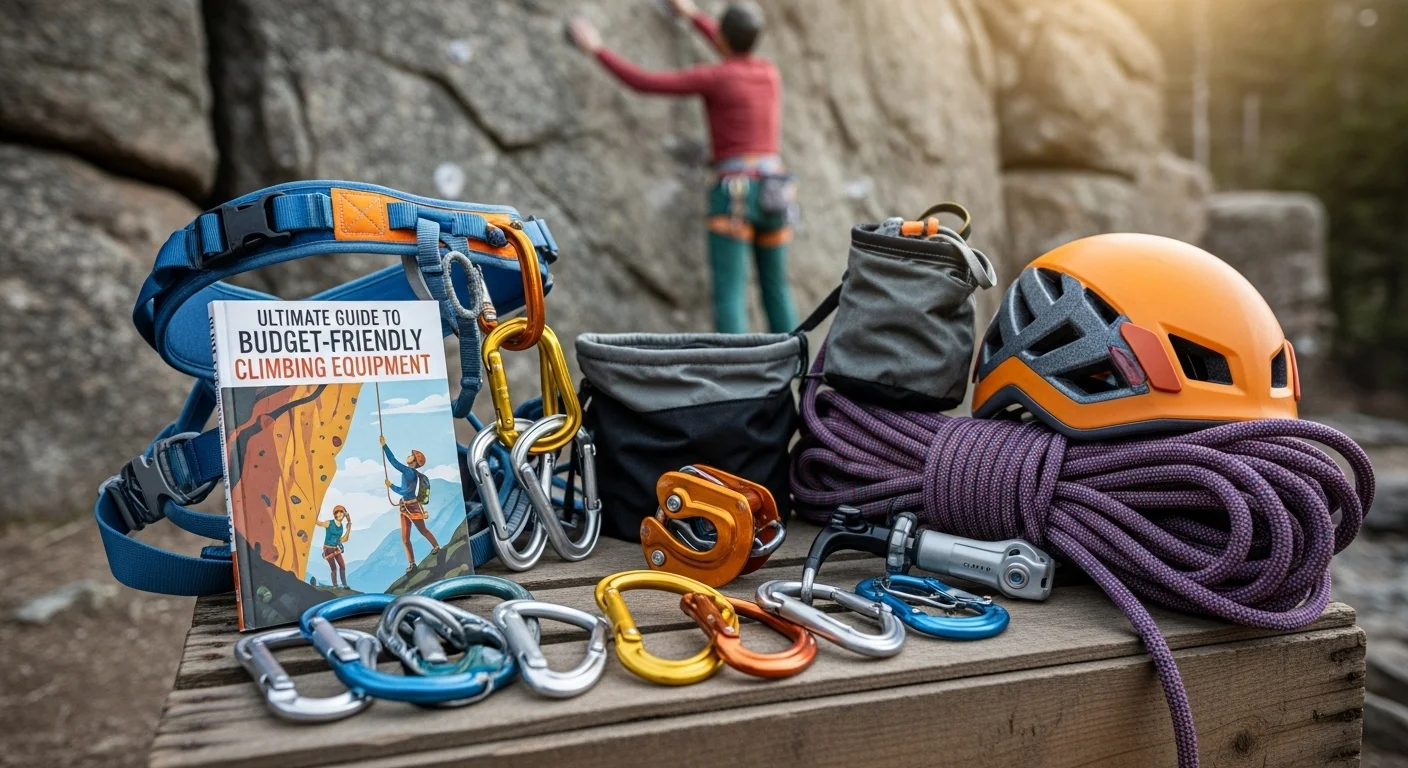
Understanding Budget-Friendly Climbing Equipment
What is Climbing Equipment?
Climbing equipment refers to all the tools and gear climbers use to ensure safety and performance while scaling various terrains. This includes items such as climbing shoes, harnesses, ropes, carabiners, and belay devices. Each piece of equipment plays a vital role in supporting climbers during their ascents, providing safety, grip, and stability. When I first started climbing, I was overwhelmed by the variety of gear available. It wasn’t just about picking what looked cool; I had to learn what each item did and how it could enhance my climbing experience.
Importance of Budget-Friendly Options
When you’re just starting or if you’re a seasoned climber on a budget, finding affordable climbing gear can be crucial. Quality climbing equipment can be pricey, and I understand the struggle of wanting the best gear while also keeping costs down. Budget-friendly options allow new climbers to get started without breaking the bank. I remember my first climbing trip; I borrowed gear from friends because I didn’t have the funds to buy everything I needed. This experience taught me that it’s possible to make smart choices without compromising safety or performance. For more insights, read Affordable Climbing Gear Reviews: Climb Without Breaking Bank.
Essential Climbing Gear: Budget Options
Climbing Shoes
Climbing shoes are perhaps one of the most important pieces of gear. They offer the grip and precision needed for foot placements on various surfaces. While high-end models can cost over a hundred dollars, many budget-friendly options exist that perform well. Brands like Five Ten and La Sportiva offer shoes that are reliable and won’t empty your wallet. My first pair was a budget-friendly option, and although they weren’t as sleek as some pricier models, they allowed me to climb comfortably and confidently. I found that trying on several pairs helped me discover what fit my foot type best.
Harnesses
Your harness is your lifeline when it comes to climbing. A good harness should be comfortable and adjustable. I’ve learned the hard way that a poorly fitting harness can lead to discomfort on long climbs. Thankfully, brands like Black Diamond and Petzl have affordable options that still meet safety standards. When I chose my first harness, I focused on comfort and adjustability, which made a significant difference in my climbing experience. It’s worth spending some time in a local shop to try different sizes and styles to find the right fit for you.
Climbing Ropes
Climbing ropes are essential for safety, acting as your primary line of defense against falls. While some ropes can be extremely expensive, there are budget options that still offer good durability and strength. For instance, I found that the Sterling Rope brand provides affordable yet reliable choices. I recommend looking for ropes that have a good balance between price, weight, and overall performance, as this can greatly affect your climbing experience. When I purchased my first rope, I made sure to consider its length and diameter, ensuring it was suitable for both sport and traditional climbing.
Carabiners
These little metal clips might seem simple, but they’re crucial for securing gear and connecting components. I used to think all carabiners were the same, but there are various types and sizes, each designed for specific uses. Fortunately, brands like Black Diamond and DMM offer affordable options that are reliable and safe. My first set of carabiners was a mix of budget brands, and I quickly learned the importance of having a good locking mechanism. It’s essential to familiarize yourself with the different types of carabiners and their uses, as this knowledge will enhance your climbing efficiency.
Belay Devices
Belaying is a critical skill in climbing, and your belay device is key to this process. While some devices can be quite pricey, many budget-friendly options work just as effectively. I remember my first belay device; it was simple, easy to use, and didn’t cost a fortune. The Black Diamond ATC is a recommendation I often give to new climbers because it’s affordable and versatile. When choosing a belay device, consider its compatibility with the ropes you’ll be using and how comfortable it feels in your hands.
Chalk Bags
Chalk helps to keep your hands dry, improving grip and performance while climbing. Chalk bags come in various styles and prices, but you don’t need to spend a lot to find a functional one. I often find that simple chalk bags can be both affordable and attractive. I even made my own once, adding a personal touch to my climbing gear. Just make sure to choose a chalk bag that is easy to access while climbing, as this will save you time and frustration.
Types of Climbing: Choosing the Right Equipment
Sport Climbing
Sport climbing is one of the most accessible forms of climbing, especially for beginners. It typically involves climbing routes that are equipped with fixed anchors, allowing climbers to focus more on the ascent rather than placing gear. When I first tried sport climbing, I was amazed at how quickly I could get on the wall with minimal gear. For this type of climbing, a good harness, climbing shoes, and a dynamic climbing rope are essentials. I found that investing in a slightly better rope could make a world of difference in safety and performance. The added peace of mind when you know that your gear can handle the falls is priceless.
Traditional Climbing
Traditional climbing, or trad climbing, requires a different approach. Climbers place their gear, such as nuts and camming devices, into the rock as they ascend. This style can be quite thrilling but also demands a deeper understanding of gear and safety. I remember my first trad climb, feeling a rush as I placed my first piece of protection. It was exhilarating but also nerve-wracking! For trad climbing, you’ll need a selection of climbing gear, including a good set of nuts, camming devices, and a strong rope. I learned that having the right gear not only enhances safety but also gives you confidence to tackle tougher routes.
Bouldering
Bouldering is a style of climbing that involves shorter climbs without the use of ropes. Instead, climbers rely on crash pads for safety. I often gravitate towards bouldering because it allows for quick sessions and is a fantastic way to work on technique. The great part about bouldering is that you can find budget-friendly options for crash pads. I discovered that some brands offer excellent pads that provide the necessary protection without breaking the bank. A sturdy pair of climbing shoes is also essential for this type of climbing, and I recommend trying out different types to find what feels best for you.
Ice Climbing
Ice climbing takes things up a notch with a thrilling mix of technical skills and gear. Climbers use specialized equipment like ice axes and crampons to ascend frozen waterfalls and icy rock faces. While it may seem intimidating, many budget-friendly options exist for those new to ice climbing. I remember my first ice climbing experience; it felt like stepping into a different world. Investing in a good set of crampons and ice axes can set you up for success. I’ve learned that it’s crucial to practice using these tools before heading out, as the nuances really make a difference in your climbing efficiency.
Buying Guide: Where to Find Budget-Friendly Climbing Equipment
Online Retailers vs. Local Shops
When it comes to finding gear, I’ve noticed that both online retailers and local shops have their pros and cons. Shopping online can give you access to a wider range of products and often better prices. I’ve scored some amazing deals through websites that specialize in climbing gear. However, there’s something special about visiting a local shop. I love the personal touch; the staff often have firsthand experience with the gear and can provide valuable advice. Plus, trying on equipment like shoes or harnesses is crucial to ensuring a good fit.
Used Gear: Pros and Cons
Buying used gear can be a great way to save money, and I’ve had some success with it. Places like thrift shops or climbing forums often have listings for second-hand equipment. Just be sure to inspect the gear carefully for wear and tear. I once bought a used harness that served me well for years, but I also learned the hard way about inspecting gear properly when I got a pair of used shoes that were too worn out. Weighing the pros and cons is essential—used gear can be budget-friendly but may not always be reliable.
Sales and Discounts
Taking advantage of sales and discounts is a smart strategy for climbers on a budget. I always keep an eye on seasonal sales, especially during holidays or clearance events. Some brands even offer discounts for students or members of climbing organizations. Signing up for newsletters from outdoor retailers has helped me snag some fantastic deals over the years. I once got a high-quality climbing rope at nearly half price during a clearance sale, which felt like a huge win!
Renting vs. Buying
For beginners, renting gear can be a practical option to consider. It allows you to try out different types of equipment without the commitment of buying. I rented climbing shoes and a harness for my first few trips, which gave me a chance to test the waters without spending a lot. However, if you find yourself climbing regularly, investing in your own gear can be more cost-effective in the long run. Over time, I realized that having my own gear gave me a sense of pride and ownership in my climbing journey.
Maintenance Tips for Longevity of Budget Gear
Cleaning and Care for Climbing Shoes
Keeping climbing shoes in good shape is essential for maximizing their lifespan and performance. I’ve learned that after a climbing session, it’s best to wipe off any dirt or chalk with a damp cloth. This simple step can prevent grime from building up and affecting the shoe’s grip. I also recommend letting them air dry naturally instead of tossing them in the dryer, as heat can damage the materials. Occasionally, I use a soft brush to clean the rubber soles, which helps maintain their stickiness. I remember once neglecting my shoes for too long and noticing a significant drop in performance; that was a wake-up call for me! Regular care has made a huge difference in how long my shoes last.
Inspecting and Storing Ropes
Rope maintenance is critical for safety, and I’ve picked up some useful habits over the years. After each climbing trip, I inspect my rope for any signs of wear, such as frays, cuts, or discoloration. If I notice anything unusual, I make sure to mark that section or retire the rope altogether. Another tip I’ve found helpful is storing ropes in a cool, dry place away from direct sunlight to prevent UV damage. I often coil my rope neatly after each use to avoid kinks, which can weaken the fibers over time. Establishing this routine has given me peace of mind, knowing that my rope is reliable whenever I hit the crag.
Maintaining Harnesses and Hardware
Just like my climbing shoes and ropes, I pay close attention to my harness and hardware. I make it a habit to inspect my harness for any signs of wear or fraying, especially around the tie-in points and buckles. I learned the hard way that harnesses can degrade over time, so I regularly check for any unusual wear patterns. For carabiners and belay devices, I ensure the locking mechanisms are functioning properly and that there’s no significant wear on the gates. I clean them with a mild soap solution and a soft brush to remove dirt and chalk buildup. Storing my harness in a cool, dry space helps prevent it from degrading due to environmental factors. Taking these small steps has helped me feel more secure and confident in my gear.
Safety Considerations with Budget Gear
Understanding Gear Ratings and Certifications
When it comes to climbing gear, understanding ratings and certifications is crucial, especially with budget options. I’ve found that reputable brands often provide detailed information about their gear’s safety ratings. For example, climbing ropes should meet the UIAA (International Climbing and Mountaineering Federation) standard, which ensures they can handle certain loads and impacts. I remember feeling overwhelmed by all the jargon at first, but taking the time to learn about these ratings helped me make informed choices. In my opinion, it’s essential to prioritize gear that meets established safety standards, even if it’s budget-friendly. This way, I can be sure that I’m climbing with equipment designed to protect me.
When to Replace Gear
Knowing when to replace gear is something I’ve had to learn through experience. For me, ropes typically have a lifespan of about five years, even if they seem to be in good condition. I always keep track of when I purchase my climbing gear to ensure I replace it on time. Harnesses should also be replaced if they show wear or after a significant fall. I remember clinging to my old harness a bit too long, thinking I could get one more season out of it. Then, I noticed fraying near the leg loops, and it was a reminder that safety shouldn’t be compromised. I recommend setting a regular schedule to check each piece of gear for signs of damage and replacing anything that doesn’t meet your safety standards.
Common Safety Mistakes to Avoid
Throughout my climbing journey, I’ve seen some common safety mistakes that can easily be avoided. One of the biggest ones is not double-checking gear before a climb. I’ve had moments where I rushed and skipped this step, only to realize I forgot to lock a carabiner or properly secure my harness. I always remind myself and others to take that extra minute to do a gear check—it’s worth it! Another mistake is not understanding how to properly use equipment. I’ve witnessed climbers struggle with belay devices simply because they hadn’t practiced enough. It’s important to familiarize yourself with your gear and rehearse safety procedures before hitting the wall. Overall, being attentive and proactive about safety can make a significant difference in our climbing experiences.
Top Brands for Budget-Friendly Climbing Equipment
Overview of Affordable Brands
Over the years, I’ve come across several climbing brands that offer quality gear without breaking the bank. Brands like Black Diamond, Petzl, and Mammut provide a nice balance of affordability and performance. I remember being pleasantly surprised when I discovered that even some of the lesser-known brands, like Wild Country and Sterling Rope, produce excellent equipment at budget-friendly prices. I think it’s crucial to explore these options; you might find hidden gems that perform just as well as the high-end models. Plus, supporting smaller or emerging brands often leads to discovering innovative gear that can enhance your climbing experience. For more information, check out Essential Gear for Mountain Climbing on a Budget.
Comparing Quality and Price
When shopping for budget-friendly equipment, I always compare quality against price. I’ve learned that sometimes spending a bit more on a critical piece of gear, like a rope or harness, can pay off in the long run. For example, I once opted for a cheaper harness that didn’t fit well and caused discomfort during climbs, which ultimately affected my performance. It taught me that while saving money is important, it’s equally vital to invest in gear that fits properly and meets safety standards. I recommend reading reviews and gathering feedback from fellow climbers, as it can provide insights into how different brands stack up in terms of quality and value.
Customer Reviews and Recommendations
Customer reviews have become my go-to resource when searching for budget-friendly climbing gear. I often scroll through reviews on retailer websites or climbing forums to see what others have experienced with a specific product. I remember finding a pair of climbing shoes that received rave reviews for comfort and grip at a reasonable price point. Based on these recommendations, I decided to give them a try, and they quickly became my favorite pair! Engaging with the climbing community has also led me to discover lesser-known brands that provide outstanding gear. I believe that sharing experiences and recommendations is key to finding the best budget options available.
Frequently Asked Questions
What is climbing equipment?
Climbing equipment refers to all the tools and gear climbers use to ensure safety and performance while scaling various terrains. This includes items such as climbing shoes, harnesses, ropes, carabiners, and belay devices.
Why are budget-friendly climbing options important?
Budget-friendly options allow new climbers to get started without breaking the bank and help seasoned climbers on a budget find quality gear without sacrificing safety or performance.
What should I look for in climbing shoes?
When choosing climbing shoes, look for options that offer grip and precision for foot placements. Brands like Five Ten and La Sportiva have budget-friendly models that perform well.
How do I choose a harness?
A good harness should be comfortable and adjustable. It’s important to try different sizes and styles in a local shop to find the right fit, as a poorly fitting harness can lead to discomfort during climbs.
What are some tips for maintaining climbing ropes?
Inspect ropes for wear after each climbing trip, store them in a cool, dry place away from sunlight, and coil them neatly to avoid kinks, which can weaken the fibers over time.
What types of climbing require different equipment?
Sport climbing requires a good harness, climbing shoes, and a dynamic rope; traditional climbing needs gear like nuts and camming devices; bouldering relies on crash pads for safety; and ice climbing uses specialized equipment like ice axes and crampons.
Where can I find budget-friendly climbing equipment?
You can find budget-friendly climbing equipment at online retailers, local shops, or by considering used gear. Shopping during sales and discounts can also help you save money.
What are some common safety mistakes in climbing?
Common safety mistakes include not double-checking gear before climbing and not practicing how to properly use equipment. Familiarizing yourself with gear and rehearsing safety procedures is essential.
How can I determine when to replace my climbing gear?
Typically, ropes should be replaced every five years, or sooner if they show signs of wear. Harnesses should be replaced if they show damage or after a significant fall.
Which brands are recommended for budget-friendly climbing gear?
Brands like Black Diamond, Petzl, Mammut, Wild Country, and Sterling Rope offer quality climbing gear at affordable prices. It’s also beneficial to read reviews and gather feedback from the climbing community.