
Exploring the wilderness doesn’t have to break the bank. With a budget safari, you can dive into the heart of nature and experience breathtaking wildlife without emptying your wallet. For more tips on how to enjoy a budget safari, check out Amazing Wildlife Safaris on a Budget: A Travel Guide.
Understanding Budget Safaris
What is a Budget Safari?
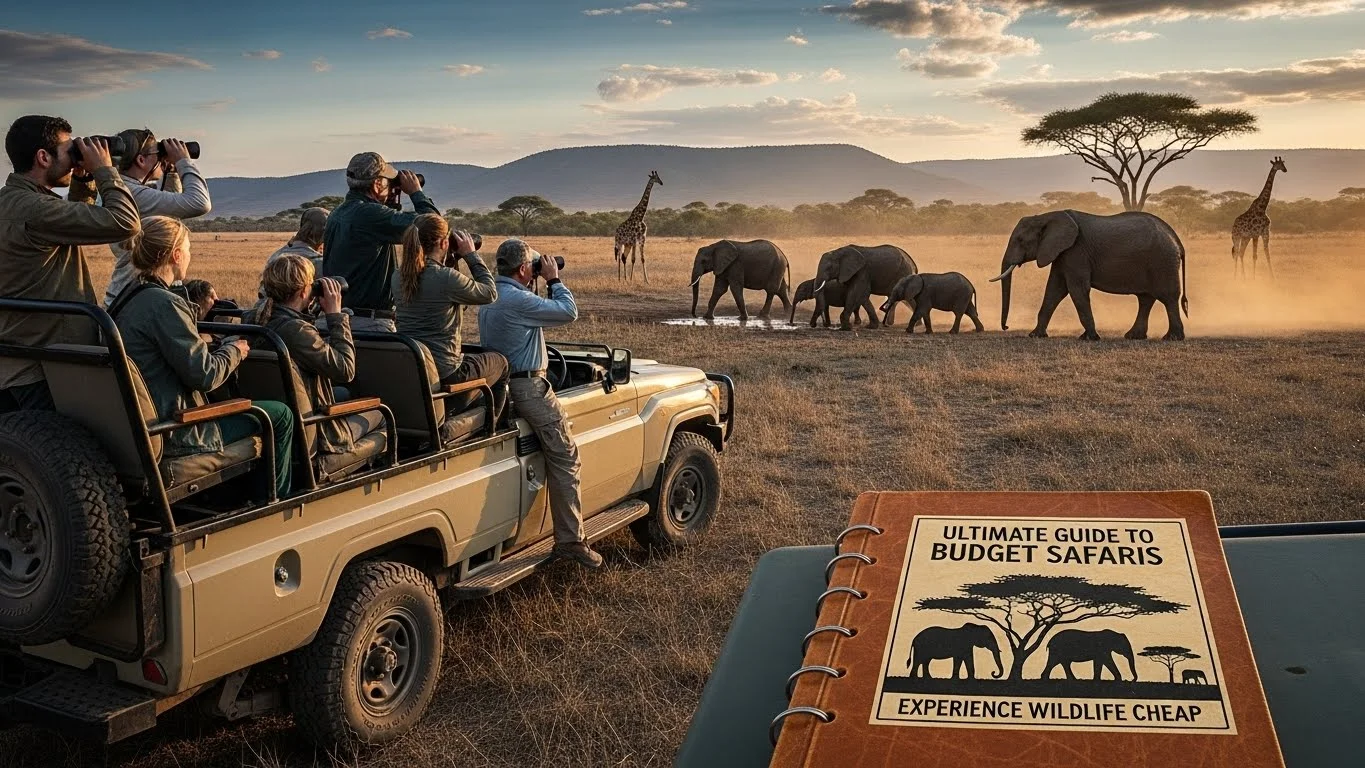
When I first heard the term “budget safari,” I imagined a stripped-down version of the lavish adventures often shown in movies and travel brochures. But I quickly learned that a budget safari doesn’t mean skimping on the experience. It means finding ways to enjoy the incredible wildlife, stunning landscapes, and rich cultures without spending a fortune. Essentially, a budget safari provides an opportunity to experience Africa’s magnificent landscapes and wildlife at a price that won’t leave you in debt.
Budget safaris can vary widely in style and offerings. Some might be grounded in camping under the stars, while others could involve basic lodges or even self-drive adventures. The goal is to enjoy the adventure of a safari while keeping costs low, allowing more people to connect with nature and wildlife. For those looking to travel sustainably, consider reading about Eco-Friendly Wildlife Safaris: Travel Sustainably on a Budget.
Benefits of Choosing a Budget Safari
Choosing a budget safari comes with a plethora of benefits that I personally found appealing. For starters, it often leads to a more authentic experience. When I went on my budget safari, I met locals and fellow travelers who shared their stories and insights. It felt more like an adventure with friends than a touristic outing. Being on a budget also encourages creativity in planning. I discovered lesser-known parks and reserves that were just as beautiful as the more famous ones, but at a fraction of the cost.
Another fantastic benefit is the flexibility that comes with a budget safari. Many budget options allow you to create your own itinerary, whether you want to spend extra time in one location or move quickly through multiple sites. I found myself captivated by the spontaneity of it all, often deciding on the go where to head next based on what I felt like experiencing that day.
Types of Budget Safaris
When planning my budget safari, I was surprised at the variety of options available. Here’s a breakdown of some popular types of budget safaris I discovered:
- Camping Safaris: This type typically involves setting up tents in national parks, where I could fall asleep to the sounds of nature. It’s often the cheapest way to experience a safari, and I loved the sense of adventure it brought.
- Self-Drive Safaris: Renting a vehicle to navigate parks myself was liberating. I could stop wherever I wanted, and I enjoyed the thrill of spotting wildlife on my own terms. It’s definitely a more hands-on experience that I found incredibly rewarding.
- Group Tours: Joining a group can reduce costs significantly, as expenses are shared. I met wonderful people during my group safari, and we bonded over our shared love for wildlife and adventure.
- Backpacker Tours: These tours focus on budget accommodation and affordable meals, allowing travelers to experience the safari without the hefty price tag. The communal aspect of backpacking brought a unique camaraderie.
No matter which type of budget safari you choose, the key is to find the one that aligns with your interests and comfort level. For me, the adventure was as much about the journey as it was about the destination.
In the end, a budget safari offers a unique chance to connect with nature and wildlife while making memories that last a lifetime. I truly believe that anyone can afford to go on an unforgettable safari adventure, regardless of their financial situation. The wildlife is waiting, and it’s time to embrace the adventure that comes with a budget safari! For more insights, check out Experience Wildlife Safaris on a Budget: Tips & Tricks.
Top Budget Safari Destinations
Kenya
Kenya holds a special place in my heart when it comes to budget safaris. With its stunning national parks like Maasai Mara and Amboseli, there’s so much to explore without breaking the bank. I remember visiting Maasai Mara during the Great Migration, and the sight of thousands of wildebeests crossing the river was unforgettable. There are budget-friendly campsites and lodges, which made my stay more affordable. Plus, I learned a lot from the local Maasai people, who shared their culture and stories with us. It truly enriched my experience.
Tanzania
Tanzania is another gem for budget travelers. Serengeti National Park and Ngorongoro Crater are must-visits, but I found that there are many affordable options available. I opted for a camping safari that allowed me to be close to nature, and I loved sitting around the campfire at night, sharing stories with fellow travelers. The wildlife was breathtaking, and the sheer diversity made every game drive feel new and exciting. For anyone on a budget, Tanzania offers plenty of opportunities to connect with wildlife without spending a fortune.
South Africa
South Africa surprised me with its budget safari options. Kruger National Park is famous for its wildlife, and I was pleased to discover that self-drive safaris are totally doable. Renting a car and exploring the park at my own pace saved me a lot of money. I saw the Big Five (lions, leopards, elephants, buffalo, and rhinos) and even managed to snap some great photos. Additionally, there are budget accommodations nearby, making it a fantastic choice for those who want to experience the thrill of a safari while keeping costs low.
Namibia
Namibia offers a unique budget safari experience, especially with its stunning landscapes like the Namib Desert and Etosha National Park. I remember driving through the desert and being awed by the red dunes of Sossusvlei. Camping was a fantastic way to immerse myself in nature, and I made some wonderful memories stargazing at night. The wildlife in Etosha is also incredible, and I found that visiting during the dry season allowed for excellent wildlife viewing at the waterholes—an experience I wouldn’t trade for anything.
Botswana
Botswana is often seen as a premium safari destination, but I discovered that there are budget options available too. Although the Okavango Delta can be pricey, I found affordable camping safaris that focused on exploration and wildlife viewing. The landscapes are stunning, and I felt a sense of tranquility as I floated through the delta on a mokoro (a traditional canoe). It’s a place where you can truly appreciate nature, and the less-crowded experience was something I cherished. Traveling through Botswana taught me that you can enjoy luxury experiences without the luxury price tag.
When to Go on a Budget Safari
Best Seasons for Wildlife Viewing
Choosing the right time for a budget safari can significantly affect both your experience and your budget. In my experience, the dry season, usually from June to October, is the best time for wildlife viewing. Animals tend to gather around water sources, making sightings more frequent and easier. While prices can be a bit higher during peak season, I found that planning my safari during shoulder seasons (late April to early June or late October) allowed me to enjoy great wildlife viewing without the crowds and at a lower cost.
Off-Peak Travel Tips
Traveling during off-peak seasons can save you a lot of money, and I’ve found that the experience can be just as rewarding. In some parks, accommodations and activities are significantly discounted. Plus, I enjoyed a more relaxed atmosphere, where I didn’t have to compete with crowds for a good viewing spot. I also took advantage of local promotions and last-minute deals which often pop up for those who are flexible with their travel plans. I can’t recommend this enough for anyone looking to stretch their budget further!
Weather Considerations
Weather can play a big role in your safari experience. I remember visiting during the rainy season, which was a mixed bag. While it was lush and beautiful, some roads were impassable, and wildlife was less visible. However, I also saw fewer tourists, and the parks felt like my own private paradise. I learned to always check the climate for the regions I wanted to visit, and even consider packing for a mix of weather conditions. It’s all part of the adventure!
How to Choose the Right Budget Safari
Researching Safari Operators
When I started planning my budget safari, I quickly realized that selecting the right safari operator was crucial. I spent hours online, looking for companies that offered budget options without compromising on experience. I found that it’s essential to research various operators to find out what they offer. Many companies provide a range of budget safaris, from camping trips to more basic lodge options. I made a list of potential operators and compared their itineraries, prices, and what was included. This step helped me feel more confident about my choices and pointed me toward some incredible experiences.
Reading Reviews and Testimonials
Once I narrowed down my list, I turned to reviews and testimonials from other travelers. Websites like TripAdvisor and travel blogs were invaluable resources for honest opinions. I learned a lot about what to expect and what to avoid. For example, I noticed that some operators had fantastic guides who truly enhanced the experience, while others didn’t provide that personal touch. I made sure to read a variety of reviews to get a balanced view. It was like having a conversation with fellow travelers, sharing their highs and lows. Their insights guided me in making my final decision.
Understanding Inclusions and Exclusions
One of the most important aspects of budget safari planning is understanding what is included in the package. When I first looked at safari deals, I found some that seemed too good to be true. After a closer look, I realized that many of these packages had hidden costs. I learned to carefully read through the details and ask questions about meals, park entry fees, and transportation. Knowing what was included helped me budget better and avoid surprises later on. I remember one operator who offered a great deal, but I discovered that the cost of meals and some park entries were not included. In the end, I opted for a package that was slightly more expensive but covered everything I wanted.
Budget Safari Planning Essentials
Setting Your Safari Budget
Before I embarked on my safari adventure, I knew I had to set a budget. I sat down with a notebook and jotted down all potential costs like flights, accommodation, meals, and activities. This process opened my eyes to what I could realistically afford. I found it helpful to break down my budget into categories. For instance, I allocated a portion specifically for experiences like guided tours or special activities. Having a clear budget not only kept me on track but also allowed me to prioritize what mattered most to me during the adventure.
Travel Insurance Considerations
Travel insurance was another crucial element I couldn’t overlook. I remember initially thinking, “I’ll be fine,” but I soon realized that unexpected things can happen, especially in the wilderness. I researched different travel insurance options, comparing coverage for medical emergencies, trip cancellations, and even lost luggage. In the end, I chose a policy that specifically covered safari-related activities. Knowing that I was protected allowed me to focus on enjoying the experience without worrying about what could go wrong.
Visas and Vaccinations
Before my safari, I also had to consider visas and vaccinations. Since each country has different requirements, I made it a point to check what was needed for Kenya, Tanzania, and South Africa. I found that some visas could be obtained online, while others required a visit to the consulate. Additionally, I learned about recommended vaccinations for travelers, which varied by destination. I made an appointment with my doctor to discuss what I needed, and I felt relieved knowing I was prepared for the health aspects of my trip. It’s easy to overlook these details, but they are essential for a smooth safari experience.
Accommodation Options for Budget Safaris
Camping vs. Lodges
Accommodation can significantly affect your budget, and I had a blast exploring my options. Camping was my favorite choice because it allowed me to truly immerse myself in nature. I loved setting up my tent and falling asleep to the sounds of the wild. But I also discovered that basic lodges could be affordable and comfortable. They provided shelter and sometimes included meals, which helped save costs. I think it really boils down to personal preference—if you love the outdoors, go for camping; if you prefer a little more comfort, look for budget lodges.
Hostels and Guesthouses
During my safari planning, I also considered hostels and guesthouses. I found that many hostels catered specifically to travelers looking for budget options, with shared facilities and communal areas where I could meet fellow adventurers. Guesthouses, on the other hand, often offered a more homey experience. I stayed in a guesthouse in Tanzania that was run by a lovely local family. They shared stories and even cooked traditional meals for us. It was a great way to connect with the culture and make new friends.
Staying with Local Communities
One of the most rewarding experiences I had was staying with local communities. Some safari packages offered opportunities to live with local families, which truly enriched my journey. I remember sharing meals and learning about their way of life. It brought a whole new meaning to the idea of budget travel—it wasn’t just about saving money, but about building connections and understanding the culture. If you’re open to it, this option can provide an unforgettable experience that you won’t find in a traditional setting.
Wildlife Viewing Tips on a Budget
Best Times for Wildlife Sightings
One of the most exciting parts of a budget safari is witnessing wildlife in their natural habitats. From my experience, the early mornings and late afternoons are the prime times for spotting animals. During those hours, wildlife is more active, making it easier to see them outside of the heat of the day. I remember waking up before sunrise and feeling the cool air as I set out on a game drive, holding my breath as we approached a watering hole, hoping to catch a glimpse of elephants or lions. If you can, try to plan your game drives around these times to maximize your chances of seeing incredible wildlife.
Guided Tours vs. Self-Drive Safaris
I’ve done both guided tours and self-drive safaris, and each has its perks. Guided tours often come with knowledgeable guides who can share insights about the animals and their behaviors, which really enhances the experience. I learned so much from my guide about the ecosystem and the unique traits of different species. However, there’s something truly liberating about self-drive safaris. The freedom to stop whenever I wanted to take photos or simply enjoy the view made the journey feel more personal. I think the choice ultimately depends on your comfort level and what kind of experience you’re looking for. Either way, both options are budget-friendly!
Photography Tips for Budget Travelers
Capturing the beauty of a safari is a must, and I learned a few tips along the way to save money on photography. First, I took advantage of natural light during the golden hours—early morning and late afternoon. These times not only provided the best lighting but also increased my chances of seeing wildlife. I recommend bringing a good zoom lens if you have one, as it will allow you to capture stunning shots from a distance without disturbing the animals. I also learned to be patient; sometimes, waiting quietly for that perfect moment can yield the most rewarding photos. Finally, don’t forget to enjoy the experience in real-time rather than just through your camera lens!
Food and Dining on a Budget Safari
Local Cuisine to Try
Food is such an enjoyable part of travel, and I was eager to dive into the local cuisine during my budget safari. Each country I visited had its own specialties. In Kenya, I loved trying ugali, a maize porridge, often served with vegetables and meat. It was simple but delicious! In Tanzania, I couldn’t get enough of the fresh seafood along the coast, especially grilled fish. I found that indulging in local foods not only saved me money but also allowed me to connect more deeply with the culture.
Eating at Local Markets
One of my favorite experiences was eating at local markets. I discovered bustling markets where I could find affordable meals bursting with flavor. I remember sampling street food like samosas and fried plantains, enjoying the vibrant atmosphere and chatting with locals. Not only did I save money, but I also got to taste authentic dishes that you wouldn’t find in restaurants. I suggest checking out food stalls and asking locals for their recommendations—there’s usually a hidden gem waiting to be found!
Pack Your Own Meals: Tips and Tricks
To stretch my budget even further, I often packed my own meals for day trips. I brought along snacks like granola bars, nuts, and fruits, which kept me energized without breaking the bank. I also prepared simple sandwiches or wraps that I could easily eat on the go. When packing meals, I learned to choose items that were lightweight and non-perishable, making it easy to carry. Having my own food not only saved money but also allowed me to enjoy a picnic in nature, which was a delightful experience!
Transportation Options for Budget Safaris
Public Transport in Safari Destinations
Using public transport was one of the best choices I made while traveling. Many towns and cities near safari destinations have bus services, which are an economical way to get around. I took several matatus (shared minivans) in Kenya, and while it was an adventure in itself, it also offered a glimpse into local life. The vibrant atmosphere, the mix of people, and the stories shared during the ride made it worthwhile. Just be sure to allow for extra time, as public transport can be less predictable!
Shared Rides and Shuttles
I also found shared rides and shuttle services to be very budget-friendly. They are a great way to travel between major destinations without paying for a private taxi. I used a shuttle service from Nairobi to Maasai Mara, which was economical and comfortable. Plus, I met fellow travelers, which added to the excitement of the journey. I recommend checking online for companies that offer these services for a cost-effective way to move around.
Renting a Vehicle on a Budget
If you prefer more flexibility, renting a vehicle can be a good option, especially if you’re traveling with friends. I learned to shop around for the best deals and book in advance to secure lower rates. I opted for a 4×4, which made navigating the rugged terrain easier and gave us the freedom to explore at our own pace. Just remember to factor in fuel costs and insurance when planning your budget. For me, the experience of driving through vast landscapes and spotting wildlife along the way was worth every penny.
Safety and Health Tips for Budget Safaris
Staying Safe in the Wilderness
Safety should always be a priority, and I made sure to educate myself before venturing into the wilderness. I followed guidelines provided by my safari operator and always kept a safe distance from wildlife. I remember being in a vehicle while observing a pride of lions, and it was essential to respect their space. Being aware of my surroundings and sticking to marked paths helped me feel secure during my adventures.
Health Precautions and First Aid
Health is another crucial aspect of safari planning. I packed a small first aid kit with essentials like band-aids, antiseptic wipes, and any personal medications I might need. I also made sure to stay hydrated, especially during those hot days. Drinking plenty of water kept my energy levels up, and I learned to avoid tap water in certain areas. Before my trip, I researched vaccinations and health precautions relevant to my destinations, ensuring I was well-prepared.
Wildlife Etiquette and Respect
Respecting wildlife and their habitats is essential. I made it a point to follow the “leave no trace” principle during my travels. Whether it was not littering or making noise, I understood that showing respect for nature was vital for preserving these beautiful environments. I also learned about the importance of not disturbing animals, especially those that are nesting or caring for their young. Observing wildlife from a distance allowed me to appreciate their beauty while ensuring their safety.
Maximizing Your Budget Safari Experience
Participating in Community Projects
One of the most enriching experiences I had was getting involved in community projects during my safari. Many organizations offer opportunities to volunteer, whether it’s helping with wildlife conservation or supporting local schools. I spent a few days working with local children, teaching them English, and it was an incredible way to connect with the community. Plus, it added an extra layer of fulfillment to my trip, knowing I was making a small difference.
Connecting with Local Guides
Local guides can enhance your safari experience immensely. I found that hiring a local guide not only provided valuable insights into the wildlife and landscape, but it also supported the local economy. Many times, I learned about hidden gems and off-the-beaten-path locations that I wouldn’t have discovered on my own. Having that personal connection made my adventure even more special.
Finding Free or Low-Cost Activities
Lastly, I discovered that there are plenty of free or low-cost activities to enjoy while on a budget safari. From hiking in national parks to visiting local markets, I found ways to immerse myself in the culture without spending a lot. I explored walking trails, visited local villages, and enjoyed the stunning scenery around me. These experiences were just as memorable as the paid activities and often provided unique perspectives on the places I visited.
Final Thoughts
Embarking on a budget safari is one of the most rewarding experiences I’ve had. It’s not just about saving money; it’s about embracing the adventure and connecting with nature, wildlife, and local cultures. I believe that anyone can experience the magic of a safari without breaking the bank. With a little planning, some creativity, and an adventurous spirit, you can create memories that will last a lifetime. So, pack your bags, keep your budget in mind, and get ready for an unforgettable journey into the wild!
Frequently Asked Questions
What is a budget safari?
A budget safari is an opportunity to experience Africa’s wildlife, landscapes, and cultures without spending a fortune. It allows travelers to enjoy adventures through camping, basic lodges, or self-drive options while keeping costs low.
What are the benefits of choosing a budget safari?
Choosing a budget safari often leads to more authentic experiences, encourages creativity in planning, and provides flexibility in itineraries. Travelers can connect with locals and fellow adventurers while exploring lesser-known parks at lower costs.
What types of budget safaris are available?
Popular types of budget safaris include camping safaris, self-drive safaris, group tours, and backpacker tours. Each type caters to different preferences and comfort levels while keeping costs manageable.
Which destinations are recommended for budget safaris?
Recommended budget safari destinations include Kenya, Tanzania, South Africa, Namibia, and Botswana, each offering unique wildlife experiences and affordable options for travelers.
When is the best time to go on a budget safari?
The dry season, typically from June to October, is the best time for wildlife viewing. However, traveling during shoulder seasons can provide great wildlife experiences at lower costs and with fewer crowds.
How can I choose the right budget safari operator?
Researching different safari operators, reading reviews and testimonials, and understanding what is included in the package are crucial steps to selecting the right budget safari operator for your needs.
What are some essential planning tips for a budget safari?
Setting a clear budget, considering travel insurance, and checking visa and vaccination requirements are essential steps to plan a budget safari effectively.
What accommodation options are available for budget safaris?
Accommodation options include camping, budget lodges, hostels, guesthouses, and staying with local communities. Each option varies in comfort and cost, catering to different preferences.
What are some tips for dining on a budget safari?
Travelers can save money by trying local cuisine, eating at local markets, and packing their own meals for day trips. These options allow for authentic experiences without overspending.
How can I stay safe and healthy during my budget safari?
Staying safe involves following guidelines from safari operators, keeping a safe distance from wildlife, and being aware of surroundings. Health precautions include packing a first aid kit, staying hydrated, and researching vaccinations relevant to your destinations.