
Mountain climbing isn’t just a thrilling sport; it’s an adventure that can change your life. If you’re looking for budget-friendly ways to experience the mountains, you’ve come to the right place! Read Interesting article: Ultimate Guide to Budget-Friendly Climbing Equipment
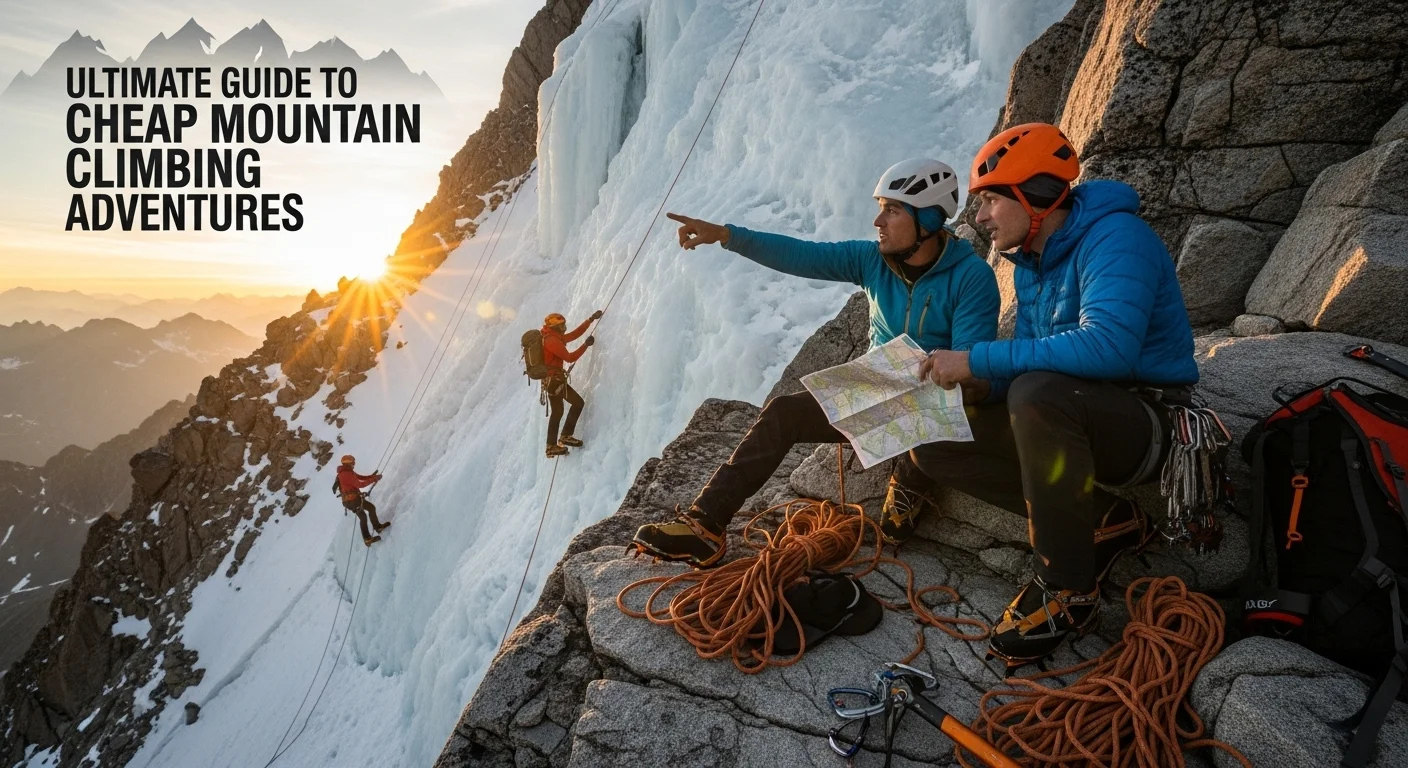
Understanding Mountain Climbing
What is Mountain Climbing?
Mountain climbing, in its simplest form, is the activity of ascending mountains. It’s not just about reaching the top; it’s about the journey, the challenges, and the experiences along the way. I remember my first climb—an exhilarating mix of excitement and fear as I faced the rocky terrain. There’s something magical about conquering the heights, feeling the crisp air, and embracing nature in its rawest form. Whether you’re hiking up a gentle slope or tackling a steep rock face, mountain climbing offers a unique blend of physical challenge and mental fortitude.
Types of Mountain Climbing
Mountain climbing can be categorized into several types, each offering its own experience and challenges. I’ve dabbled in a few different styles, and I can tell you that each one has its charm.
- Traditional Climbing: This involves placing your own gear for protection as you ascend. It’s often seen as a more adventurous and technical form of climbing.
- Sport Climbing: This type relies on fixed anchors bolted into the rock. It’s a great way for beginners to build confidence and skills without the complexities of traditional climbing.
- Alpine Climbing: This is a combination of climbing, hiking, and mountaineering in high-altitude environments. I found it to be the most rewarding, as it combines stunning views with the thrill of reaching a summit.
- Ice Climbing: As the name implies, this involves climbing on ice formations. It requires specialized gear, which can be a bit pricey, but the experience is unforgettable.
- Scrambling: This is more about hiking with some climbing involved. If you’re looking for something less intense but still adventurous, scrambling might be your best bet.
Essential Gear for Mountain Climbing
When I first started climbing, I was overwhelmed by the amount of gear available. However, I quickly learned that having the right equipment is vital for safety and enjoyment. Here’s a breakdown of the essentials:
- Climbing Shoes: A good pair of climbing shoes can make a world of difference. They provide the grip and support needed to navigate tricky surfaces.
- Harness: This is what keeps you safe while climbing. I found it helpful to try different styles to see what felt most comfortable.
- Helmet: Protecting your head is crucial. I always wear a helmet, even on lower-risk climbs, just in case.
- Ropes: Depending on the type of climbing you’re doing, you may need dynamic or static ropes. I learned the hard way that choosing the right type is essential for safety.
- Climbing Gear: This includes carabiners, quick draws, and protection devices. I started with a basic set and added to it as I gained experience.
- Clothing: Layering is key. I recommend investing in moisture-wicking base layers, insulating mid-layers, and a waterproof outer layer to stay comfortable in varying conditions.
- Backpack: A good climbing backpack should be lightweight yet durable, with enough space to carry your gear. I often pack snacks and hydration, which are lifesavers on long climbs!
While the initial investment in gear can seem daunting, I found that there are budget-friendly options available. Renting gear for your first few climbs can also be a great way to save money while figuring out what you really need. For more insights, check out Best Budget Mountain Climbing Gear: Climb Smart & Save Big.
In my experience, starting with the right mindset and understanding the basics of mountain climbing can lead to unforgettable adventures without breaking the bank. The thrill of standing at a peak, taking in the breathtaking views, and recalling the journey that brought me there truly makes it all worthwhile.
Choosing Budget-Friendly Destinations
Top Affordable Mountain Climbing Locations in the US
When I think about climbing without breaking the bank, a few locations in the U.S. come to mind that I’ve personally enjoyed. These spots not only offer beautiful landscapes but also provide accessible routes for climbers of all levels.
- Red River Gorge, Kentucky: This place is a gem for sport climbers and offers a variety of routes in a stunning natural setting. I was amazed by the variety of climbs available, from beginner-friendly to more challenging options. Plus, the camping fees are quite reasonable!
- Joshua Tree National Park, California: Known for its unique rock formations, Joshua Tree has plenty of climbing routes without hefty permit fees. I remember spending days there, enjoying the peaceful desert atmosphere and the incredible bouldering opportunities.
- Mount Hood, Oregon: This iconic peak provides a fantastic mix of climbing experiences. While there are costs associated with climbing permits during the summer months, they are generally affordable. The views from the summit are worth every penny!
- New River Gorge, West Virginia: This area is famous for its impressive cliffs and diverse climbing routes. I found it to be both budget-friendly and beginner-friendly, making it a perfect spot for anyone looking to dip their toes into climbing.
International Destinations for Cheap Mountain Climbing
If you’re feeling adventurous and considering international locations, I’ve discovered some amazing and budget-friendly climbing destinations that can offer a whole new perspective. Traveling abroad for climbing can often be more affordable than you might think.
- Chamonix, France: While it has a reputation for being a premier climbing destination, there are budget-friendly options if you plan wisely. Staying in nearby villages and enjoying the stunning views without the price tag of staying in the center can save you a lot.
- Siurana, Spain: This climbing haven is famous for its limestone cliffs and beautiful scenery. I was pleasantly surprised at how affordable accommodations can be in the nearby villages, and the climbing routes are simply breathtaking.
- Morocco: For those seeking a bit of adventure, climbing in the Atlas Mountains can be both exhilarating and inexpensive. I found local guides who charged reasonable rates, and the experience of climbing in such a beautiful and culturally rich country is unforgettable.
National Parks for Budget Climbers
National parks are often the first places I consider when planning a climbing trip. They usually offer beautiful, protected areas with varying routes for all skill levels, and many have affordable entry fees. Here are a few that I’ve enjoyed:
- Yosemite National Park, California: While it’s popular and can get crowded, Yosemite has countless climbing routes. I found that camping nearby can significantly reduce costs, and the breathtaking views make it worth it.
- Grand Teton National Park, Wyoming: This park offers stunning climbs and a chance to connect with nature without spending too much. I loved the sense of wilderness here, and the less crowded routes are a bonus!
- Rocky Mountain National Park, Colorado: With its diverse climbing options, Rocky Mountain National Park is a climber’s paradise. I remember hiking along the trails and discovering hidden gems that weren’t on the map, providing both adventure and affordability.
By choosing the right destinations and planning ahead, I’ve found that mountain climbing can be a fulfilling adventure without costing a fortune. The joy of experiencing these incredible places and the challenges that come with climbing make every trip memorable! Next up, let’s dive into the planning aspect of our mountain climbing adventures.
Planning Your Mountain Climbing Adventure
When to Go: Seasonal Considerations
Choosing the right time for your mountain climbing adventure can make all the difference. I’ve experienced climbs in various seasons, and each offers unique challenges and rewards. For instance, summer is often the most popular time for climbing when the weather is warm and trails are accessible. I remember my summer climbs in the Rockies, where the vibrant wildflowers made the scenery even more stunning. However, it’s important to consider that summer can also mean more crowds, especially in popular areas.
Fall is another fantastic time to climb. The temperatures are cooler, making strenuous hikes more comfortable. Plus, the changing foliage creates breathtaking landscapes. I often find that climbing in late September or early October gives me the best of both worlds: fewer people and beautiful views.
Winter climbing, while more technical, can also be rewarding. I’ve enjoyed ice climbing during the colder months, and the landscape transforms into a winter wonderland. However, this requires more gear and preparation for harsh conditions. Spring can be tricky, as melting snow and rain can affect trails, but I’ve had some of my best experiences when the snow starts to melt and the paths become more visible, leading to quieter climbs.
How to Find Discounts on Climbing Permits
Many climbing destinations require permits, and these can sometimes be a significant expense. I’ve learned a few tips for finding discounts or even free climbing opportunities. First, check the official park websites for any seasonal promotions or free entry days. I often plan my trips around these dates to save money without sacrificing my climbing experience.
Additionally, consider purchasing an America the Beautiful Pass if you plan to visit multiple national parks. It’s a great investment that grants access to over 2,000 federal recreation sites. I found that it paid for itself after just a few climbs in different parks during the same year.
Another tip is to connect with climbing communities and local outdoor shops. Often, they will have information on group permits, which can lower costs when several climbers join together. I’ve participated in community climbs where the fees were significantly reduced, and I ended up making new friends along the way!
Transportation Options for Budget Travelers
Getting to your climbing destination without breaking the bank requires some clever planning. I’ve had my fair share of road trips and public transport adventures, and I can tell you that both have their perks. If you’re considering a road trip, carpooling with fellow climbers can be a fantastic way to save on gas. I remember a trip to the New River Gorge where a few friends and I split the fuel costs, making the drive budget-friendly while enjoying the journey together.
For those without access to a car, many climbing areas are accessible by bus or train. I once took a train to a national park and found a local shuttle service that catered specifically to climbers. It was a great way to meet fellow adventurers and share tips while en route to the mountains.
If you’re staying in a town near your climbing area, consider renting a bike. I’ve discovered that many climbing destinations have bike rental shops, and cycling not only saves money but also gives you a chance to explore the area at your own pace. Plus, there’s nothing quite like pedaling through a picturesque landscape on your way to the next climb!
Essential Skills for Cheap Mountain Climbing
Basic Climbing Techniques
As I began my climbing journey, I realized that mastering some basic techniques was crucial for my safety and enjoyment. I recommend starting with foot placement, which I found to be the foundation of effective climbing. Focusing on where to place my feet made a significant difference in my stability and confidence. I remember a climb where I struggled until I started to pay attention to my footwork—suddenly, the route felt more manageable.
Another essential skill is learning how to use your body efficiently. I learned about the importance of maintaining a balanced center of gravity. This helps distribute weight properly and makes climbing easier. I practiced techniques like pushing with my legs instead of pulling with my arms, which conserved energy during longer climbs.
Lastly, I found it beneficial to practice falls in a safe environment. Understanding how to fall safely can ease the fear that many new climbers face. I took a class on climbing safety and learned how to position my body and use my harness effectively during falls. It made me feel more secure and allowed me to focus on the climb rather than worrying about what could happen if I slipped.
Navigation and Route Planning
Another important aspect of mountain climbing is navigation and route planning. I can’t stress how vital it is to know your routes and understand the terrain before you start climbing. I remember a time when I set off without fully investigating the route and ended up taking a much longer and more challenging path than anticipated. Now, I always take the time to study maps and guidebooks, and I check online forums for recent climber experiences.
Using a GPS or a climbing app can also be helpful. I’ve downloaded a few apps that allow me to track my route while providing additional information about the area. However, I always carry a physical map as a backup—technology can be unreliable in the mountains!
Before heading out, I often share my climbing plan with someone who isn’t joining me. This way, someone knows my route and expected return time, which adds an extra layer of safety.
Safety Tips for Inexperienced Climbers
As I ventured into the world of climbing, I quickly learned that safety should always be a top priority. I can’t emphasize enough the importance of climbing with a partner, especially as a beginner. Having someone there not only makes the experience more enjoyable, but it also provides an extra set of eyes and hands in case of emergencies. I’ve been fortunate to have experienced climbers by my side who taught me valuable lessons while ensuring our safety.
Another key safety tip I learned was to always check my gear before each climb. I developed a habit of double-checking my harness, knots, and carabiners. I remember a time when I skipped this step in my eagerness to start climbing, and it turned out that my harness wasn’t secured properly. It was a wake-up call, and I’ve never made that mistake again!
Lastly, I believe that understanding weather conditions is crucial. Mountain weather can change rapidly, and I’ve experienced unexpected storms that turned a pleasant climb into a challenging situation. I now check the forecast before each climb and carry extra layers in my pack. It’s better to be over-prepared than to find myself caught off-guard.
Budgeting for Your Climbing Trip
Estimating Costs: Gear, Travel, and Accommodations
When planning my climbing trips, I’ve learned that budgeting is a crucial step that can make or break the experience. I remember my first trip when I didn’t account for all costs and ended up stretching my finances thin. To avoid that, I now break down my budget into three main categories: gear, travel, and accommodations.
For gear, I’ve noticed that it can range widely in price. I recommend making a list of what you need and setting a limit based on what you can afford. If you’re just starting, consider borrowing equipment or looking for sales. I’ve scored some fantastic deals at end-of-season sales, which helped me save a lot.
Travel costs can vary, especially depending on how far you’re going. Whether it’s gas or airfare, I usually check for the best deals or consider traveling during off-peak times to save a bit. I’ve also learned to factor in food expenses on the road. Packing meals or snacks can help keep costs down compared to dining out.
Accommodations can be another significant expense. I often camp to save money, but I’ve also stayed in budget hostels or motels when necessary. Researching accommodations ahead of time has saved me from overspending. I remember booking a last-minute hotel once, and the price was shocking! Planning ahead allows you to find more affordable options.
How to Save on Gear and Equipment
As I mentioned before, gear can be a hefty investment. But over the years, I’ve discovered several ways to save on climbing equipment without sacrificing quality. For me, shopping at local outdoor shops can sometimes yield surprising discounts, especially during seasonal sales. I also browse online marketplaces for used gear. Many climbers sell their gently used equipment, and I’ve found it to be a fantastic way to get quality items at a fraction of the original price.
Another tip is to join gear-sharing programs or community groups where you can rent or borrow gear instead of buying. I participated in a local climbing club where members often loaned equipment to newcomers, which helped me save significantly while trying out different gear. Plus, it’s a great way to meet fellow climbers!
Lastly, I recommend keeping an eye on gear review blogs and websites. They often have recommendations on budget-friendly alternatives to high-end gear. I’ve followed a few blogs that provided insights that guided me in purchasing reliable gear without breaking the bank. For more information, check out Affordable Climbing Gear Reviews: Climb Without Breaking Bank.
Finding Affordable Lodging Near Climbing Areas
Finding a place to stay near climbing spots doesn’t have to drain your wallet. I’ve learned to look beyond hotels and consider alternative options. Camping is my go-to choice, as it not only saves money but also immerses me in nature. Many climbing areas have affordable campgrounds that offer basic amenities, and I love falling asleep to the sounds of the wilderness.
When camping isn’t an option, I often turn to platforms like Airbnb or hostels for affordable stays. I’ve found some charming places hosted by locals who also share insider tips on climbing routes and hidden gems in the area. This has not only saved me money but also enriched my climbing experience.
Another idea is to check if the climbing area has any base lodges or shared accommodations specifically for climbers. These can often be more affordable than traditional lodging, plus they create a community atmosphere where you can connect with others who share your passion.
Local Resources and Community Support
Climbing Clubs and Organizations
Joining a climbing club has been one of the best decisions I made in my climbing journey. These organizations often provide resources, training, and a supportive community. I remember my first meeting with a local climbing club; I was nervous, but everyone was welcoming and eager to share knowledge. Being part of a club means access to group climbs, discounted gear, and even workshops that enhance your skills.
Additionally, many clubs host events or clinics where you can learn from experienced climbers. I’ve participated in several of these, and the insights I gained were invaluable. They often cater to all skill levels, making it easier to find your place in the climbing community.
Online Forums and Social Media Groups
In today’s digital age, online forums and social media groups are fantastic resources for climbers. I’ve connected with many passionate climbers through these platforms, sharing tips and advice on everything from gear to climbing techniques. I often browse forums for trip recommendations or even to find climbing partners.
Facebook groups and Instagram hashtags are also great ways to stay updated on events or meet-ups in your area. I’ve found climbing partners this way, and it’s a fantastic way to foster connections, especially if you’re traveling alone.
Finding Local Guides and Instructors
Hiring a local guide for your first climbs can be a game-changer. I once went on a guided climbing trip, and it made all the difference in my confidence and skill level. Guides can provide invaluable knowledge about the area, ensuring you’re safe while exploring the best routes. I’ve also noticed that many guides offer group rates, making it a budget-friendly option if you gather a few friends.
Additionally, local climbing gyms often have connections with qualified instructors. I’ve taken advantage of these classes to refine my skills, and they often lead to outdoor climbing opportunities organized by the gym.
Final Thoughts
Mountain climbing is not just about reaching the summit; it’s about the journey and the lessons we learn along the way. The thrill of climbing, the breathtaking views, and the community of fellow climbers make it an enriching experience that I cherish. By planning wisely, budgeting effectively, and tapping into local resources, I believe anyone can embrace this adventure without overspending. Whether you’re a beginner or an experienced climber, there’s always something new to discover in the mountains. So grab your gear, connect with others, and hit the trails—you won’t regret it!
Frequently Asked Questions
What is mountain climbing?
Mountain climbing is the activity of ascending mountains, focusing not only on reaching the top but also on the journey, challenges, and experiences along the way.
What types of mountain climbing are there?
Mountain climbing can be categorized into several types, including traditional climbing, sport climbing, alpine climbing, ice climbing, and scrambling, each offering unique experiences and challenges.
What essential gear do I need for mountain climbing?
Essential gear includes climbing shoes, a harness, a helmet, ropes, climbing gear (like carabiners and quick draws), appropriate clothing, and a durable backpack.
Can I find budget-friendly mountain climbing destinations in the US?
Yes, some budget-friendly climbing locations in the US include Red River Gorge in Kentucky, Joshua Tree National Park in California, Mount Hood in Oregon, and New River Gorge in West Virginia.
Are there affordable international climbing destinations?
Yes, affordable international climbing destinations include Chamonix in France, Siurana in Spain, and the Atlas Mountains in Morocco, where you can find reasonable accommodations and climbing options.
What are some tips for finding discounts on climbing permits?
To find discounts on climbing permits, check official park websites for promotions, consider purchasing an America the Beautiful Pass, and connect with local climbing communities for potential group permits.
How can I save on gear and equipment for mountain climbing?
You can save on climbing gear by shopping during seasonal sales, buying used equipment from online marketplaces, joining gear-sharing programs, and following gear review blogs for budget-friendly alternatives.
What types of accommodations are budget-friendly for climbers?
Budget-friendly accommodations for climbers include camping, hostels, Airbnb, and base lodges near climbing areas, which often create a community atmosphere.
What resources are available for new climbers?
New climbers can benefit from joining climbing clubs, participating in online forums and social media groups, and hiring local guides or instructors for training and guidance.
Why is safety important in mountain climbing?
Safety is crucial in mountain climbing to prevent accidents and ensure a positive experience. Climbing with a partner, checking gear and understanding weather conditions are essential safety practices.