
Embarking on a solo travel adventure is thrilling, but packing light can transform your experience. Imagine wandering through vibrant streets without the heavy burden of excess baggage—let’s explore how to make that vision a reality! If you’re interested in family travel, check out the Ultimate Guide to Packing Light for Family Travels.
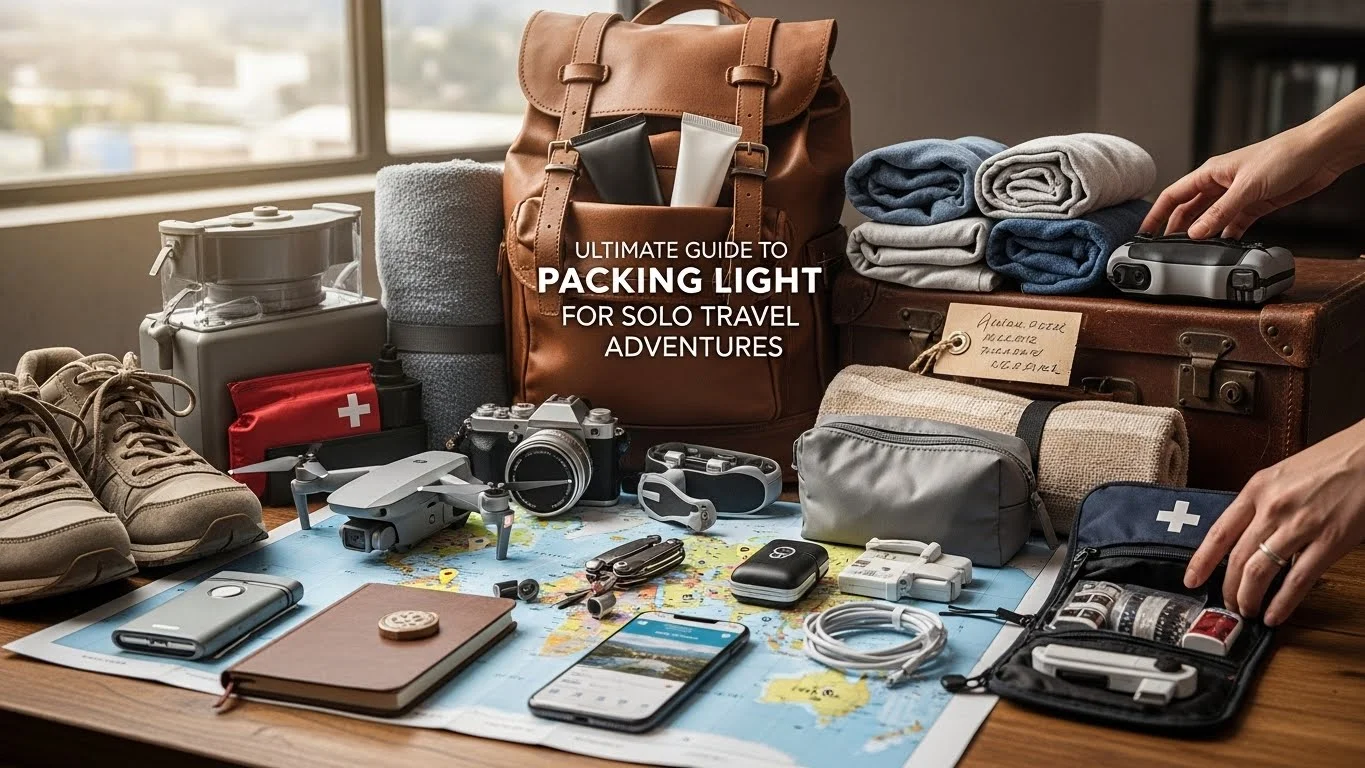
Understanding the Importance of Packing Light
Packing light is more than just a trend; it’s a game-changer for solo travelers. I still remember my first solo trip, where I dragged a massive suitcase through cobblestone streets, feeling every bump and crack. It hit me then—traveling light not only makes life easier but also enhances the overall adventure. Let’s dig deeper into why packing light is crucial.
Benefits of Traveling Light
When you decide to pack light, you unlock a world of benefits that can elevate your travel experience. For one, it allows for greater flexibility. I’ve found that without heavy luggage weighing me down, I can hop on public transport, explore hidden gems, and change plans on a whim. Less time spent lugging around bags means more time for adventures—whether that’s strolling through a local market or discovering an off-the-beaten-path cafe.
Traveling light also reduces stress. I used to dread the thought of losing my luggage, but when I switched to a minimalist approach, I eliminated that worry entirely. My belongings are always with me, and I can relax knowing everything I need is within reach. Plus, there’s a certain freedom in carrying just a backpack or a small suitcase; it’s liberating!
Cost savings is another important advantage. Many airlines now charge fees for checked luggage, and avoiding those fees can make a big difference in your travel budget. I remember one trip where I saved enough from not checking bags to treat myself to a special dinner. Every dollar counts when you’re traveling solo! For more packing tips, check out the Top 10 Solo Travel Packing Essentials for Budget Backpackers.
Common Misconceptions About Packing
Despite the clear advantages, I’ve noticed a few common misconceptions about packing light that might hold some travelers back. One belief is that packing light means leaving behind essential items. This couldn’t be further from the truth! I’ve learned through experience that with careful planning, it’s possible to bring everything I need without overpacking.
Another misconception is that packing light limits your wardrobe options. I used to think I needed a different outfit for every occasion, but I’ve found that versatile clothing is key. By choosing pieces that mix and match, I can create multiple outfits from just a few items. It’s about being strategic rather than restrictive.
Some people believe that they need to bring every gadget or tool they might use. However, it’s essential to prioritize what’s truly necessary. I’ve had trips where I packed items I never touched. Over time, I learned to evaluate what I could do without and focus on the essentials that would enhance my travels.
Finally, I’ve encountered those who think packing light isn’t feasible for longer trips. In my experience, longer trips can be managed just as easily with the right techniques. It’s all about planning ahead, being intentional with your choices, and sometimes, doing a little laundry along the way!
Essential Packing Tips for Solo Travelers
Packing light doesn’t have to be an overwhelming task. In fact, I’ve found that with a few strategic tips, it becomes a straightforward process. Here are some insights I’ve gathered over my years of solo travel that can help anyone looking to lighten their load.
Choosing the Right Luggage
The first step in your packing light journey is selecting the right luggage. I recommend opting for a backpack or a carry-on suitcase that is both lightweight and durable. My go-to is a 40-liter backpack, which is spacious enough for essentials but compact enough to avoid overpacking. You want something that fits comfortably and is easy to carry, especially in busy airports or train stations.
Clothing Essentials for Various Climates
When packing for different climates, versatility is key. I usually choose a few core pieces that can adapt to various weather conditions. For instance, having a lightweight, waterproof jacket is essential for unexpected rain or chilly evenings. I also love packing layers—think a tank top, a long-sleeve shirt, and a lightweight sweater. This way, I can adjust my outfit based on the temperature and save space in my bag.
Footwear: Comfort vs. Style
Footwear can make or break your travel experience. I’ve learned that comfortable shoes are non-negotiable, especially when walking is your main mode of transport. I usually bring one pair of versatile walking shoes and a pair of sandals that can double as casual wear. It’s possible to be stylish and comfortable if you choose wisely!
Maximizing Space with Packing Techniques
Maximizing space in your luggage is an art form. I’ve adopted techniques like rolling my clothes instead of folding them, which not only saves space but reduces wrinkles. Additionally, I pack items inside my shoes to utilize every inch of space. It’s amazing how much you can fit if you think creatively!
Using Packing Cubes and Compression Bags
Packing cubes have been a game-changer for me. They help keep my items organized and allow me to see what I have at a glance. I can separate my clothes, toiletries, and electronics easily. Compression bags are also handy for bulky items like jackets or sweaters, allowing me to save even more space without sacrificing comfort.
As I’ve navigated the world of solo travel, I’ve come to believe that packing light is an essential skill that enhances the travel experience. It offers freedom, flexibility, and peace of mind. By understanding the importance of traveling light and implementing these packing tips, we can all set out on our adventures unencumbered and ready to embrace the journey ahead. Additionally, for those looking for budget-friendly travel ideas, the Ultimate Guide to Budget Solo Travel: Best Destinations is a great resource.
Must-Have Items for Solo Travel
Travel Documents and Safety Gear
When I think about packing for a solo trip, my travel documents are always at the top of my list. I’ve learned the hard way that keeping my passport, ID, and any necessary visas organized is crucial. I typically use a travel wallet to keep everything in one place, which also makes it easier to show documents when needed. I also make copies of important documents—both physical and digital. Just in case something gets lost or stolen, having a backup can be a lifesaver.
Alongside my documents, I never forget my safety gear. A small, portable door lock adds peace of mind when I’m staying in hostels or hotels. I also carry a whistle and a personal alarm for emergencies. These items may seem minor, but they provide an extra layer of security, allowing me to explore new places with confidence.
Electronics and Charging Solutions
In today’s digital age, I can’t imagine traveling without my electronics. My smartphone is my lifeline for navigation, communication, and capturing memories. I usually pack a portable charger, as I’ve found that keeping my devices powered can be challenging, especially during long days of exploration. Carrying a universal adapter is also essential for international travel, ensuring I can plug in my devices no matter where I am.
For those who enjoy reading or watching shows while on the go, I recommend downloading books or shows onto my device beforehand. This way, I have entertainment readily available during long flights or train rides without needing to carry heavy books or DVDs.
Toiletries and Personal Care Items
Toiletries can take up unnecessary space if not approached wisely. I’ve adopted a minimalist routine for personal care items. Instead of bringing full-sized products, I invest in travel-sized bottles or use refillable containers for my shampoo, conditioner, and body wash. This not only saves space but also reduces weight.
Another tip I learned is to pack multi-purpose products. For instance, a moisturizer that doubles as a sunscreen can significantly cut down on the number of items I need. I also carry a small toiletry bag that fits all my essentials conveniently. Keeping my toiletries organized helps me avoid rummaging through my bag, saving me time and frustration.
First Aid Kit Essentials
Having a first aid kit is something I never overlook. I usually pack a small, lightweight kit that includes band-aids, antiseptic wipes, pain relievers, and any personal medications I might need. I’ve had moments on my travels where a simple headache or a minor scrape could have turned into a bigger issue without quick access to these essentials. It makes me feel more secure when I know I’m prepared for minor health issues that may arise.
Entertainment Options for Solo Travelers
Traveling alone doesn’t have to mean being bored! I always make sure to pack a few entertainment options to keep myself engaged during downtime. Whether it’s a travel journal to document my experiences or a compact game like a deck of cards, having something to do helps me feel less lonely during long waits or evenings at the hostel.
Music is another great companion on the road. I download playlists or podcasts that I can enjoy during my travels. I remember one evening in a cozy café where I spent hours listening to a podcast while sipping coffee, feeling completely content in my own company. It’s these little moments that can turn a solo trip into a memorable experience.
Clothing Strategies for Minimal Packing
Versatile Wardrobe Choices
When it comes to packing light, having versatile wardrobe choices is a game changer. I’ve learned that selecting clothing that can serve multiple purposes allows me to reduce the number of items I bring. For instance, I love packing a dress that can be dressed up for a night out or dressed down for a casual day of sightseeing. I also find that neutral colors are my best friend; they mix and match easily, which gives me a variety of outfit options without needing to pack a rainbow of clothes.
Another tip I’ve embraced is to choose clothing that can layer well. A simple tank top can be worn under a cardigan during the day and then stand alone at night. This way, I can maximize my outfits while minimizing the number of items in my bag. I also try to include a pair of pants that can transition from day to evening with the right accessories. It’s all about being creative and thinking outside the box!
Layering Techniques for Different Weather
Layering is one of the most effective strategies I’ve discovered for adapting to changing weather conditions. I remember one trip where the forecast promised sunshine, but I found myself in unseasonably cool temperatures. By packing layers, I was able to adjust my outfit on the fly. A lightweight base layer, such as a breathable long-sleeve shirt, combined with a fleece or a thin jacket, allows me to stay comfortable throughout the day.
I usually opt for a mix of materials that provide warmth without bulk. A packable down jacket is a staple in my bag; it’s incredibly lightweight and can easily fit into a corner of my backpack when not in use. I also make sure to bring a scarf—this accessory is not only fashionable but serves multiple purposes, such as keeping me warm or acting as a blanket on chilly flights.
Choosing Quick-Drying Fabrics
One of my favorite discoveries has been the joy of quick-drying fabrics. I can’t tell you how many times I’ve faced unexpected rain or had to do laundry while traveling. By choosing clothes made from quick-drying materials like polyester or merino wool, I can wash my items in the sink and have them ready to wear by morning. This has been a lifesaver, especially during longer trips.
When I shop for travel clothes, I always check the label for care instructions and fabric types. Quick-drying doesn’t mean sacrificing comfort or style, either! Many brands now offer fashionable options that look great and perform well. I love my quick-dry pants; they’re perfect for hikes and casual outings alike, and they keep me cool and dry no matter what the day throws my way.
How to Plan Your Packing List
Creating a Personalized Packing Checklist
Planning is everything when it comes to packing light. I’ve found that creating a personalized packing checklist helps me stay organized and ensures I don’t forget anything essential. I like to start by listing the types of activities I’ll be doing on my trip. This includes everything from sightseeing and dining out to hiking and relaxing on the beach.
From there, I focus on the essentials I’ll need for each activity. For example, if I know I’ll be hiking, I’ll add my walking shoes, a hat, and moisture-wicking clothes to my list. I usually keep my checklist on my phone, so it’s easy to update as I think of new items or remove things I realize I don’t need. This way, I can pack efficiently while ensuring I have everything I need for a successful trip.
Adapting Your List for Different Destinations
Every destination has its unique culture and climate, which means I need to adapt my packing list accordingly. I’ve learned that researching the weather and local customs can make a big difference in what I bring. For instance, when I visited a tropical destination, I focused on lightweight, breathable clothing and didn’t pack any heavy jackets. On the flip side, when heading to cooler locations, I prioritize warm layers and thicker fabrics.
Another aspect to consider is the cultural norms of the places I’ll be visiting. I remember traveling to a conservative destination where dressing modestly was essential. By taking the time to understand these expectations, I can pack more thoughtfully and ensure that I feel comfortable and respectful during my travels.
Using Mobile Apps for Packing Assistance
Technology has made packing easier than ever. I’ve discovered several mobile apps designed to help travelers create packing lists and stay organized. These apps often come with templates that can save time and ensure I don’t overlook any essentials. I’ve found it helpful to use an app that allows me to customize my list and even categorize items by type, making it easy to follow as I pack up.
Some apps also allow users to share packing lists with friends or family, which can be handy for group trips. I’ve used this feature when traveling with friends to ensure we all have what we need without duplicating items. Overall, using mobile apps has streamlined my packing process and made it feel much less overwhelming.
What to Do If You Forget Something
Finding Local Stores for Essential Items
No matter how well I plan, I’ve had moments where I forget crucial items. It’s part of the travel experience! Thankfully, I’ve learned that finding local stores for essential items isn’t as daunting as it seems. I remember one trip when I arrived without sunscreen—definitely a rookie mistake! But I quickly discovered a local pharmacy where I could buy what I needed without any hassle.
When I forget something, I try to stay calm and remind myself that I’m not the first traveler to face this issue. Most destinations have local shops or markets that carry basic travel necessities. I often take a stroll to explore the area while picking up any forgotten items, turning an inconvenience into an opportunity to discover new places.
Tips for Substituting Forgotten Items
If I find myself without something essential, I’ve learned to get creative with substitutions. For instance, I once forgot my travel towel, but I was able to buy a lightweight sarong that worked just as well for drying off after a swim and even doubled as a beach cover-up. I also keep in mind that certain items can be borrowed or shared with fellow travelers, especially in hostels. A friendly conversation can lead to finding someone who has what I need and is willing to lend it.
Frequently Asked Questions
What are the benefits of packing light for solo travel?
Packing light offers several benefits, including greater flexibility to explore, reduced stress from the worry of losing luggage, and potential cost savings by avoiding checked luggage fees.
How can I pack light without leaving behind essential items?
By planning carefully and choosing versatile clothing, it’s possible to bring everything needed without overpacking. Focus on essentials and prioritize what truly enhances your travel experience.
What types of clothing are recommended for packing light?
Selecting versatile clothing that can mix and match is key. Opt for neutral colors, layering options, and clothing that can serve multiple purposes to maximize outfit choices while minimizing items packed.
What packing techniques can help maximize space in my luggage?
Adopting techniques like rolling clothes instead of folding, packing items inside shoes, and using packing cubes and compression bags can help maximize space and keep items organized.
What must-have items should I include for safety and convenience while traveling solo?
Important items include travel documents, a small portable door lock for safety, a whistle, a personal alarm, a portable charger for electronics, and a first aid kit with basic supplies.
How can I ensure my toiletries take up minimal space?
Invest in travel-sized bottles or refillable containers for personal care items and use multi-purpose products, such as a moisturizer that doubles as sunscreen, to reduce the number of items packed.
What are some good entertainment options for solo travelers?
Traveling alone doesn’t have to be boring. Consider packing a travel journal, a deck of cards, or downloading music, playlists, or podcasts to enjoy during downtime.
How can I adapt my packing list for different destinations?
Researching the weather and cultural norms of your destination helps in adapting your packing list. This ensures you bring appropriate clothing and items that align with local customs.
What should I do if I forget an essential item while traveling?
If you forget something, remain calm and look for local stores to purchase the needed item. It’s common for travelers to forget items, and most destinations have shops that sell basic necessities.
How can I substitute for forgotten items during my trip?
Get creative with substitutions, such as buying a lightweight sarong if you forget a travel towel. Additionally, consider borrowing items from fellow travelers, especially in hostels.