
Embarking on a solo adventure across Europe can be one of the most exhilarating experiences of your life. With a little planning and an open heart, you can explore amazing destinations without breaking the bank. For female travelers, it’s also important to consider safety; check out Solo Female Travel: Embrace Culture While Staying Safe for tips.
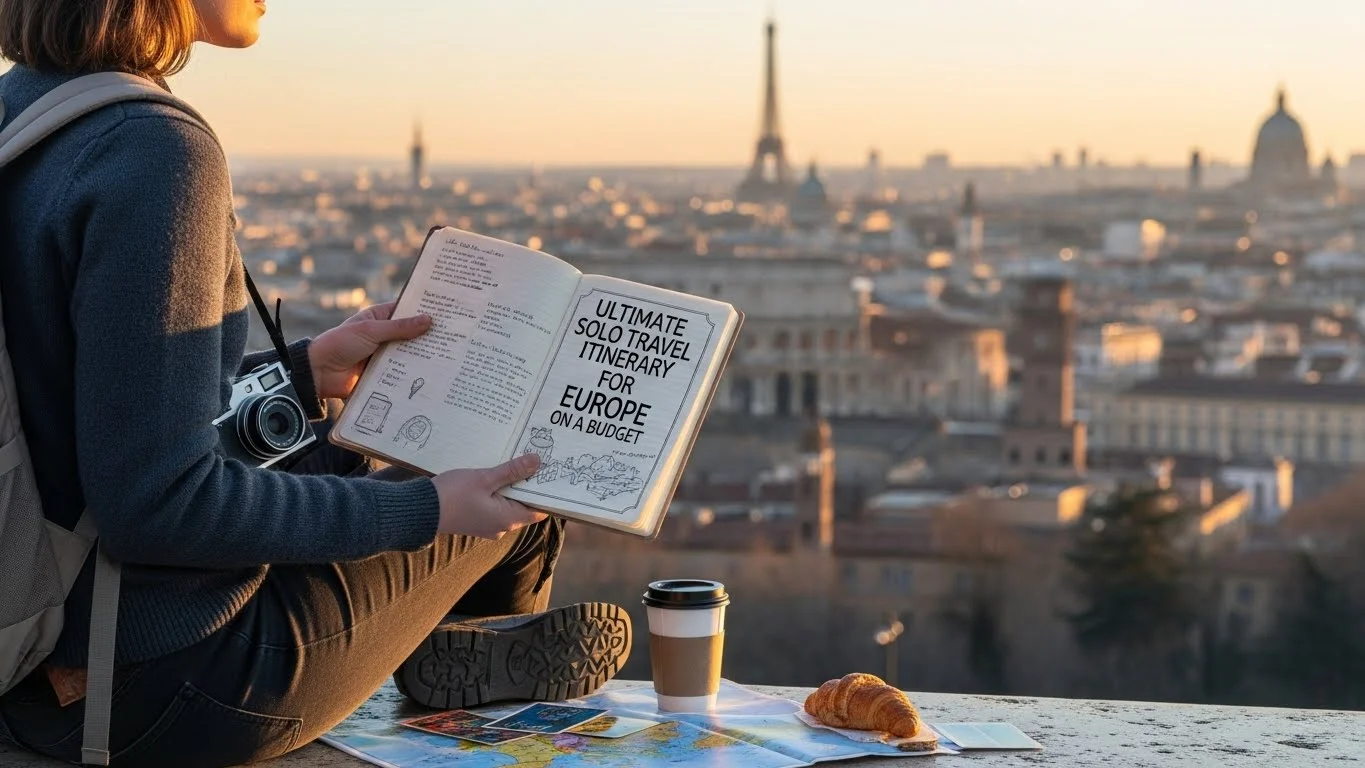
Understanding Solo Travel in Europe
When I first decided to travel solo in Europe, I felt a mix of excitement and nervousness. It was a journey that taught me so much about myself and the world around me. I believe that understanding the essence of solo travel is crucial, especially if you’re on a budget.
Benefits of Solo Travel
Traveling alone has its unique perks. For one, you have complete freedom to create your own itinerary. If I wake up one morning and feel like visiting a museum, I can do just that without checking in with anyone else. I’ve found that this autonomy allows for spontaneous adventures, whether it’s a hidden café I stumble upon or a local festival I decide to immerse myself in.
Another benefit is the chance to meet new people. When I traveled alone, I felt more inclined to strike up conversations with fellow travelers and locals. I remember one evening in Florence, sitting at a small trattoria, and ended up sharing a table with a couple from Australia. We shared stories, laughter, and tips about our travels. Those connections often make my trips unforgettable.
Solo travel also fosters personal growth. I learned to navigate unfamiliar places, handle unexpected situations, and embrace challenges. Each experience, whether good or bad, contributed to my confidence and resilience. If you’re interested in more inspiring stories, check out Solo Female Travel: Inspiring Stories for Your Next Adventure.
Challenges of Traveling Alone
Of course, solo travel isn’t all sunshine and rainbows. There can be challenges that you need to prepare for. For instance, loneliness can creep in at times. I’ve experienced those moments when I wished I had someone to share a breathtaking sunset with or a delicious meal. Learning to embrace solitude, however, can be a rewarding experience in itself.
Safety is another concern. When I traveled alone, I became extra vigilant about my surroundings. I always kept my belongings close and avoided poorly lit areas at night. While most places in Europe are safe, it’s wise to stay aware and trust your instincts. I remember walking back to my hostel in Barcelona one evening, and I took a different route than I originally planned because it felt safer. Trusting my gut led me to discover a charming little park I wouldn’t have seen otherwise.
Moreover, budgeting can be tricky. It’s easy to overspend when you don’t have a travel companion to share costs. I quickly learned to keep track of my expenses and look for free or low-cost activities. I realized that Europe is filled with amazing parks, galleries, and events that don’t cost a dime.
Planning Your Budget-Friendly European Adventure
Once I decided to embrace solo travel, the next step was planning my budget-friendly adventure. It was essential to create a realistic budget that would allow me to explore without financial stress.
Setting a Realistic Budget
Setting a budget might sound tedious, but it’s vital for a successful trip. I started by calculating my daily expenses, including food, transportation, accommodation, and activities. I used budgeting apps to help me track my spending and stick to my limits. Setting aside a little extra for unexpected expenses gave me peace of mind. I found that being realistic about what I could afford helped me enjoy my trip more fully.
Choosing Affordable Destinations
Europe has a plethora of budget-friendly destinations that offer rich experiences without the hefty price tag. Countries like Portugal, Hungary, and Poland often provide cheaper accommodations and food. I’ve been to Budapest, where I enjoyed hearty meals at inexpensive local eateries and visited stunning thermal baths at a fraction of the cost compared to other cities. Exploring less touristy destinations also allowed me to experience authentic local culture.
Using Budget Airlines and Trains
When it comes to getting around Europe, I discovered that budget airlines and trains are a traveler’s best friend. Websites like Ryanair and EasyJet offer incredible deals, especially if you book in advance. I remember snagging a flight from Rome to Barcelona for less than $30! Additionally, Europe’s train system is efficient and often beautiful. I’ve spent hours gazing out the window at the picturesque countryside while traveling between cities. Check for rail passes that can save you money if you plan to hop between multiple destinations.
Finding Budget Accommodations
Finding budget accommodations was another key aspect of my planning. Hostels are a popular choice for solo travelers, and I can’t recommend them enough. They offer a chance to meet other travelers, often have communal kitchens, and provide helpful local tips. I’ve made lifelong friends in hostel common rooms, sharing travel stories over coffee. Websites like Hostelworld and Booking.com helped me find places that fit my budget without sacrificing comfort. I also loved using Airbnb for unique stays, like a cozy apartment in the heart of a city. For essential packing advice for female backpackers, check out Top 10 Must-Have Items for Solo Female Backpackers.
When to Visit Europe
Best Seasons for Budget Travel
Choosing the right time to visit can significantly impact your travel experience and budget. From my travels, I’ve found that traveling during the shoulder seasons—spring (April to June) and fall (September to October)—is often the best choice. The weather is generally pleasant, and you can avoid the sweltering heat of summer and the massive crowds that come with it. I remember wandering through the streets of Florence in early October, surrounded by vibrant autumn leaves, and it felt magical without the hustle and bustle of tourists.
Off-Peak Travel Tips
Visiting during off-peak times is a game changer for budget travelers. For instance, many European cities are quieter in January and February, which can lead to cheaper flights and accommodation. I once visited Prague in February, and although it was chilly, the city was stunning under a light dusting of snow. Plus, I enjoyed the luxury of exploring popular attractions like Prague Castle without the usual long lines. To save even more, I recommend checking for special winter deals on accommodations and attractions.
Festivals and Events to Consider
Experiencing local festivals can add a unique touch to your travels. I’ve attended a few incredible events that fit well within my budget. For example, the San Fermin Festival in Pamplona takes place in July, and while it can get busy, the energy and camaraderie of the crowd make it worth visiting. Another memorable moment was at the Christmas markets across Europe, like the enchanting one in Vienna. It felt like stepping into a fairytale, and I was able to sample delicious treats without spending a fortune. Make sure to check local calendars to find events happening during your visit—they can add a layer of authenticity to your experience.
Creating the Ultimate Solo Travel Itinerary
Selecting Your Destinations
When I started mapping out my solo travel itinerary, I focused on destinations that offered a mix of culture, history, and affordability. I found that combining major cities with smaller towns allowed me to experience Europe’s diversity without draining my wallet. Each location brought something special, from architectural wonders to vibrant street life.
Top Budget-Friendly Cities
- Budapest: Famous for its thermal baths and ruin pubs, Budapest offers endless charm without a hefty price tag.
- Lisbon: With its colorful streets and delicious pastries, Lisbon is not only beautiful but also affordable.
- Krakow: A stunning city with a rich history, Krakow’s prices on food and accommodation make it a top choice for budget travelers.
- Prague: Known for its stunning architecture, Prague is an excellent place to explore on foot, making it easy to save on transport.
Must-Visit Countries for Solo Travelers
- Portugal: Friendly locals and breathtaking landscapes make Portugal a welcoming destination.
- Hungary: The rich culture and affordable prices create an inviting atmosphere for solo adventurers.
- Poland: With its deep history and vibrant cities, Poland’s affordability is a significant plus.
- Czech Republic: Beyond Prague, the Czech countryside offers a serene escape at little cost.
Sample 2-Week Itinerary
Creating a detailed itinerary can help you maximize your time and budget. Here’s a sample 14-day itinerary that I think strikes a good balance between exploration and relaxation:
Day 1-3: Exploring Paris
Start your adventure in Paris, where you can visit iconic landmarks like the Eiffel Tower and the Louvre. Consider walking along the Seine and enjoying a picnic in one of the many parks. I loved finding pastries at local bakeries, which were delicious and budget-friendly.
Day 4-5: Backpacking through Amsterdam
Hop on a train to Amsterdam, where you can enjoy the picturesque canals and vibrant art scene. Renting a bike is a fantastic way to see the city and save on transportation costs. I remember getting lost in the neighborhoods, discovering hidden gems along the way.
Day 6-7: Discovering Berlin
Next, head to Berlin. The city is rich in history, and many museums are free or have discounted entry on certain days. I found the East Side Gallery particularly moving and totally free to enjoy. Plus, the food scene is incredible and doesn’t have to be expensive.
Day 8-9: Culture in Prague
After Berlin, make your way to Prague. Spend a couple of days exploring the Old Town and sampling local dishes. I often found hearty meals at small local eateries that were kind to my wallet.
Day 10-12: Relaxing in Budapest
Budapest is next! Spend your time soaking in the famous thermal baths and exploring the lively ruin pubs. I enjoyed a relaxed pace here, allowing myself to just wander and soak in the atmosphere.
Day 13-14: Sunbathing in Barcelona
Finally, wrap up your adventure in Barcelona. Soak up the sun at the beach, visit the stunning Sagrada Familia, and enjoy tapas at a local bar. I loved the vibrant energy of the city, and it was a perfect way to end my trip.
Top Attractions for Solo Travelers
Historical Sites and Museums
One of the most rewarding aspects of solo travel for me has been the opportunity to explore historical sites and museums at my own pace. For instance, I spent an entire day wandering through the Louvre in Paris, absorbing art and history without feeling rushed. I love that there’s no one else to consider when I want to linger over a masterpiece or skip a less interesting exhibit. Some of my favorite spots included the Anne Frank House in Amsterdam, where I was deeply moved by her story, and the Berlin Wall in Germany, which provides a powerful insight into the city’s history. I found that many museums in Europe have specific days when entry is free or discounted, which is a great way to save money while indulging my passion for history.
Parks and Outdoor Activities
Europe boasts some of the most beautiful parks and outdoor spaces, perfect for solo travelers looking to relax or explore. I love spending afternoons in places like the Luxembourg Gardens in Paris or the Vondelpark in Amsterdam. These parks are not only serene but also a great way to people-watch and soak in the local culture. I remember one sunny day in Barcelona, where I hiked up to Montjuïc Castle. The views from the top were breathtaking, and the journey allowed me to connect with nature while getting a bit of exercise. Many cities have free walking tours that take you through parks and natural attractions, offering a fantastic way to learn and meet fellow travelers.
Local Experiences and Tours
Immersing myself in local experiences is something I cherish when traveling solo. I often look for workshops or guided tours that allow me to engage with the culture more deeply. For instance, I took a cooking class in Florence where I learned to make pasta from scratch. Not only did I enjoy a delicious meal, but I also met other travelers and shared stories about our adventures. I’ve also been on bicycle tours in cities like Copenhagen, which allowed me to see so much more than I could on foot. These experiences enrich my travels and create lasting memories.
Where to Stay: Budget Accommodation Options
Hostels and Guesthouses
Hostels have been my go-to accommodation choice throughout my travels in Europe. They offer a vibrant atmosphere and a chance to meet fellow backpackers from around the world. I’ve made some incredible friendships while sharing a dorm room or lounging in a common area. The best part? Many hostels also organize activities, like pub crawls or city tours, which are perfect for solo travelers looking to connect. I remember staying at a cozy hostel in Budapest that had a rooftop terrace where we would gather each evening to share stories over a few drinks. It made the whole experience feel more communal.
Budget Hotels and B&Bs
If I’m looking for a bit more privacy or comfort, I often seek out budget hotels or charming bed and breakfasts. Sites like Booking.com have been invaluable for finding affordable options that still offer great amenities. I once stayed at a lovely B&B in Krakow that included a homemade breakfast each morning. It felt like a home away from home, and I loved starting my day with a hearty meal before heading out to explore. I also appreciate that many of these places have friendly hosts who can provide helpful tips about the area.
Couchsurfing and Home Exchanges
Couchsurfing is another fantastic option for solo travelers looking to save money while experiencing life like a local. I gave it a try during my trip to Lisbon, and it was one of the highlights of my journey. The host welcomed me into their home, shared their favorite local spots, and even took me out to a fado music performance. This kind of authentic connection is something that hotels often can’t provide. If you’re feeling adventurous, home exchanges can also be a budget-friendly way to travel, allowing you to stay in someone’s home while they stay in yours. I’ve heard great stories from friends who have exchanged homes in different countries, creating unique experiences along the way.
Local Food on a Budget
Affordable Eats in Major Cities
One of my favorite parts of traveling is indulging in local cuisine, and I’ve found plenty of ways to enjoy delicious meals without overspending. I often seek out street food vendors or local markets, where I can find authentic dishes at reasonable prices. For example, trying a savory crepe in Paris or grabbing a doner kebab in Berlin became memorable moments of my travels. I love exploring food markets like La Boqueria in Barcelona, where I can sample various local treats while soaking in the vibrant atmosphere.
Street Food to Try
Street food is a treasure trove of flavors and experiences. I remember devouring a delicious pierogi in Krakow from a small stall that looked unassuming at first. It was one of the best meals I had during my trip! Each city has its own street food culture, so I always make it a point to ask locals for recommendations. I’ve tried everything from paella in Valencia to gelato in Rome. These quick bites not only satisfy my hunger but also allow me to taste the heart of each city.
Cooking Your Own Meals
For those longer stays or if you’re staying in a hostel with a kitchen, cooking your own meals can save a lot of money. I love visiting local grocery stores or markets to pick up fresh ingredients. It’s a fun way to experiment with local recipes or simply whip up something comforting after a long day of sightseeing. I remember making a simple pasta dish in an Italian hostel kitchen, and it felt so rewarding to enjoy a homemade meal while chatting with fellow travelers about our adventures.
Frequently Asked Questions
What are the benefits of solo travel in Europe?
Solo travel offers complete freedom to create your own itinerary, the opportunity to meet new people, and fosters personal growth by navigating unfamiliar places and handling unexpected situations.
How can I prepare for the challenges of traveling alone?
To prepare for challenges like loneliness and safety concerns, it’s important to embrace solitude, stay vigilant about surroundings, trust your instincts, and keep track of your budget to avoid overspending.
What steps should I take to set a realistic travel budget?
Start by calculating daily expenses such as food, transportation, and accommodation. Use budgeting apps to track spending and set aside extra for unexpected expenses to ensure a stress-free trip.
What are some affordable destinations in Europe for solo travelers?
Budget-friendly destinations include Portugal, Hungary, Poland, and Czech Republic, with cities like Budapest, Lisbon, Krakow, and Prague offering rich experiences without high costs.
What are the best times to visit Europe for budget travel?
The shoulder seasons of spring (April to June) and fall (September to October) are ideal for budget travel, as the weather is pleasant and crowds are smaller. Off-peak months like January and February also offer cheaper flights and accommodations.
How can I find budget accommodations while traveling solo?
Hostels are excellent for solo travelers, providing a chance to meet others and often offering communal kitchens. Websites like Hostelworld and Booking.com can help find budget-friendly options without sacrificing comfort.
What are some top attractions for solo travelers in Europe?
Historical sites and museums, beautiful parks, and local experiences such as cooking classes and guided tours make for rewarding activities that enrich solo travel experiences.
How can I enjoy local cuisine on a budget while traveling?
Seek out street food vendors and local markets for affordable meals, and consider cooking your own meals if staying in hostels with kitchens. Sampling local street food is also a great way to experience authentic dishes.
What are some tips for using budget airlines and trains in Europe?
Budget airlines like Ryanair and EasyJet offer great deals, especially with advance booking. Additionally, Europe’s train system is efficient and scenic, and rail passes can save money if hopping between multiple destinations.
How can I create a balanced solo travel itinerary?
Focus on a mix of culture, history, and affordability by combining major cities with smaller towns. A detailed itinerary helps maximize time and budget, allowing for both exploration and relaxation.