
Traveling the world doesn’t have to come at the expense of our planet. As budget backpackers, we can explore breathtaking destinations while embracing a zero-waste lifestyle. Let’s dive into how we can make travel sustainable and enjoyable!
Understanding Zero-Waste Travel
What is Zero-Waste Travel?
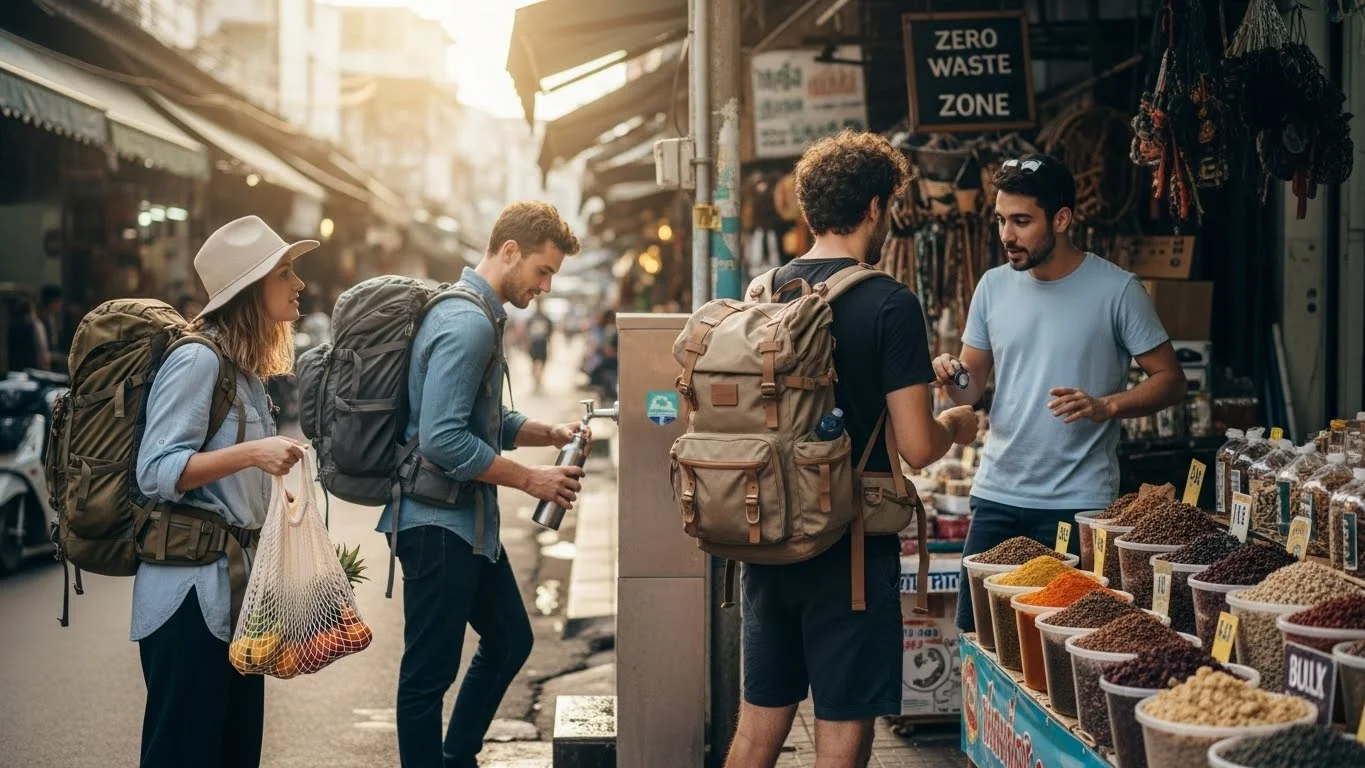
Zero-waste travel is all about minimizing waste and reducing our environmental impact while exploring new places. Instead of tossing items into the trash, I focus on using reusable products and making conscious choices that keep waste to an absolute minimum. This means ditching single-use plastics, finding eco-friendly accommodations, and embracing a mindset of sustainability as I travel. It’s not just a trend; it’s a way to honor the beautiful places we visit and the planet as a whole.
The Importance of Sustainable Travel
In today’s world, the impact of tourism on the environment is staggering. I’ve seen firsthand how litter and pollution can tarnish once-pristine landscapes. By choosing sustainable travel practices, we can help preserve these spaces for future generations. It’s important to recognize that every small action counts—whether it’s bringing a reusable water bottle or supporting local economies. Our choices can influence not just the places we visit, but also the local communities and ecosystems that thrive there.
Benefits of Zero-Waste Travel for Backpackers
As a budget backpacker, I’ve discovered that adopting a zero-waste mindset actually enhances my travel experience. Here’s how:
- Cost Savings: By using reusable items, like a water bottle or cloth bags, I save money that would otherwise be spent on single-use products.
- Greater Connection: Traveling sustainably often leads me to local markets and community events, allowing for more authentic interactions.
- Personal Satisfaction: Knowing that I’m making an effort to protect the environment fills me with a sense of purpose during my travels.
- Adventure Opportunities: Many eco-friendly activities offer unique experiences, such as volunteering for conservation projects or staying with local families.
Planning Your Zero-Waste Backpacking Trip
Choosing Eco-Friendly Destinations
When planning my trips, I’ve found that selecting eco-conscious destinations is crucial. Some places prioritize sustainability, making it easier for travelers like us to maintain a zero-waste lifestyle. For instance, cities like Copenhagen, known for their bike-friendly infrastructure and focus on green spaces, are great for minimizing my carbon footprint. Similarly, areas that promote local produce and sustainable practices can enhance my experience while keeping waste low. Eco-friendly cycling is a great way to explore these destinations.
Researching Local Sustainability Practices
Before I head to a new destination, I like to do a bit of homework on local sustainability practices. Are there farmers’ markets? What’s the recycling system like? Understanding how the locals approach waste management helps me align my habits with theirs. I remember visiting a small town in Costa Rica where the community had established robust recycling programs. It inspired me to follow suit and find ways to engage with their efforts.
Budgeting for Zero-Waste Travel
Budgeting for a zero-waste trip doesn’t have to be stressful. I often find that spending a little extra on eco-friendly products can save money in the long run. For example, investing in a good reusable water bottle means I won’t have to buy bottled water during my travels. Plus, I love saving cash by cooking my own meals instead of eating out all the time. I make a point to set aside funds for sustainable experiences, such as local tours or workshops that support the environment.
Finding Sustainable Accommodations
Finding the right place to stay can make all the difference in my zero-waste journey. I usually look for hostels or hotels with eco-credentials. These accommodations often have programs in place for recycling, energy conservation, and even local sourcing.
Hostels with Eco-Credentials
Staying in eco-friendly hostels has become my go-to option. Many of these places have a strong commitment to sustainability, offering amenities like solar energy, composting systems, and even organic food. I remember my stay at a hostel in Berlin that provided free breakfast with locally sourced ingredients, which made me feel good about my choices while enjoying some tasty food.
Camping and Nature-Based Lodging
I’ve also discovered that camping or opting for nature-based lodgings can be a fantastic way to connect with the environment. Camping allows me to immerse myself in nature and practice minimalism. Plus, many campgrounds have waste management systems in place to help reduce our footprint. Staying at eco-lodges or treehouses not only minimizes waste but also offers unique experiences that I cherish.
Essential Gear for Zero-Waste Backpackers
Reusable Water Bottles
One of my favorite zero-waste essentials is a sturdy, reusable water bottle. I can’t tell you how many times I’ve been on a trip and wished I had one handy. Having a reliable bottle not only saves me money but also keeps me hydrated without contributing to plastic waste. I opted for a stainless steel one that keeps my drinks cold for hours. Plus, most places have water refill stations, so it’s easy to stay refreshed. I remember hiking in the mountains of Colorado and being able to fill up my bottle at a scenic spring, feeling great about my choice and deeply connected to nature.
Eco-Friendly Toiletries
Another area where I’ve made significant changes is my toiletries. I switched to solid shampoo and conditioner bars that come with minimal packaging. They last longer than traditional bottles, and I don’t have to worry about leakages in my bag! I also use a bamboo toothbrush and refillable toothpaste tablets. It’s amazing how a few small changes can make a big difference in reducing waste. I always feel good knowing that I’m not contributing to the millions of plastic toothbrushes that end up in landfills every year.
Cloth Bags and Containers
Cloth bags are a game-changer when it comes to shopping and carrying items around. I keep a few reusable cloth bags in my backpack for groceries or souvenirs. They fold up nicely and take virtually no space, which is perfect for a backpacker. I also carry my own food containers for takeout meals or storing leftovers. I’ve had countless positive experiences with local eateries when I pull out my container, and many places are happy to fill it up, reducing unnecessary waste. It feels good to be proactive in my environmental impact while enjoying delicious local cuisine.
Multi-Use Tools and Gadgets
When it comes to packing, I love bringing along multi-use tools. A simple Swiss Army knife can serve many purposes—like opening cans, cutting fruit, or even making minor repairs on the go. This not only saves space in my backpack but also minimizes the need for unnecessary single-use items. I’ve had moments where I’ve used my knife to slice fresh bread from a local market while enjoying a picnic in a gorgeous park. It’s these little things that make my travels feel special and sustainable. Top 10 Eco-Friendly Travel Gear for Budget Backpackers can provide more insights on essential tools.
Zero-Waste Packing Tips
How to Pack Light While Staying Sustainable
Packing light is an essential skill for backpackers, especially when trying to maintain a zero-waste lifestyle. I’ve learned to be intentional about what I bring. I create a packing list that includes only the essentials. I find that versatile clothing pieces that can be mixed and matched not only save space but also allow me to dress appropriately for various occasions. For instance, a lightweight scarf can serve as a wrap during cooler evenings, or as a beach towel. I remember one trip where I packed just a few tops and a pair of pants, and it was liberating not to be weighed down by unnecessary clothes!
Choosing the Right Clothing Materials
When selecting clothes, I prioritize natural, sustainable materials like cotton, hemp, or bamboo. These fabrics are not only comfortable but also biodegradable. I’ve swapped out synthetic materials that contribute to microplastic pollution in our oceans. I feel better knowing that my clothing choices are aligned with my values. Thrift shopping has also become a favorite pastime of mine, allowing me to find unique pieces while contributing to a circular economy.
Zero-Waste Packing List for Backpackers
Creating a zero-waste packing list tailored to backpacking has been incredibly helpful for me. Here’s a list of essentials I always include:
- Reusable water bottle
- Cloth bags for shopping
- Solid toiletries (shampoo, conditioner, soap)
- Bamboo toothbrush
- Multi-use tools (like a Swiss Army knife)
- Lightweight, versatile clothing
- Reusable food containers
- Portable utensils (fork, knife, spoon)
- Eco-friendly first-aid kit
This list helps me remain focused and intentional about my choices, ensuring I’m prepared without overpacking.
Transportation Tips for Eco-Conscious Travelers
Using Public Transportation Effectively
Using public transportation is one of the best ways to reduce my carbon footprint when traveling. I’ve found that local buses, trams, and trains not only offer an authentic experience but also help me connect with the culture of the place I’m visiting. On a recent trip to Japan, I was amazed by the efficiency of the rail system. I was able to travel effortlessly between cities while enjoying the scenic views. Plus, it felt great to know I was contributing to less pollution compared to renting a car.
Eco-Friendly Modes of Transport
When possible, I opt for eco-friendly modes of transport like biking or walking. Many cities today have bike-sharing programs that allow me to explore at my own pace while being mindful of the environment. I remember cycling through Amsterdam, where the bike lanes are incredibly well-designed and safe. It was not only a fun way to explore but also a fantastic workout!
Reducing Carbon Footprint While Traveling
Every small effort counts when it comes to reducing our carbon footprint. I try to travel slower, taking my time in each destination rather than hopping from place to place. This allows me to immerse myself more in the culture and create meaningful experiences. I’ve seen how spending a few extra days in one spot leads to deeper connections with locals and a better understanding of their way of life. Ultimately, it enhances my overall travel experience while also being kinder to the planet.
Eating Sustainably on the Road
Finding Local and Organic Food Options
One of the joys of traveling is experiencing local cuisine. I’ve always loved exploring new flavors, and embracing a zero-waste lifestyle has pushed me to seek out local and organic food options. Not only does this support the community, but it also helps reduce my carbon footprint. I often visit farmer’s markets or local eateries that prioritize fresh, seasonal ingredients. For example, during my travels in Italy, I discovered a small trattoria that sourced its produce from nearby farms. The meals were not only delicious but also made me feel like I was part of the local culture. Every bite was a reminder of why supporting local businesses is so important.
Cooking Your Own Meals
Cooking my own meals while traveling has become one of my favorite activities. It’s a fantastic way to save money, reduce waste, and enjoy the fresh local produce. When I can, I book accommodations with kitchen facilities, so I can whip up my own dishes. I’ve learned to shop for ingredients at local markets, which often leads me to discover new ingredients and recipes. I remember making a simple pasta dish with fresh tomatoes and basil I picked up at a market in Barcelona. It was not only fun to cook but also fulfilling to know I was minimizing waste by using my cloth bags and reusable containers for shopping.
Zero-Waste Dining Practices
Dining out while maintaining a zero-waste mindset can be a bit tricky, but I’ve found ways to make it work. Before I head to a restaurant, I usually check if they offer takeout, and I make sure to bring my own containers. This has led to some interesting conversations with restaurant staff, and they often appreciate my efforts. I also try to eat at places that emphasize sustainability and offer plant-based options since those typically have a lower environmental impact. On a recent trip to Thailand, I enjoyed visiting a restaurant that served meals in banana leaves instead of plastic containers. It was refreshing to see such innovative practices, and it made my meal feel even more special.
Waste Management Strategies While Traveling
Reducing Single-Use Plastics
One of the biggest challenges I face while traveling is the prevalence of single-use plastics. I’ve learned to be proactive in reducing my reliance on these items. For instance, I always carry my own reusable utensils, straws, and bags. It’s a small change, but it can significantly cut down on waste. I remember being in a food market in Vietnam, and when I pulled out my reusable chopsticks, the vendor was surprised but appreciated my effort. It sparked a conversation about sustainability that I cherished. Making small changes like this helps not only my journey but also sets an example for others.
Proper Disposal of Waste in Different Countries
Understanding local waste disposal practices is crucial when traveling. I’ve experienced a wide range of systems, from strict recycling regulations to more relaxed approaches. Before I travel, I try to research how waste is managed in my destination. For example, in Japan, I learned that separating waste into burnable, non-burnable, and recyclable categories is essential. At first, it was confusing, but I found it rewarding to adapt and respect their customs. I always make sure to follow local rules to avoid adding to the problem. It’s about respect for the environment and the practices of the places I visit.
Composting and Recycling Options Abroad
Composting may not be commonly practiced in every country, but I’ve come across some places where it is encouraged. I usually ask locals or check online resources for composting options. In Costa Rica, for instance, I discovered eco-lodges that had composting systems in place for food waste. I made it a habit to ask if I could contribute any leftovers to their composting efforts. It felt good to know that my waste could turn into something beneficial, rather than just being tossed in the trash. Similarly, finding recycling bins can be hit or miss, but I’ve learned to keep my recyclables until I find a proper place to dispose of them. It’s all about being adaptable and considerate of the local environment.
Engaging with Local Communities
Participating in Local Conservation Efforts
Engaging with local communities is one of the most fulfilling aspects of traveling sustainably. I’ve often sought out ways to volunteer or participate in conservation efforts during my trips. Whether it’s beach clean-ups, tree-planting events, or wildlife conservation projects, I find these experiences deeply enriching. On a trip to New Zealand, I participated in a project to restore native plant habitats. Not only did I learn about the local ecosystem, but I also met incredible people who share my passion for the environment. It felt great to contribute positively to the places I visited.
Supporting Eco-Friendly Businesses
I make a conscious effort to support eco-friendly businesses while traveling. This includes everything from restaurants that source local ingredients to shops that sell sustainable products. I’ve found that these businesses often have a story to share, and I love learning about their missions. When I was in Bali, I stumbled upon a small shop that sold handmade items made from recycled materials. By purchasing a few souvenirs there, I felt good knowing my money went to a business that cared about the environment.
Volunteering for Sustainable Projects
Volunteering has become a vital part of my travels. It allows me to give back while experiencing the culture in a meaningful way. I often look for organizations that focus on sustainability and conservation. For example, in South Africa, I worked with a group dedicated to protecting endangered species. The experience was eye-opening, and I walked away with valuable insights and friendships. I encourage fellow travelers to seek out these types of opportunities. Not only do they create lasting memories, but they also foster a sense of community and responsibility towards our planet.
Frequently Asked Questions
What is zero-waste travel?
Zero-waste travel is about minimizing waste and reducing environmental impact while exploring new places. It involves using reusable products and making conscious choices to keep waste to an absolute minimum, such as avoiding single-use plastics and choosing eco-friendly accommodations.
Why is sustainable travel important?
Sustainable travel is important because tourism can have a significant negative impact on the environment. By adopting sustainable practices, travelers can help preserve beautiful landscapes and ecosystems for future generations, and their choices can positively influence local communities.
What are some benefits of zero-waste travel for backpackers?
Benefits of zero-waste travel for backpackers include cost savings from using reusable items, greater connections through authentic local interactions, personal satisfaction from contributing to environmental protection, and unique adventure opportunities through eco-friendly activities.
How can I choose eco-friendly destinations?
Choosing eco-friendly destinations involves selecting places that prioritize sustainability, such as cities with bike-friendly infrastructure and a focus on local produce. Researching local sustainability practices can also help align your travel choices with the community’s efforts.
What essential gear should zero-waste backpackers carry?
Essential gear for zero-waste backpackers includes a reusable water bottle, cloth bags for shopping, solid toiletries, a bamboo toothbrush, multi-use tools, and reusable food containers. This gear helps minimize waste while traveling.
How can I pack light while maintaining a zero-waste lifestyle?
Packing light involves being intentional about what you bring, creating a packing list of essentials, and choosing versatile clothing that can be mixed and matched. This approach keeps your backpack manageable and reduces unnecessary items.
What are some transportation tips for eco-conscious travelers?
Using public transportation, opting for eco-friendly modes of transport like biking or walking, and traveling slower to immerse yourself in each destination are effective strategies for reducing your carbon footprint while traveling.
How can I find local and organic food options while traveling?
Finding local and organic food options involves visiting farmer’s markets and eateries that prioritize fresh, seasonal ingredients. Cooking your own meals using local produce can also enhance your travel experience and minimize waste.
What strategies can I use for waste management while traveling?
Strategies for waste management while traveling include reducing single-use plastics by carrying reusable utensils and containers, understanding local waste disposal practices, and seeking composting and recycling options in the areas you visit.
How can I engage with local communities while traveling sustainably?
Engaging with local communities can involve participating in conservation efforts, supporting eco-friendly businesses, and volunteering for sustainable projects. These actions foster a sense of connection and responsibility towards the environment and the local culture.