
As climate change becomes a pressing issue, many of us are searching for ways to make a difference. Two popular strategies have emerged: carbon offsetting and reducing our carbon footprint. But how do they differ, and how can we effectively use them?
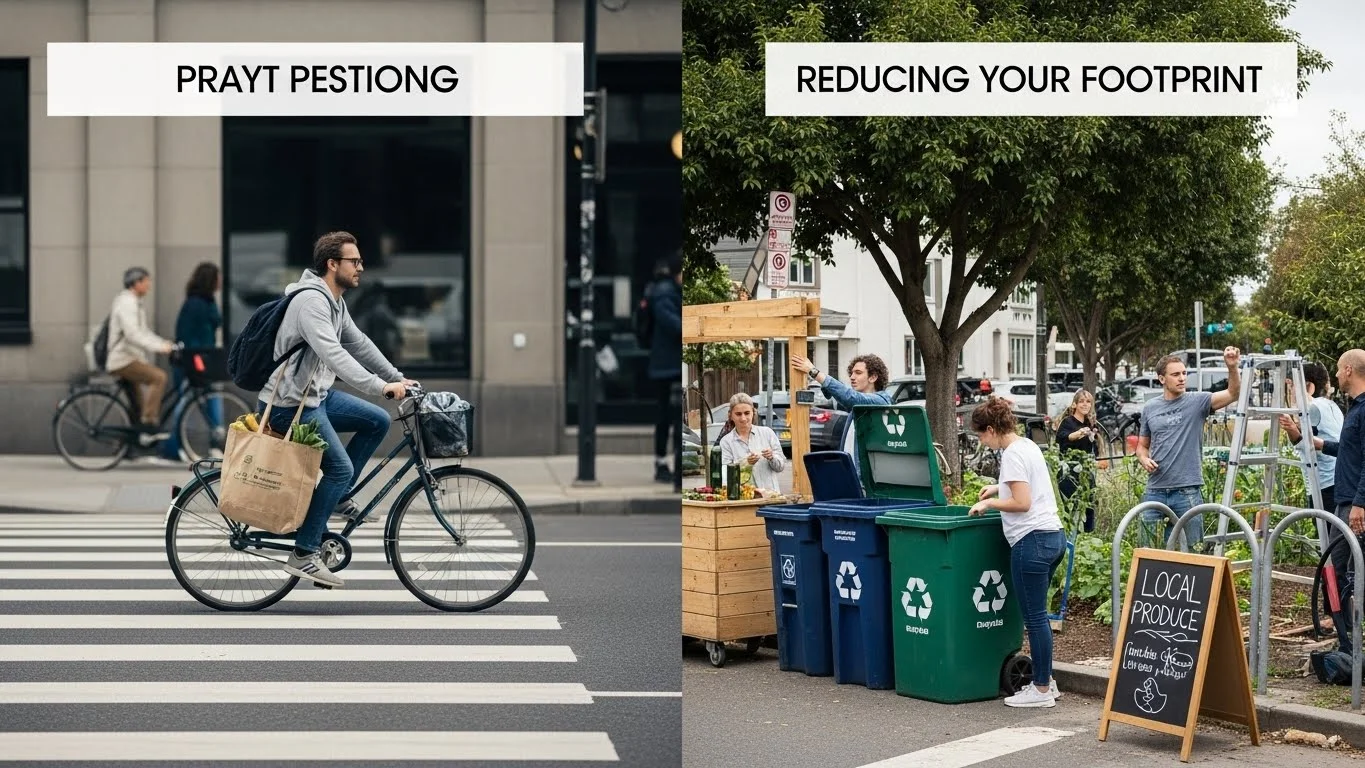
Overview of Carbon Offsetting and Footprint Reduction
Definition of Carbon Offsetting
Carbon offsetting is a process where individuals or companies compensate for their greenhouse gas emissions by supporting projects that reduce or remove carbon dioxide (CO2) from the atmosphere. This can include initiatives like reforestation, renewable energy projects, or energy efficiency improvements. By investing in these projects, we can counterbalance the emissions we produce, effectively “offsetting” our carbon footprint.
Definition of Reducing Your Footprint
Reducing your footprint, on the other hand, involves taking direct actions to decrease the amount of greenhouse gases you personally emit. This can be achieved through various lifestyle changes, such as using energy-efficient appliances, driving less, adopting a plant-based diet, and minimizing waste. Essentially, it’s about changing our habits and choices to minimize our impact on the planet.
Importance of Both Strategies
In my journey toward sustainability, I’ve found that both carbon offsetting and footprint reduction are essential. While reducing our footprint is crucial for making immediate and tangible changes, carbon offsetting can serve as a practical stopgap for the emissions we can’t eliminate right away. For instance, despite my best efforts to bike to work and cut back on plastic, there are still unavoidable emissions from things like flying or driving longer distances. In these cases, carbon offsetting provides a way to take responsibility for those emissions while I work on further reducing my footprint.
Understanding how these strategies complement each other can empower us to make informed decisions about our environmental impact. I believe that integrating both approaches can lead to a more sustainable future, where we actively work to lower our emissions while also supporting projects that help heal our planet.
Key Concepts in Carbon Offsetting
Carbon Credits and Trading
One of the central concepts in carbon offsetting is the idea of carbon credits. A carbon credit represents a reduction or removal of one metric ton of CO2 or its equivalent in other greenhouse gases. These credits can be bought and sold in a marketplace, allowing companies and individuals to invest in emission-reducing projects that they may not be able to implement themselves. I’ve seen firsthand how companies can use carbon credits to fulfill regulatory requirements or achieve sustainability goals, and I often wonder how this trading can drive larger-scale changes.
Types of Carbon Offsetting Projects
There are various types of carbon offset projects, and understanding their differences can help us choose wisely. Some popular categories include:
- Reforestation: Planting trees to absorb CO2 from the atmosphere.
- Renewable Energy: Investing in solar, wind, or hydroelectric projects that replace fossil fuel energy.
- Energy Efficiency: Supporting initiatives that help reduce energy consumption.
- Methane Capture: Projects that capture methane emissions from landfills or agricultural operations.
In my experience, I find that investing in local projects can often feel more rewarding. It creates a sense of community and connection to the efforts I’m supporting.
Verification and Certification Standards
Not all carbon offset projects are created equal, which is why verification and certification standards are so important. Various organizations, such as the Verified Carbon Standard (VCS) and the Gold Standard, evaluate and ensure that projects deliver real, measurable benefits. When I decided to offset my emissions last year, I made sure to look for projects that were certified. It gave me peace of mind knowing my contributions were genuinely making a difference.
Understanding Your Carbon Footprint
What is a Carbon Footprint?
Your carbon footprint is the total amount of greenhouse gases you produce, usually measured in carbon dioxide equivalents (CO2e). It encompasses all aspects of your life, from your energy use at home to your travel habits and the food you consume. I remember the first time I calculated mine; I was shocked at how quickly those emissions added up, especially from activities I hadn’t considered, like the production of my favorite foods.
Methods to Calculate Your Carbon Footprint
Calculating your carbon footprint can be quite enlightening. There are many online calculators available that require you to input details about your energy usage, transportation, and lifestyle choices. I found it helpful to go through this process; it made me more aware of my habits and where I could improve. Some of the key factors included:
- Energy consumption (electricity, gas, etc.)
- Transportation methods (car, public transport, flights)
- Dietary choices (meat consumption, local vs. imported food)
Components of a Carbon Footprint
Understanding the components of our carbon footprint can help identify where we can make the most significant impact. For me, the largest contributors were travel and home energy use. Recognizing these areas allowed me to prioritize my efforts toward footprint reduction. I started looking into renewable energy sources for my home and sought alternatives for my travel plans, like carpooling or choosing trains over flights whenever possible.
Comparing Carbon Offsetting and Footprint Reduction
Effectiveness of Each Approach
When I started my sustainability journey, I often found myself wondering which approach—carbon offsetting or reducing my footprint—was more effective. From my experience, both have their strengths. Reducing our footprint often leads to more immediate and visible changes in our daily lives. For instance, when I switched to energy-efficient appliances, I immediately saw a drop in my energy bills, which was incredibly satisfying. On the other hand, carbon offsetting allows us to address emissions that are harder to eliminate. It’s like a complementary strategy where one fills the gaps left by the other. I’ve come to appreciate that effectiveness can vary from person to person, depending on individual lifestyles and values.
Long-term vs. Short-term Impact
In my opinion, the long-term impact of reducing your carbon footprint tends to be more sustainable. When we commit to changing our habits, we develop a deeper understanding of our environmental impact. I remember the sense of accomplishment I felt when I reduced my meat consumption. Not only did it feel good, but it also prompted me to explore new cooking techniques and recipes. However, carbon offsetting can be an excellent short-term solution for those who may not be ready or able to make significant lifestyle changes right away. For example, if you need to fly for work but want to take responsibility for those emissions, investing in carbon offsets is a practical way to do that while you work on longer-term changes.
Cost Considerations
Cost is another factor I’ve had to consider. While reducing my carbon footprint can sometimes require an upfront investment—like buying energy-efficient appliances or installing solar panels—over time, these choices often save money on utility bills. In contrast, carbon offsetting can be more affordable in the short term. I’ve noticed that many carbon offset programs offer options for different budgets, making it accessible for most people. However, I think it’s essential to realize that while offsetting can provide immediate relief for emissions, it shouldn’t replace the commitment to reducing our carbon footprint. Balancing both strategies can be the most cost-effective and impactful approach.
Strategies for Reducing Your Carbon Footprint
Energy Efficiency at Home
One of the first steps I took to reduce my footprint was focusing on energy efficiency at home. Little changes can make a big difference. For example, I replaced incandescent bulbs with LED lights, which not only last longer but also use a fraction of the energy. I also made a habit of unplugging devices when they’re not in use, which has helped lower my energy consumption significantly. I’ve learned that investing in smart thermostats can also optimize energy use and keep my bills in check. These small adjustments have turned into a rewarding experience, both financially and environmentally.
Sustainable Transportation Options
Transportation is a significant contributor to my carbon footprint, so I explored sustainable options. I started biking to work whenever possible and noticed how invigorating it felt to be active while reducing emissions. I’ve even joined a carpool with some colleagues, which not only cuts down on gas usage but also fosters a sense of community. Public transportation is another great choice; it’s amazing how much less carbon I emit when I choose trains or buses instead of driving. Sharing my transportation choices with friends has also inspired others to consider similar options, making it a collective effort.
Waste Reduction and Recycling
Reducing waste has become a priority for me as well. I’ve embraced practices like composting and using reusable bags, bottles, and containers. I think the most eye-opening experience was when I did a waste audit at home. It made me acutely aware of how much single-use plastic I was consuming. Since then, I’ve made a conscious effort to choose products with less packaging and to recycle more diligently. It’s a learning curve, but seeing the amount of waste I’ve reduced has been incredibly motivating.
Conscious Consumerism
Finally, conscious consumerism has played a vital role in my journey. I’ve learned to evaluate the brands I support and their environmental impact. Choosing to buy local products not only supports my community but also reduces the carbon emissions associated with transportation. I’ve started to prioritize companies that are committed to sustainability and transparency. This shift in my purchasing habits has not only made me feel good about my choices but has also encouraged companies to adopt more eco-friendly practices.
How to Offset Your Carbon Emissions
Choosing the Right Offsetting Projects
When I first started exploring carbon offsetting, I quickly realized that not all projects are created equal. Choosing the right offsetting projects is crucial to ensure that my contributions make a genuine impact. I recommend looking for projects that align with your personal values and interests. For instance, if I’m passionate about wildlife conservation, I might opt for reforestation projects that not only absorb CO2 but also create habitats for endangered species. I also consider factors like the project’s location and community involvement. Supporting local initiatives can create a stronger sense of connection and accountability. It’s essential to do a bit of research to understand how a project operates and what metrics they use to measure success.
How to Purchase Carbon Offsets
Purchasing carbon offsets can be a straightforward process, which I found surprisingly empowering. Many organizations and platforms make it easy to buy offsets online. I started by comparing various providers to ensure they offered verified projects. After selecting a project, I simply followed the steps on the site to purchase my offsets. Some platforms allow you to offset specific activities, such as flights or home energy use, which can be reassuring. I also appreciate that many programs provide options for recurring contributions, making it easier to keep my commitment to offsetting my emissions over time. It’s like making sustainability a regular part of my budget!
Evaluating the Impact of Your Offsets
One of the aspects I enjoy most about carbon offsetting is the opportunity to evaluate the impact of my contributions. After purchasing offsets, I often return to the project’s website to see updates on their progress. Many organizations provide reports or newsletters that detail how contributions are being used, which gives me a sense of satisfaction and reassurance. I remember one particular project I supported that included a reforestation initiative in my state. Seeing photos of the newly planted trees and reading about the local communities benefiting from the project made my investment feel even more worthwhile. Evaluating the effectiveness of my offsets has also pushed me to continue learning and adapting my approach to sustainability.
Common Misconceptions about Carbon Offsetting and Footprint Reduction
Offsetting as a ‘Get Out of Jail Free’ Card
One misconception I often encounter is the idea that carbon offsetting is a “get out of jail free” card for environmental responsibility. I used to think that by simply purchasing offsets, I could continue with my high-emission habits without any guilt. However, I’ve learned that offsetting should complement, not replace, efforts to reduce my carbon footprint. It’s essential to recognize that while offsets can mitigate some emissions, they don’t excuse us from making necessary lifestyle changes. Focusing on reducing our emissions first allows us to take more substantial responsibility for our impact on the planet.
Footprint Reduction is Always More Effective
Another common misconception is that reducing your footprint is always more effective than carbon offsetting. While I wholeheartedly believe in the importance of reducing emissions at the source, I also see the value in offsetting, especially for those who may not have the means to make significant changes right away. For instance, if someone relies on a car to commute to work and cannot switch to public transportation, offsetting could provide a way to take responsibility for those emissions while they explore other avenues for reduction. I think both strategies have their place, and it’s beneficial to understand how they can work together for a more comprehensive approach to sustainability.
The Role of Individual Actions vs. Systemic Change
Lastly, I’ve often heard the argument that individual actions are insignificant compared to systemic change needed to combat climate change. While it’s true that larger policy changes are crucial, I believe that individual actions can create a ripple effect. When we take personal responsibility for our carbon footprint and engage in carbon offsetting, we can inspire others to join us. I’ve seen this firsthand through conversations with friends and family. When I share my experiences and strategies, it often sparks interest and motivates others to reconsider their habits. Collective action can drive demand for systemic change, making our individual efforts valuable in the larger fight against climate change.
Case Studies and Examples
Successful Carbon Offsetting Initiatives
Some remarkable success stories highlight the potential of carbon offsetting. For instance, I came across a project in Africa that focuses on clean cookstoves. By providing these stoves to local communities, they reduce reliance on traditional firewood, which decreases deforestation and lowers greenhouse gas emissions. I was amazed by how a simple shift in technology could lead to multiple benefits, including improved health and economic opportunities for families. Such projects inspire me to consider how diverse and innovative carbon offset initiatives can be.
Impact of Footprint Reduction in Communities
On the flip side, some communities have made impressive strides in reducing their carbon footprints through collective efforts. I remember hearing about a town that implemented a comprehensive recycling program and invested in renewable energy sources. As a result, they managed to cut their emissions significantly while also creating green jobs. Their story illustrates how community engagement and shared goals can lead to meaningful change. It’s inspiring to see how people can rally together to make a substantial difference in their environment.
Comparative Analysis of Both Approaches
In my personal journey, I’ve found that both carbon offsetting and footprint reduction have unique advantages and challenges. For example, I’ve experienced the immediate satisfaction of reducing my energy consumption at home, but I also appreciate the peace of mind that comes from offsetting those emissions I can’t avoid. It’s a balancing act that requires continual reflection and adaptation. I believe that analyzing successful case studies can guide individuals and communities in implementing these strategies effectively, ultimately leading to a more sustainable future.
Future Trends in Carbon Offsetting and Footprint Reduction
Technological Innovations
Looking ahead, I’m excited about the role that technological innovations will play in both carbon offsetting and footprint reduction. For instance, advancements in carbon capture technologies could revolutionize how we approach emissions. I recently read about new methods that involve capturing CO2 from industrial processes and safely storing it underground. As these technologies become more refined and accessible, I believe they will provide powerful tools to help us tackle our carbon footprints at a larger scale.
Policy Changes and Regulations
Policy changes are another area where I see potential for significant impact. Governments worldwide are beginning to recognize the urgency of climate action, and I hope to see more comprehensive regulations that promote both carbon offsetting and footprint reduction. For example, incentivizing renewable energy adoption through tax credits or grants could encourage individuals and businesses alike to make the switch. I think public support for these policies can drive the necessary changes and hold larger corporations accountable for their emissions.
Corporate Responsibility and Sustainability
Lastly, corporate responsibility is becoming increasingly important in the conversation around sustainability. I’ve noticed many companies are now setting ambitious emissions reduction targets and investing in carbon offset projects. This shift in corporate culture can lead to more innovative solutions and encourage responsible practices across entire industries. When I support businesses that prioritize sustainability, I’m contributing to a larger movement toward eco-friendly practices, reinforcing my belief that we all have a role to play in this journey.
Resources for Further Learning
Books and Articles
For those looking to deepen their understanding of carbon offsetting and footprint reduction, there’s a wealth of information available. I’ve found a few books particularly insightful, such as “This Changes Everything” by Naomi Klein and “The Uninhabitable Earth” by David Wallace-Wells. These texts challenge conventional thinking and encourage us to consider the broader implications of our choices. Online articles and blogs can also provide updated information on new projects and trends in sustainability.
Websites and Organizations
I recommend exploring reputable websites and organizations dedicated to carbon offsetting and environmental sustainability. Websites like Carbon Footprint, EcoAct, and the Gold Standard offer valuable resources, project listings, and tools for calculating your impact. Connecting with these organizations can help you stay informed about best practices and exciting new initiatives in the field.
Tools for Measuring Your Footprint and Offsetting
There are numerous tools available to help measure your carbon footprint and facilitate the offsetting process. I’ve had a great experience with calculators like the Global Footprint Network or the Nature Conservancy’s carbon footprint calculator. These tools can provide personalized insights and encourage you to take actionable steps toward reducing your emissions. Additionally, many carbon offset providers offer user-friendly platforms for purchasing offsets, making it easier to integrate offsetting into your sustainability journey.
Frequently Asked Questions
What is carbon offsetting?
Carbon offsetting is a process where individuals or companies compensate for their greenhouse gas emissions by supporting projects that reduce or remove carbon dioxide (CO2) from the atmosphere, such as reforestation and renewable energy projects.
How does reducing your carbon footprint differ from carbon offsetting?
Reducing your carbon footprint involves taking direct actions to decrease the amount of greenhouse gases you personally emit through lifestyle changes, while carbon offsetting compensates for emissions by supporting projects that mitigate greenhouse gases.
Why are both carbon offsetting and footprint reduction important?
Both strategies are essential for sustainability; reducing our footprint leads to immediate changes, while carbon offsetting serves as a stopgap for emissions that cannot be eliminated immediately.
What are carbon credits?
A carbon credit represents a reduction or removal of one metric ton of CO2 or its equivalent in other greenhouse gases, which can be bought and sold to invest in emission-reducing projects.
What types of projects are involved in carbon offsetting?
Common types of carbon offset projects include reforestation, renewable energy initiatives, energy efficiency improvements, and methane capture projects.
How can I calculate my carbon footprint?
You can calculate your carbon footprint by using online calculators that require information about your energy usage, transportation methods, and dietary choices.
What misconceptions exist about carbon offsetting?
One misconception is that carbon offsetting is a “get out of jail free” card for environmental responsibility, while another is that reducing your footprint is always more effective than offsetting. Both strategies have their place in sustainability.
How can I choose the right carbon offsetting projects?
To choose the right projects, look for those that align with your personal values and interests, consider the project’s location, community involvement, and ensure they are verified for effectiveness.
What role do individual actions play in combating climate change?
Individual actions can create a ripple effect, inspiring others to make changes and driving demand for systemic change, which is essential in the larger fight against climate change.
What resources are available for further learning about carbon offsetting and footprint reduction?
Books, reputable websites, and online tools for measuring your footprint and offsetting are excellent resources. Suggested books include “This Changes Everything” by Naomi Klein and websites like Carbon Footprint and EcoAct.