
Marine adventures offer an exhilarating way to explore the beauty of our oceans. For backpackers seeking unique experiences, there’s nothing quite like diving into the depths of the sea or kayaking through stunning landscapes. Check out our Top Marine Life Destinations for Budget Backpackers for some incredible locations.
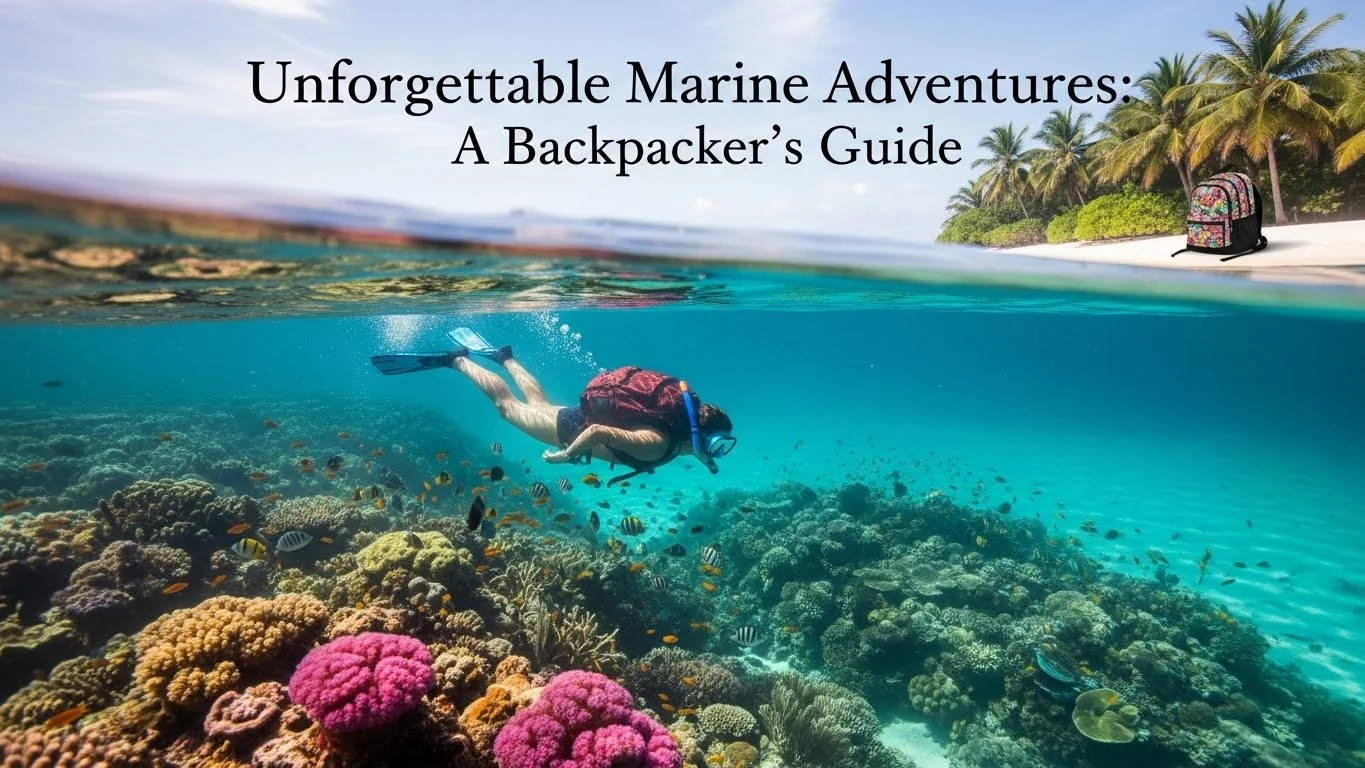
Overview of Marine Adventures
What Are Marine Adventures?
When I think about marine adventures, I picture myself surrounded by crystal-clear waters, vibrant corals, and the thrill of encountering marine life up close. Marine adventures include a range of activities that allow us to engage directly with the ocean. Whether it’s snorkeling, scuba diving, kayaking, or even sailing, each experience offers a unique glimpse into the underwater world. I’ve always thought of these adventures as a mix of excitement and tranquility, where every moment spent on the water can create unforgettable memories.
Why Choose Marine Adventures as a Backpacker?
Choosing marine adventures as a backpacker comes with its own set of perks. For one, they often lead you to stunning destinations that aren’t just beautiful but are rich in biodiversity. I remember my first snorkeling trip in a tropical paradise; the colors of the fish and corals were like nothing I had ever seen before. Plus, many marine activities are accessible on a budget, especially if you’re willing to share equipment or join group tours. They also offer a chance to step out of your comfort zone. I’ve tried new things I never imagined I would, like scuba diving in the Great Barrier Reef. Each adventure opened my eyes to the importance of protecting these precious ecosystems. Ultimately, I believe that marine adventures help foster a deeper connection to nature and the world around us. For more ideas on budget-friendly tours, Explore the Ocean: Budget-Friendly Marine Life Tours.
Best Destinations for Marine Adventures
Snorkeling in Belize
When I visited Belize, I was astounded by the Belize Barrier Reef—the second-largest coral reef system in the world. Snorkeling here was one of the highlights of my trip. I vividly remember floating above schools of tropical fish and even encountering a gentle nurse shark. The water was so clear that it felt like I was swimming in a giant aquarium. There are plenty of tour operators in places like Caye Caulker and Ambergris Caye that offer half-day snorkeling trips, making it an easy and affordable option for backpackers. Plus, the vibrant marine life and stunning coral formations are simply unforgettable.
Scuba Diving in the Great Barrier Reef
Scuba diving in the Great Barrier Reef was another adventure that changed my perspective on marine life. I had only dabbled in snorkeling before, but diving took me to a whole new level. I still remember my first descent—the feeling of weightlessness as I sank below the surface was exhilarating. I was surrounded by vibrant corals, and the sight of a giant sea turtle gliding effortlessly by left me in awe. There are many dive schools in Cairns and Port Douglas that cater to beginners, so you don’t need prior experience. I recommend taking a course that combines theory and practice for the best learning experience.
Kayaking in the Galápagos Islands
The Galápagos Islands are iconic for their unique wildlife, and what better way to explore them than by kayak? Paddling through the calm waters, I had the chance to get up close to playful sea lions and observe marine iguanas basking on the rocks. Each day was a new adventure. I would often find myself paddling alongside a school of fish or watching a majestic blue-footed booby dive for its meal. The guided tours available make it easy for backpackers to navigate the islands safely while learning about the incredible ecosystem. Plus, you get to explore at your own pace, which was one of my favorite parts.
Whale Watching in Iceland
Iceland is another destination that stole my heart, especially during whale-watching season. I remember boarding a boat in Reykjavik, feeling a mix of excitement and anticipation. As we sailed out into the open waters, I was mesmerized by the stunning landscapes around me. When we finally spotted a humpback whale breaching in the distance, I felt a rush of joy. These gentle giants are an incredible sight, and the experience of watching them in their natural habitat is something I’ll cherish forever. There are many tours available, and I found that early morning trips often have better chances of spotting whales.
Island Hopping in Thailand
Thailand is famous for its stunning islands, and island hopping is a must-do for any backpacker. I spent days exploring the crystal-clear waters of the Andaman Sea, hopping from one picturesque island to another. Each island had its own unique charm, from the lively beach parties of Phi Phi Islands to the tranquil shores of Koh Lanta. I loved the freedom of taking long-tail boats and discovering hidden beaches. You can easily find affordable accommodations and local eateries on each island, making it a budget-friendly adventure. Don’t forget to take a moment to soak it all in; the sunsets were simply breathtaking. For further insights into budget-friendly beach experiences, check out our Ultimate Guide to Budget-Friendly Beaches for Water Sports.
Planning Your Marine Adventure
When to Visit Popular Marine Destinations
Timing your marine adventure can make all the difference in the world. I’ve learned that each destination has its own peak seasons, which can significantly influence what you experience. For instance, when I went whale watching in Iceland, I made sure to visit during the summer months when the whales are most active in the waters. On the other hand, the best time for snorkeling in Belize is from April to June, which is when the water is warmest and visibility is at its peak. Researching the best times to visit not only helps avoid crowds but also maximizes your chances of encountering marine life. I always keep an eye on seasonal weather patterns too; a little rain can sometimes lead to fantastic underwater visibility!
Budgeting for Marine Adventures
Budgeting is a crucial part of planning any backpacking adventure, and marine activities can vary widely in cost. I remember feeling a bit overwhelmed when I first tried to estimate expenses. I found that some activities were surprisingly affordable, especially if you booked group tours. For example, I once went kayaking for just a fraction of what I expected to pay. However, I also learned that scuba diving can get pricey, especially if you’re renting gear. To keep costs low, I recommend looking for package deals that include multiple activities or booking in advance. Also, keep an eye out for local discounts; many places offer lower rates for backpackers. I usually set aside a specific budget for marine activities, which helps me prioritize experiences without overspending.
Essential Gear for Backpackers
Having the right gear can make or break your marine adventure. I’ve gone through a few different setups over the years, and now I tend to keep things simple. A good quality snorkel and mask are essential for snorkeling, and I always carry a wetsuit, especially for colder waters. If you’re planning on scuba diving, I highly recommend investing in your own gear if you dive frequently; it can make a huge difference in comfort and performance. For kayaking, a sturdy dry bag is a must to keep my belongings safe and dry. I also love using quick-dry towels and rash guards to protect my skin from the sun and prevent chafing. When in doubt, I always ask locals or instructors what gear they recommend for the best experience.
Health and Safety Considerations
Safety should always be a top priority during marine adventures. I’ve had my share of close calls, so I’ve learned to take precautions seriously. First, I always check the local weather and ocean conditions before heading out. Strong currents or sudden storms can turn a fun outing into a dangerous one. It’s also wise to inform someone about your plans, especially if you’re going solo. I make it a habit to swim or dive with a buddy, as there’s safety in numbers. Additionally, I always pack a basic first aid kit for minor injuries or sunburns. And let’s not forget about hydration! Being out in the sun can be draining, so I carry a reusable water bottle to keep myself refreshed throughout the day. Lastly, I highly recommend getting travel insurance that covers marine activities—it’s a small price to pay for peace of mind.
Top Marine Activities to Experience
Snorkeling vs. Scuba Diving
Both snorkeling and scuba diving offer unique ways to experience the underwater world, and I’ve tried both to compare them firsthand. Snorkeling is fantastic for beginners; it’s easy to learn and requires minimal equipment. I remember floating on the surface, peering down at the colorful fish and coral below, feeling a sense of wonder with each glimpse. On the other hand, scuba diving takes it a step further. I found that diving allows for deeper exploration and more intimate encounters with marine life. The feeling of breathing underwater and the weightlessness are experiences I cherish. If you’re unsure which to try first, I suggest starting with snorkeling, then moving on to diving once you feel comfortable. Each offers its own joy, and I think experiencing both can enrich your appreciation for marine ecosystems.
Surfing: Best Spots Around the World
Surfing has always intrigued me, and during my travels, I’ve sought out some of the best spots to catch waves. I’ve found that each location has its own vibe and level of difficulty. For instance, I had a blast surfing in Bali, where the warm waters and friendly locals made it a welcoming environment for beginners like me. The thrill of paddling out, waiting for the perfect wave, and riding it back to shore was exhilarating. On the other hand, I’ve also tried surfing in places like Hawaii, where the waves can be more challenging. I recommend taking a lesson if you’re new to surfing; instructors can provide invaluable tips and ensure you’re safe while having the time of your life. Plus, there’s something incredibly rewarding about finally standing up on the board and riding that wave!
Fishing Adventures: What You Need to Know
Fishing has become one of my favorite marine activities to try during trips. I’ve gone on both deep-sea fishing excursions and peaceful fly-fishing outings. Each experience offers something unique. I remember my first deep-sea fishing trip off the coast of Florida; the excitement of catching a fish was unmatched. I learned that preparation is key—know what fish are in season and what equipment you’ll need. Many local operators provide gear, which is super convenient for backpackers. If you’re fishing for fun, consider catch-and-release practices to help maintain the marine ecosystem. I’ve found that fishing can be a great way to connect with locals, learn about their culture, and experience the thrill of the ocean.
Underwater Photography Tips
Capturing the beauty of marine life through underwater photography is something I’ve grown passionate about. I started with a basic waterproof camera, but I quickly realized that investing in a good-quality underwater housing for my DSLR brought my images to life. Lighting is crucial underwater, so I always try to dive when the sun is high for the best natural light. I also learned to be patient; sometimes, waiting for that perfect shot can make all the difference. I recommend practicing with your camera before your trip so you can get comfortable with the settings. Lastly, respect marine life by maintaining a safe distance—this not only helps preserve their natural behavior but also allows for better photos. Each snap captures a memory that I cherish, reminding me of the incredible experiences I’ve had below the surface.
Where to Stay on Your Marine Adventure
Backpacker Hostels Near Marine Attractions
Finding the right place to stay can make all the difference during a marine adventure. I’ve discovered that backpacker hostels are often the best option, especially when they’re located near marine attractions. For example, in places like Cairns, I found a fantastic hostel that not only offered affordable dormitory-style rooms but also organized group trips to the Great Barrier Reef. The friendly atmosphere made it easy to connect with fellow travelers who shared my love for the ocean. I remember swapping stories with other backpackers over a communal meal, which made the experience even more special. Many hostels also provide rental gear and offer discounts on local tours, which can be a huge bonus for those of us on a budget.
Campsites for Nature Lovers
If you’re a nature lover like me, camping can be a fantastic way to immerse yourself in the beauty of marine environments. I’ve camped in several coastal areas, waking up to stunning sunrises and the sound of waves crashing nearby. Campsites near the Galápagos Islands and along the beaches of Thailand often have facilities that cater to backpackers. I found that pitching a tent not only saves money but also allows for a closer connection to nature. It’s an incredible feeling to fall asleep under a starry sky, knowing that the ocean is just a few steps away. Just remember to check local regulations regarding campfires and wildlife to ensure a safe experience.
Alternative Accommodations: Eco-Lodges and Homestays
For those looking to make a positive impact while traveling, eco-lodges and homestays are great alternatives. During my travels in Belize, I stayed at an eco-lodge that focused on sustainability and conservation. It was amazing to learn about the local environment and the efforts being made to protect it while enjoying a comfy bed and delicious meals sourced from local farms. Homestays are another option I’ve enjoyed, where you get to live with local families. This gave me the chance to experience authentic culture and cuisine while also gaining insights into the area’s marine ecosystems. I believe that staying in these types of accommodations not only enhances the travel experience but also supports the local communities.
Local Cuisine and Dining Experiences
Must-Try Seafood Dishes
One of the best parts of traveling is diving into local cuisine, and when it comes to marine adventures, seafood takes center stage. I’ve had the pleasure of tasting some incredible dishes that highlight the fresh catch of the day. In Thailand, I remember savoring a spicy tom yum goong, a shrimp soup that left my taste buds dancing. In Belize, I couldn’t get enough of the ceviche made from freshly caught fish, marinated in zesty lime juice. Each destination offers its own specialties, and I highly recommend asking locals for their favorite dishes. Trying seafood right by the shore adds an unbeatable freshness to the experience.
Street Food Options by the Coast
Street food is another gem I’ve discovered during my marine adventures. I often found myself wandering through local markets, drawn in by the mouthwatering aromas. In the Galápagos, I stumbled upon a vendor selling fish tacos that were simply delightful. There’s something exhilarating about eating food from street stalls, surrounded by the hustle and bustle of the area. Just be sure to choose vendors that look busy, as that often indicates freshness and quality. Street food not only fills your belly but also allows you to connect with the local culture in a delicious way.
Dining Etiquette in Marine Regions
Understanding dining etiquette can enhance your experience, especially in different cultures. I’ve learned that in some places, such as Japan, it’s polite to say “Itadakimasu” before starting a meal, expressing gratitude for the food. In other regions, like Thailand, sharing dishes is common, and it’s considered friendly to offer food to your dining companions. I remember being welcomed into a family’s home for dinner and feeling the warmth of their hospitality. Each culture has its own set of dining practices, and taking a moment to learn them not only shows respect but also enriches your travel experience.
Marine Conservation and Responsible Travel
Understanding Marine Ecosystems
As I delved deeper into marine adventures, I became more aware of the importance of understanding marine ecosystems. I’ve read about how delicate these environments are and how our actions can impact them. For instance, while snorkeling in Belize, I learned about coral bleaching and its effects on marine life. It was eye-opening to see firsthand how our choices, like using reef-safe sunscreen, can make a difference. I believe that educating ourselves about marine ecosystems not only enhances our appreciation but also urges us to play a part in their preservation.
How to Travel Responsibly as a Backpacker
Traveling responsibly as a backpacker means being mindful of our impact on the environment. I’ve always tried to minimize plastic use by carrying a reusable water bottle and opting for eco-friendly products. When participating in marine activities, I make it a point to follow guidelines, such as not touching coral and keeping a safe distance from marine animals. I’ve also joined beach clean-up events while traveling, which was a rewarding way to give back to the places I love exploring. I feel that every little action counts, and collectively, we can help protect our oceans.
Volunteer Opportunities in Marine Conservation
If you’re passionate about marine life, consider volunteering during your travels. I’ve had the opportunity to volunteer with marine conservation projects in various locations, from helping with turtle nesting programs in Costa Rica to assisting in coral restoration efforts in Australia. These experiences not only allowed me to contribute to meaningful work but also deepened my connection to the ocean. Many organizations offer programs for travelers, providing training and support while you make a positive impact. It’s an incredible way to give back while enjoying the beauty of marine environments.
Travel Tips for Backpackers
Packing Essentials for a Marine Adventure
Packing for a marine adventure can be a bit tricky, but over the years, I’ve figured out what essentials I can’t leave behind. A good pair of water shoes is a must for rocky beaches and coral reefs. I always pack a light, waterproof jacket for unexpected rain, as well as a hat and sunglasses to protect myself from the sun. A dry bag has become one of my best friends, keeping my valuables safe while I’m out on the water. I also make sure to bring a refillable water bottle to stay hydrated, as well as snacks for those long days of exploring. Trust me, having the right gear can make your adventures more enjoyable!
Navigating Transportation Options
Getting around marine destinations can vary greatly, and I’ve experienced everything from local buses to ferries. I often use public transportation when I can, as it’s usually cheaper and gives me a chance to interact with locals. In places like Thailand, I loved hopping on a long-tail boat to reach hidden beaches. However, I’ve also found that renting a scooter can be a fun way to explore at your own pace, just remember to wear a helmet and stay safe! Understanding your transportation options ahead of time can help you save money and make the most of your time on the water.
Staying Connected: Internet and Communication
Staying connected while traveling is important, especially for sharing my adventures with friends and family. I’ve learned that many hostels and cafes offer free Wi-Fi, which is super helpful. However, I also invest in a local SIM card when I’m in a new country. It’s been a game-changer for navigating maps and keeping in touch with fellow travelers. Just be sure to check compatibility with your phone before you go. I often find that staying connected helps ease any homesickness and adds to the overall experience of my marine adventures.
Meeting Other Backpackers and Building Community
One of the best parts of being a backpacker is the sense of community that comes with it. I’ve met some of my closest friends while traveling, whether it was at a hostel or on a boat trip. I usually join group activities or tours, as they provide a great opportunity to meet like-minded travelers. I often find myself sharing meals, exchanging tips, and even planning future adventures together. Building connections with fellow backpackers not only enhances the experience but also creates lasting memories that I’ll cherish for years to come.
Frequently Asked Questions
What are marine adventures?
Marine adventures include a range of activities that allow individuals to engage directly with the ocean. These activities can include snorkeling, scuba diving, kayaking, and sailing, each providing a unique glimpse into the underwater world.
Why should backpackers choose marine adventures?
Marine adventures offer backpackers stunning destinations rich in biodiversity, budget-friendly options, and opportunities to step out of their comfort zones. These experiences help foster a deeper connection to nature and raise awareness about protecting marine ecosystems.
What are some recommended destinations for snorkeling?
Belize is highly recommended for snorkeling, particularly at the Belize Barrier Reef, where backpackers can encounter vibrant marine life and stunning coral formations. Tour operators in Caye Caulker and Ambergris Caye offer accessible trips.
What should I know about scuba diving in the Great Barrier Reef?
Scuba diving in the Great Barrier Reef is an exhilarating experience that offers deeper exploration of marine life. Beginners can find many dive schools in Cairns and Port Douglas that provide courses combining theory and practice for a comprehensive learning experience.
How can I safely enjoy kayaking in the Galápagos Islands?
Kayaking in the Galápagos Islands allows for close encounters with unique wildlife. Joining guided tours can help backpackers navigate the islands safely while learning about the ecosystem, and exploring at one’s own pace is encouraged.
What are essential health and safety considerations during marine adventures?
Safety considerations include checking local weather and ocean conditions, swimming or diving with a buddy, carrying a basic first aid kit, staying hydrated, and getting travel insurance that covers marine activities.
What are some packing essentials for a marine adventure?
Essential packing items include water shoes, a waterproof jacket, a dry bag, a refillable water bottle, and snacks. Having the right gear can significantly enhance the overall adventure experience.
How can backpackers travel responsibly while enjoying marine adventures?
Backpackers can travel responsibly by minimizing plastic use, following guidelines for marine activities, participating in beach clean-ups, and educating themselves about marine ecosystems to understand their impact on the environment.
What are the benefits of volunteering in marine conservation?
Volunteering in marine conservation allows travelers to contribute meaningfully to environmental efforts while deepening their connection to the ocean. Programs are available in various locations and provide training and support for volunteers.
What types of accommodations are recommended for backpackers on marine adventures?
Backpacker hostels near marine attractions, campsites for nature lovers, and eco-lodges or homestays are recommended accommodations. These options often provide affordable lodging, opportunities to connect with other travelers, and insights into local culture and conservation efforts.