
Traveling doesn’t have to break the bank. With the right public transport tips, you can unlock affordable adventures and explore new places like a local. Let’s dive into this fascinating world that can save you money and enhance your travel experience!
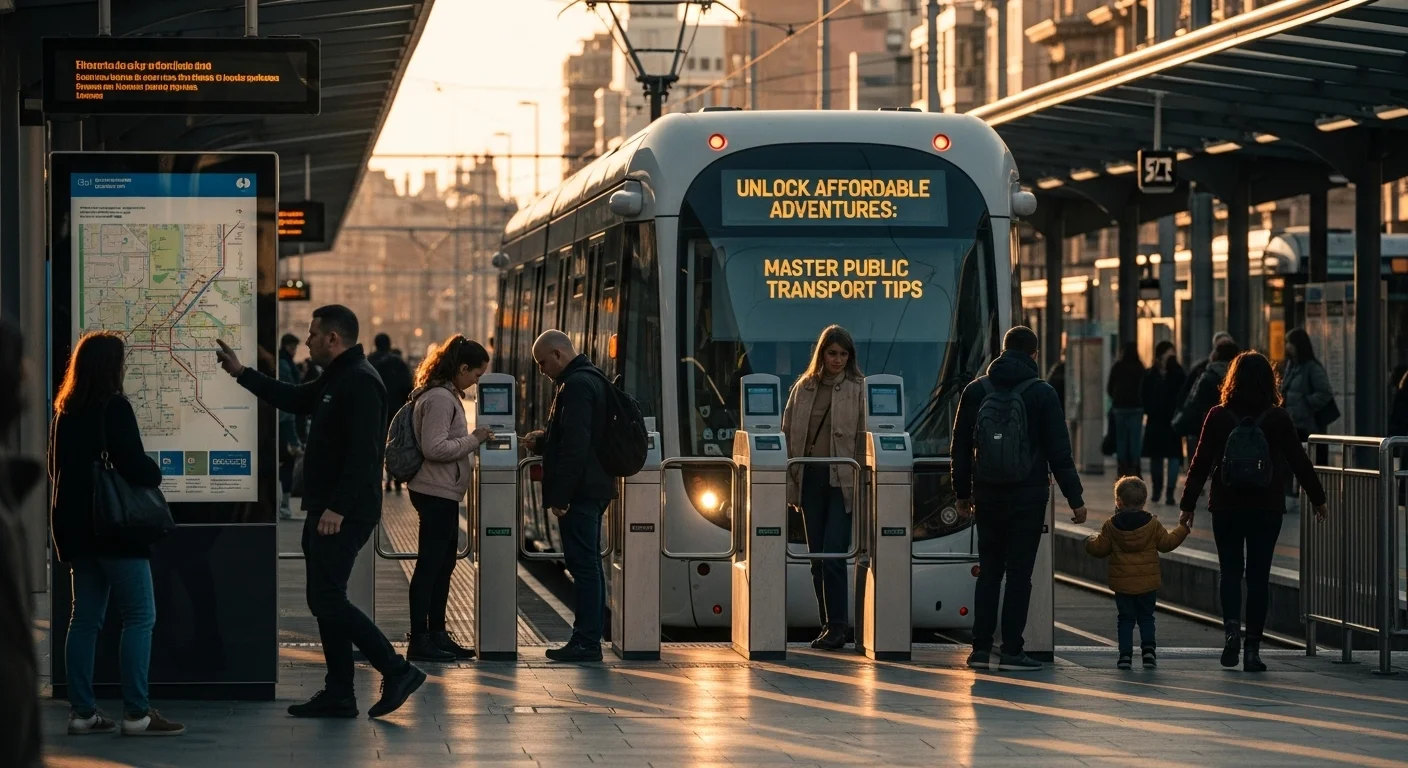
Understanding Public Transport Systems
When I first started traveling, I was overwhelmed by the thought of navigating public transport systems in unfamiliar cities. I remember feeling both excited and nervous, unsure of how to get from point A to point B. However, as I began to explore these systems, I quickly realized that they’re not just a means of getting around; they’re a gateway to experiencing the essence of a city. Understanding public transport systems is the first step toward mastering affordable travel.
Types of Public Transport
Public transport comes in various forms, and each type offers a unique way to explore. Here are some common options I’ve encountered:
- Buses: Often the backbone of urban transport, buses are usually affordable and cover extensive routes. I’ve found that taking a bus can give you a great view of the city, especially if you sit near the window.
- Subways and Metros: These underground trains are fast and efficient. In cities like New York or London, they can whisk you across town in minutes. The first time I rode the subway in NYC, I felt like a true New Yorker!
- Trams and Light Rail: Many cities have trams that glide through the streets, connecting popular sights. Riding a tram can feel more relaxed; it’s fun to hop on and off at different stops.
- Ferries: If you’re near water, ferries can provide a scenic mode of transport. I took a ferry in San Francisco, and the views of the Golden Gate Bridge were unforgettable.
Benefits of Using Public Transport
The benefits of using public transport are plentiful. For starters, it’s often much cheaper than using taxis or rideshares. I remember saving a significant amount of money during my trip to Paris just by using the Metro instead of cabs. Additionally, public transport can be more convenient in densely populated cities where traffic can be a nightmare.
Another fantastic advantage is the opportunity to meet locals and fellow travelers. I’ve had some of the best conversations while waiting for a bus or sharing a seat on a train. It’s a chance to mingle, learn about the culture, and even get tips from those who know the city well. Budget-Friendly Vacation Rentals: Tips for Savvy Travelers can also enhance your travel experience.
How Public Transport Supports Eco-Friendly Travel
For those of us who care about the environment, public transport is a great way to reduce our carbon footprint. I’ve often felt a sense of pride knowing that I’m contributing to less congestion and pollution when I opt for a bus or train. In many cities, public transport systems are designed to be eco-friendly, using electric or hybrid vehicles to minimize emissions.
Traveling sustainably has become increasingly important to me, and every little bit helps. When I choose public transport, I feel like I’m part of a bigger movement towards greener travel. Plus, it’s a fantastic way to explore new areas while staying mindful of our planet.
As I reflect on my experiences with public transport, I realize that it’s not just about the destination but the journey itself. Each ride tells a story, and every route has its charm. I’ve discovered hidden gems, met fascinating people, and created lasting memories—all thanks to embracing public transport in my travels.
In the next sections, we’ll explore how to plan your journey effectively, find the best transport passes, and master the etiquette of public transport. My hope is that you’ll feel inspired and empowered to unlock adventures on a budget as we delve deeper into this topic together.
Planning Your Public Transport Journey
Researching Public Transport Options
When it comes to planning my public transport journey, I’ve learned that a little research goes a long way. I remember my first trip to Barcelona; I was so excited to explore, but I quickly realized I had no idea how to get to the places I wanted to visit. I decided to take a few hours to familiarize myself with the city’s transport options. I found that researching not just the routes, but the types of transport available made my experience much smoother. Websites like local transport authority pages or travel blogs can provide insights into the best ways to traverse a city. I often look for maps that highlight main stops and transfers because they really help me visualize my journey. I also like to check for any transport-related news or updates. Sometimes, cities have ongoing construction or seasonal changes in schedules. Learning about these ahead of time can save me from unexpected delays. I’ve been in situations where I ended up taking a detour, but I also discovered new areas as a result. That’s the beauty of being open to change!Using Transport Apps and Websites
In today’s tech-savvy world, using transport apps has become my go-to tool for planning journeys. I remember when I downloaded a public transport app in Paris; it transformed how I navigated the city. The app provided real-time updates, which meant I knew exactly when my bus or train would arrive. These apps often come with maps, route planning features, and even ticket purchasing options. I appreciate how many of them include offline modes, so I can access information without worrying about data usage while I’m out exploring. One of my favorite hacks is to save my most-used routes for quick access, which has made hopping from one place to another so much easier. Additionally, I love to check the reviews and tips from other travelers within these apps. Their experiences can often highlight shortcuts or scenic routes that I might miss otherwise. It’s like having a local guide in my pocket!Understanding Timetables and Schedules
Timetables and schedules can sometimes feel intimidating, especially in a foreign language. I remember feeling lost at first when I encountered a complicated train schedule in Tokyo. But then I realized that I could break it down. Most public transport systems publish their timetables online, and I’ve found that studying them before my trip helps tremendously. I usually write down the times for the specific routes I plan to take. When I’m actually in the city, I try to arrive at the station a little earlier than necessary; this gives me time to orient myself, especially if I need to figure out where to catch my ride. In my experience, it’s also helpful to be aware of peak hours. I try to avoid traveling during rush hour when I can, as it can be overwhelming and crowded. Knowing when the transport is busiest allows me to plan my adventures for a more enjoyable experience.Affordable Transport Passes and Tickets
Types of Transport Passes (Daily, Weekly, Monthly)
One of the best ways I’ve found to save money on public transport is by purchasing transport passes. During my travels, I’ve used several types—daily, weekly, and even monthly passes. Each type serves a different purpose depending on the length of my stay and how much I plan to use public transport. For shorter trips, daily passes are fantastic. I remember using a daily pass in London, which allowed me unlimited travel for a set period. I felt like I could hop on and off trains and buses without constantly worrying about the cost. On longer visits, I would typically opt for a weekly pass. I used this strategy in Berlin, and it paid off since I was exploring various neighborhoods throughout the week. The monthly passes are great for those who plan to stay longer, but I usually don’t go that route unless I know I’ll be in one place for a while.How to Purchase Tickets: Online vs. In-Person
Purchasing tickets can sometimes be a hassle, but I’ve learned the ins and outs of both online and in-person options. When I arrive in a new city, I often check if I can buy my tickets online. Many cities have user-friendly websites or apps where I can purchase my tickets ahead of time. This way, I can skip long lines at ticket machines or kiosks. However, I’ve also had times when I needed to purchase tickets in person. I remember being in Vienna, and while I could have bought a ticket online, I found it much easier to go to a local kiosk and ask for help. The staff were friendly and provided me with valuable information about the best routes to my destination. If you opt for in-person purchases, I recommend carrying some cash. Sometimes, ticket machines don’t accept cards, and it can be a bit frustrating. Having cash on hand has saved me from missing a bus or train!Discounts and Special Offers for Tourists
One thing I love about traveling is discovering discounts and special offers available for tourists. Many cities have specific tourist passes that not only provide transport but also offer discounts on attractions. I found an amazing deal in Amsterdam that included unlimited public transport and entry to several museums. I also keep an eye out for city cards that provide various perks. For example, I learned that students often receive discounts on transport. It’s worth asking about any available offers, as many cities are eager to welcome visitors and make the experience more affordable. How to Find Cheap Hotels: Tips for Budget Backpackers can also help you save on accommodation. Finding these deals requires a bit of research, but it’s absolutely worth it. They can significantly reduce costs and enhance our travel adventures. I believe that traveling doesn’t have to be expensive; it’s all about knowing where to look!Mastering Public Transport Etiquette
Common Rules and Regulations
Navigating public transport isn’t just about knowing where to go; it’s also about understanding the unspoken rules that help make the experience smoother for everyone. I’ve learned that each city tends to have its own set of standards, and adhering to them can make a big difference in how much I enjoy my travels. For starters, I’ve found that it’s essential to pay attention to signs and announcements. Many times, I’ve seen people standing in front of doors, blocking the way as others try to exit. It’s a little thing, but stepping aside can ensure a more seamless boarding experience. Similarly, in many cities, there are designated seating areas for the elderly, pregnant women, and those with disabilities. I always make it a point to offer my seat if I see someone who needs it. Another thing I’ve noticed is the importance of keeping noise levels down. In some places, like Tokyo, the culture emphasizes quietness on public transport. I learned this the hard way when I was chatting a bit too loudly with a friend and received a few disapproving looks. Now, I always keep my voice down and avoid loud phone calls. Each mode of transport may have its own rules regarding food and drink as well. In some cities, eating is frowned upon, while in others, it’s perfectly acceptable. I recommend checking the guidelines before you hop on board. It’s always better to be aware and respectful of the local customs.How to Be Considerate to Fellow Passengers
Being considerate to fellow passengers is something I genuinely believe enhances the travel experience for everyone involved. I remember a time in Paris when I was crammed into a packed Metro car. It was a bit chaotic, but the kindness of others made it bearable. People moved aside to make room for those trying to board and offered smiles to one another, which lightened the mood. One simple way to be considerate is to avoid taking up too much space. If I have a backpack, I always make sure to place it on my lap or between my feet rather than letting it spread out across the seat. I’ve seen many travelers do the same and it creates a more comfortable environment for everyone. Also, it’s helpful to be aware of personal space. I’ve been in situations where someone stood too close for comfort, which can be uncomfortable, especially during rush hour. I try to maintain a respectful distance unless the train is packed, and I appreciate when others do the same. If I find myself seated next to someone, I usually greet them with a friendly nod or smile. It’s a small gesture, but I’ve found that these little interactions can create a friendly atmosphere, even in crowded environments.Understanding Safety Protocols on Public Transport
Safety is always a priority when traveling, and public transport is no exception. I remember my first experience on a subway in a city I didn’t know well. I felt a mix of excitement and anxiety, but knowing some basic safety protocols helped ease my mind. First, I always keep an eye on my belongings. I’ve seen too many travelers get distracted and leave their bags unattended. I make it a habit to keep my backpack zipped up and close to me, especially in crowded spaces. Knowing emergency procedures can also be a lifesaver. In every city, there are usually signs indicating what to do in case of an emergency, whether it’s a fire or a medical situation. I take a moment to read these when I first board, just to be informed. It’s a bit like knowing the exits in a theater; it just gives me peace of mind. I also try to be aware of my surroundings. If I sense something off, I trust my instincts and move to another area or get off at the next stop. This is especially important when traveling at night. I’ve been in situations where I felt uncomfortable, and it’s always better to err on the side of caution. By following these etiquette guidelines and safety protocols, we can not only enhance our own experiences but also contribute to a more pleasant atmosphere for everyone on board. Public transport can be a fantastic way to connect with a city and its people, and I believe that showing respect and consideration for others makes the journey even more rewarding.Tips for Navigating Cities Using Public Transport
Reading Maps and Signs
Reading maps and signs is one of those skills that can make or break your experience on public transport. I still remember my early days of traveling, when I would stare at a map, feeling completely lost. With practice, I’ve learned to decode these maps, and now I find them quite helpful. When I arrive in a new city, I take a moment to familiarize myself with the layout. I usually look for a central map that highlights major routes and connections. Many cities have maps available at stations, and I’ve found them to be a lifesaver, especially when the transport app isn’t loading. I also pay close attention to signs at stations. They often provide crucial information about the direction of trains and buses, as well as any transfers I might need to make. I’ve learned to follow the colored lines on the map, which helps keep me oriented. It’s a little like playing a game, and I’ve come to enjoy the challenge of navigating through different transport systems.Transferring Between Different Modes of Transport
I’ve discovered that many cities have interconnected transport options that make it easy to transfer between modes. When I was in Amsterdam, for instance, I found that I could hop from a tram to a train with ease. It felt empowering to seamlessly move through the city without needing to rely on taxis. However, I’ve also encountered situations where transferring can be a bit tricky. I recommend checking the connection times in advance. I remember a time when I had a tight transfer and ended up running through a station—definitely not my favorite way to travel! If I know I have a transfer coming up, I try to allow extra time just in case. Another tip is to look for dedicated transfer stations. Some stations serve as hubs where multiple transport options converge. Knowing where these are located can save you a lot of time and hassle.Using Landmarks for Navigation
Using landmarks to navigate is one of my favorite tricks. When I’m exploring a new city, I keep an eye out for recognizable buildings or monuments. They serve as excellent reference points, especially when I’m trying to figure out which direction to go. For example, while in Sydney, I used the Sydney Opera House as my anchor. No matter where I was, I could always orient myself based on its location. I often take a mental note of how far away I am from these landmarks, which helps me gauge how much further I need to travel. I also enjoy asking locals for directions. There’s something special about connecting with a city’s residents and hearing their recommendations. They often provide shortcuts or suggest scenic routes that I wouldn’t find in a guidebook. By incorporating these navigation tips into my travels, I’ve made public transport not just a practical option but also an enjoyable part of my adventures. Each journey brings a new experience, and I look forward to every ride!Frequently Asked Questions
What are the common types of public transport available in cities?
Common types of public transport include buses, subways and metros, trams and light rail, and ferries. Each option offers a unique way to explore urban areas, with buses being affordable and covering extensive routes, while subways provide fast and efficient travel.
How can using public transport benefit travelers?
Using public transport is often cheaper than taxis or rideshares, convenient in densely populated cities, and provides opportunities to meet locals and fellow travelers. It allows for mingling and learning about the culture while saving money.
How does public transport contribute to eco-friendly travel?
Public transport helps reduce carbon footprints by minimizing congestion and pollution. Many systems use electric or hybrid vehicles, making it a greener option for traveling while exploring new areas.
What strategies can be used to plan a public transport journey effectively?
Effective planning involves researching public transport options, using transport apps for real-time updates and route planning, and understanding timetables and schedules to avoid confusion and delays.
What types of transport passes are available for public transport?
Transport passes can be daily, weekly, or monthly, depending on the length of stay and frequency of travel. Daily passes are great for short trips, while weekly passes are useful for longer stays.
How can travelers purchase public transport tickets?
Tickets can be purchased online through user-friendly websites or apps, or in-person at local kiosks. It’s advisable to carry cash for in-person purchases, as some machines may not accept cards.
Are there discounts available for tourists using public transport?
Yes, many cities offer discounts or special tourist passes that provide unlimited transport and discounts on attractions. Researching these options can significantly reduce travel costs. Don’t forget to check out 5 Essential Tips for Staying in Budget Hostels as well!
What are some common etiquette rules to follow on public transport?
Common rules include paying attention to signs and announcements, offering seats to those in need, keeping noise levels down, and being mindful of food and drink policies specific to each city.
What safety measures should travelers take while using public transport?
Travelers should keep an eye on their belongings, be aware of emergency procedures, and trust their instincts if they feel uncomfortable. Staying aware of surroundings is crucial for personal safety.
How can travelers navigate using maps and landmarks?
Familiarizing oneself with maps at stations and paying attention to signs aids navigation. Using recognizable landmarks as reference points can help travelers orient themselves and find their way more easily.