
Climbing is more than just a physical challenge; it’s a journey of self-discovery and skill development. Learning the right techniques can unlock your true potential and elevate your climbing experience. To explore more about how to enhance your climbing skills, check out Climbing Techniques to Elevate Your Mountain Adventure Trips.
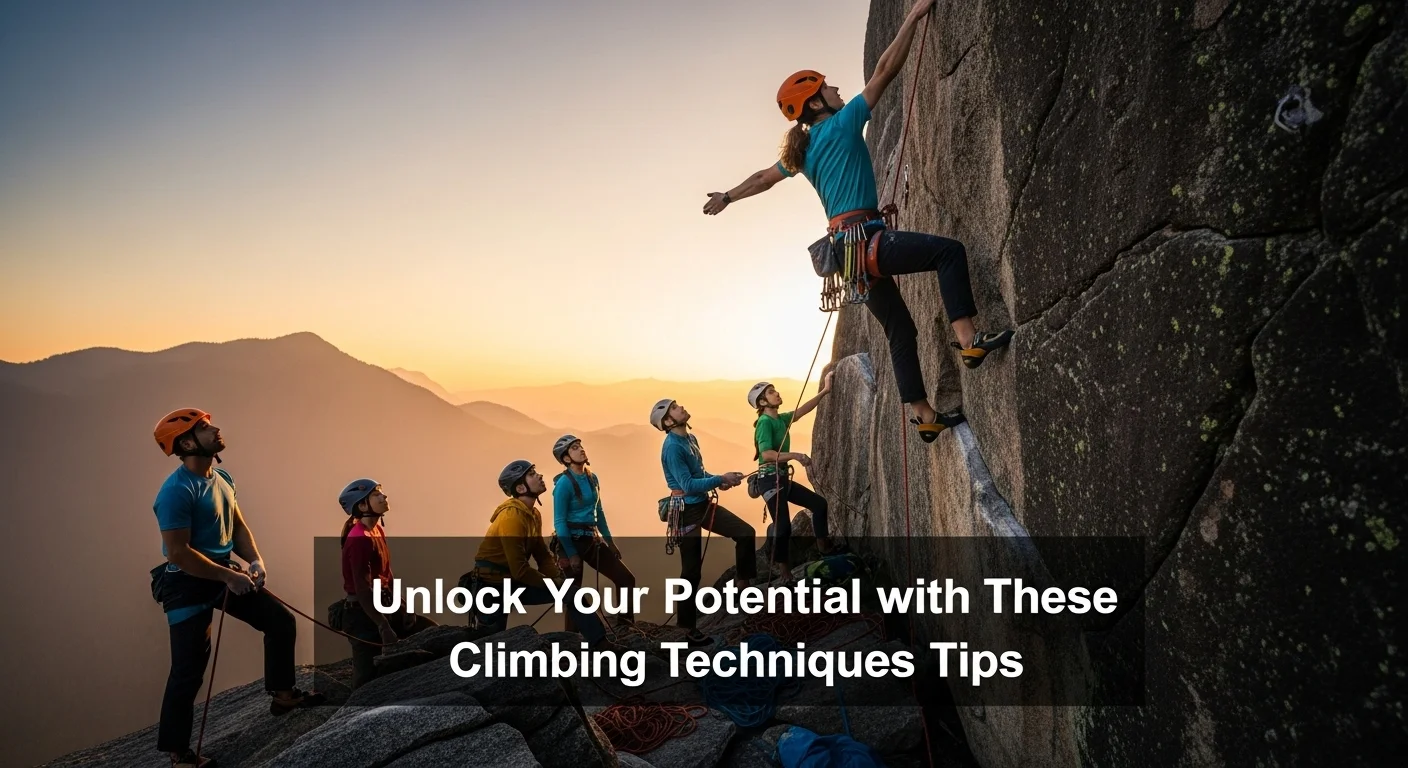
Understanding Climbing Techniques
What Are Climbing Techniques?
Climbing techniques refer to the methods and skills used to navigate climbing routes effectively and safely. Whether you’re scaling a rock face, tackling a bouldering problem, or navigating a steep indoor wall, understanding the various techniques can make a significant difference in your performance. I remember when I first started climbing; I was overwhelmed by the variety of methods I could use. Each technique seemed to offer a new way to approach the wall, and I quickly learned that mastering these techniques is essential for growth as a climber.
The Importance of Technique in Climbing
Technique is crucial in climbing for several reasons. First, it helps you conserve energy. I’ve often found myself exhausted after a climb, only to realize that better technique could have saved my strength. Good footwork, for instance, means less energy spent on pulling yourself up. Second, proper techniques enhance safety. Climbing can be risky, and using the right methods can lower the chances of falls or injuries. I’ve seen climbers struggle due to poor technique, which often leads to unnecessary risks and frustrations. Lastly, mastering techniques boosts confidence. When I started nailing challenging moves with solid techniques, I felt unstoppable. Each successful climb fueled my enthusiasm and motivated me to tackle even tougher challenges.
Essential Climbing Techniques for Beginners
Footwork: The Foundation of Climbing
Footwork is arguably the most critical aspect of climbing. I learned early on that my feet are my best friends on the wall. Good footwork allows you to distribute your weight effectively, making it easier to reach for holds with your hands. Focus on placing your foot precisely on holds instead of just slapping them on. I remember spending hours practicing foot placements on easy routes until it felt second nature. A tip I found helpful is to look at the next hold before you move your foot. This way, you can plan your next step and avoid unnecessary movements.
Handholds: Understanding Grips and Holds
Understanding different grips is vital for effective climbing. From crimps to slopers, each hold requires a unique grip. I used to grip everything like a fist, which led to fatigue and frustration. Instead, I learned to adapt my grip based on the hold type. For instance, a crimp requires a strong pinch, while a sloper requires an open hand. I often practice different grips on the ground to build muscle memory before hitting the wall. This exercise not only speeds up my adaptation but also helps me feel more in control when I’m actually climbing.
Body Positioning: Balance and Center of Gravity
Your body’s position plays a crucial role in climbing. I found that keeping my hips close to the wall significantly improved my balance and efficiency. When I first started, I tended to lean away from the wall, which made climbing feel much harder. I learned that by keeping my body close, I could maintain my center of gravity and conserve energy. Practicing different body positions on various climbs helped me understand how slight adjustments could lead to significant improvements. I suggest trying to visualize a straight line from your feet to your hands; it makes movement feel more fluid and controlled.
Intermediate Climbing Techniques to Enhance Skills
Dynamic Movements: When to Use Them
As I progressed in my climbing journey, I discovered the power of dynamic movements. These are the big, powerful moves you make when a static reach just won’t cut it. I remember the first time I had to commit to a dynamic move; it was thrilling yet terrifying. The key is to trust your momentum. I recommend practicing these movements on easier climbs first. Start small, and gradually increase the difficulty as you gain confidence. The more I practiced, the more I learned to read the wall and anticipate my movements.
Flagging: Maximizing Balance and Reach
Flagging is a technique I initially overlooked but quickly realized its importance. It involves extending a leg away from the wall to maintain balance and counteract your body weight. I remember a climb where I was struggling to reach a hold, and then I flagged my leg out, which shifted my weight and made the reach much easier. Practicing flagging not only improved my balance but also opened up new routes that I thought were impossible. I encourage everyone to experiment with flagging; it can transform how you approach climbs.
Using Your Core: Engaging for Better Stability
Lastly, engaging your core is essential for stability while climbing. I used to rely heavily on my arms and legs, only to find myself fatigued quickly. Once I started focusing on my core, I noticed a significant improvement in my control and endurance. Exercises like planks and leg raises helped me build core strength off the wall, which translated to better performance during climbs. I found that a strong core enables me to make more dynamic moves without losing control, keeping me balanced and stable throughout my ascent. For further insights on core engagement, check out Top Climbing Techniques Every Budget Traveler Should Know.
Advanced Climbing Techniques for Experienced Climbers
Heel Hooks and Toe Hooks: Techniques for Steep Climbs
As I got more comfortable with climbing, I started exploring advanced techniques like heel hooks and toe hooks. These moves can feel quite intimidating at first, but they open up a whole new world of possibilities, especially on steep or overhanging routes. I remember the first time I tried a heel hook; it felt awkward, and I wasn’t sure if I was doing it right. However, when I finally locked it in place, everything changed. I found that I could use my legs more effectively to push myself upward instead of just relying on my arms. I recommend practicing heel hooks on lower angles before moving to steeper climbs. Once I mastered the movement, I felt like I had unlocked a secret weapon in my climbing arsenal.
Toe hooks are equally powerful. They allow you to pull yourself closer to the wall while maintaining balance. I often use them when I need to reach for a hold that feels just out of my grasp. It’s all about positioning your foot correctly and using it to hook onto a hold. When I first learned toe hooks, I practiced on problems that required me to think about foot placements carefully. With time, I became more confident and started using them instinctively. I encourage you to try both techniques and see how they can enhance your climbing efficiency.
Laybacks and Mantles: Overcoming Unique Challenges
Next up are laybacks and mantles, two techniques that can make or break a climb. Laybacks are often used on vertical edges or arete climbs. I remember the first time I faced a layback; I hesitated, unsure how to position my body. I learned that the key is to use opposing forces—pulling on one side while pushing with your feet on the other. This technique helps maintain balance and allows you to move upwards effectively. When I finally got the hang of it, I could feel the flow of movement, and it made the climb so much more enjoyable.
Mantles, on the other hand, are all about pushing yourself up and over a ledge. I remember feeling nervous about mantles because they require a combination of strength and technique. The moment I committed to a mantle, I discovered the importance of keeping my body close and using my legs to push myself up rather than relying solely on my arms. Practicing mantles on different heights helped me build confidence and technique. I encourage you to approach these moves with patience; they can be tricky but are incredibly rewarding once mastered.
Beta: Reading Routes and Movement Strategies
As I progressed, I learned that beta—essentially the information about how to climb a route—was invaluable. Understanding beta can save you time, energy, and frustration. I remember watching experienced climbers tackle routes and taking mental notes of their movements. It was fascinating to see how they approached each problem, and I often found myself trying to imitate their strategies. Over time, I learned to develop my own beta for routes, analyzing holds and planning my movements before I even began climbing.
One of the best ways to improve your beta reading is to climb with others. I found that discussing approaches and sharing tips with fellow climbers led to breakthroughs in my own understanding. We’d often stand at the base of a climb, pointing out potential holds and discussing the best way to ascend. This collaborative mindset not only enriched my climbing experience but also fostered a sense of community. I encourage you to seek out partners, share beta, and learn from each other’s experiences.
Climbing Techniques for Specific Climbing Styles
Rock Climbing Techniques: Sport vs. Traditional
When it comes to different climbing styles, understanding the nuances between sport and traditional (trad) climbing has been essential for me. In sport climbing, you often rely on fixed protection, which allows for a different approach to techniques. I’ve noticed that climbers tend to focus more on dynamic movements since they don’t have to worry as much about placing gear. During a sport climb, I often find myself pushing the limits of my reach and experimenting with dynamic moves that feel exhilarating.
On the flip side, trad climbing requires a different set of skills. You’re not just climbing; you’re also placing gear for protection. I remember my first trad climb; it was a steep learning curve. I had to be mindful of both my climbing technique and the safety of my gear placements. I often recommend practicing gear placements on easier climbs or even at the crag before attempting a more challenging route. This way, you can focus on mastering your climbing techniques without the added stress of difficult moves.
Indoor Climbing Techniques: Adapting to Gym Settings
Climbing in a gym offers its unique challenges, and I quickly learned that adapting techniques to these settings is crucial. Indoor walls are often different from outdoor routes, with their holds and angles. I noticed that many climbers, including myself, would initially struggle with the artificial nature of gym climbing. I had to adjust my footwork and body positioning to fit the often vertical or overhanging walls. One of my favorite tips is to treat gym climbing as a way to experiment with techniques without the distractions of nature. It’s a perfect space to work on foot placements and handholds, and I often set specific goals for each session.
Ice Climbing Techniques: Tools and Movement
Transitioning to ice climbing was another thrilling challenge. Learning to use ice axes and crampons effectively was a game-changer for me. The techniques are vastly different from rock climbing, and I had to develop a new sense of balance and movement. I remember feeling nervous the first time I swung an axe into a frozen wall; it felt so foreign. However, with practice, I learned to use my tools to create stability and leverage. I recommend focusing on foot placements and understanding how to engage your crampons to gain confidence. Once I grasped the basics, ice climbing became an exhilarating experience that tested my skills in a whole new way. For more tips on climbing strategies, check out Master Essential Climbing Techniques for Budget Backpacking.
Common Mistakes and How to Avoid Them
Overgripping: Understanding Relaxed Grip
One of the most common mistakes I’ve seen, both in myself and others, is overgripping. When I first started climbing, I would grip holds with all my strength, thinking that more grip equated to better control. What I found out, however, is that overgripping actually leads to faster fatigue and inefficient climbing. I remember a particularly tough route where I was trying to pull up with every ounce of strength, only to tire out before I reached the top.
Overgripping is often a result of anxiety or fear of slipping. I learned that a relaxed grip is much more effective. By keeping my fingers engaged without squeezing too tightly, I could conserve energy and maintain better control. A helpful tip is to practice climbing with a focus on relaxation. Try to consciously loosen your grip, especially on larger holds, and feel how much more stable and controlled you can be. This shift in mindset made a significant difference in my performance.
Poor Foot Placement: How to Improve Precision
Poor foot placement is another mistake I often encountered. Early on, I would rush my foot movements, which led to a lack of precision and efficiency. I can’t tell you how many times I slipped or lost balance simply because I wasn’t paying enough attention to where I was placing my feet. Climbing is all about finding the right footholds, and every foot placement matters.
To improve my precision, I started to slow down and really focus on my foot placements. One strategy I found useful was to visualize the path I wanted to take with my feet before I committed to a move. Additionally, I practiced footwork drills on easy climbs, which allowed me to build muscle memory and confidence. This practice made a world of difference when I returned to more challenging routes. I encourage you to remind yourself to take your time with foot placements; it’s a small detail that can greatly improve your climbing experience.
Neglecting Core Strength: Exercises to Incorporate
As I advanced in my climbing, I realized that neglecting core strength was a significant oversight. I used to focus mainly on my arms and legs, thinking they were the primary muscles for climbing. But I quickly learned that a strong core is crucial for maintaining balance and stability on the wall. Without it, I often found myself struggling to hold positions or make those challenging moves.
To incorporate core strength training, I began adding specific exercises to my routine. Planks, leg raises, and hanging knee tucks became staples in my training. I remember the first time I could hold a plank for a full minute; I felt like I had tapped into a new level of strength. Not only did these exercises build my core, but they also translated directly to my climbing performance. I found that engaging my core while climbing allowed me to make more dynamic movements without losing my balance. I encourage you to prioritize core exercises in your training; they’re game-changers for climbers of all levels.
Training Tips to Improve Climbing Techniques
Strength Training: Key Exercises for Climbers
Strength training is an essential component of improving climbing techniques, and I’ve learned this firsthand. It’s not just about being strong but about developing the specific muscles needed for climbing movements. I found that exercises like pull-ups, push-ups, and deadlifts were particularly beneficial. These exercises not only build strength but also enhance grip and upper body control.
Incorporating resistance bands and weights into my training routine helped target specific muscle groups that I relied on while climbing. I remember the first time I noticed a difference in my climbing after focusing on strength training; I could pull myself up with much more ease and confidence. I suggest setting a regular strength training schedule, focusing on both upper and lower body strength, to support your climbing goals.
Endurance Training: Building Stamina for Long Climbs
Endurance training is another critical aspect that I sometimes overlooked. I vividly recall a long multi-pitch climb where I felt my energy drain halfway through, and it was a tough lesson learned. Building endurance is about being able to sustain your energy levels for extended periods, allowing you to tackle longer climbs without burning out.
To improve my endurance, I started incorporating longer climbing sessions into my routine. I also found that cross-training—like running or cycling—helped boost my cardiovascular fitness. I remember feeling less fatigued during climbs after committing to these endurance exercises. I recommend finding activities that you enjoy and can sustain over time; they will translate nicely to your climbing stamina.
Technique Drills: Practice Makes Perfect
Practicing specific technique drills has been a game changer in my climbing journey. I realized that simply climbing wasn’t enough to refine my skills; I needed to dedicate time to drills that would sharpen my technique. I started with footwork drills, where I would focus solely on my foot placements while climbing easy routes, ensuring each step was precise.
Additionally, I began incorporating specific movement drills, like practicing dynamic movements or flagging on lower grades, allowing me to safely experiment and improve. I remember feeling a sense of accomplishment each time I nailed a drill, reinforcing my confidence on the wall. I highly recommend setting aside time during climbing sessions to focus on these drills; they can accelerate your learning and lead to significant improvements in your climbing techniques.
Frequently Asked Questions
What are climbing techniques?
Climbing techniques refer to the methods and skills used to navigate climbing routes effectively and safely. Mastering these techniques is essential for growth as a climber.
Why is technique important in climbing?
Technique is crucial in climbing because it helps conserve energy, enhances safety, and boosts confidence. Good techniques can lower the chances of falls or injuries while allowing climbers to perform better.
What is the most critical aspect of climbing for beginners?
Footwork is arguably the most critical aspect of climbing for beginners. Good footwork allows climbers to distribute their weight effectively, making it easier to reach for holds with their hands.
What are dynamic movements in climbing?
Dynamic movements are big, powerful moves made when a static reach isn’t sufficient. They require trusting your momentum and can be practiced on easier climbs before progressing to more difficult ones.
What is flagging in climbing?
Flagging is a technique that involves extending a leg away from the wall to maintain balance and counteract body weight, making it easier to reach holds.
How does engaging the core benefit climbing?
Engaging the core is essential for stability while climbing. A strong core allows climbers to maintain control and make dynamic moves without losing balance, improving overall performance.
What are heel hooks and toe hooks?
Heel hooks and toe hooks are advanced climbing techniques used to push oneself upward on steep or overhanging routes. They allow for better leg use and balance while climbing.
What common mistakes do climbers make?
Common mistakes include overgripping, poor foot placement, and neglecting core strength. These mistakes can lead to faster fatigue and inefficient climbing.
What are some effective strength training exercises for climbers?
Effective strength training exercises for climbers include pull-ups, push-ups, and deadlifts. These exercises help build strength and enhance grip and upper body control.
How can climbers improve their endurance?
Climbers can improve their endurance by incorporating longer climbing sessions into their routine and cross-training activities like running or cycling to boost cardiovascular fitness.