
Eco-tourism offers a unique opportunity for travelers to explore the world while preserving its beauty. By integrating carbon offsetting strategies, we can amplify eco-tourism’s impact and contribute to a sustainable future. Carbon Offsetting’s Impact on Eco-Tourism: What You Need to Know provides further insights into this crucial aspect of eco-tourism.
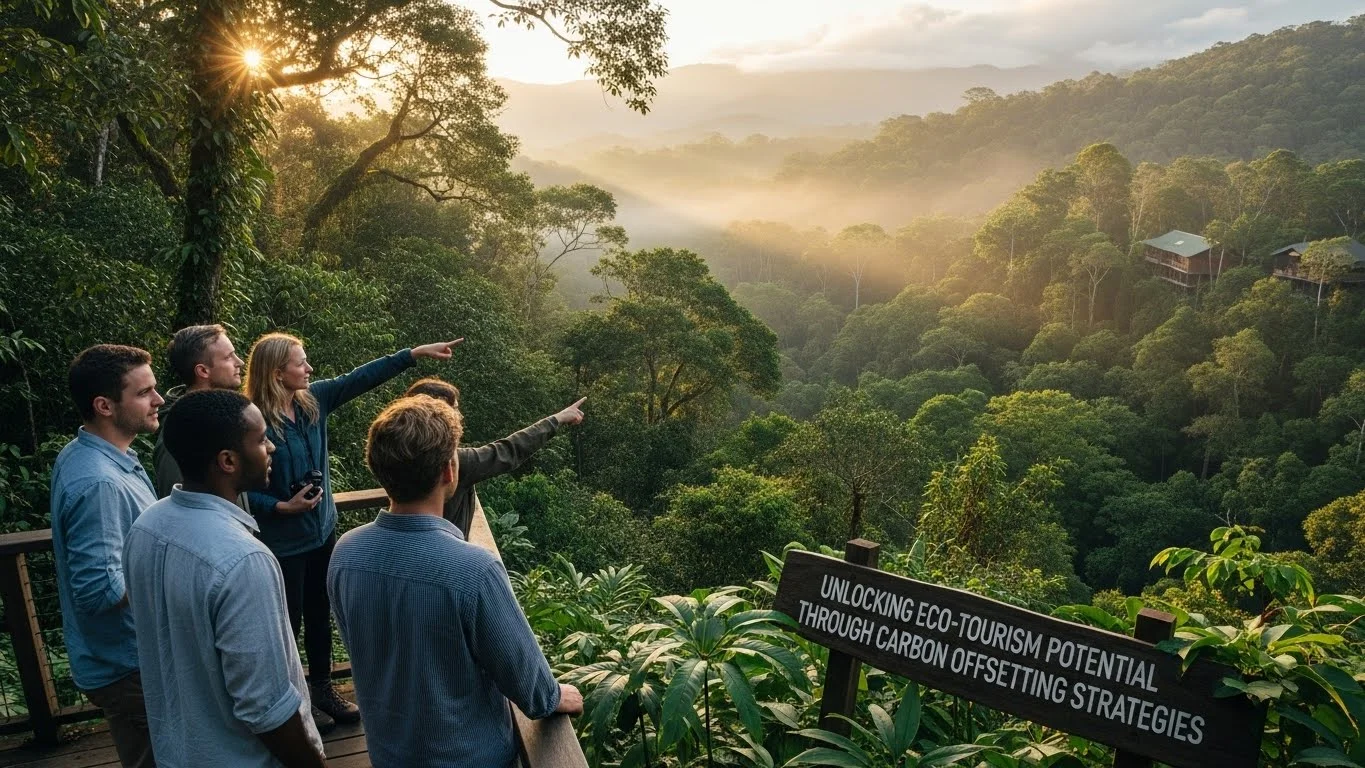
Understanding Eco-Tourism
Definition and Importance of Eco-Tourism
Eco-tourism is more than just a buzzword; it’s a movement aimed at responsible travel that conserves the environment and improves the well-being of local communities. When I first learned about eco-tourism, I was intrigued by how it allows us to enjoy nature while also playing a role in preserving it for future generations. This approach resonates with my belief that travel should enrich not just ourselves but also the places we visit.
The importance of eco-tourism lies in its potential to balance the needs of travelers and the environment. By choosing eco-friendly options, we can reduce our carbon footprints and minimize the negative impact that tourism often has on natural resources. I remember feeling a sense of responsibility when I visited a national park and learned how my visit contributed to conservation efforts. It made me appreciate eco-tourism as a way to connect with nature meaningfully while supporting its preservation.
Core Principles of Eco-Tourism
At its core, eco-tourism is guided by a few fundamental principles. First, it emphasizes sustainability. I’ve seen how eco-tourism encourages practices that protect biodiversity and ecosystems. For example, staying at eco-lodges that utilize renewable energy and water conservation techniques can make a real difference.
Another principle is community involvement. It’s inspiring to visit places where local communities are actively engaged in tourism. I recall a trip where the local guides shared their culture and traditions, making my experience richer. Supporting local businesses helps ensure that the economic benefits of tourism are felt by those living in these areas. How Community-Based Eco-Tourism Benefits Local Cultures discusses this topic in greater detail.
Lastly, eco-tourism advocates for education and awareness. I believe that understanding the environmental issues facing destinations can motivate us to be more responsible travelers. I remember attending workshops during my travels that highlighted the importance of conservation efforts, which truly opened my eyes.
Benefits of Eco-Tourism for Local Communities
The benefits of eco-tourism extend far beyond just environmental conservation; they also significantly enhance the lives of local communities. When I visited a small village that thrived on eco-tourism, I saw firsthand how it provided jobs and fostered economic development. The locals were passionate about sharing their culture, and I felt connected to them while learning about their way of life.
Eco-tourism creates a demand for local crafts, foods, and experiences, which helps preserve traditional practices. I often seek out local artisans when I travel, and buying their products not only supports their livelihood but also keeps their culture alive. It’s rewarding to know that my travel choices can contribute to the sustainability of these communities.
Moreover, eco-tourism promotes environmental stewardship among locals. When communities benefit from preserving their natural resources, they are more likely to protect them. I’ve witnessed this during visits to protected areas where local residents play a crucial role in conservation efforts. Their commitment to safeguarding the environment is inspiring and highlights the importance of community engagement in eco-tourism.
In essence, eco-tourism is a powerful way to create a positive impact on the environment while improving the quality of life for local communities. It’s a win-win situation where we can explore the beauty of our planet and help preserve it simultaneously.
Carbon Offsetting: A Key Strategy
What is Carbon Offsetting?
Carbon offsetting is a method that allows us to compensate for our carbon emissions by funding projects that reduce greenhouse gases. I first encountered the concept when planning a trip and wanted to mitigate my travel impact. It seemed like a practical solution, and I was eager to learn more about how I could contribute positively.
In essence, when we travel, we generate carbon emissions, whether through flights, car rentals, or even hotel stays. By purchasing carbon offsets, we essentially support projects that absorb or prevent the release of an equivalent amount of carbon dioxide. It’s a way of acknowledging our environmental impact and taking responsibility for it. I felt empowered knowing that by supporting these projects, I could play a role in combating climate change.
How Carbon Offsetting Works
The process of carbon offsetting is surprisingly straightforward. When we calculate our carbon footprint, we can determine how many offsets we need to purchase. I remember using an online calculator to estimate my emissions from a recent trip. It was eye-opening to see the numbers and realize the impact of my travel choices.
Once we know how much we need to offset, we can invest in various projects—like reforestation, renewable energy, and conservation initiatives—that are designed to reduce carbon emissions. For me, it was reassuring to know that my contributions could support projects that not only help the environment but also empower local communities. Learning about the different projects available opened my eyes to the diverse ways we can make a difference. How Carbon Offsetting Boosts Eco-Tourism: A Complete Guide offers additional insights into these initiatives.
The Role of Carbon Credits in Eco-Tourism
Carbon credits are essential in the world of eco-tourism as they represent the measurable reduction of greenhouse gases. When I researched carbon credits, I discovered that one credit typically equals one ton of carbon dioxide reduced or removed from the atmosphere. This measurement helps create a transparent market for carbon offsetting, allowing travelers like us to understand the impact of our contributions.
In many eco-tourism initiatives, carbon credits are used to fund various environmental projects. I found it fascinating to learn how these credits can incentivize sustainable practices. For instance, when eco-resorts purchase carbon credits, they can fund renewable energy installations or reforestation efforts, making their operations more environmentally friendly. It’s a collaborative approach to tackling climate change that aligns perfectly with the principles of eco-tourism.
As I continue to explore the world of eco-tourism, I’m excited to see how carbon offsetting can help unlock its true potential. By combining responsible travel with effective strategies to combat climate change, we can all contribute to a more sustainable future, one trip at a time.
Implementing Carbon Offsetting Strategies
Identifying Carbon Footprints in Tourism Activities
Understanding our carbon footprint is the first step in implementing effective carbon offsetting strategies. I remember when I first started tracking my travel-related emissions; it was eye-opening to see how my choices added up. From the flights I took to the accommodations I chose, every little detail contributed to my overall impact on the environment.
For many of us, the largest portion of our travel emissions comes from air travel. I’ve found that using online tools to calculate my emissions can provide clarity. These calculators take into account various aspects of our travel—like distance traveled, mode of transport, and even the type of accommodation. By breaking it down, I could pinpoint where I could reduce my carbon footprint. I realized that even small changes, like opting for non-stop flights or choosing trains over cars for short distances, can make a difference.
Strategies for Calculating Emissions
Once we’ve identified our carbon footprint, the next step is calculating our emissions accurately. I’ve learned that it’s essential to consider both direct and indirect emissions. For example, beyond just flights, I also think about how much energy my hotel uses or the emissions related to food production during my travels. Using a comprehensive calculator can help guide this process.
In my case, I started by listing all the activities I planned on a trip. For each activity, I researched the associated emissions. This included everything from transportation to meals and activities. I found it helpful to keep a travel diary, which allowed me to reflect on my choices and their impact. This practice not only made me more mindful but also equipped me with knowledge to make better decisions in the future.
Types of Carbon Offsetting Projects
Once I understood my emissions, I felt ready to explore the various types of carbon offsetting projects that I could support. I discovered that there are numerous initiatives aimed at reducing carbon in the atmosphere, and each one contributes uniquely to the environment.
Reforestation Initiatives
One of my favorite types of carbon offsetting projects is reforestation. Trees are incredible natural carbon sinks, absorbing CO2 as they grow. I remember coming across a project that aimed to restore forests in my region. The idea of supporting a project that not only captures carbon but also helps restore biodiversity was exciting. By contributing to such initiatives, I felt I was playing a small part in restoring the balance in nature.
Renewable Energy Projects
Renewable energy projects are another impactful way to offset carbon emissions. I’ve seen initiatives that focus on wind, solar, and hydroelectric power, which help reduce reliance on fossil fuels. When I learned about a community in a developing country that gained access to solar energy through donations, it struck a chord with me. Supporting these projects means I’m not only offsetting my emissions but also helping communities gain sustainable energy and independence.
Conservation Efforts
Conservation efforts also play a crucial role in carbon offsetting. Protecting existing ecosystems ensures that we maintain their ability to sequester carbon. I remember visiting a marine conservation project that aimed to protect coral reefs. Supporting initiatives like these not only helps combat climate change but also preserves the beauty and diversity of our planet. It’s rewarding to know that my contributions can help protect these vital ecosystems for future generations to enjoy.
Each type of offsetting project offers a unique way to contribute to environmental health. By diversifying my support, I realized I could make a broader impact, fostering both local communities and the planet. It’s inspiring to think that our travel choices can help drive change, reminding us of the responsibility we have as travelers to be mindful and proactive in protecting the earth.
Case Studies of Successful Eco-Tourism Initiatives
Carbon Offsetting in National Parks
Visiting national parks has always been one of my favorite ways to connect with nature, and I’ve seen how these places are embracing carbon offsetting to enhance their sustainability efforts. For instance, I remember my trip to Yellowstone National Park, where I learned about their carbon offset program. The park has partnered with various organizations to plant trees and restore native habitats, which directly counterbalances the emissions from park operations and visitor activities.
What struck me the most was how they provided educational programs for visitors, explaining the importance of their efforts. They encouraged us to participate by donating a small fee upon entry, which would go directly to their carbon offset initiatives. I felt proud contributing to a program that not only protected the environment but also supported local wildlife. It reinforced my belief that national parks can be leaders in eco-tourism by implementing such impactful strategies.
Eco-Resorts Leading the Way
On another trip, I discovered an eco-resort that truly embodied the principles of sustainable tourism. Nestled in Costa Rica, this resort didn’t just promote eco-friendliness; it lived it. I was amazed by their commitment to creating a minimal carbon footprint. They utilized solar panels for energy, collected rainwater for use, and even had an on-site organic garden that provided fresh produce for guests.
What really fascinated me was their carbon offset program. For every guest that stayed, they calculated the carbon emissions from their travel and stay, then contributed to local reforestation projects. I remember talking to the owners, who shared stories about how their initiatives were helping to restore natural habitats and promote biodiversity. Staying at an eco-resort like this transformed my view of luxury travel. It made me realize that comfort and sustainability can go hand in hand.
Community-Based Eco-Tourism Projects
One of the most inspiring examples of eco-tourism I’ve encountered was in a small village in Kenya. The community had developed a program that allowed tourists to engage in authentic cultural experiences while contributing to local conservation efforts. I was fortunate enough to join a guided tour led by community members, where we learned about their traditional practices and challenges related to wildlife conservation.
The village had implemented a carbon offset initiative by creating a local wildlife reserve, which not only protected endangered species but also provided an income source for the community through eco-tourism. I felt a deep connection during my visit, knowing that my presence and participation supported their efforts. The locals explained how the funds generated from tourism were reinvested into education and healthcare, enhancing their quality of life.
This experience highlighted the power of community-based eco-tourism in not just preserving the environment but also uplifting local cultures. It was a reminder that when we travel, we have the opportunity to create meaningful connections that extend beyond our immediate enjoyment. It’s incredible to think about how these initiatives can inspire travelers like us to make conscious choices that benefit both the environment and local communities.
Challenges and Considerations
Common Misconceptions about Carbon Offsetting
As I’ve delved deeper into the world of eco-tourism and carbon offsetting, I’ve come across several misconceptions that can cloud our understanding of these concepts. One of the biggest myths is that purchasing carbon offsets allows us to travel guilt-free without changing any of our habits. I used to think that just buying offsets would absolve me of my responsibilities as a traveler. However, I’ve learned that offsets should complement, not replace, our efforts to reduce emissions.
It’s essential to remember that while carbon offsetting is a valuable tool, it’s not a cure-all. I’ve come to appreciate the idea that we should first strive to minimize our carbon footprints through conscious choices in travel and lifestyle before turning to offsets for the remainder. This shift in perspective has made my travels more mindful and intentional.
Measuring the Effectiveness of Offsetting Programs
Another challenge I’ve encountered is understanding how to measure the effectiveness of carbon offsetting programs. Not all projects are created equal, and it can be difficult to determine which ones genuinely deliver on their promises. I remember feeling overwhelmed when researching options for offsetting my carbon footprint, as there were so many organizations claiming to make a difference.
To navigate this, I’ve learned to look for transparency in the projects I support. I seek out initiatives that provide clear data on their impact, such as how many trees have been planted or the amount of carbon sequestered. It’s important that these programs are verified by reputable third-party organizations to ensure accountability. This due diligence has helped me feel more confident in my choices and their potential impact.
Balancing Profitability and Sustainability
One of the most thought-provoking aspects of eco-tourism is the balancing act between profitability and sustainability. I’ve seen some businesses genuinely embrace eco-friendly practices, while others seem to use eco-tourism as a marketing gimmick. It’s disheartening to realize that some companies might prioritize profits over genuine sustainability efforts.
During my travels, I’ve often considered how businesses can be incentivized to adopt sustainable practices without sacrificing their bottom line. I believe that educating consumers about the importance of supporting authentic eco-tourism can drive change. When we choose to spend our money on businesses that genuinely care about the environment, we can influence the market to prioritize sustainability. This realization has empowered me as a consumer, knowing that my choices can push the tourism industry toward a more sustainable future.
Frequently Asked Questions
What is eco-tourism?
Eco-tourism is a movement aimed at responsible travel that conserves the environment and improves the well-being of local communities. It allows travelers to enjoy nature while playing a role in preserving it for future generations.
Why is eco-tourism important?
The importance of eco-tourism lies in its potential to balance the needs of travelers and the environment, helping to reduce carbon footprints and minimize negative impacts on natural resources while connecting travelers meaningfully with nature.
What are the core principles of eco-tourism?
Eco-tourism is guided by fundamental principles that emphasize sustainability, community involvement, and education and awareness about environmental issues facing destinations.
How does eco-tourism benefit local communities?
Eco-tourism enhances the lives of local communities by providing jobs, fostering economic development, creating demand for local crafts and foods, and promoting environmental stewardship among locals.
What is carbon offsetting?
Carbon offsetting is a method that allows individuals to compensate for their carbon emissions by funding projects that reduce greenhouse gases, thus acknowledging and taking responsibility for their environmental impact.
How does carbon offsetting work?
Carbon offsetting works by calculating one’s carbon footprint and purchasing offsets to support projects like reforestation and renewable energy that reduce carbon emissions, allowing travelers to mitigate their impact.
What are carbon credits?
Carbon credits represent the measurable reduction of greenhouse gases, with one credit typically equaling one ton of carbon dioxide reduced or removed from the atmosphere, helping travelers understand the impact of their contributions.
What types of carbon offsetting projects are available?
Types of carbon offsetting projects include reforestation initiatives, renewable energy projects, and conservation efforts, each contributing uniquely to environmental health and community support.
What are common misconceptions about carbon offsetting?
A common misconception is that purchasing carbon offsets allows for guilt-free travel without changing habits. It is essential to minimize carbon footprints through conscious choices before relying on offsets.
How can travelers measure the effectiveness of offsetting programs?
Travelers can measure the effectiveness of carbon offsetting programs by looking for transparency in projects, seeking data on impact, and ensuring initiatives are verified by reputable third-party organizations.