
Urban landscape photography offers a unique way to capture the essence of a city while traveling on a budget. I’ve found that with a little creativity and resourcefulness, stunning urban shots are within reach for everyone. For those looking to enhance their skills, check out Top Tips for Budget Urban Landscape Photography.
Understanding Urban Landscape Photography
Definition and Scope
Urban landscape photography is all about capturing the beauty of cities and their surroundings. It often includes man-made structures like buildings, bridges, and streets, mixed in with natural elements like parks and rivers. I remember my first experience with urban photography; it felt like stepping into a vibrant canvas where every corner told a different story. The scope of this genre is vast, and it allows photographers to showcase the relationship between humans and their environments.
The Importance of Urban Landscapes
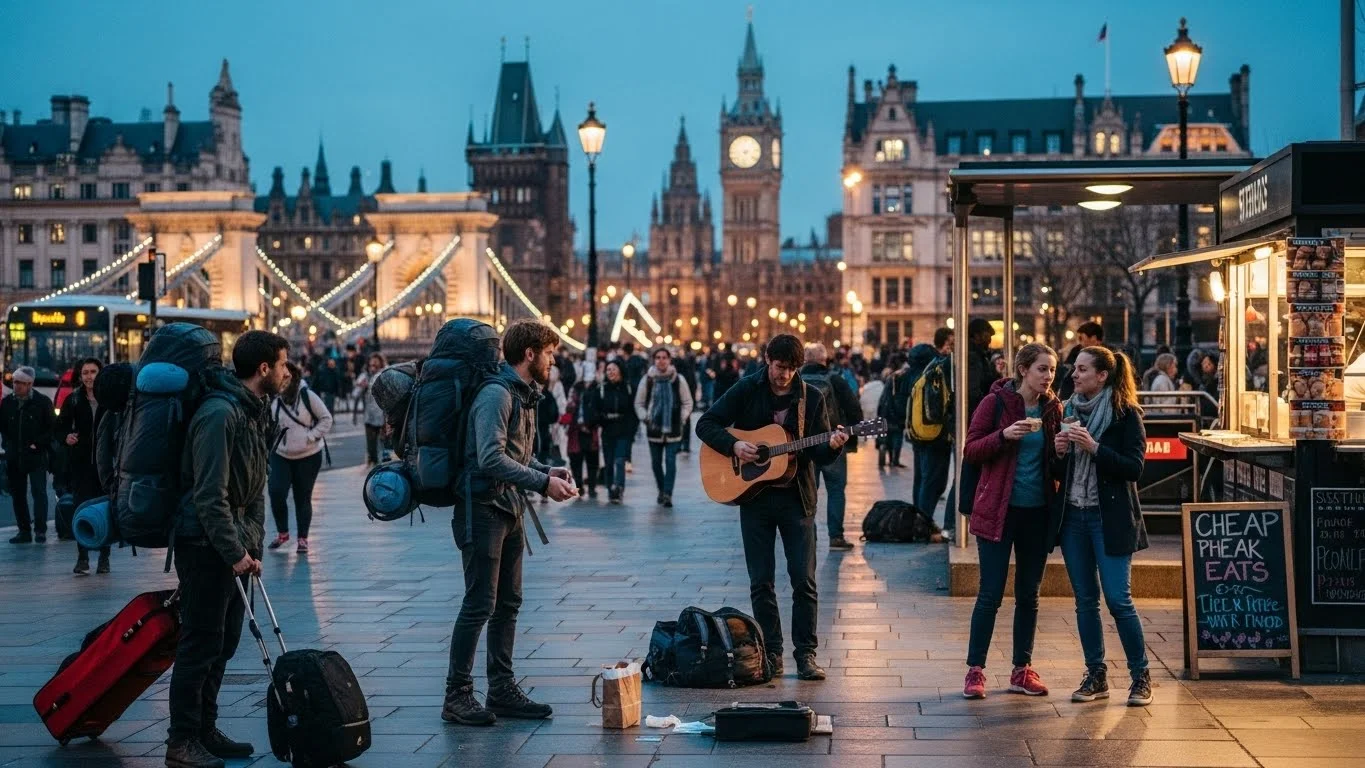
Urban landscapes are significant because they reflect the culture, history, and everyday life of a city. When I look back at my own photos, I see not just structures but also the life that surrounds them—people bustling about, street performers, and the little moments that breathe life into the city. Capturing these elements helps to communicate the spirit of a place. For me, it’s more than just taking pictures; it’s about telling a story that resonates with those who view them.
Key Elements of Urban Landscape Photography
There are several key elements to consider when diving into urban landscape photography. First, composition is crucial. I often think about the rule of thirds, where placing the main subject off-center creates a more engaging photo. Secondly, light plays a significant role. The golden hour, just after sunrise or before sunset, offers soft, diffused light that can transform an ordinary scene into something magical. I’ve found that experimenting with various angles and perspectives can also lead to stunning results; sometimes, the best shot is from an unexpected viewpoint.
Another element to consider is the inclusion of people. While urban landscapes can be striking when devoid of human presence, I think that including people adds a layer of context and emotion. It can showcase the hustle and bustle of city life or even a quiet moment of reflection. Finally, don’t forget about the details. I often zoom in on unique architectural features or street art that tell a broader story about the city. Every small detail counts, and these elements can enhance the overall impact of the photograph. For more on gear, see Best Budget Gear for Urban Landscape Photography.
Equipment for Budget-Friendly Urban Photography
Essential Camera Gear
When it comes to urban landscape photography on a budget, you don’t need the latest and greatest gear to get started. I’ve found that even a basic camera can produce stunning results if you know how to use it. A DSLR or mirrorless camera is ideal, but many compact cameras and even older models can work well. The key is understanding your camera’s settings and learning how to adjust them for different lighting conditions. I spent hours fiddling with my settings to get the hang of it, and it paid off in the end.
Affordable Lens Options
Lenses can be a big part of your photography budget, but there are affordable options that can still give you great results. A versatile zoom lens, like a 24-70mm, can cover a wide range of scenarios, from wide cityscapes to closer architectural details. I also recommend considering prime lenses, like a 50mm lens, which are often more affordable and provide excellent image quality. If you’re on a super tight budget, check out second-hand gear. I once found a fantastic lens for half the price at a local camera shop.
Smartphone Photography Tips
Let’s not overlook the power of smartphone photography. Many smartphones today come equipped with impressive cameras that can produce high-quality images. I remember walking through the streets of New York City, snapping photos with my phone, and being amazed at how well they turned out. To make the most of smartphone photography, pay attention to lighting, utilize editing apps, and experiment with angles. Sometimes, holding your phone low to the ground or shooting from a higher vantage point can create striking images.
Accessories to Enhance Your Shots
While focusing on budget-friendly options, there are a few accessories that can enhance your urban photography without breaking the bank. A sturdy tripod is a must-have for low-light situations, especially at night when the city lights create stunning reflections. I also recommend a polarizing filter; it can reduce glare and enhance colors, making your images pop. Lastly, a camera bag that protects your gear while being easy to carry is essential when you’re exploring a city on foot. I’ve learned the hard way how important it is to keep my gear safe while on the move!
Choosing Your Urban Destination
Top Budget-Friendly Cities for Urban Photography
When planning my urban photography adventures, I’ve discovered that some cities are particularly kind to budget travelers. One of my favorite places is Lisbon, Portugal. The colorful buildings and vibrant street art provide endless inspiration, and the streetcar system makes it easy to explore. Plus, the food is delicious and affordable! Another great option is Mexico City. With its rich history and stunning architecture, I found it incredibly photogenic, and many museums offer free entry on certain days. I remember wandering through Coyoacán, capturing the charming streets that felt like stepping back in time.
If you’re looking for a blend of modern and historical, Chicago is another fantastic choice. The architecture there is iconic, and the lakeside parks create beautiful backdrops for urban landscapes. I spent a day at Millennium Park, where I not only photographed the famous Cloud Gate but also enjoyed the lively atmosphere. Lastly, consider Budapest, Hungary. The city’s mix of old-world charm and contemporary flair made for some striking contrasts in my photos. The thermal baths, bridges, and Parliament building all offered excellent opportunities for capturing stunning images. Don’t forget to check out Exploring Cities: Budget-Friendly Urban Landscape Shots for more inspiration.
Hidden Gems in Major Cities
While the popular tourist spots are always a great start, I’ve learned that some of the best urban photography moments come from discovering hidden gems. In New York City, for example, I stumbled upon the High Line, an elevated park built on a historic freight rail line. It offers unique views of the city and a peaceful escape from the bustling streets below. I remember capturing the juxtaposition of greenery against the urban backdrop; it was a perfect blend of nature and architecture.
Another hidden treasure is the neighborhood of Montmartre in Paris. While many flock to the Eiffel Tower, I found the narrow streets of Montmartre filled with quaint cafes and artists at work to be equally captivating. I’ve captured some of my favorite street portraits there, showcasing the local character. In Tokyo, areas like Yanaka offer a glimpse into traditional Japan, away from the neon lights. Wandering through the quiet streets, I discovered small temples and charming shops, which made for intimate urban shots.
Best Times to Visit Urban Locations
Timing can make or break your urban photography experience. I’ve noticed that visiting a city during off-peak seasons not only saves money but also provides better opportunities for photography. For instance, I found that going to Barcelona in late fall meant fewer crowds at popular sites like the Sagrada Familia, allowing me to capture the stunning architecture without people blocking my shots.
Moreover, early mornings or late afternoons are often the best times to shoot in urban environments. The soft light during these hours can create a magical atmosphere, and I’ve loved capturing the gentle glow of sunlit streets and the long shadows cast by buildings. I remember one particular morning in San Francisco when the fog rolled in, creating an ethereal mood that transformed the cityscape into something truly unique.
Seasonal events can also provide fantastic opportunities for urban photography. I’ve attended festivals and parades in various cities, where I captured vibrant colors and lively crowds. For example, taking photos during New Orleans’ Mardi Gras allowed me to document not just the floats but also the infectious energy of the city. I recommend keeping an eye on local calendars to find events that align with your travel plans.
Techniques for Capturing Stunning Urban Landscapes
Understanding Light and Composition
Once I’m out in the field, understanding light is crucial to my urban photography. I’ve learned that different times of day can completely change the mood of my images. During my trips, I often experiment with backlighting and side lighting, which can create dramatic effects. I remember a moment when I shot a building against the setting sun; the warm light illuminated the windows beautifully and added depth to the image.
Composition is another key aspect I always think about. Using leading lines, such as roads or pathways, can draw the viewer’s eye into the scene. I often try to frame my shots with interesting foreground elements, like trees or street furniture, which adds layers to the composition. I once framed a city skyline behind a row of cherry blossom trees, creating a beautiful blend of nature and urban life.
Framing and Perspective Tricks
When it comes to framing my shots, I love to get creative. Sometimes, I’ll use doorways, windows, or archways to frame my subject. This technique adds context and draws the viewer’s attention to the focal point. I remember standing in an alley in Rome, where I positioned myself at the end, framing the iconic Colosseum through an arched entrance. The result was a striking shot that showed the blend of old and new.
Perspective can also dramatically alter the way I capture a scene. I’ve had great success shooting from high vantage points, like rooftops or hills. The sweeping views of the city can be breathtaking. I found myself on a rooftop in Lisbon at sunset, capturing the sprawling city below bathed in golden light. Conversely, shooting from low angles can give a sense of grandeur to my subjects, making buildings appear even more imposing.
Utilizing Shadows and Reflections
Shadows and reflections are two of my favorite elements to play with in urban landscapes. When the sun is high, shadows can create interesting patterns and textures on the ground, adding depth to my photos. I remember a day in Chicago when the shadows cast by the skyscrapers created dramatic shapes that enhanced my images.
Reflections can also add an extra layer of intrigue to my shots. I often look for puddles or glass buildings that can mirror the cityscape. One of my best captures came from a rainy day in Seattle, where I found a perfect puddle reflecting the vibrant colors of the Space Needle. It created a fantastic symmetry that I still cherish.
Budget Travel Tips for Urban Photography
Finding Affordable Accommodation
When I plan my urban photography trips, finding affordable accommodation is always at the top of my list. I’ve discovered that staying in hostels or guesthouses can save a lot of money while providing a chance to meet fellow travelers. I remember my stay in a cozy hostel in the heart of Berlin, where the friendly atmosphere and communal spaces encouraged me to connect with other photographers. I often use platforms like Airbnb to find unique stays that fit my budget. Sometimes, I even choose locations just a bit outside the main tourist areas; it not only saves money but also allows me to explore neighborhoods that are less frequented by tourists.
Using Public Transport for Exploration
Public transportation is a game-changer when exploring a new city on a budget. I’ve found that cities often have excellent public transport systems that can take you to all the prime photography spots without the hassle of navigating traffic or incurring parking fees. In Paris, for instance, I hopped on the metro to reach various neighborhoods quickly, capturing the essence of the city as I went. Riding the subway also provides unique photo opportunities; I’ve snapped candid moments of locals and travelers alike. Just be sure to check the transport schedules and routes to maximize your exploration time!
Free or Low-Cost Attractions
There’s something thrilling about uncovering free or low-cost attractions during my travels. Many cities offer free walking tours that not only provide a wealth of information but also take you to hidden gems perfect for photography. I remember joining a walking tour in Lisbon, where we wandered through stunning alleys and picturesque viewpoints. I also look for parks and public squares, which often serve as beautiful backdrops for urban shots. Museums frequently have free admission days, allowing you to explore art and history without spending a dime. I’ve made some of my best memories capturing the art and architecture in these spaces.
Local Food on a Budget
Food is one of my favorite parts of traveling, but it can add up quickly. I always seek out local street food or markets, where I can enjoy delicious meals without breaking the bank. I remember my time in Bangkok, where the street food was not only affordable but also an authentic way to experience the city’s cuisine. Markets often provide a great backdrop for photography, too! Gathering images of vibrant fruits, locals preparing food, and the bustling atmosphere adds an extra layer to my urban story. I find that asking locals for their recommendations often leads to finding the best spots that aren’t in guidebooks.
Post-Processing Techniques for Urban Photography
Free Editing Software Options
Once I’ve captured my urban landscapes, I love diving into post-processing to enhance my images. There are several free editing software options available that I’ve found incredibly user-friendly. Programs like GIMP and Darktable have become staples in my editing routine. I remember feeling overwhelmed by editing at first, but these tools helped me gradually learn the ropes without spending any money. They allow you to adjust exposure, contrast, and colors—elements that can dramatically change the feel of a photo.
Basic Editing Techniques for Beginners
For those new to editing, I recommend starting with the basics. Simple adjustments, such as cropping to improve composition or adjusting brightness and contrast, can make a significant difference. I often play with saturation to make colors pop, especially in urban scenes where vibrant street art or architecture can shine. I’ve learned that a little tweaking can transform an average photo into something spectacular. One of my favorite techniques is sharpening the image just enough to enhance the details without making it look unnatural.
Enhancing Urban Landscapes: Filters and Effects
Filters can be a great way to add a unique touch to my urban photos. I’ve found that using subtle filters can help convey the mood of a scene or highlight certain colors. For example, I often apply a warm filter to sunset shots to enhance the golden hour glow. However, I always remind myself to use filters sparingly; I’ve seen images that look overly edited, and I prefer to keep my photos looking authentic. Additionally, adding a vignette effect can draw attention to the center of an image, which works well in busy urban environments. It’s all about finding a balance that enhances rather than overwhelms.
Frequently Asked Questions
What is urban landscape photography?
Urban landscape photography is the art of capturing the beauty of cities and their surroundings, often incorporating man-made structures like buildings and bridges alongside natural elements like parks and rivers. It showcases the relationship between humans and their environments.
Why are urban landscapes important?
Urban landscapes reflect the culture, history, and everyday life of a city. They communicate the spirit of a place by capturing not just structures but also the life surrounding them, including people and activities that bring the city to life.
What are some key elements to consider in urban landscape photography?
Key elements include composition, light, inclusion of people, and attention to detail. Using techniques like the rule of thirds, shooting during the golden hour, and capturing unique architectural features can enhance the overall impact of your photographs.
What camera gear is recommended for budget-friendly urban photography?
You don’t need the latest gear to start urban photography. A basic DSLR or mirrorless camera can work well, and affordable lenses like a 24-70mm zoom or a 50mm prime lens can provide great results. Second-hand gear is also a good option for saving money.
How can smartphone photography be utilized in urban landscapes?
Smartphones can produce high-quality images and are great for urban photography. To maximize their potential, focus on lighting, use editing apps, and experiment with different angles to create striking images.
What are some top budget-friendly cities for urban photography?
Some excellent budget-friendly cities for urban photography include Lisbon, Mexico City, Chicago, and Budapest. Each city offers unique architecture, vibrant street life, and affordable food options, making them ideal for capturing stunning urban landscapes.
What hidden gems can be explored for urban photography?
Hidden gems include places like the High Line in New York City, Montmartre in Paris, and Yanaka in Tokyo. These locations offer unique perspectives and intimate settings that can yield excellent photography opportunities away from typical tourist spots.
What are the best times to visit urban locations for photography?
Visiting cities during off-peak seasons and capturing images during early mornings or late afternoons can provide better opportunities for photography. Seasonal events, like festivals, also offer vibrant scenes to capture.
What post-processing techniques are recommended for urban photography?
Basic editing techniques such as cropping, adjusting brightness and contrast, and playing with saturation can enhance urban images. Free editing software like GIMP and Darktable can be useful for beginners to improve their photos without incurring costs.
How can affordable accommodation and transport benefit urban photography trips?
Staying in budget accommodations like hostels and using public transportation can save money and offer opportunities to meet fellow travelers and explore the city efficiently. This allows photographers to focus on capturing the essence of the city without spending excessively.