
Street food is more than just a quick bite; it’s a vibrant expression of culture and community. Across the globe, it tells stories of tradition, innovation, and the everyday lives of people. Explore the Cultural Significance of Street Food Worldwide to learn more about its impact.
Understanding Street Food: A Cultural Lens
Definition of Street Food
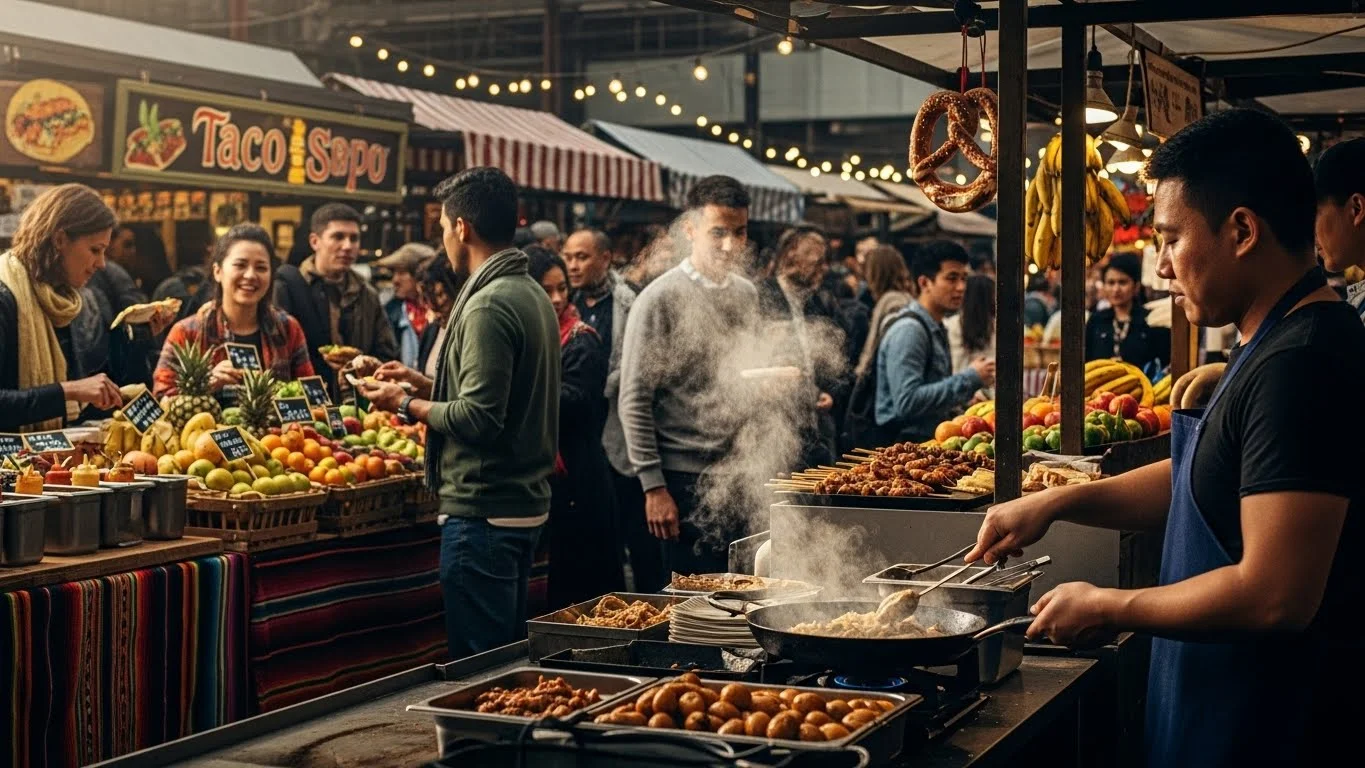
When I think of street food, my mind immediately fills with images of bustling markets, colorful stalls, and the tantalizing aromas of sizzling dishes. Street food can be defined as affordable food sold by vendors in public spaces, typically ready to eat on the go. It ranges from simple snacks to elaborate meals, often reflecting the local culinary traditions and ingredients. What I find fascinating is how street food connects people. It’s not just about satisfying hunger; it’s a way to share cultural heritage, stories, and even community values. For many, the experience of street food goes beyond taste; it’s about the atmosphere, the people, and the vibrant culture surrounding it.
Historical Context of Street Food
Street food has a rich history, dating back centuries. I remember reading about ancient civilizations like the Greeks and Romans, who had their own versions of street food vendors selling food in public spaces. Fast forward to today, and we see that street food has evolved, adapting to social changes and urbanization. I’ve noticed that as cities grow and diversify, the variety of street food available also expands. In many cultures, street food has served as a crucial part of the economy and daily life, providing affordable meals for working-class individuals. Understanding this history helps us appreciate why street food remains a vital aspect of urban life today.
The Role of Street Food in Urban Development
During my travels, I’ve observed how street food plays a significant role in urban development. It often thrives in busy areas, attracting locals and tourists alike. This bustling environment creates a unique culinary ecosystem. For instance, in cities like Bangkok, street food vendors line the streets, creating a lively atmosphere that draws crowds. These vendors not only provide delicious food but also contribute to the local economy, creating jobs and supporting local agriculture. I’ve seen how a thriving street food scene can revitalize neighborhoods, bringing life to areas that may otherwise be overlooked. It’s incredible how something as simple as food can have such a profound impact on urban landscapes and community identity. Street Food Markets: A Backpacker’s Guide to Culinary Delights highlights the importance of these markets in urban settings.
As we dive deeper into the cultural significance of street food, it’s essential to recognize the various forms it takes around the world. Each region has its unique flavors and traditions that reflect the local culture and history. Street food is not just sustenance; it’s a celebration of life, creativity, and community. I believe that when we explore street food, we’re also exploring the heart of the cultures that create it.
Global Perspectives on Street Food
Street Food in Asia
Asia is where my love for street food truly blossomed. Each country offers a unique experience that dives deep into its culinary traditions. Take Thailand, for instance. I remember wandering through the night markets of Bangkok, surrounded by sizzling skewers of satay and fragrant bowls of pad thai. The vendors are often quick to share stories about their dishes, which adds an extra layer to the flavors. It’s fascinating how food can carry such rich narratives. Each plate often tells a story of family recipes passed down through generations, making every bite feel special.
Popular Dishes and Their Cultural Significance
In Vietnam, pho is more than just a noodle soup; it’s a symbol of national pride. I learned that the way it’s prepared varies from region to region, showcasing local tastes and preferences. When I slurped up a bowl in Hanoi, I could feel the warmth of tradition in each mouthful. Similarly, in India, street food like pani puri and chaat isn’t just about taste; it’s a social activity. I loved watching friends gather around stalls, sharing plates and laughter, embodying the spirit of community.
Street Food Markets and Festivals
Street food festivals are a feast for the senses. I’ve attended a few, and they are often filled with vibrant colors, lively music, and, of course, the irresistible smells of cooking. In Malaysia, the Penang Street Food Festival is a must-visit. It’s a gathering of the best local vendors, each showcasing their signature dishes. I found myself trying everything from char kway teow to cendol, realizing that food really is a universal language that brings people together. Budget-Friendly Street Food Markets You Can’t Miss offers insights into some of the best places to experience this culinary adventure.
Street Food in Latin America
My explorations in Latin America revealed a world of flavors that are both comforting and exciting. The street food here is a delightful mix of indigenous ingredients and influences from European colonization. In Mexico, for example, I was blown away by the variety of tacos. Street vendors proudly serve everything from al pastor to fish tacos, each with its unique twist. It’s a celebration of local ingredients and culinary creativity that I found utterly enchanting.
Regional Variations and Influences
Every region in Latin America has its own take on street food. I remember tasting arepas in Colombia, which are not only delicious but also reflect the country’s agricultural heritage. Each vendor had their secret recipe, and I relished the opportunity to try different versions. In Brazil, the street food scene is equally vibrant, especially during Carnival when you can find everything from coxinhas to acarajé. It’s an explosion of flavors and a true representation of Brazilian culture.
The Fusion of Traditional and Modern Flavors
What excites me most is the fusion happening everywhere. New food trucks are popping up, blending traditional recipes with modern culinary techniques. I once had a sushi burrito in Los Angeles that combined my love for both sushi and Mexican flavors. This creative blend of cuisines is a testament to how street food continues to evolve while still respecting its roots.
Street Food in Europe
In Europe, street food has its own charm, often influenced by the rich histories and traditions of each country. I’ve strolled through the streets of cities like Berlin, where food trucks and stalls offer everything from currywurst to döner kebabs. Each bite was a delightful fusion of flavors that told a story of migration and cultural exchange.
Iconic Street Foods by Country
In Italy, I discovered the joy of arancini in Sicily—crispy rice balls stuffed with cheese and meat. I can still taste the gooey center that made my heart sing. In France, crepes are not just a street food; they embody the country’s culinary finesse. Watching a vendor expertly flip a crepe filled with Nutella and strawberries is an experience I won’t soon forget.
Street Food as a Tourist Attraction
In recent years, I’ve noticed that street food has become a significant draw for tourists. Food tours are popping up everywhere, allowing travelers to sample authentic local dishes while learning about the culture. It’s a fantastic way to connect with a place on a deeper level. I joined a street food tour in Barcelona, and it was one of the highlights of my trip. We explored hidden gems, tasted unique flavors, and met passionate vendors who shared their stories.
Street Food in Africa
Africa’s street food scene is vibrant, yet often overlooked. During my travels through cities like Marrakech and Nairobi, I discovered an incredible array of flavors and techniques that reflect the continent’s diversity. I remember trying tagine in Morocco, cooked slowly in clay pots, and served with bread that was fresh out of the oven. The experience was not just about the food; it was about the people and the warmth of their hospitality.
Local Ingredients and Traditional Cooking Techniques
In many African countries, street food vendors use local ingredients to create dishes that are rich in flavor and history. I had the chance to try bill-tong in South Africa, a dried meat snack that’s perfect for on-the-go munching. The use of traditional cooking methods, like open-fire grilling, adds depth to these dishes. I felt a connection to the land and its people, experiencing their culture through food.
Street Food’s Role in Community and Economy
Street food also plays an essential role in the economy. In many African cities, vendors provide affordable meals to locals, supporting families and communities. I saw how these vendors often become the heartbeat of neighborhoods, creating jobs and fostering social connections. It’s inspiring to witness how something as simple as food can uplift entire communities.
Street Food in North America
North America has its own unique take on street food, often reflecting a melting pot of cultures. I’ve witnessed food trucks taking over city blocks, offering everything from gourmet burgers to vegan tacos. The creativity and innovation in this scene are incredible, and it’s inspiring to see how diverse the offerings have become.
Trends and Innovations in Street Food
Food trucks have revolutionized the street food experience. I remember visiting a food truck festival in Austin, where I was spoiled for choice. Each truck had its unique spin on classic dishes, and the atmosphere was electric. There’s a real sense of community among vendors, and many often collaborate to create fusion dishes. It’s a great reminder of how street food continues to adapt and innovate.
Cultural Exchange and Diversity
Street food in North America also serves as a platform for cultural exchange. I’ve enjoyed dumplings from a Chinese food truck and jollof rice from a West African vendor, all within the same day. This diversity makes exploring street food so exciting. I feel like every meal is a journey, connecting me to different cultures and stories.
The Impact of Street Food on Culture
Preservation of Culinary Traditions
One of the most beautiful aspects of street food is how it serves as a living archive of culinary traditions. I’ve often thought about how recipes are passed down through generations, with each vendor adding their personal touch. For instance, when I sampled a traditional empanada from a street vendor in Buenos Aires, I learned that the recipe was a family secret, perfected over years. It struck me how street food not only preserves these recipes but also keeps cultural practices alive. Through street food, we can taste the history and culture of a place, experiencing flavors that have been cherished for centuries.
Street Food and Social Interactions
For me, street food is also about the connections we make while enjoying it. I remember sitting on a small plastic stool at a roadside vendor in Saigon, sharing a table with strangers. We all dug into our bowls of pho, exchanging smiles and nods of approval as we slurped away. It was in that moment I realized street food creates a sense of community. People gather around the same stalls, forming bonds over shared experiences and flavors. It’s a melting pot of cultures, where conversations spark over a shared love for food. I feel that the simple act of eating together can break down barriers and foster understanding between individuals from different backgrounds.
Economic Opportunities and Entrepreneurship
Street food is more than a culinary delight; it’s a source of livelihood for many. I’ve met vendors who started with nothing but a small cart selling their grandmother’s recipes. This entrepreneurial spirit is inspiring. In cities like Mumbai, I’ve seen how street food vendors provide affordable meals while also creating jobs for others. It’s a thriving ecosystem where one vendor’s success can uplift an entire community. I remember chatting with a young woman selling vada pav, who told me how she was able to support her family and send her younger siblings to school through her business. This resilience is a vital part of the street food narrative, showcasing how food can empower individuals and fuel economies.
Street Food as a Reflection of Identity
Street food often acts as a canvas for cultural identity. I’ve noticed how vendors proudly showcase their heritage through the dishes they serve. When I tried jollof rice from a Nigerian food truck, the vendor passionately explained how it’s more than just a meal; it’s a symbol of Nigerian pride and unity. This connection to identity is what makes street food so special. It’s a representation of who we are and where we come from. I think about the way flavors can evoke memories of home, family, and culture. Each dish offers a glimpse into the lives of the people who prepare it, allowing us to appreciate the depth and richness of their stories.
Challenges Facing Street Food Vendors
Health and Safety Regulations
While street food is a vibrant part of culture, it’s not without its challenges. I’ve heard stories from vendors about navigating health and safety regulations. In many cities, stringent laws can make it difficult for street food vendors to operate. I remember talking to a taco vendor in Los Angeles who had to jump through hoops to obtain permits, which took time and money. These regulations, while necessary for public safety, can sometimes stifle the creativity and spontaneity that street food embodies. I believe it’s essential to find a balance that allows vendors to thrive while ensuring that food safety standards are met.
Economic Barriers and Competition
The street food scene can also be competitive, making it tough for new vendors to break into the market. I’ve seen passionate food lovers struggle to establish their stalls amid established vendors with loyal followings. For instance, during a food festival in New York, I chatted with a newbie vendor who had invested everything in his food truck. He expressed the pressure to stand out in a crowded field. This competition can be disheartening, but it also drives innovation and creativity. I think it’s important for customers to support emerging vendors, giving them a chance to share their unique flavors and stories.
Cultural Stigmas and Misconceptions
Lastly, there are cultural stigmas and misconceptions surrounding street food. In some places, people view it as inferior to dining in restaurants, which couldn’t be further from the truth. I’ve enjoyed some of the best meals of my life from street vendors. It’s a shame that these biases can deter people from experiencing the richness of street food culture. I remember discussing this with a friend who was hesitant to try street food during our travels, fearing it would be unsafe. Once we took the plunge, she was amazed by the flavors and the authenticity of the experience. It’s essential to challenge these misconceptions and embrace the diversity and stories that street food offers.
The Future of Street Food
Trends in Street Food Innovation
As I look to the future, I see exciting trends in street food innovation. Food trucks are evolving, offering not just traditional fare but also fusion dishes that blend different cuisines. I once had a Korean BBQ taco that was a perfect marriage of flavors, showcasing how street food continues to adapt and innovate. This creativity is thrilling! I believe that as more people travel and connect, we’ll see even more unique combinations that reflect global influences.
Sustainability and Ethical Sourcing
Sustainability is another crucial aspect of the future of street food. I’ve noticed a growing number of vendors focusing on using local, organic ingredients and eco-friendly packaging. It’s inspiring to see entrepreneurs who are committed to reducing their environmental impact. At a food festival I attended recently, many vendors proudly displayed their sustainability practices, and it made me feel good about supporting their businesses. The future of street food can be both delicious and responsible, and I’m excited to see how this trend develops.
Technology’s Role in Modern Street Food
Technology is also playing a significant role in shaping the street food landscape. I think about how social media has transformed the way we discover and experience street food. I’ve stumbled upon incredible vendors through Instagram and TikTok, which has made it easier to find hidden gems. Apps for food delivery have also given vendors a new platform to reach customers who might not otherwise try their food. This tech-savvy approach is changing the game, and I’m curious to see how it will continue to evolve.
Tips for Experiencing Street Food Culture
Finding Authentic Street Food Experiences
Safety Tips for Street Food Consumption
Engaging with Local Vendors and Communities
Frequently Asked Questions
What is street food?
Street food is defined as affordable food sold by vendors in public spaces, typically ready to eat on the go. It ranges from simple snacks to elaborate meals, often reflecting local culinary traditions and ingredients.
What is the historical significance of street food?
Street food has a rich history dating back centuries, seen in ancient civilizations like the Greeks and Romans. It has evolved over time, adapting to social changes and urbanization, and remains a vital aspect of urban life today.
How does street food contribute to urban development?
Street food thrives in busy areas, attracting locals and tourists, which creates a unique culinary ecosystem. Vendors contribute to the local economy by creating jobs and supporting local agriculture, often revitalizing neighborhoods.
What are some popular street food dishes in Asia?
In Asia, dishes like satay and pad thai from Thailand, pho from Vietnam, and pani puri and chaat from India are popular. Each dish often tells a story of family recipes and local traditions.
How does street food in Latin America differ from other regions?
Latin American street food blends indigenous ingredients with influences from European colonization. Tacos in Mexico, arepas in Colombia, and dishes during Carnival in Brazil reflect local ingredients and culinary creativity.
What role does street food play in community and economy in Africa?
In Africa, street food vendors provide affordable meals, supporting families and communities. They become the heartbeat of neighborhoods, creating jobs and fostering social connections.
What challenges do street food vendors face?
Street food vendors often navigate health and safety regulations, face economic barriers and competition, and deal with cultural stigmas and misconceptions regarding the quality of street food.
What trends are shaping the future of street food?
Future trends include the evolution of food trucks offering fusion dishes, a focus on sustainability and ethical sourcing, and the influence of technology on discovering and experiencing street food.
How can one find authentic street food experiences?
To find authentic street food experiences, engage with local vendors and communities, and be open to trying new dishes that reflect the local culture and culinary traditions.
Why is street food considered a reflection of cultural identity?
Street food acts as a canvas for cultural identity, with vendors showcasing their heritage through the dishes they serve. Each dish represents the culture and history of the community, creating a deeper connection to the people who prepare it.