
Wildlife adventure photography is an exhilarating way to connect with nature and capture breathtaking moments. Planning your trip on a budget ensures you get the most out of your adventure without breaking the bank. For more insights, check out Top Destinations for Affordable Wildlife Adventure Photography.
Understanding Wildlife Adventure Photography
What is Wildlife Adventure Photography?
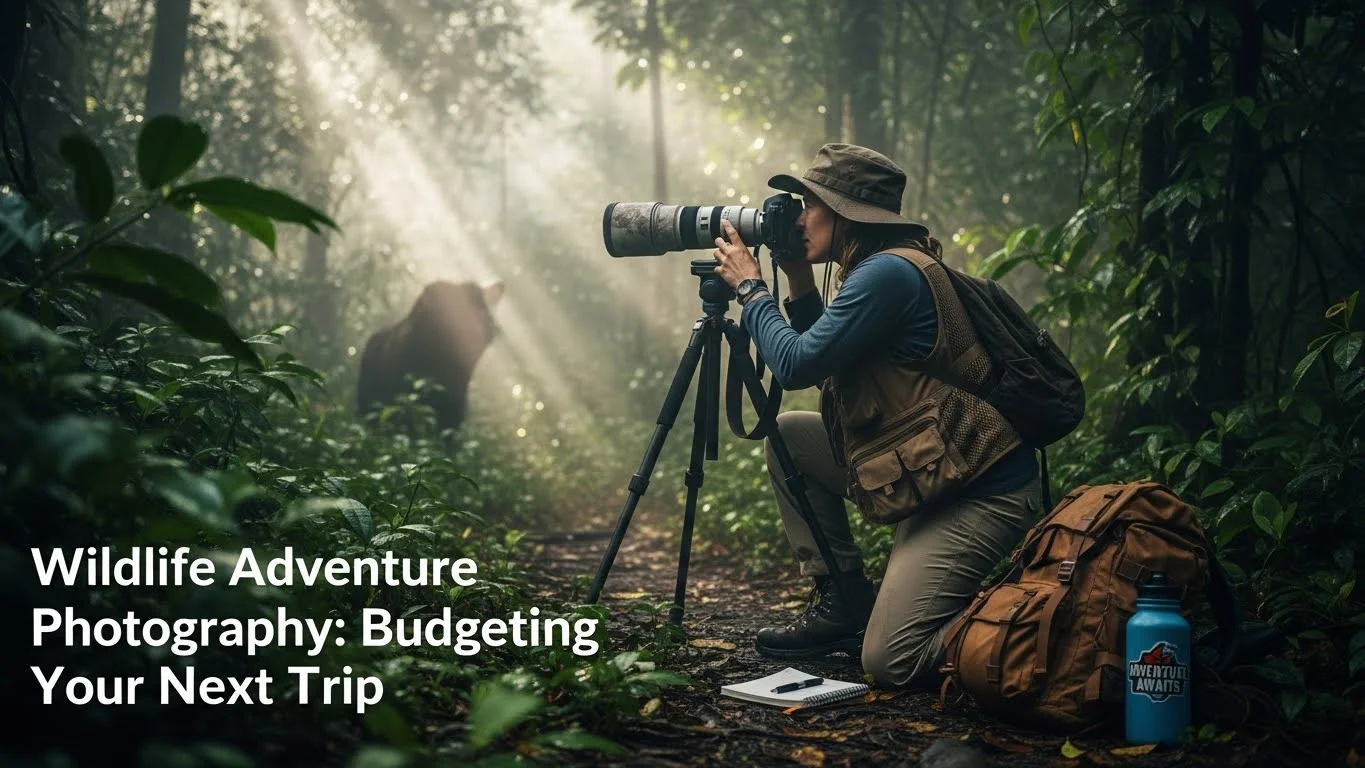
Wildlife adventure photography is more than just snapping images of animals in their natural habitat; it’s about immersing yourself in the wild and telling a story through your lens. I remember my first experience—standing at the edge of a serene lake as the sun began to rise, the mist hovering above the water, and a family of deer grazing nearby. That moment was magical, but it took planning and effort to get there. Wildlife photography captures the beauty of nature, the behavior of animals, and sometimes even the harsh realities they face. It’s an art form that allows us to appreciate wildlife and advocate for conservation.
The Importance of Planning and Budgeting
When I first ventured into wildlife photography, I underestimated the importance of planning and budgeting. I thought I could just grab my camera and head out into the wild. However, I quickly learned that without a solid plan, my adventure could become overwhelming and costly. Budgeting is essential for a successful trip; it ensures that you can focus on your photography rather than fretting about finances. By setting a budget, you can allocate funds for travel, accommodation, food, and any necessary permits. I found that mapping out my costs ahead of time allowed me to explore more freely, knowing I had everything covered.
One of the first steps in planning is determining the location. Some places are more accessible and affordable than others, especially for wildlife photography. I’ve discovered that national parks often provide stunning opportunities to capture wildlife while also having frameworks in place that support photographers. Researching potential locations can help you identify the best time of year to visit, which can significantly impact costs. For example, visiting during the off-peak season might lead to lower accommodation rates and fewer crowds, allowing for a more intimate photography experience.
Another aspect to consider is the specific wildlife you want to photograph. Some animals have preferred habitats, and knowing these can make a huge difference. I once spent a week in a national park specifically to photograph migratory birds during their breeding season. The planning paid off as I returned home with images that told a powerful story of their journey. By budgeting, I was able to factor in travel to different locations within the park to maximize my chances of capturing diverse wildlife.
I also learned that some areas require permits for photography, especially in protected regions or during special events. It can be easy to overlook these details while budgeting, but they can come at a cost. I’ve paid for permits in the past that allowed me access to restricted areas where I was able to photograph animals up close. It was worth every penny to get those unique shots. So, I recommend checking the regulations of your chosen location early in the planning process to include these fees in your budget.
As you start to think about your budget, consider how you’ll get to your destination. Flights, fuel, and local transportation can add up quickly. I’ve found that being flexible with travel dates and using flight comparison websites helped me find more affordable options. Sometimes, I’ve even discovered hidden gems within driving distance from my home that offered fantastic wildlife photography opportunities without the hassle and expense of flying.
Once I arrive at my destination, finding affordable accommodations can significantly impact my overall budget. I often choose camping or budget lodges if I’m in a national park. Not only do these options save money, but they also enhance the experience of being closer to nature. I remember camping under the stars in a remote area of a national park, falling asleep to the sounds of the wild. It was one of my best photography trips! Plus, being within the park’s boundaries means you can start shooting at sunrise and stay out until sunset without spending extra time commuting.
Food is another critical area to budget for. Eating out can quickly drain your funds, so I usually plan to pack some meals. I love cooking simple meals over a campfire, which not only saves money but also adds to the adventure. I encourage friends to join me; sharing meals and stories around the fire creates memorable experiences. Plus, I always pack some snacks for long days out in the field while I’m waiting for that perfect shot.
In addition to all these costs, I also think about my photography equipment. Investing in high-quality gear is vital for wildlife photography, but it doesn’t have to be excessively expensive. I’ve built my collection over time, focusing on versatile lenses and a sturdy tripod. It can be tempting to splurge on the latest gear, but I’ve learned to prioritize what I really need based on my photography style. If you’re just starting, consider renting equipment instead of buying it outright. This way, you can test different options without a long-term commitment. For more on gear, visit Essential Gear for Wildlife Safari Photography Adventures.
Lastly, I can’t stress enough the importance of insurance. Protecting your gear from damage or loss while traveling is crucial. I once had a lens break during a trip; thankfully, I had insurance that covered it. While it may seem like an additional expense, it’s a safety net that can save you a lot of money in the long run.
Key Locations for Wildlife Photography
National Parks and Wildlife Reserves
When I think of the best locations for wildlife photography, national parks and wildlife reserves immediately come to mind. They are often teeming with biodiversity and provide a protected environment for animals to thrive. I’ve had some of my most memorable experiences in places like Yellowstone National Park, where I could photograph bison roaming the plains and wolves in their natural habitat. The beauty of national parks is that they are not only picturesque but also equipped with visitor centers that offer guidance on the best spots for capturing wildlife. I recommend checking out park maps and talking to rangers; they can provide invaluable insights on where to find specific animals, especially during different times of the year.
Another remarkable wildlife reserve I visited was the Maasai Mara in Kenya. It’s known for the Great Migration, where thousands of wildebeests and zebras cross the plains. I remember being in a safari vehicle, surrounded by the sounds of nature, and witnessing this incredible spectacle up close. The natural lighting in these settings can be unpredictable, but that’s part of the adventure! National parks and wildlife reserves often offer guided tours, which can enhance your experience and help you spot those elusive animals that might otherwise go unnoticed.
Wildlife Sanctuaries Around the World
Wildlife sanctuaries are another fantastic option for photographers looking to capture the beauty of animals while also supporting conservation efforts. I’ve seen firsthand how sanctuaries provide safe havens for endangered species, and they often allow for close encounters that are hard to find in the wild. One of my favorites is the Giraffe Centre in Nairobi, where visitors can feed and photograph the endangered Rothschild giraffe. It’s thrilling to be so close to these gentle giants and to learn about the efforts being made to save them.
Visiting sanctuaries allows for unique photography opportunities since the animals are often more accustomed to human presence. I remember a trip to a sanctuary for orangutans in Borneo, where I had the chance to capture candid moments of them playing and interacting. The intimate setting not only made for great photos but also deepened my understanding of these incredible creatures and the challenges they face in the wild.
Best Countries for Wildlife Photography
As I’ve traveled more, I’ve started to identify countries that stand out for their wildlife photography potential. Countries like South Africa, Tanzania, and India have become some of my go-to destinations. In South Africa, the Kruger National Park is fantastic for spotting the Big Five—lions, leopards, elephants, rhinos, and buffalo. Having the chance to photograph these animals in their natural habitat was nothing short of exhilarating. I also loved the diverse landscapes, from savannahs to mountains, which provided stunning backdrops for my photos.
In Tanzania, I recommend visiting the Serengeti, especially during the calving season when baby animals are born. The energy and life in the air are palpable, and it’s an extraordinary time to capture not just the animals but also the dynamics of life in the wild. India, with its rich biodiversity, offers a different experience altogether. I had an unforgettable time photographing tigers in Ranthambore National Park—watching these magnificent creatures in their natural habitat was a dream come true.
Every country has its unique wildlife and ecosystems, so I encourage you to explore different regions. I’ve found that learning about local habitats and the specific animals that call them home can significantly enhance your photography experience. Each trip has taught me something new, and I believe it’s essential to immerse ourselves in the culture and environment of these places to tell better stories through our images. For budget tips, check out Capture the Wild: Budget Tips for Wildlife Adventure Photography.
Budgeting for Your Wildlife Adventure Photography Trip
Estimating Travel Costs
When I start planning my wildlife photography trips, estimating travel costs is always one of the first things I tackle. I’ve learned from experience that transportation can take a big chunk out of my budget. Whether it’s booking flights or figuring out how much gas I’ll need for a road trip, having a clear estimate helps me stay on track. For me, using a travel budget app has been a game changer. It allows me to input various travel expenses, and I can see where I might need to adjust. I remember a trip where I was able to save money by choosing to fly into a smaller airport nearby instead of a major hub. The savings on both flights and car rentals made it worth the extra drive!
Accommodation Options
Finding the right place to stay can really help manage my expenses. I’ve experimented with various options over the years, from luxury lodges to camping in the wild. Camping is often my go-to choice because it brings me closer to nature and allows for those early morning photography sessions without the hassle of long commutes. I also use websites that specialize in budget accommodations, which often feature hostels or guesthouses. I remember one particular trip where I discovered a charming little cabin that was affordable and had a porch overlooking a stunning view. It felt like the perfect home base for my photography adventures!
Food and Dining Expenses
Food can quickly add up while traveling, especially in more remote areas. I’ve found that planning my meals in advance not only saves money but can also be part of the fun! When I pack a cooler with sandwiches, fruits, and snacks, I feel prepared for long days out in the field. Cooking over a campfire is one of my favorite rituals; I still remember the satisfaction of grilling fresh vegetables and meat while sharing stories with fellow photographers under a blanket of stars. Plus, it means I’m not relying on pricey restaurant meals, which can be a budget-buster.
Permits and Fees for Wildlife Photography
It’s easy to overlook permits and fees when budgeting, but they can make a significant difference in the overall cost of a trip. Many national parks and wildlife reserves charge for entry, and some locations require additional photography permits. I once experienced this firsthand when I planned a trip to a well-known wildlife area and didn’t account for the photography permit fees. Thankfully, I had a bit of extra money set aside, but it taught me a lesson to always research these details ahead of time. I recommend checking the specific rules for each location to ensure you’re prepared and to factor these costs into your budget.
Equipment Costs
I’ve spent quite a bit on my photography gear over the years, but I’ve also learned how to manage equipment costs wisely. If you’re just starting, it’s easy to feel overwhelmed by the options available. I’ve found it helpful to rent high-end equipment for specific trips instead of buying everything outright. This way, I can test lenses or cameras that I might not use frequently enough to justify the purchase. I remember renting a telephoto lens for a trip to photograph elephants in Botswana, and it made all the difference in capturing those close-up shots! Over time, I’ve gradually invested in the gear that has proven essential for my style of photography.
Insurance Considerations
Insurance is another aspect I can’t stress enough when budgeting for a wildlife photography trip. Protecting my gear gives me peace of mind, especially when traveling to remote locations where repairs or replacements could be hard to come by. After experiencing a broken lens on a trip, I realized just how vital this was. I now budget for gear insurance as part of my overall travel expenses. It may seem like an added cost, but knowing that I have a safety net allows me to focus on my photography without worrying about what could go wrong. I recommend looking for insurance that specifically covers photography equipment, as it often provides the best protection for our valuable gear.
Tips for Reducing Costs While Traveling
Finding Affordable Flights
I’ve always found that flights can be one of the biggest expenses when planning any photography trip. Over the years, I’ve learned a few tricks to help reduce those costs. First, I recommend being flexible with your travel dates. If you can, try searching for flights on weekdays instead of weekends; I’ve found that flights tend to be cheaper then. Also, using flight comparison websites can help you find the best deals. I remember one trip where I saved a significant amount by booking a flight with a layover instead of a direct one. It took a little longer to get to my destination, but the savings were worth it!
Choosing Budget Accommodations
When it comes to accommodations, I’ve become quite the expert at scouting out budget-friendly options. I often look for hostels, guesthouses, or even shared accommodations through platforms like Airbnb. Sometimes, I’ve even connected with fellow photographers who are traveling to the same locations and shared a place to stay. It not only cuts costs but also makes for great camaraderie. I remember finding a cozy little inn during my travels in Costa Rica that offered not just affordable rates but also breakfast included. It was a lovely way to start my days before heading out for photography sessions.
Using Public Transportation
Public transportation can be a fantastic way to save money while traveling. I’ve utilized buses and trains in various countries, which not only helps me stick to my budget but also allows me to experience local culture more authentically. I remember traveling through Europe, where the train system was efficient and affordable. It was a fun adventure meeting locals and fellow travelers along the way. Plus, it enabled me to focus on my photography without the stress of navigating unfamiliar roads.
Meal Planning and Cooking Options
Food expenses can sneak up on you while traveling, especially if you’re eating out for every meal. I love planning my meals ahead of time and packing essentials to keep costs down. I often bring a portable stove and some basic cooking gear on my trips. Cooking outdoors can turn into a delightful experience. I’ll never forget the time I made pasta with fresh vegetables I picked up at a local market while camping in a national park. Sharing that meal with friends under the stars made it even more special!
Essential Gear for Wildlife Photography
Camera Equipment Recommendations
When it comes to wildlife photography, having the right gear can make all the difference. I’ve spent years refining my equipment choices. A good starting point is a DSLR or mirrorless camera, paired with a versatile zoom lens. For wildlife, I usually recommend lenses with at least 300mm of reach; this allows you to capture those distant subjects without disturbing them. I’ve invested in a quality telephoto lens that has become my go-to. It’s allowed me to get stunning shots of animals in their natural habitats without getting too close.
Accessories to Enhance Your Experience
In addition to my camera and lens, I’ve found a few accessories that really enhance my wildlife photography experience. A sturdy tripod is essential for stability, especially in low light conditions. I also carry a camera backpack that fits all my gear comfortably while keeping it protected from the elements. I’ve learned the hard way that having extra memory cards and batteries on hand can save a trip from being cut short. There’s nothing worse than running out of space or power while waiting for that perfect shot!
Protecting Your Gear in the Field
Protecting my gear while I’m out in the wild is something I take very seriously. I always make sure to have a weather-sealed camera bag for rainy conditions and use lens filters to shield my lenses from dust and scratches. I remember being caught in a sudden downpour during a shoot; my gear stayed dry and safe, allowing me to keep shooting. It’s crucial to think ahead and prepare for the unexpected so you can focus on your photography.
When to Plan Your Trip
Best Seasons for Wildlife Photography
Timing is everything in wildlife photography, and I’ve learned that different seasons bring unique opportunities. For instance, spring is often the best time for baby animals, while fall can be spectacular for migrations. I remember planning a trip to photograph autumn colors in New England while also capturing migratory birds. Being aware of the seasonal changes not only helps in planning but also in enhancing the stories I tell through my photos.
Understanding Animal Behavior and Migration Patterns
Understanding animal behavior and migration patterns is something I’ve found invaluable. Researching the animals I want to photograph has taught me when and where to find them. For example, I’ve learned that certain species are more active during dawn and dusk. I try to align my photography sessions during those times, which has led to some of my best shots. I also recommend using resources like local wildlife websites or guides to get insights into the best times to visit specific locations.
Preparing for Your Trip
Researching Wildlife and Locations
Before any trip, I dedicate time to researching both the wildlife I hope to photograph and the locations I’ll be visiting. I’ve found that understanding the local ecosystem goes a long way in improving my photography. Knowing what animals are in the area and their behaviors helps me anticipate their movements and position myself accordingly. I often look up blogs, documentaries, or books about the region to deepen my understanding.
Creating a Shooting Plan
Creating a shooting plan has become a staple in my preparation process. I map out locations within the area where I might find specific wildlife. I also think about the types of shots I want to capture, whether it’s action shots or close-up portraits. This plan helps me stay organized and focused during my shoot. I remember a trip where I planned my shots ahead of time, which allowed me to maximize my time in the field and capture the images I envisioned.
Local Laws and Regulations for Wildlife Photography
Understanding local laws and regulations is crucial. I make it a point to research any restrictions related to wildlife photography in my chosen location. Some parks have specific guidelines to protect wildlife, and it’s essential to respect those rules. I once encountered a situation where I didn’t realize a certain area was off-limits, and it was a reminder of the importance of staying informed. I recommend checking official park websites or reaching out to rangers for guidance.
Staying Safe During Your Adventure
Wildlife Safety Tips
Safety is paramount while engaging in wildlife photography. I always keep a respectful distance from animals to avoid disturbing them and to protect myself. I’ve learned to be aware of my surroundings, especially when photographing larger wildlife. Carrying bear spray in certain regions has given me peace of mind, and I recommend anyone heading into bear country do the same. It’s better to be prepared than to find yourself in a precarious situation.
Health and Safety Precautions
Health and safety precautions are also critical. I always pack a first aid kit and make sure to have any necessary medications on hand. I learned this lesson the hard way during a remote trip when I got a minor injury and had to rely on my limited supplies. Staying hydrated and bringing sunscreen are also important, especially when spending long days outdoors.
Emergency Contacts and Resources
Before heading out, I always make a list of emergency contacts and resources. I make sure to inform someone of my itinerary so they know where I’ll be. Having local emergency numbers saved in my phone is something I never overlook, as it can make a difference during a crisis.
Final Thoughts
Wildlife adventure photography is a rewarding pursuit that allows us to connect with nature and share its beauty with others. Through careful planning, budgeting, and preparation, we can create memorable experiences while capturing breathtaking images. I’ve learned that the journey is just as valuable as the photographs we take; each trip teaches us something new about wildlife, ourselves, and the world around us. So, gear up, embrace the adventure, and let your passion for wildlife photography lead the way!
Frequently Asked Questions
What is Wildlife Adventure Photography?
Wildlife adventure photography involves immersing oneself in nature and capturing the beauty of animals in their natural habitats. It goes beyond just taking pictures; it tells a story and advocates for conservation.
Why is planning and budgeting important for wildlife photography trips?
Planning and budgeting are crucial as they help ensure a successful trip by allowing you to allocate funds for travel, accommodation, food, and permits. It prevents the adventure from becoming overwhelming and costly, enabling you to focus on photography.
What are some key locations for wildlife photography?
National parks and wildlife reserves are prime locations for wildlife photography due to their biodiversity and protected environments. Popular spots include Yellowstone National Park and Maasai Mara in Kenya.
How can I estimate travel costs for my photography trip?
Estimating travel costs involves accounting for transportation expenses like flights or gas for road trips. Using a travel budget app can help track various expenses and make necessary adjustments.
What accommodation options are recommended for wildlife photography trips?
Affordable accommodations include camping, budget lodges, hostels, and guesthouses. Camping, in particular, allows for a closer connection to nature and facilitates early morning photography sessions.
What should I consider when budgeting for food during my trip?
Planning meals in advance can save money while traveling. Packing meals and cooking over a campfire adds to the adventure and keeps costs down, rather than relying on expensive restaurant meals.
Are permits necessary for wildlife photography, and how do I budget for them?
Yes, many national parks and wildlife reserves require permits for entry or photography. It’s important to research these fees ahead of time and include them in your budget to avoid unexpected costs.
What essential gear should I have for wildlife photography?
Essential gear includes a DSLR or mirrorless camera, versatile zoom lenses (preferably with at least 300mm reach), a sturdy tripod, extra memory cards, and batteries. Weather-sealed bags and lens filters are also recommended for protection.
When is the best time to plan a wildlife photography trip?
The best time depends on the wildlife you want to photograph and their seasonal behaviors. Spring is ideal for baby animals, while fall is great for migrations. Researching specific animal behaviors can enhance your photography experience.
What safety precautions should I take during wildlife photography adventures?
Always maintain a respectful distance from wildlife and be aware of your surroundings. Carrying bear spray in certain regions is advisable, and packing a first aid kit, staying hydrated, and having emergency contacts are essential for safety.