
Wildlife conservation travel offers a unique opportunity to explore the natural world while supporting efforts to protect it. Get ready for eco-friendly adventures that not only inspire but also help sustain the planet’s precious ecosystems. To dive deeper into budget options, check out Budget Backpacking: Wildlife Conservation Travel on a Dime.
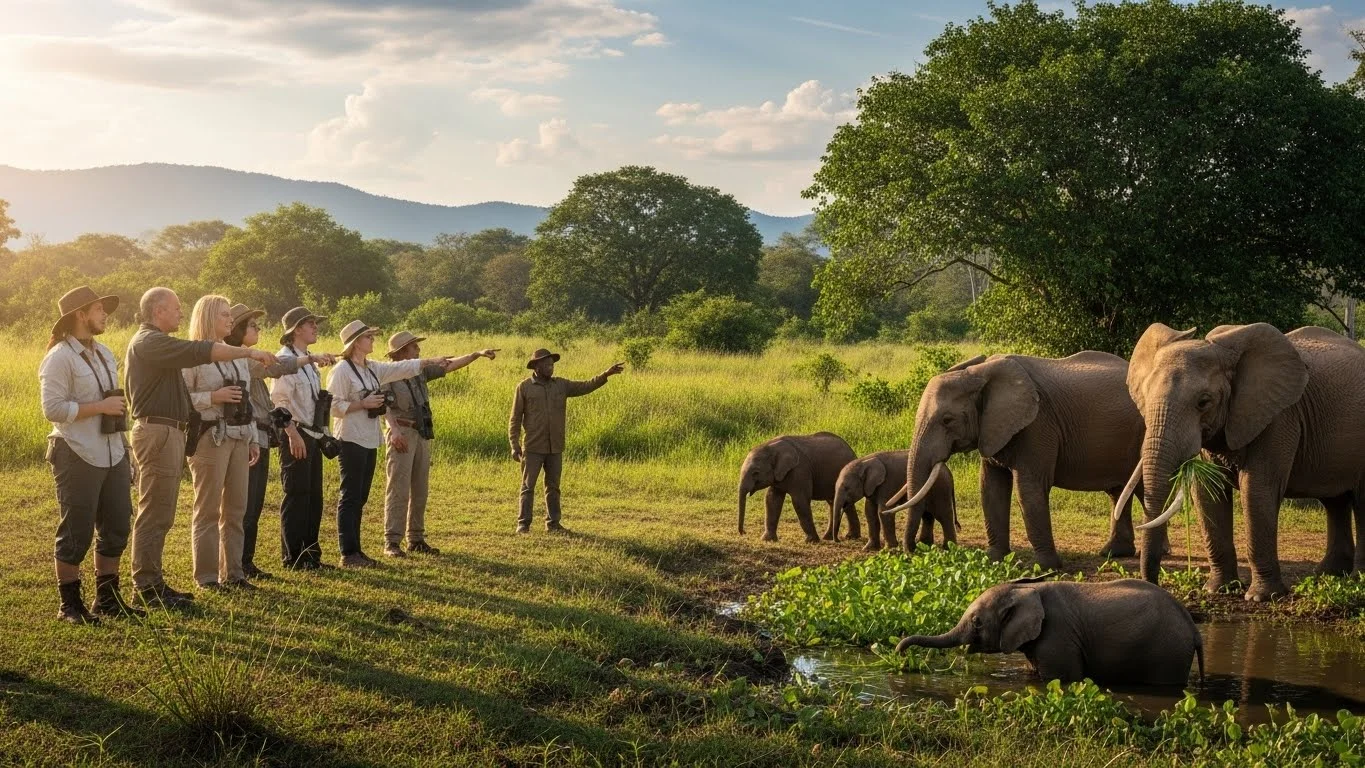
Understanding Wildlife Conservation Travel
What is Wildlife Conservation Travel?
Wildlife conservation travel is more than just a trip; it’s a commitment to experiencing nature in a way that respects and preserves it. I remember the first time I set out on such a journey. It wasn’t just about seeing exotic animals or breathtaking landscapes; it was about understanding my place in the larger web of life. This type of travel combines adventure with a mission: to support conservation efforts and learn about the delicate ecosystems that sustain wildlife. Whether it’s through eco-tours, wildlife safaris, or even volunteering, conservation travel allows us to engage with nature meaningfully.
The Importance of Eco-Friendly Adventures
In my opinion, eco-friendly adventures are essential for several reasons. First, they raise awareness about environmental issues and the critical need to protect endangered species. As I traveled to various conservation sites, I realized how much we can learn from local guides who are passionate about preserving their natural heritage. These experiences changed my perspective on travel, making me more mindful of my impact on the environment.
Secondly, eco-friendly adventures help local communities. Many destinations rely on tourism to support their economies, so when we choose to travel responsibly, we contribute directly to those who are dedicated to protecting wildlife. I’ve seen firsthand how a single visit can provide funding for schools, health care, and conservation projects. It’s heartwarming to know that my travels can make a difference.
Lastly, these adventures promote sustainable practices. During one of my trips, I was amazed by how eco-lodges operate. They use renewable energy, recycle waste, and often grow their own food. Staying at such places not only reduces my carbon footprint but also supports businesses that prioritize the environment. I believe that every little choice we make while traveling can lead to a larger impact on conservation efforts.
Top Destinations for Wildlife Conservation Travel
Africa
Africa is often the first destination that comes to mind for wildlife conservation travel. The vast landscapes and rich biodiversity make it a paradise for animal lovers. I vividly remember my safari experience in Tanzania, where I saw the Great Migration unfold across the Serengeti. The sight of thousands of wildebeests and zebras crossing the plains was awe-inspiring, and knowing that my visit helped fund local conservation efforts made it even more special.
The Serengeti National Park
The Serengeti National Park is a UNESCO World Heritage Site renowned for its incredible wildlife. Here, you can witness the incredible migration of wildebeests and zebras, as well as the predators that follow them. I felt like I was in a real-life documentary, surrounded by such raw beauty. The park’s commitment to conservation is evident in its well-managed tour programs, where a portion of the proceeds goes directly to protecting the wildlife and their habitats.
Kruger National Park
Another must-visit destination is Kruger National Park in South Africa. I spent days exploring its diverse ecosystems, from savannas to dense bushveld. The park is home to the Big Five—lions, leopards, elephants, rhinos, and buffalos—which I was fortunate enough to see on multiple occasions. Kruger offers various eco-friendly lodges that focus on sustainability and conservation, making it an ideal choice for responsible travelers. For more information on the best wildlife conservation spots, check out Explore Sustainable Travel: Best Wildlife Conservation Spots.
Asia
Asia also has its share of breathtaking wildlife experiences. When I visited Borneo, I was overwhelmed by the lush rainforests teeming with unique species. The biodiversity was incredible, from orangutans swinging through the trees to proboscis monkeys leaping from branch to branch. I found that many tours in Borneo emphasize conservation, allowing visitors to contribute to local wildlife rescue efforts.
Borneo Rainforest
The Borneo Rainforest is one of the oldest rainforests in the world and a critical habitat for endangered species. I participated in a guided eco-tour that educated me about the rainforest’s unique ecology and the threats it faces, such as deforestation. I felt proud knowing that the tour fees directly supported local conservation projects focused on protecting wildlife and their habitats.
Ranthambore National Park
In India, Ranthambore National Park offers a unique opportunity to see tigers in their natural habitat. I was lucky enough to join a jeep safari that took us deep into the park. The thrill of spotting a tiger lounging by a waterhole is hard to describe. The park’s conservation initiatives also work to protect other species and their habitats, making it a vital destination for those passionate about wildlife conservation.
South America
South America is another incredible region for wildlife conservation travel, especially the Amazon Rainforest. I remember the moment I first stepped into the jungle; the sheer diversity of life around me was breathtaking. From vibrant birds to exotic plants, every corner of the Amazon is filled with wonders. Many eco-lodges in the area focus on sustainable tourism and conservation efforts, making it easier for travelers like me to make a positive impact.
The Amazon Rainforest
The Amazon is crucial for our planet’s health, absorbing carbon dioxide and producing oxygen. While traveling there, I learned about deforestation’s impact and how eco-tourism can help combat it. Participating in local conservation projects was one of the most rewarding experiences of my life, as I felt connected to a cause larger than myself.
Galápagos Islands
The Galápagos Islands are another gem for wildlife enthusiasts. Known for their unique species that inspired Charles Darwin’s theory of evolution, these islands offer an unparalleled opportunity to see animals that exist nowhere else on earth. I found that many tours prioritize conservation education, helping visitors understand the importance of protecting these fragile ecosystems. For those looking for a comprehensive list, check out Top 10 Wildlife Conservation Destinations for Eco-Friendly Travelers.
Activities and Experiences in Wildlife Conservation Travel
Wildlife Safaris
One of the most exhilarating activities I’ve experienced in wildlife conservation travel is going on a wildlife safari. The adrenaline rush of spotting animals in their natural habitats is unlike anything else. I remember my first safari in Kenya, and how the excitement bubbled within me as we drove through the savannah. Every rustle in the grass had me on the edge of my seat, hoping it would reveal a lion or a herd of elephants. Safaris are designed not only for adventure but also to educate us about the importance of preserving these magnificent creatures and their habitats. In many cases, the fees from safari tours are reinvested into conservation projects, which makes the experience even more rewarding.
Volunteer Opportunities
Volunteering while traveling has been one of the most fulfilling choices I’ve made. Many conservation programs offer chances to work on the ground with wildlife in need. I took part in a sea turtle conservation project in Costa Rica, where I helped patrol beaches for nesting turtles and protected their eggs from poachers. Not only did I learn about the challenges these turtles face, but I also felt a genuine connection to the work we were doing. It was inspiring to see how a group of volunteers could come together to make a real difference in the lives of endangered species. Plus, the friendships I made with fellow volunteers made the experience even more memorable.
Eco-Tours and Guided Nature Walks
Eco-tours and guided nature walks offer another fantastic way to experience wildlife conservation travel. I’ve had the pleasure of joining several eco-tours that focus on educating travelers about local ecosystems and their inhabitants. During one of my trips to the Amazon, I went on a guided nature walk through the rainforest. Our guide, a local expert, shared incredible insights about the flora and fauna we encountered, explaining how each species plays a role in the ecosystem. I learned about the medicinal plants used by indigenous people and the importance of biodiversity. These tours often emphasize conservation and sustainable practices, making them a perfect fit for eco-conscious travelers.
Marine Conservation Programs
For those who love the ocean, marine conservation programs present an exciting opportunity to engage with marine life while promoting their protection. I had the chance to participate in a coral reef restoration project in the Caribbean, where we worked to transplant coral fragments onto damaged reefs. The idea of actively helping to restore such vital ecosystems was incredibly fulfilling. Not only did I gain hands-on experience in marine biology, but I also learned about the significant threats facing coral reefs, such as climate change and pollution. Programs like these often rely on volunteers to help with their initiatives, so it’s a way to immerse myself in both learning and action.
Planning Your Wildlife Conservation Travel
Best Time to Visit
Timing is everything when it comes to wildlife conservation travel. I’ve realized that each destination has its peak seasons, which can greatly affect the experience. For instance, in Africa, the dry season is ideal for wildlife viewing as animals congregate around water sources. I found that visiting during these months offered me the best chance to see diverse wildlife. On the other hand, if you’re interested in witnessing animal migrations, like the Great Migration in the Serengeti, planning your trip around this event can be awe-inspiring. Researching the best times to visit your chosen destination will enhance your overall experience.
Choosing Eco-Friendly Accommodations
When planning my travels, I prioritize eco-friendly accommodations. Staying at lodges or camps that support conservation efforts makes a big difference. I’ve seen places that utilize solar energy, practice water conservation, and support local communities through employment and sourcing local products. For example, during my stay in an eco-lodge in Costa Rica, I was impressed by their commitment to sustainability and their focus on minimizing environmental impact. I encourage others to look for accommodations that align with eco-friendly principles, as it not only enhances the travel experience but also contributes to conservation.
Transportation Options for Eco-Friendly Travel
Transportation is another key aspect to consider. I’ve found that choosing trains or buses over flights can significantly reduce my carbon footprint. When I traveled through Europe, I relied on the extensive train network, which not only allowed me to see more of the countryside but also contributed to lower emissions. Additionally, many wildlife conservation destinations offer eco-friendly transportation options like electric vehicles or bicycles for exploring the area. I believe that being mindful of how we get around can complement our efforts in conservation travel.
Health and Safety Considerations
Before traveling, I always make sure to consider health and safety. Vaccinations, travel insurance, and knowing about local health conditions are crucial. For instance, when I went to the Amazon rainforest, I learned about the importance of vaccinations against diseases like yellow fever and took precautions against mosquito bites. It’s essential to be prepared, especially in remote areas. I also recommend researching any safety advisories for the region before you go. By being proactive, I felt more at ease during my travels, allowing me to fully immerse myself in the experience.
Supporting Local Communities through Wildlife Conservation
The Role of Eco-Tourism in Conservation
Eco-tourism plays a pivotal role in wildlife conservation, and I’ve come to see it as a powerful tool for positive change. When we travel to places that prioritize eco-friendly practices, we contribute to initiatives that protect the environment and wildlife. During my travels, I’ve witnessed how eco-tourism fosters a sense of stewardship among local communities. For instance, in Costa Rica, many local tours are designed to educate visitors about the importance of conserving biodiversity. I remember joining a workshop where local farmers shared how they transitioned to sustainable farming practices. It was inspiring to see how eco-tourism not only raises awareness but also empowers communities to take an active role in preserving their natural resources.
How to Contribute to Local Economies
One of the most rewarding aspects of wildlife conservation travel is the opportunity to support local economies directly. I’ve learned that choosing locally-owned accommodations, dining at local restaurants, and purchasing handmade crafts can significantly impact the livelihoods of residents. On my trip to the Galápagos Islands, I made it a point to engage with local artisans. I bought a beautiful piece of jewelry crafted from recycled materials that not only supported the artist but also highlighted the importance of sustainability. Knowing that my spending contributed to the local economy made my purchases feel more meaningful.
Additionally, I’ve realized that many eco-tours and wildlife experiences are designed to funnel proceeds back into local conservation projects. For example, while on a safari in South Africa, I learned that a portion of our tour fees went directly to anti-poaching initiatives. It’s empowering to know that my travels can help fund efforts that protect wildlife for future generations.
Engaging with Indigenous Cultures
Connecting with indigenous cultures during wildlife conservation travels has been one of the most enriching experiences for me. These communities often hold deep knowledge about their local ecosystems and have been stewards of the land for generations. I remember visiting a village in the Amazon where the locals shared their traditions, stories, and sustainable practices. They emphasized the importance of living in harmony with nature, a lesson that resonated with me. Engaging with indigenous cultures not only provides insight into their way of life but also highlights the critical role they play in conservation.
When I traveled to Borneo, I had the privilege of participating in a cultural exchange with the indigenous Dayak people. We learned about their sustainable farming techniques and how they protect their forests. This experience opened my eyes to the interconnectedness of culture and conservation. I believe that by supporting indigenous communities and respecting their knowledge, we can create a more sustainable future for both people and wildlife.
Tips for Responsible Wildlife Viewing
Ethical Wildlife Encounters
Having ethical wildlife encounters is fundamental to wildlife conservation travel. I’ve often found myself in awe of animals in their natural habitats, but I’ve also learned that respecting their space is crucial. For instance, during my safari in Kruger National Park, I was reminded of the importance of keeping a safe distance from wildlife. Our guide emphasized that approaching animals too closely can cause them stress and disrupt their natural behaviors. I think it’s essential to follow guidelines and listen to expert advice to ensure our interactions do not negatively impact the animals.
Staying Safe While Observing Wildlife
Staying safe while observing wildlife is another key consideration. I remember feeling a rush of excitement while on a night safari, but our guide reminded us to stay in the vehicle for our safety, as approaching wild animals can be dangerous. Every destination has its own set of safety guidelines, and I always make it a point to familiarize myself with them. I’ve learned that being cautious and aware not only protects us but also allows wildlife to thrive without unnecessary disturbances.
Leave No Trace Principles
Adopting Leave No Trace principles has become a mantra for my travels. I’ve made it a personal commitment to leave the environment as I found it. This means packing out what I bring in, staying on marked trails, and avoiding any actions that could harm wildlife. I remember hiking in a national park and being struck by the beauty surrounding me. I made sure to take only photographs and leave behind no trace of my visit. It’s a small effort that we can all make, but it can significantly impact preserving these incredible ecosystems for future travelers.
Frequently Asked Questions
What is Wildlife Conservation Travel?
Wildlife conservation travel is a commitment to experiencing nature in a way that respects and preserves it. It combines adventure with a mission to support conservation efforts and learn about the ecosystems that sustain wildlife.
Why are eco-friendly adventures important?
Eco-friendly adventures raise awareness about environmental issues, help local communities by supporting their economies through responsible tourism, and promote sustainable practices that reduce our carbon footprint.
What are some top destinations for Wildlife Conservation Travel?
Some top destinations include Africa, particularly the Serengeti National Park and Kruger National Park; Asia, such as Borneo and Ranthambore National Park; and South America, including the Amazon Rainforest and the Galápagos Islands.
What activities can one participate in during Wildlife Conservation Travel?
Activities include wildlife safaris, volunteer opportunities, eco-tours, guided nature walks, and marine conservation programs, each aimed at promoting education and engagement with wildlife while supporting conservation efforts.
When is the best time to visit for Wildlife Conservation Travel?
The best time to visit varies by destination; for example, the dry season in Africa is ideal for wildlife viewing, and planning around events like the Great Migration in the Serengeti can enhance the experience.
How can travelers choose eco-friendly accommodations?
Travelers can prioritize eco-friendly accommodations by selecting lodges or camps that utilize renewable energy, practice water conservation, and support local communities through employment and sourcing local products.
What transportation options are recommended for eco-friendly travel?
Travelers are encouraged to choose trains or buses over flights to reduce their carbon footprint, and many wildlife conservation destinations offer eco-friendly transportation options like electric vehicles or bicycles.
How can wildlife conservation travel support local communities?
Wildlife conservation travel supports local communities by choosing locally-owned accommodations, dining at local restaurants, and purchasing handmade crafts, which contributes directly to the local economy and conservation projects.
What are the ethical considerations for wildlife encounters?
Ethical wildlife encounters involve respecting animals’ space by keeping a safe distance and following guidelines to avoid causing them stress or disrupting their natural behaviors.
What are the Leave No Trace principles?
Leave No Trace principles involve minimizing environmental impact by packing out what you bring in, staying on marked trails, and avoiding actions that could harm wildlife, ensuring that nature remains preserved for future visitors.