
Planning a wildlife safari is thrilling, yet choosing the right gear can be overwhelming. Let’s break it down so you know exactly what you need for an unforgettable adventure in the wild. Read Interesting article: Top 10 Must-Have Gear for Your Wildlife Safari Adventure
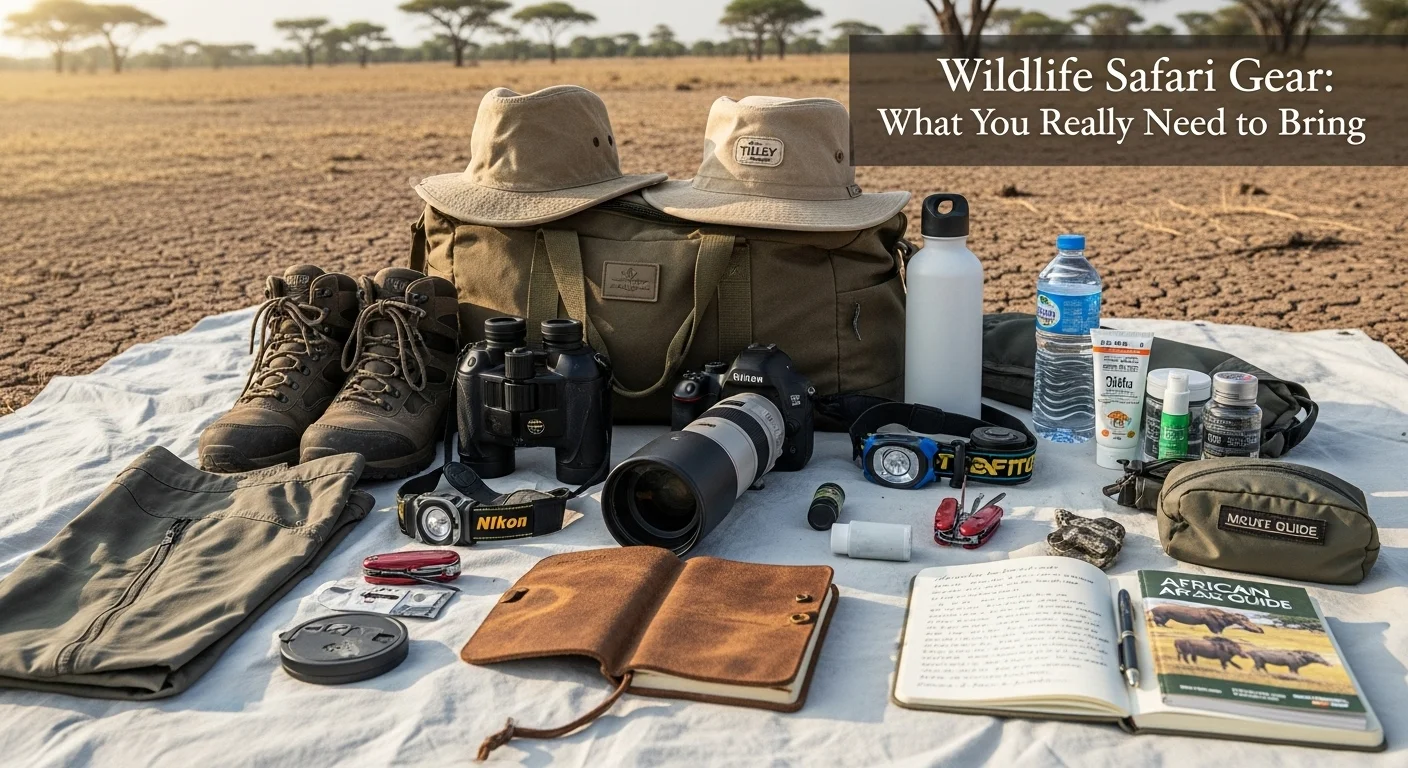
Essential Wildlife Safari Gear Overview
What is a Wildlife Safari?
A wildlife safari is more than just a trip; it’s an opportunity to immerse yourself in nature and witness animals in their natural habitat. I remember my first safari vividly—the excitement of spotting elephants, lions, and giraffes roaming freely was exhilarating. Safaris can take place in various environments, from savannahs and jungles to wetlands and deserts. Each offers unique wildlife experiences and breathtaking landscapes. It’s a journey that often ignites a passion for wildlife conservation and appreciation for our planet’s diverse ecosystems.
Understanding the Different Types of Safaris
There are numerous types of safaris to choose from, depending on your interests and the experience you seek. Some popular options include:
- Game Drive Safaris: These are the classic safari experiences, where you explore the wild in a 4×4 vehicle, often guided by experts.
- Walking Safaris: If you’re after a more intimate experience, walking safaris allow you to get up close with nature, guided by knowledgeable rangers.
- Boat Safaris: Gliding through waterways offers a different perspective to view wildlife, especially for birdwatching and spotting hippos or crocodiles.
- Camping Safaris: For those who seek adventure, camping safaris let you sleep under the stars and immerse yourself fully in the wilderness.
Understanding the type of safari you’re interested in greatly influences the gear you’ll need to bring along. Each offers different challenges and experiences that require a tailored approach to packing. Essential Safari Equipment: Your Ultimate Packing List
Why Proper Gear is Crucial for Safari Experiences
When it comes to a wildlife safari, proper gear isn’t just about comfort; it’s about safety and enhancing your experience. I learned this the hard way on my first trip when I realized how unprepared I was for the elements. The right clothing can protect against sunburn, insect bites, and unexpected weather changes. Good quality binoculars can mean the difference between seeing a distant lion lounging in the grass or just a blur in the horizon. And trust me, there’s nothing worse than being uncomfortable while trying to enjoy a spectacular sunset over the savannah. It can turn a memorable experience into a frustrating one.
Also, having the right gear can make your safari more enjoyable. I found that having a lightweight daypack made it easy to carry essentials like water and snacks while keeping my hands free for taking photos. In my experience, the better prepared you are, the more you can focus on the wonders around you rather than worrying about discomfort or missing out on precious moments. The Best Affordable Safari Gear for Budget Travelers
Clothing Essentials for Safaris
Lightweight and Breathable Fabrics
When I think about clothing for a safari, lightweight and breathable fabrics are at the top of my list. The weather can vary greatly depending on the time of day and location. I remember spending my mornings in a chilly vehicle, bundled up, only to be sweltering by afternoon. Fabrics like cotton, linen, and moisture-wicking materials are fantastic choices. They keep you cool during the heat of the day and warm when temperatures drop after sunset. I’ve found that quick-dry fabrics are especially helpful because, let’s face it, you never know when a sudden rain shower might hit!
Neutral Colors: Why They Matter
Wearing neutral colors is another crucial aspect I’ve learned from my experiences. Bright and flashy colors can startle wildlife and ruin your chances of getting up close for a great view. I remember a time when a bright red shirt caught the eye of a herd of gazelles, and they bolted before we could even blink! Earth tones like khaki, brown, and green help you blend into the environment and remain unobtrusive. It’s all about creating a respectful experience for both you and the wildlife.
Layering for Changing Weather Conditions
Layering is essential for a successful safari. I’ve seen temperatures swing from chilly mornings to hot afternoons, and layering allows you to adapt. A lightweight base layer, a long-sleeved shirt for sun protection, and a warm fleece or jacket for the evening can keep you comfortable throughout the day. I always pack a light, packable rain jacket as well, just in case! I learned the hard way that being wet and cold can quickly turn an exciting adventure into a miserable one.
Footwear: Choosing the Right Safari Boots
Footwear is another critical consideration. A good pair of sturdy, comfortable boots can make all the difference. I once wore sneakers on a walking safari and regretted it as my feet started to ache after just a couple of hours. I recommend investing in a pair of waterproof boots with good ankle support. They not only protect your feet from the rugged terrain but also help you navigate through muddy paths or unexpected puddles.
Accessories: Hats, Sunglasses, and Scarves
Lastly, don’t forget accessories that provide comfort and protection! A wide-brimmed hat can shield you from the sun, while a good pair of polarized sunglasses protects your eyes from glare. I always carry a lightweight scarf; it’s incredibly versatile. I’ve used it as a head cover, a face mask against dust, and even a makeshift sunshade when needed. These little items add up to make your safari more enjoyable and safe.
Camping and Sleeping Gear
Choosing the Right Tent for Safari Camping
When I went on my first camping safari, I quickly learned how crucial it is to have the right tent. I remember standing in the camping supply store, overwhelmed by the options. After some research and advice from experienced campers, I settled on a lightweight, easy-to-pitch tent that could withstand the elements. I recommend looking for a tent with good ventilation, as it can get humid at night, especially in warmer climates. You’ll want something spacious enough for your gear but also compact enough for easy transport.
Another tip I learned is to consider the season and location of your safari. Some tents are designed for three-season use, which means they can handle everything from warm summers to mild winters, while others might be more suited for summer-only adventures. If you’re heading to an area known for rain, look for a tent with a rain fly for extra protection. I’ve found that a well-chosen tent can transform your camping experience from uncomfortable to cozy, allowing you to enjoy the sounds of the wild from the comfort of your sleeping bag.
Sleeping Bags and Sleeping Pads
Getting a good night’s sleep is essential when you’re out in the wild, and that’s where your sleeping bag and pad come into play. I made the mistake of bringing a too-thin sleeping bag on my first trip, thinking I wouldn’t need much warmth. It got pretty chilly at night, and I woke up feeling like a popsicle! Now, I always choose a sleeping bag rated for the lowest temperatures I might encounter. Look for bags that are lightweight yet provide adequate insulation.
As for sleeping pads, they’re a game-changer for comfort. I’ve used both inflatable and foam pads, and I personally prefer inflatable ones because they offer more cushioning and can pack down small. A good sleeping pad not only provides comfort but also insulation from the cold ground, which I learned is essential for a restful night under the stars. If you can, test the sleeping bag and pad at home before your trip to ensure you’re comfortable with your choices.
Portable Camping Furniture
Let’s talk about comfort around the campfire. I used to think camping meant sitting on the ground, but my experience taught me the value of portable camping furniture. A good camping chair can make a huge difference after a long day of exploring. I remember sitting on a hard log one evening, wishing I had brought a lightweight chair! Now, I always pack a compact folding chair that’s easy to carry but provides solid support.
Additionally, consider a small camping table if you plan on cooking or having meals at your campsite. It can serve as a great spot for group dinners or even a place for playing cards under the stars. I’ve found that having a few comforts helps me relax and enjoy the overall experience much more. Camping isn’t just about roughing it; it’s about enjoying nature while still having some of the conveniences that make life enjoyable!
Photography Gear for Wildlife Safaris
Choosing the Best Camera for Wildlife Photography
Photography is one of the most rewarding parts of a wildlife safari, and selecting the right camera can be quite the adventure itself. I’ve experimented with various types of cameras, from DSLRs to mirrorless ones, and I’ve found that the best camera for wildlife photography is one that you’re comfortable using and meets your needs. If you’re serious about capturing high-quality images, consider investing in a camera with a good autofocus system and fast shutter speed. I remember missing some incredible shots because my camera couldn’t keep up with the action!
Don’t forget about portability, especially if you’ll be moving around a lot. I learned to pack a smaller camera body with a versatile lens, which allows me to capture both wide landscapes and close-up wildlife shots without carrying a heavy load. If you’re using a smartphone, make sure to have a lens attachment for better zoom capabilities. The goal is to have a camera that enables you to capture those breathtaking moments without becoming a burden on your safari.
Essential Lenses for Safari Photography
The choice of lens can make or break your wildlife photography experience. I’ve found that having a telephoto lens is indispensable for capturing animals at a distance without disturbing them. A lens with a focal length of 200mm or more is usually ideal. I remember the thrill of getting a stunning shot of a cheetah through my 300mm lens; it felt like I was right there in the moment without intruding.
If you have the option, consider bringing a wide-angle lens too. It allows you to capture the vastness of the landscapes, which is just as important as the wildlife itself. I often switch between lenses during a safari, so I recommend practicing this before your trip. The more prepared you are, the easier it will be to adapt to the changing scenes before you.
Tripods and Stabilizers: Do You Need Them?
Using a tripod can be a double-edged sword on a safari. While it can help stabilize your shots, I learned that it can also be cumbersome in the field. I’ve seen photographers struggle with tripods while trying to capture fast-moving wildlife. My advice is to bring a lightweight, compact tripod if you plan on shooting in low-light conditions or capturing long-exposure shots of landscapes. A monopod is another great alternative if you want something easier to maneuver while still providing some stability.
Camera Accessories: Batteries, Memory Cards, and More
When you’re out in the wild, you don’t want to be caught without the essentials! I’ve made the mistake of underestimating how many memory cards I’d need on a safari. I recommend bringing several high-capacity cards to avoid running out of storage space during those magical moments. Additionally, consider packing extra batteries; wildlife photography can drain your battery quickly, especially if you’re using a lot of zoom or continuous shooting modes. I always keep my batteries in a protective case to prevent damage during travel.
Other accessories like lens cleaning kits and protective camera bags are essential for keeping your gear safe and in good condition. The last thing you want is dust or moisture damaging your equipment while you’re trying to capture stunning images. Remember, being well-prepared makes all the difference in enjoying your safari adventure!
Binoculars and Spotting Scopes
Why Binoculars are a Must-Have
On my first safari trip, I quickly realized how essential binoculars are for spotting wildlife. There’s something magical about being able to see animals up close, even from a distance. I remember squinting my eyes, trying to make out the shape of animals through the brush. It was frustrating! Once I got my hands on a good pair of binoculars, my experience changed dramatically. I could clearly see the details of a lion’s mane or the spots on a leopard without disturbing them. Binoculars help you immerse yourself in the experience, allowing you to appreciate the beauty of nature without getting too close, which is crucial for both your safety and the animals’ well-being.
Choosing the Right Magnification and Size
When it comes to selecting binoculars, I’ve learned that magnification and size matter. I found that 8×42 or 10×42 binoculars strike a perfect balance between magnification and field of view. The numbers refer to the magnification power and the diameter of the objective lens in millimeters, respectively. I’ve personally used both configurations, and I prefer the 10×42 for its clarity without compromising the ability to scan a wide area. Lightweight and compact options are also essential, especially since I often carry them in my daypack. You want something that won’t weigh you down but still delivers a high-quality viewing experience. Just remember to try them out before your trip to ensure they fit comfortably in your hands!
Spotting Scopes for Serious Wildlife Observers
If you’re serious about wildlife observation, investing in a spotting scope can take your experience to the next level. I was hesitant at first, thinking binoculars would suffice, but after using a spotting scope, I understood the difference. They provide much higher magnification and clearer images, especially in low light. I’ve witnessed breathtaking moments like a herd of elephants bathing at dusk, and the clarity was simply incredible. Spotting scopes are typically heavier and bulkier than binoculars, so I only recommend them if you plan on staying in one spot for a while, like at a waterhole or a known animal crossing.
Make sure to choose a scope with a sturdy tripod to prevent shakiness during use. I once tried to hold a scope steady with my hands, and it was nearly impossible! A good quality tripod can make a world of difference, allowing you to sit back, relax, and just enjoy the view.
Safety and Health Gear
First Aid Kits: What to Include
Health and safety should always be a priority when planning a safari. I learned the importance of a well-stocked first aid kit on my second trip when a friend twisted her ankle during a hike. I was grateful for the basic supplies I had packed, but I realized I could have done better. I recommend including adhesive bandages, antiseptic wipes, pain relievers, and any personal medications. Don’t forget to add items like insect bite cream and antihistamines, as well as a few blister pads. I always carry a small first aid manual too, just in case I need guidance in a pinch.
Insect Repellent and Sunscreen
On my first safari, I underestimated the power of the sun and the prevalence of insects. I remember getting back to camp, only to find myself covered in mosquito bites! Now, I always pack a high-SPF sunscreen and a strong insect repellent. I’ve found that repellent with DEET works best, but there are also natural options if you prefer something less chemical. Just make sure to apply it regularly, especially if you’re sweating or swimming. Sunburn and bug bites can quickly turn a dream safari into a nightmare!
Essential Medications and Vaccinations
Before heading out, I always check with my healthcare provider about necessary vaccinations and medications. Depending on where you’re going, certain vaccines may be recommended for diseases like yellow fever or hepatitis A. I remember getting my vaccinations before my first trip and felt much more secure knowing I was protected. Additionally, if you’re prone to motion sickness, consider packing medication just in case. A bumpy ride through the wilderness can be exhilarating but also a bit rough on the stomach.
Safari-Safe Water Bottles and Purification Systems
Staying hydrated is crucial, especially when you’re out in the heat for long periods. On my first safari, I learned the hard way that not all water sources are safe. I now always pack a durable, reusable water bottle. I prefer ones with built-in filters or purification systems, as they allow me to refill from natural sources without worry. Investing in a good purification system can keep you healthy while still enjoying the great outdoors. Remember, staying hydrated helps you make the most of your adventure!
Frequently Asked Questions
What is a wildlife safari?
A wildlife safari is an opportunity to immerse yourself in nature and witness animals in their natural habitat. Safaris can occur in various environments, including savannahs, jungles, wetlands, and deserts, and often ignite a passion for wildlife conservation.
What types of safaris are available?
Some popular types of safaris include game drive safaris, walking safaris, boat safaris, and camping safaris. Each type offers different experiences and challenges, influencing the gear you’ll need to bring.
Why is proper gear essential for a safari?
Proper gear is crucial for comfort, safety, and enhancing your experience. The right clothing protects against sunburn, insect bites, and weather changes, while quality binoculars help in spotting wildlife. Being well-prepared allows you to focus on enjoying the adventure.
What clothing essentials should I pack for a safari?
When packing for a safari, opt for lightweight and breathable fabrics, neutral colors to avoid startling wildlife, and layers to adapt to changing weather conditions. Good footwear, such as sturdy boots, is also essential for comfort.
What type of tent should I choose for camping on safari?
Choose a lightweight, easy-to-pitch tent with good ventilation and sufficient space for your gear. Consider the season and location of your safari to select a tent suitable for the conditions you might encounter.
What photography gear is recommended for wildlife safaris?
For wildlife photography, a camera with a good autofocus system and fast shutter speed is ideal. A telephoto lens is crucial for capturing distant animals, and having several memory cards and extra batteries is essential to ensure you don’t miss any moments.
Why are binoculars important on a safari?
Binoculars are essential for spotting wildlife from a distance, allowing you to appreciate the details of animals without disturbing them. They enhance your overall experience by immersing you in the beauty of nature.
What should I include in my first aid kit for a safari?
Your first aid kit should include adhesive bandages, antiseptic wipes, pain relievers, insect bite cream, antihistamines, and personal medications. It’s also helpful to have a small first aid manual for guidance.
How can I stay protected from insects and the sun while on safari?
Always pack a high-SPF sunscreen and a strong insect repellent, ideally one containing DEET. Regular application is crucial, especially if you’re sweating or swimming, to avoid sunburn and insect bites.
What are the best options for staying hydrated on safari?
Invest in a durable, reusable water bottle, preferably with a built-in filter or purification system. This allows you to refill from natural sources safely while ensuring you stay hydrated during your adventure.