
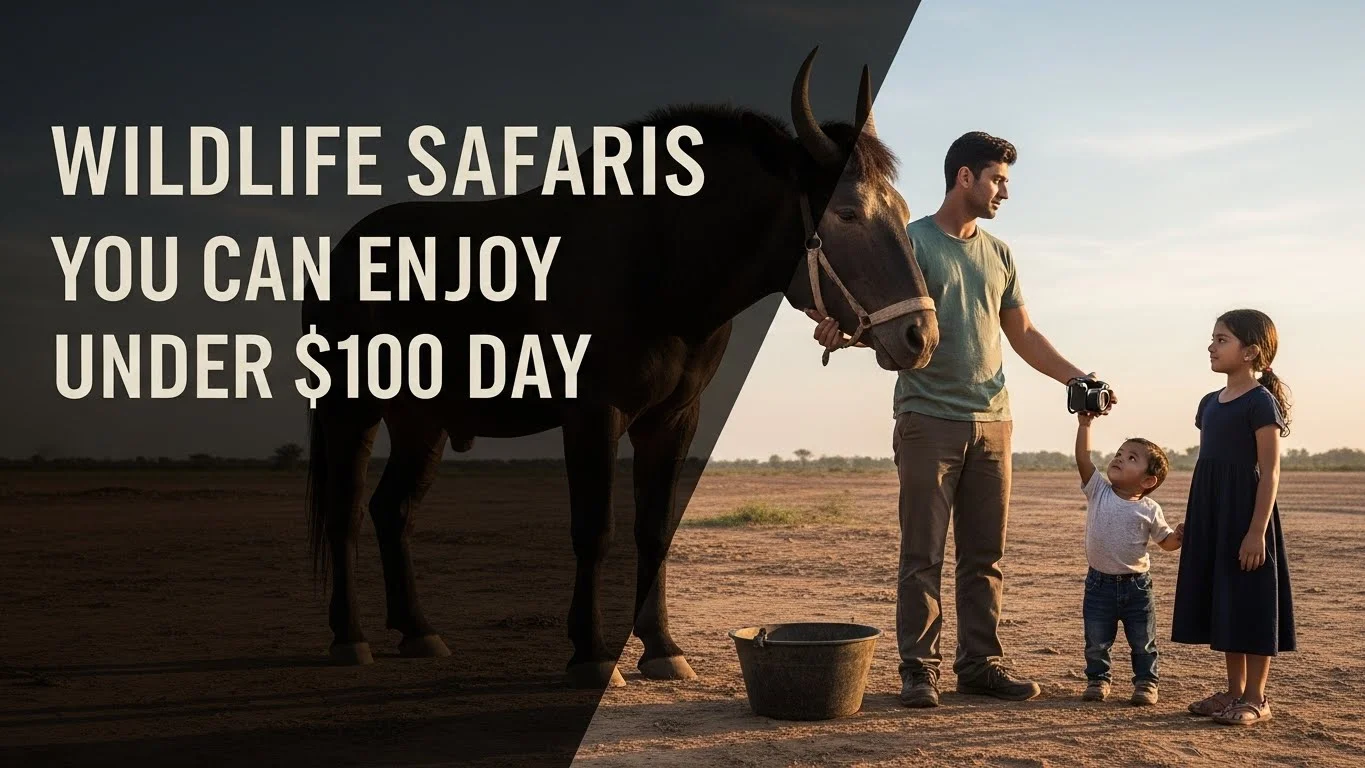
Wildlife safaris can be thrilling adventures that connect us with nature and foster unforgettable memories. The good news? You can experience these magical moments without breaking the bank, with options available for under $100 a day. Explore These Affordable Wildlife Safaris Without Breaking the Bank
Understanding Wildlife Safaris
What is a Wildlife Safari?
When I first heard the term “wildlife safari,” I imagined vast open plains filled with majestic animals, the sun setting in a golden hue, and the thrill of encountering nature at its most raw and beautiful. A wildlife safari is essentially a journey into natural habitats, allowing us to observe wild animals in their natural environment, often in national parks or reserves. It’s not just about spotting animals; it’s about immersing ourselves in the ecosystem, learning about wildlife, and understanding their behaviors.
Different Types of Safaris
While the classic image of a safari often includes a rugged jeep traversing the savannah, I’ve learned that there are many types of safaris to suit various preferences and budgets. Here’s a look at some popular types:
- Game Drives: These are the traditional jeep safaris where you explore parks in a vehicle, stopping to watch animals up close. This has been my favorite way to see wildlife, as it allows for flexibility and comfort.
- Walking Safaris: For those who crave a more immersive experience, walking safaris offer a chance to explore the landscape on foot. We found this to be incredibly rewarding, as it connects you directly with nature and the smaller details often missed from a vehicle.
- Boat Safaris: This unique approach can be seen in places like the Okavango Delta in Botswana, where you glide through waterways, spotting wildlife along the banks. I was mesmerized by the serene experience of being surrounded by nature on the water.
- Camping Safaris: These safaris combine adventure with the experience of sleeping under the stars. I remember the thrill of camping in the wild, listening to the sounds of the night, and waking up to the calls of animals.
Benefits of Going on a Safari
There’s something truly special about going on a safari. From my experience, here are some benefits that stand out:
- Connection with Nature: I feel a sense of peace and awe when surrounded by wildlife. Safaris allow us to disconnect from our busy lives and reconnect with the earth.
- Education: I’ve learned so much about animal behavior, ecology, and conservation efforts during safaris. Each trip has offered insightful experiences that enriched my understanding of wildlife.
- Adventure: Every safari is filled with spontaneous moments. Whether it’s spotting a lion resting under a tree or witnessing a herd of elephants crossing a river, the excitement keeps me coming back for more.
- Photography: For any photography enthusiast, a safari is a dream come true. The opportunities for capturing stunning images of animals in their natural habitats are endless. I’ve cherished the photos I’ve taken during my trips, serving as a reminder of those unforgettable moments.
With all these benefits, it’s no wonder that safaris are becoming more popular. However, many people believe that they are only for the wealthy. I’m here to tell you that you can enjoy a memorable safari experience without spending a fortune.
Top Affordable Safari Destinations
Africa
Africa is often seen as the ultimate safari destination, and luckily, there are several budget-friendly options. Here are a few that I’ve found particularly accessible:
Kilimanjaro National Park, Tanzania
This park isn’t just about the towering mountain; it’s also home to diverse wildlife. I remember hiking in the lower trails and spotting monkeys and various birds. Affordable guided tours can be arranged, making it an excellent choice for nature lovers on a budget.
Kruger National Park, South Africa
One of the most famous parks, Kruger offers a range of accommodations, including budget campsites. I spent days driving through the park, spotting elephants, giraffes, and even the elusive leopard, all while keeping my expenses low.
Maasai Mara, Kenya
Known for its annual wildebeest migration, visiting Maasai Mara is a bucket-list experience. I opted for a budget camping safari here, which allowed me to witness the breathtaking landscapes and incredible wildlife without overspending. Top 5 Affordable Wildlife Safaris for Nature Lovers
Asia
While Africa may be the go-to for safaris, Asia offers unique opportunities as well.
Chitwan National Park, Nepal
This UNESCO World Heritage site is famous for its one-horned rhinoceros and Bengal tigers. I found affordable package deals that included accommodation and guided tours, allowing me to experience the park’s beauty without putting a strain on my wallet.
Bardia National Park, Nepal
Less crowded than Chitwan, Bardia offers a more intimate safari experience. I was amazed by the diversity of wildlife and the peaceful atmosphere. The budget lodges here are a fantastic option for those looking to explore without breaking the bank.
Central and South America
Safaris aren’t just an African phenomenon; Central and South America have their share of wildlife gems too.
Corcovado National Park, Costa Rica
This park is a biodiversity hotspot, and I found affordable guided tours that included both hiking and wildlife viewing. The chance to see sloths, monkeys, and colorful birds made every penny worth it.
Pantanal, Brazil
The Pantanal is one of the world’s largest tropical wetlands, teeming with wildlife. I’ve seen budget-friendly options that include rustic lodges and eco-tours, perfect for those wanting to experience the Amazon’s breathtaking wildlife. Affordable Wildlife Safaris: Unique Experiences Await You
Planning Your Safari Experience
When to Go on a Safari
Timing can make a huge difference in your safari experience. I’ve learned that certain seasons bring unique opportunities for wildlife sightings and more pleasant weather. For example, I remember visiting Kruger National Park during the dry season, which runs from May to September. The lack of water sources makes wildlife congregate around rivers and waterholes, giving us fantastic viewing opportunities. In contrast, the wet season, although lush and beautiful, can make some areas inaccessible, and animals are more dispersed.
In general, I think the best time for a safari often depends on the specific destination and what you want to see. If you’re interested in witnessing migration or births, doing some research ahead of time can help you plan your visit accordingly. I always recommend checking local resources or talking to guides about the best months for your chosen location.
How to Choose a Safari Tour
Choosing the right safari tour can feel overwhelming, but it doesn’t have to be. When I was planning my first safari, I felt a bit lost with all the options available. I realized that considering a few key factors can make the process easier. First, define what type of safari experience you’re looking for. Are you interested in a guided tour, a self-drive adventure, or maybe a walking safari? Each offers a different perspective and experience with wildlife.
Another important aspect is the size of the group. I found that smaller groups often provide a more personalized experience. It’s easier to ask questions and have closer encounters with wildlife when there aren’t too many people around. I remember one small group safari in Maasai Mara where we had a private guide, and it made all the difference in our experience.
Additionally, I always recommend reading reviews and seeking recommendations. Websites like TripAdvisor or travel blogs can provide valuable insights from those who have done similar tours. Finding someone who has been on the exact safari you’re considering can give you a clearer picture of what to expect.
What to Pack for a Safari
Packing for a safari is crucial for comfort and enjoyment. I’ve made my fair share of packing mistakes, and I’ve learned that being prepared can enhance the experience immensely. Here’s a list of essentials I always bring along:
- Clothing: I prefer lightweight, breathable clothes in neutral colors. Bright colors can scare away wildlife, and wearing layers is a smart choice since temperatures can fluctuate dramatically, especially in the early morning and evening.
- Footwear: Comfortable shoes are a must! I usually pack a pair of sturdy hiking boots for walking safaris and some sandals for relaxing at camp.
- Sun Protection: A wide-brimmed hat, sunglasses, and sunscreen are essential. I always remember to reapply sunscreen throughout the day, especially when I’m out in the sun for long periods.
- Binoculars: Having a good pair of binoculars enhances the safari experience by allowing you to observe animals from a distance. I once spotted a pride of lions lounging under a tree from far away, and it was magical.
- Camera: I always bring my camera, along with extra batteries and memory cards. Capturing the moment is important, and you never know when you might spot something incredible!
- First Aid Kit: A small first aid kit with basics like band-aids, antiseptic wipes, and any personal medications is always a good idea.
Lastly, double-check the specific requirements for your safari destination. Some places have unique needs, such as mosquito repellent for malaria-prone areas. Being prepared not only ensures your comfort but also allows you to focus on enjoying the breathtaking experiences that come with being in the wild.
Budgeting for Your Safari
Cost Breakdown of a Budget Safari
When planning a safari, understanding the costs involved can help you stay within your budget. I’ve found that breaking down expenses into different categories can make the process clearer. Here’s what I typically consider:
- Accommodation: This can vary significantly depending on where you stay. I often look for budget lodges or campsites, which are often very affordable. I remember paying as little as $10 a night for basic camping facilities in some parks.
- Transportation: If you’re going on a guided tour, transportation is usually included. However, if you’re self-driving, factor in fuel costs and any park entrance fees. I’ve enjoyed road trips where the drive itself was an adventure!
- Food: Meals can range from included in tour packages to self-catering options. I love stopping at local markets to grab snacks and meals, which not only saves money but also offers a taste of local culture.
- Activities: Depending on your preferences, activities like guided walks, boat trips, or hot air balloon rides can add to your costs. I always prioritize what I want to experience and budget accordingly.
- Park Fees: Don’t overlook entrance fees for national parks, as they can vary widely. I always check ahead so there are no surprises when I arrive.
By planning and budgeting carefully, I’ve managed to enjoy amazing safari experiences without overspending. It’s all about prioritizing what matters most to you during your adventure.
Tips to Save Money on Safari
While safaris can be pricey, there are plenty of ways to save money without sacrificing your experience. Here are some tips that have worked for me:
- Travel Off-Peak: If your schedule allows, consider traveling during the shoulder season when prices are lower, and there are fewer tourists. I’ve found that some of my best experiences came during these quieter times.
- Book Early: Many tour operators offer discounts for early bookings. I often take advantage of these deals, which can really help cut costs.
- Group Tours: Traveling with friends or family can help split costs. I’ve enjoyed group safaris where we shared accommodations and transportation, making it a more affordable adventure.
- Self-Catering: If possible, choosing destinations that allow self-catering can significantly reduce food costs. I love cooking my meals while surrounded by nature—it’s part of the adventure!
- Research Local Guides: Hiring local guides directly can sometimes be cheaper than going through large tour companies, and it supports the local economy.
These strategies have helped me create memorable safari experiences while keeping my expenses in check. With a little planning and creativity, it’s definitely possible to have a fantastic time without breaking the bank.
Budgeting for Your Safari
Finding Deals and Discounts
Finding the best deals for a safari can make a significant difference in your overall experience. I’ve spent hours searching for discounts, and I’ve learned a few tricks along the way that have helped me save money and still enjoy unforgettable adventures. Here are some strategies that worked for me:
- Sign Up for Newsletters: Many safari companies and travel websites offer newsletters that feature exclusive deals and discounts. I often receive notifications about flash sales or special promotions that aren’t advertised elsewhere. Signing up has led me to some fantastic savings!
- Use Comparison Websites: Websites like Kayak or Skyscanner allow you to compare various safari packages and prices. I remember using these platforms to find a deal that included both accommodation and activities, which ultimately saved me a lot of money compared to booking everything separately.
- Check Social Media: Following safari companies on social media can be a way to catch special offers and promotions. I’ve seen companies post exclusive discounts for their followers, which can make a big difference in costs. Plus, it’s fun to see beautiful photos of past safaris!
- Consider Package Deals: Sometimes, it’s cheaper to go for package deals that include flights, accommodations, and safari tours. I took advantage of a package deal once that combined a flight and a week-long safari, which turned out to be less than booking each separately.
- Travel Agencies: Don’t underestimate the power of a travel agent. I’ve had good experiences with agents who specialize in safaris. They often have access to deals that aren’t available to the general public and can help tailor a trip to fit your budget.
By being proactive and doing some research, I’ve managed to secure some incredible deals that allowed me to experience safaris I once thought were out of reach financially. Every little bit helps when you’re trying to enjoy the beauty of nature without overspending.
Wildlife You Can Expect to See
Big Five Animals
When people think of safaris, the “Big Five” often comes to mind. This iconic term refers to the lion, leopard, rhinoceros, elephant, and Cape buffalo. I remember my heart racing the first time I spotted a lion lounging in the shade. Each of these animals offers a unique experience that you won’t want to miss during your safari.
The thrill of encountering these majestic creatures in their natural habitat is indescribable. I’ve been fortunate enough to see all of them during my travels. Elephants are particularly awe-inspiring when they roam in herds, while leopards are elusive and often hidden in the trees, making that sighting feel extra special. The Big Five are not just animals; they’re a symbol of the wild spirit that draws us to Africa.
Unique Species in Different Regions
Apart from the Big Five, each safari destination has its own unique wildlife. For instance, in Chitwan National Park in Nepal, I was thrilled to see the one-horned rhinoceros, which is native to that region. It felt like a privilege to witness such a rare creature up close. In the Pantanal of Brazil, I experienced the incredible sight of jaguars, which are a rare find compared to other regions. It’s amazing how each area has its specialties, and I love that it keeps the adventure fresh and exciting.
Additionally, you might also encounter species that are less well-known but equally fascinating. From the quirky aardvark in Africa to the vibrant poison dart frogs in Costa Rica, each safari can introduce you to a world of wildlife that you may not have even heard of before. Every sighting adds to the thrill of the experience.
Birdwatching Opportunities
If you’re a bird enthusiast, you’re in for a treat! Safaris offer fantastic birdwatching opportunities. I’ve found that just sitting quietly and observing can reveal a stunning array of colorful birds. In places like the Okavango Delta, I spotted kingfishers, herons, and even the majestic African fish eagle. Birdwatching is a peaceful way to immerse yourself in the environment, and I often find myself captivated by their songs and behaviors.
Whether you’re an avid birdwatcher or just someone who appreciates nature, keep your eyes peeled. I’ve learned that the most unexpected encounters often happen when you least expect them. Bringing a good pair of binoculars along can enhance this experience, allowing you to get a closer look at these beautiful creatures without disturbing them.
Wildlife safaris are about exploration and connection. With a little preparation and an adventurous spirit, you can witness the beauty of nature in all its forms while keeping your budget in check. It’s an experience that I wholeheartedly recommend to everyone!
Frequently Asked Questions
What is a wildlife safari?
A wildlife safari is essentially a journey into natural habitats, allowing us to observe wild animals in their natural environment, often in national parks or reserves. It’s about immersing ourselves in the ecosystem, learning about wildlife, and understanding their behaviors.
What are some different types of safaris?
There are several types of safaris, including game drives (traditional jeep safaris), walking safaris (exploring on foot), boat safaris (gliding through waterways), and camping safaris (sleeping under the stars). Each type offers a unique experience with wildlife.
What are the benefits of going on a safari?
Some benefits of going on a safari include a connection with nature, educational experiences about wildlife and conservation, adventure through spontaneous moments, and opportunities for photography in stunning natural settings.
What are some affordable safari destinations in Africa?
Affordable safari destinations in Africa include Kilimanjaro National Park in Tanzania, Kruger National Park in South Africa, and Maasai Mara in Kenya. These locations offer budget-friendly options for nature lovers.
Can you find budget-friendly safaris in Asia?
Yes, Asia offers unique safari opportunities, such as Chitwan National Park and Bardia National Park in Nepal, both of which provide affordable package deals for accommodations and guided tours.
What should you pack for a safari?
When packing for a safari, it’s essential to bring lightweight, breathable clothing in neutral colors, comfortable footwear, sun protection (hat, sunglasses, sunscreen), binoculars, a camera, and a small first aid kit.
How can I budget for a safari?
To budget for a safari, consider costs such as accommodation, transportation, food, activities, and park fees. Prioritizing these expenses can help you stay within your budget while enjoying the experience.
What are some tips to save money on a safari?
Tips to save money on a safari include traveling off-peak, booking early, traveling in groups to share costs, opting for self-catering options, and researching local guides for potentially cheaper rates.
What wildlife can I expect to see on a safari?
On a safari, you can expect to see the “Big Five” animals: lion, leopard, rhinoceros, elephant, and Cape buffalo. Additionally, each region has unique species, and birdwatching opportunities abound in many safari destinations.
How can I find deals and discounts for a safari?
Finding deals for a safari can be done by signing up for newsletters from safari companies, using comparison websites, checking social media for exclusive offers, considering package deals, and consulting travel agents who specialize in safaris.