
Planning a budget safari can be one of the most thrilling experiences of your life. With the right preparation, you can explore the wild wonders of Africa without breaking the bank. Read Interesting article: How to Prepare for an Unforgettable Wildlife Safari Trip
Understanding Budget Safaris
What is a Budget Safari?
A budget safari is essentially an affordable way to experience the beauty of wildlife and nature in Africa. Unlike luxury safaris, which focus on upscale accommodations and exclusive experiences, budget safaris prioritize cost-effectiveness while still offering opportunities to see incredible animals in their natural habitats. These safaris often include shared accommodations, group tours, and self-catering options, making it possible for travelers like us to enjoy the adventure without financial strain. I remember when I first considered a budget safari; the idea of seeing elephants, lions, and giraffes in the wild felt like a far-off dream. But with budget options, that dream soon became a reality.
Benefits of Choosing a Budget Safari
Choosing a budget safari comes with numerous benefits that enhance our travel experience. First and foremost, it allows us to witness breathtaking landscapes and wildlife without spending a fortune. I find that sharing experiences with fellow travelers in a group setting creates unforgettable memories and friendships. Plus, budget safaris often provide a more authentic experience, as we are less focused on luxury and more on connecting with nature and local cultures.
Another significant benefit is flexibility. Many budget safari tours offer a variety of options, enabling us to customize our itinerary based on our interests and available funds. Whether it’s a day trip to a national park or a multi-day adventure through the savannah, the choices are vast. I’ve learned that planning a budget safari requires a bit of research, but it’s worth it to discover hidden gems and avoid tourist traps. For more insights on budget travel, check out Cultural Trekking Adventures: Explore on a Budget Today.
Common Misconceptions About Budget Safaris
When I first thought about budget safaris, I had a few misconceptions. One of the biggest myths is that budget equals poor quality. I quickly learned that many budget safari operators provide excellent service and knowledgeable guides who are passionate about wildlife conservation. Just because we’re on a budget doesn’t mean we need to compromise on the quality of our experience.
Another common misconception is that budget safaris limit wildlife viewing opportunities. In reality, many national parks and reserves offer affordable entry fees, and the chance to spot animals often depends more on luck and timing than the cost of the safari. I remember the thrill of seeing a pride of lions lounging under a tree, and it didn’t matter if I was on a luxury tour or a budget trip; the experience was just as magical.
Lastly, some people believe that budget safaris only cater to backpackers or young travelers. However, I’ve encountered families, couples, and solo travelers of all ages enjoying budget safaris, each with their own reasons for choosing this style of travel. It’s a reminder that adventure can be accessible to everyone, regardless of our backgrounds or budgets.
Key Destinations for Budget Safaris
Top Budget Safari Locations in Africa
When it comes to budget safari destinations, Africa has some incredible options. I’ve discovered that countries like Kenya and Tanzania offer some of the best value for safari experiences. Amboseli National Park in Kenya, for instance, is famous for its stunning views of Mount Kilimanjaro and abundant wildlife, including elephants. Meanwhile, Tanzania’s Serengeti National Park is known for its iconic wildebeest migration, an experience that should be on every traveler’s bucket list.
South Africa also deserves a mention. Kruger National Park is often considered one of the best budget-friendly safari locations in the country. The park is well-equipped for self-drive safaris, allowing us to explore at our own pace while keeping costs down. During my visit, I was amazed at how close I could get to the wildlife, and the beauty of the landscape was simply breathtaking. If you’re also interested in trekking, you might want to consider learning more about budget options for mountain treks, like those found in Experience Epic Mountain Treks Without Breaking the Bank.
Comparing Costs: Kenya vs. Tanzania vs. South Africa
When comparing costs between Kenya, Tanzania, and South Africa, I’ve found that prices can vary significantly based on the type of safari and accommodations chosen. Kenya tends to have slightly lower prices, especially for park entrance fees and budget lodges. In contrast, Tanzania can be more expensive due to its famous parks and the costs associated with the Great Migration.
South Africa might offer a wider range of price options, depending on whether you choose a guided tour or a self-drive experience. I often recommend doing thorough research on current pricing, as factors like seasonality and park entry fees can greatly impact our budget.
Off-the-Beaten-Path Safari Destinations
If you’re looking for something unique, I encourage exploring off-the-beaten-path destinations for your budget safari. Places like Ruaha National Park in Tanzania or Selous Game Reserve, known for fewer crowds and stunning wildlife, can offer an unforgettable experience. I remember visiting Ruaha and feeling like I had the entire park to myself while spotting leopards and wild dogs.
Another hidden gem is Zambia’s South Luangwa National Park, which is perfect for walking safaris. This allows us to connect with nature in a way that’s often overlooked in traditional safari experiences. While planning my visit, I discovered that these lesser-known parks often have lower entry fees and attract fewer tourists, making them ideal for budget-conscious travelers looking for adventure.
When to Plan Your Budget Safari
Best Time to Go for Budget Travel
Timing can make a huge difference in your safari experience, especially when you’re trying to stick to a budget. From my experience, the best time for budget travel is during the shoulder seasons, which typically fall just before and after the peak tourist seasons. For example, I’ve found that going on safari in late April to early June or late September to October can provide great wildlife viewing opportunities as well as better deals on accommodations and tours.
During these periods, the weather is often still pleasant, and the parks are less crowded. I remember visiting Tanzania during October, just before the rainy season started, and I was able to enjoy the stunning migration of wildebeest without the overwhelming crowds. Plus, many operators offer discounts during these off-peak times, making it easier to stay within budget.
Understanding Seasonal Pricing and Wildlife Movement
Seasonal pricing can greatly impact the cost of your budget safari. During peak seasons, prices for accommodations and tours can skyrocket, while in the off-peak seasons, you might find some fantastic deals. I learned that it’s essential to keep an eye on wildlife migration patterns as they can also dictate the best times to visit certain parks.
For instance, in Kenya, the Great Migration occurs from July to October, attracting many visitors to the Maasai Mara. While this is an unforgettable experience, it’s also the most expensive time to go. I’ve seen firsthand how planning my trip around these migration patterns allowed me to enjoy amazing wildlife sightings without the hefty price tag associated with peak season. So, it’s about finding that sweet spot where you can experience the wildlife while also saving some money.
Events and Festivals to Consider
Another aspect to factor in when planning your budget safari is local events and festivals. I’ve had some of my most memorable experiences attending cultural festivals during my travels. For example, the Ngorongoro Crater Conservation Area in Tanzania hosts the annual Maulidi Festival, celebrating the birth of the Prophet Muhammad. Attending such events can enrich our safari experience as we get to engage with the local culture and traditions.
When planning your budget safari, I recommend checking for any local festivals that might coincide with your travel dates. While it’s great to catch a glimpse of wildlife, being part of a vibrant community celebration can add a whole new layer to our adventure. Just be sure to book accommodations in advance, as they tend to fill up quickly during these times.
Essential Gear for a Budget Safari
Clothing and Footwear Recommendations
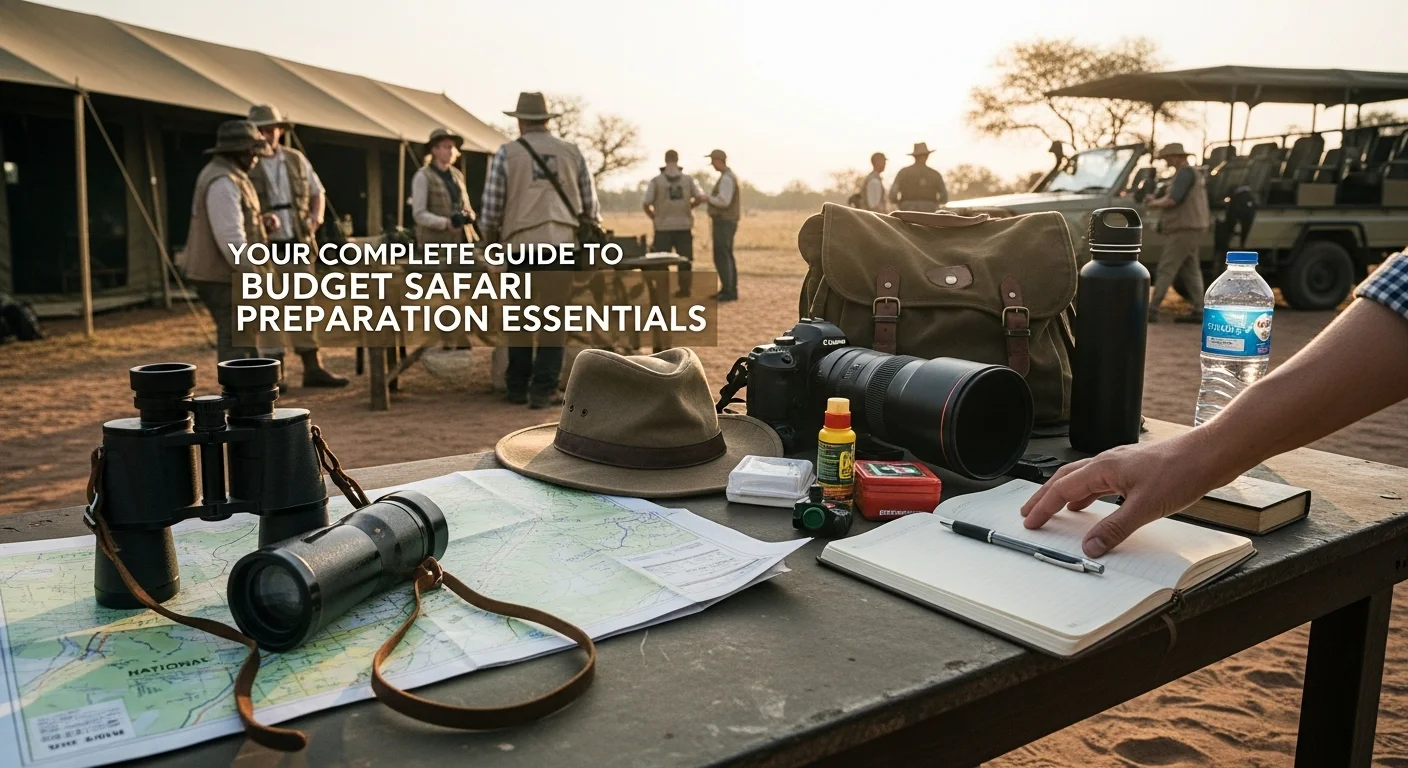
When packing for a budget safari, I’ve learned that comfort and practicality are key. Lightweight, breathable clothing is essential, not only for comfort in the heat but also for layering as temperatures can drop in the evenings. I always pack neutral-colored clothing, as bright colors can startle wildlife and detract from the experience.
Good walking shoes are a must. I recommend sturdy hiking boots or comfortable sneakers, as you may find yourself on uneven terrain while searching for wildlife. On my last safari, I regretted not bringing a good pair of shoes, and my feet felt sore from long days in the field. A wide-brimmed hat and sunglasses are also crucial for sun protection, along with a good sunscreen to keep your skin safe.
Camping Gear vs. Lodge Accommodation Essentials
If you’re planning to camp during your budget safari, investing in some quality camping gear can save you money in the long run. I’ve camped in various national parks, and I can say that having a reliable tent, sleeping bag, and portable cooking gear can make all the difference. However, if you’re staying in lodges, remember to check what amenities are provided to avoid packing unnecessary items.
In my experience, a good camping stove and a compact cooking set can be life-savers. Plus, cooking your own meals can significantly cut down on food costs. On one trip, I cooked pasta and fresh vegetables over a campfire, and it turned out to be one of the highlights of my safari. It was a simple meal, but sharing it with friends under the stars was unforgettable.
Photography Equipment on a Budget
Photography is a huge part of my safari experience, and I believe we all want to capture those stunning moments. However, I also understand that high-end equipment can be expensive. I recommend investing in a decent camera with a good zoom lens, but you don’t have to break the bank. Many mid-range cameras take excellent photos, and I’ve used my smartphone to capture some of my favorite safari memories.
One tip I learned is to bring extra batteries and memory cards, as you’ll likely take more photos than you anticipate. I once ran out of memory during an incredible lion sighting, so trust me, you want to avoid that situation! Lastly, consider a lightweight tripod for stability, especially during low-light conditions, like early mornings or evenings when wildlife is most active.
How to Save Money on Safari Packages
Choosing the Right Tour Operator
One of the biggest decisions we face when planning a budget safari is selecting the right tour operator. I remember feeling overwhelmed by the choices available, but I learned that doing a bit of research can lead to significant savings. I recommend looking for operators that specialize in budget travel and have positive reviews from past clients. Many times, smaller, local companies offer great deals and can provide a more personal touch.
Don’t hesitate to ask questions about what’s included in the package. For instance, I’ve found that some operators may include meals, park fees, and even guided tours in their pricing, while others charge extra for these services. Comparing what each operator offers can save us a lot in the long run. Additionally, I’ve discovered that reaching out directly to operators can sometimes lead to better rates than what’s listed online. So, don’t be shy about negotiating or asking for discounts!
Group vs. Private Safaris: Cost Analysis
Another aspect to consider is whether to choose a group safari or a private one. From my experience, group safaris tend to be much more budget-friendly. When I joined a group tour, I found that the costs of accommodations and transport were significantly lower because expenses were shared among participants. This also allowed me to meet fellow travelers and share unforgettable moments, which added to the experience.
On the other hand, private safaris can offer more flexibility in terms of itinerary and schedule, but they generally come with a higher price tag. I’ve noticed that if we have a larger group of friends or family, pooling resources for a private safari can sometimes be more affordable than it seems at first glance. We just need to weigh the pros and cons based on our preferences and budget. If you’re looking for a more social experience, group safaris can be a great way to save money while making new friends.
Booking Strategies for the Best Deals
Timing our booking can also make a significant difference in safari costs. I’ve learned that booking well in advance often yields the best prices. Many operators offer early bird discounts, and the earlier we secure our spot, the more options we have for accommodations. I remember snagging a fantastic deal for my safari just by booking a few months in advance.
Additionally, I recommend being flexible with our travel dates. If we can adjust our schedule to travel during off-peak times, we might find substantial savings on both tours and accommodations. I’ve seen prices drop dramatically when traveling just outside of peak seasons. It’s all about being open to different experiences while still enjoying the beauty of Africa’s wildlife.
Accommodation Options for Budget Travelers
Camping vs. Lodges: Pros and Cons
When it comes to accommodation, we have some great options depending on our budget and comfort level. Camping can be a fantastic way to save money while immersing ourselves in nature. I remember camping under the stars in the Serengeti, and it felt magical. There’s something so special about sleeping in a tent and waking up to the sounds of the wild.
However, camping isn’t for everyone. If we prefer a little more comfort, budget lodges can provide a cozy place to rest after a day of exploring. I’ve stayed in some wonderful lodges that offer basic amenities at a fraction of the cost of luxury accommodations. The key is to find a balance that works for us, keeping in mind the experiences we want to have and the budget we have set.
Budget-Friendly Hotels and Hostels
If camping isn’t appealing, budget-friendly hotels and hostels are excellent alternatives. I’ve discovered that many towns near national parks have affordable accommodations that provide clean, comfortable rooms without breaking the bank. Hostels can also be great for meeting other travelers, sharing tips, and even organizing group trips to the parks.
One thing I learned is to book accommodations in advance, especially during peak tourist seasons. I once arrived in a popular area without a reservation and ended up paying much more for a last-minute room. By planning ahead, we can avoid that scenario and ensure we get the best rates available.
Alternative Accommodation: Homestays and Guesthouses
For a more authentic experience, consider exploring homestays or guesthouses. I’ve had some of my most memorable moments staying in local homes, where I was welcomed with open arms and learned about the culture firsthand. These options often come with a home-cooked meal, which can also help save on food costs.
Staying with locals not only supports the community but also allows us to build connections that we might not get in a hotel or lodge. I remember sharing stories and laughs over dinner with my host family during one of my travels, and it enriched my safari experience in ways I never anticipated.
Frequently Asked Questions
What is a budget safari?
A budget safari is an affordable way to experience wildlife and nature in Africa, prioritizing cost-effectiveness while still offering opportunities to see incredible animals in their natural habitats. It often includes shared accommodations, group tours, and self-catering options.
What are the benefits of choosing a budget safari?
Choosing a budget safari allows travelers to witness breathtaking landscapes and wildlife without spending a fortune. It offers flexibility in customizing itineraries, promotes sharing experiences with fellow travelers, and provides a more authentic connection with nature and local cultures.
Are budget safaris of poor quality?
No, many budget safari operators provide excellent service and knowledgeable guides who are passionate about wildlife conservation. Budget does not mean compromising on the quality of the experience.
What are some key budget safari destinations in Africa?
Top budget safari locations include Kenya and Tanzania, with Amboseli National Park in Kenya and Serengeti National Park in Tanzania being notable examples. South Africa’s Kruger National Park is also considered a great budget-friendly option.
When is the best time to plan a budget safari?
The best time for budget travel is during the shoulder seasons, which are just before and after peak tourist seasons, such as late April to early June or late September to October. This timing can offer better deals on accommodations and tours.
How can travelers save money on safari packages?
Travelers can save money by choosing the right tour operator, often smaller local companies that offer competitive rates. Additionally, opting for group safaris can lower costs, and booking in advance can help secure better prices.
What should travelers pack for a budget safari?
Travelers should pack lightweight, breathable clothing, good walking shoes, a wide-brimmed hat, sunglasses, and sunscreen for sun protection. If camping, quality camping gear is essential, while those staying in lodges should check what amenities are provided.
What types of accommodations are available for budget travelers?
Budget travelers can choose from camping, budget-friendly hotels, hostels, homestays, and guesthouses. Each option has its pros and cons, with camping offering a more immersive nature experience and lodges providing comfort.
Can budget safaris cater to all types of travelers?
Yes, budget safaris can cater to families, couples, solo travelers, and backpackers of all ages, making adventure accessible to everyone, regardless of their backgrounds or budgets.
How does seasonal pricing affect budget safaris?
Seasonal pricing can significantly impact safari costs, with higher prices during peak seasons. Off-peak times often provide fantastic deals, and understanding wildlife migration patterns can help travelers plan their visits for both savings and great wildlife viewing.