
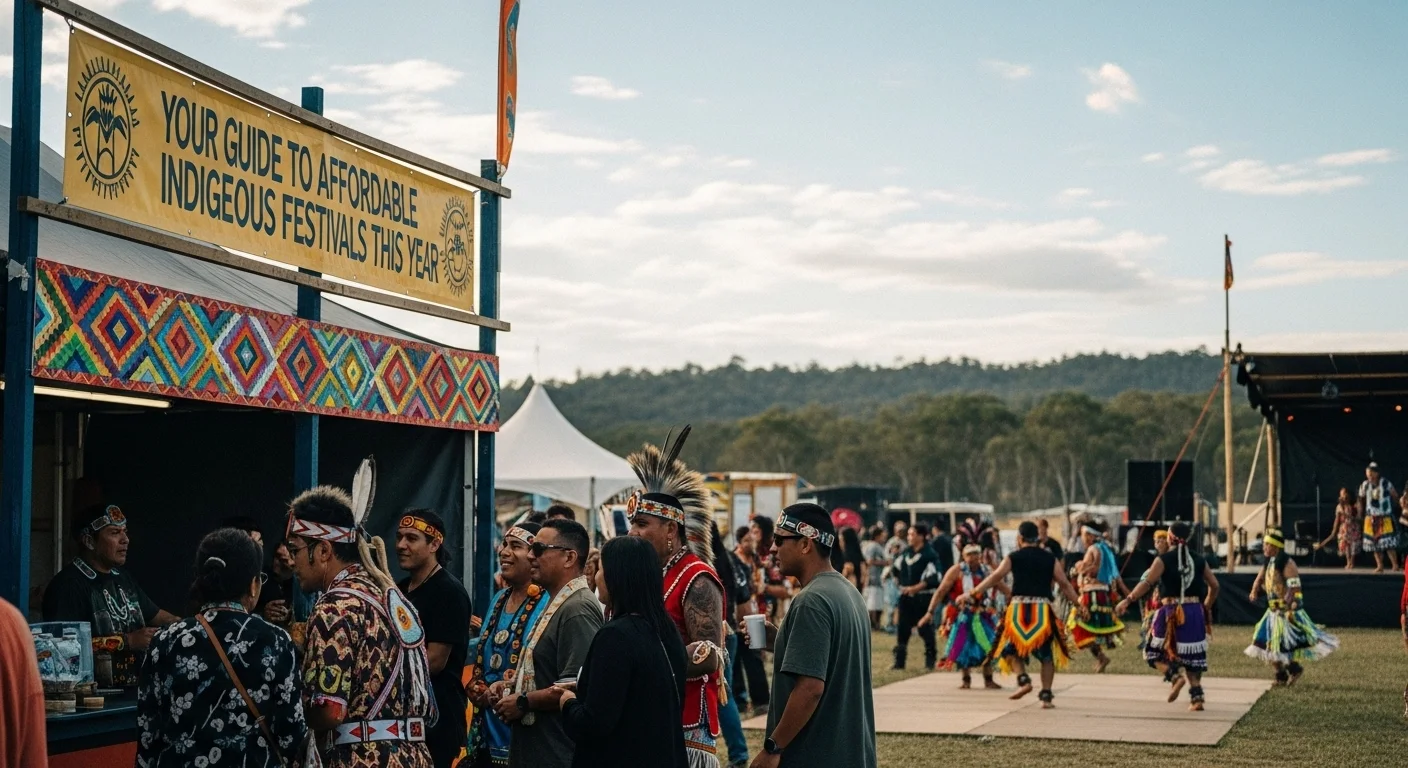
This year, immerse yourself in the vibrant cultures of Indigenous peoples by attending affordable festivals. These events offer a unique opportunity to celebrate heritage while enjoying diverse activities, delicious food, and enriching experiences. For those looking to explore more, check out our Top Indigenous Art Destinations for Budget Travelers.
Understanding Indigenous Festivals
Definition and Significance
Indigenous festivals are vibrant celebrations that honor the traditions, arts, and cultures of Indigenous peoples around the world. These festivals often showcase music, dance, storytelling, and other artistic expressions that have been passed down through generations. I’ve attended several Indigenous festivals, and each experience has been a powerful reminder of the rich histories and cultural resilience of these communities. The significance of these events extends beyond mere entertainment; they serve as a platform for education, preservation, and cultural exchange.
Types of Indigenous Festivals
From my experience, Indigenous festivals come in various forms, each reflecting the unique cultural heritage of the community hosting it. Some focus on traditional ceremonies, while others emphasize contemporary Indigenous art and innovation. For example, powwows in North America are dynamic events where different tribes gather to celebrate through dance competitions, drum circles, and storytelling. On the other hand, festivals like Inti Raymi in Peru honor historical events and agricultural cycles, showcasing the deep connection between Indigenous peoples and their land.
In Australia, NAIDOC Week celebrates the history, culture, and achievements of Aboriginal and Torres Strait Islander peoples, featuring activities like art workshops, community festivals, and educational seminars. Each type of festival offers a unique lens into the diverse expressions of Indigenous culture, and I believe participating in them is an enriching experience. Additionally, you can learn more about the cultural context of these events in our A Guide to Indigenous Traditional Practices While Traveling.
Key Cultural Elements
When you attend an Indigenous festival, you’ll notice several key cultural elements that are celebrated. Music and dance are often at the forefront, with performances that tell stories of creation, community, and struggle. I’ve found that these performances are not just for entertainment; they embody the spirit and identity of the people.
Another important element is storytelling. Oral traditions play a vital role in preserving history and passing knowledge from one generation to the next. During festivals, you might hear elders share tales of their ancestors, which adds a personal touch to the communal experience. Art is also a significant aspect, with many festivals featuring artisan markets where you can purchase handmade crafts, jewelry, and artwork that reflect the culture’s unique aesthetics.
Food is an essential part of the festival experience as well. Traditional dishes often highlight native ingredients and cooking methods, offering a taste of the land’s bounty. I remember savoring dishes I had never tried before, each bite connecting me to the history and traditions of the Indigenous peoples.
Why Attend Indigenous Festivals?
Cultural Education and Awareness
Attending Indigenous festivals is not only an enjoyable experience, but it’s also an opportunity for cultural education. I’ve learned so much about the histories, struggles, and achievements of Indigenous communities by immersing myself in their celebrations. These events often include workshops, discussions, and demonstrations, allowing attendees to gain a deeper understanding of Indigenous cultures. It’s a chance to break down stereotypes and foster a greater appreciation for the diversity of human experience.
Support for Indigenous Communities
When you participate in Indigenous festivals, you’re also supporting the communities that host them. Many festivals are organized by local tribes or organizations that rely on the funds generated from these events to sustain their cultural practices and initiatives. I always feel good knowing that my attendance contributes to the preservation of heritage and helps empower Indigenous voices. Purchasing crafts, food, and other goods from vendors at these festivals directly benefits the artists and community members, making it a meaningful way to engage.
Unique Experiences and Activities
Every Indigenous festival offers a unique blend of experiences that you won’t find anywhere else. From interactive workshops where you can learn traditional crafts to live music performances that get everyone dancing, there’s something for everyone. I remember participating in a drum circle at a festival, which was not only fun but also a powerful way to connect with others through rhythm and movement. These activities allow you to engage with the culture in a hands-on way, creating lasting memories and connections.
Whether you’re interested in art, music, or simply exploring new cultures, Indigenous festivals provide a rich tapestry of experiences that are both enjoyable and enlightening. They remind me of the importance of community, identity, and the shared human experience. For those looking to explore further, consider our article on Budget Backpacking: Discover Traditional Indigenous Practices.
Affordable Indigenous Festivals by Region
North America
Gathering of Nations (Albuquerque, NM)
The Gathering of Nations is one of the largest powwows in North America, held annually in Albuquerque, New Mexico. I remember attending this festival and being overwhelmed by the vibrant colors and sounds. Over 500 tribes come together to celebrate their cultures through dance competitions, music, and arts. What I found particularly special was the way the festival honors both traditional and contemporary Indigenous expressions. Plus, the food vendors offer tasty Native American dishes that truly reflect the culinary diversity of the tribes present. Tickets are reasonably priced, and the experience is unforgettable.
Toronto Indigenous Festival (Toronto, ON)
If you find yourself in Toronto during the summer, the Toronto Indigenous Festival is a must-visit. Held at Harbourfront Centre, this festival showcases Indigenous art, culture, and performances from various Indigenous communities across Canada. I loved wandering through the artisan market, where I met local artists and bought unique pieces that I still cherish. Admission is free, making it an accessible option for anyone wanting to learn more about Indigenous cultures while enjoying captivating performances and workshops.
South America
Inti Raymi (Cusco, Peru)
Inti Raymi, or the Festival of the Sun, is a spectacular celebration in Cusco, Peru. This festival, dating back to the Inca Empire, takes place in June and honors the sun god, Inti. I was fortunate enough to witness the reenactment of ancient ceremonies, complete with traditional costumes and music. The energy in the crowd was electric, and it felt like stepping back in time. This festival is not just a visual feast; it also serves as a reminder of the deep spiritual connection Indigenous peoples have with nature. Tickets are quite affordable, and the cultural significance is profound.
Festival of the Dead (Oaxaca, Mexico)
Oaxaca is famous for its vibrant Day of the Dead celebrations, which blend Indigenous traditions with Catholic influences. During the Festival of the Dead, I saw beautifully decorated altars honoring deceased loved ones, filled with marigolds, candles, and food. The atmosphere was both festive and reverent. The city comes alive with parades, music, and dance, showcasing the rich heritage of the Zapotec and Mixtec peoples. Attending this festival was a unique way to immerse myself in the local culture while honoring the memories of those who have passed. The cost of attending various events is quite reasonable, allowing everyone to participate.
Australia
NAIDOC Week Celebrations
NAIDOC Week, celebrated across Australia, is a time to recognize and celebrate the history, culture, and achievements of Aboriginal and Torres Strait Islander peoples. I experienced the energy of this celebration in my local community, where events included art exhibitions, workshops, and cultural performances. The sense of pride and unity among participants was palpable. Many events are free or low-cost, making it accessible for everyone to learn and celebrate. I recommend checking local listings to find events that resonate with you.
Woodford Folk Festival
The Woodford Folk Festival is another unique event that features Indigenous artists and performers alongside a diverse array of folk music and arts. I attended this festival and was amazed at how it fosters cross-cultural connections. The festival runs for six days and offers a plethora of workshops, performances, and discussions. It’s a beautiful opportunity to see Indigenous culture celebrated in a broader context. While tickets might be a bit more expensive, the range of experiences and the community atmosphere make it worthwhile.
Europe
European Indigenous Peoples’ Festival (Various Locations)
In Europe, the European Indigenous Peoples’ Festival is held in various locations, showcasing Indigenous cultures from around the continent. While I haven’t attended this event yet, I’ve heard from friends that it highlights the rich traditions of Indigenous peoples in Europe, including their music, dance, and crafts. Various events are often free, allowing attendees to explore and learn without breaking the bank. It’s an excellent way to engage with diverse cultures and make connections with people who share a passion for celebrating Indigenous heritage.
When to Visit Indigenous Festivals
Seasonal Considerations
Timing is everything when it comes to attending Indigenous festivals. Each event is typically tied to seasonal changes or significant cultural dates that hold deep meaning for the respective communities. I’ve learned that spring and summer are popular times for festivals, as the weather is generally warmer, allowing for outdoor activities and performances. For instance, I experienced the vibrancy of the Gathering of Nations in the spring, where the energy of the powwow was amplified by the blooming flowers and sunny skies.
In contrast, some festivals occur in the fall or winter, which can bring a unique atmosphere. I remember attending the Festival of the Dead in Oaxaca during the fall, where the streets were alive with the colors of marigolds and the warmth of community gatherings, even as the air turned cooler. It’s a great reminder that each season can offer a different perspective on Indigenous culture, so I encourage you to consider what kind of experience you’re looking for when planning your visit.
Key Dates and Events
Each festival has its own set of dates, and many are annual events that locals and visitors alike eagerly anticipate. I’ve found that doing a bit of research beforehand can enhance your experience tremendously. For example, Inti Raymi in Cusco is celebrated on June 24th each year, marking the winter solstice in the Southern Hemisphere. Being there on the exact day felt special, like I was part of something truly significant.
Sometimes, festivals may also coincide with other local events, which can make your trip even more exciting. For example, I once planned my trip to Toronto to align with the Toronto Indigenous Festival, which overlapped with a local arts fair. This allowed me to experience a wider variety of Indigenous and contemporary arts. It’s worth checking local calendars or community websites to ensure you don’t miss out on any special events during your visit.
Where to Stay Near Indigenous Festivals
Budget Accommodation Options
Finding affordable places to stay near festival venues can seem daunting, but I’ve discovered some fantastic options over the years. Many towns and cities have budget accommodations like hostels, motels, or community guesthouses that offer a cozy place to rest after a day of festivities. I often lean towards hostels because they not only save money but also provide a chance to meet fellow travelers who share similar interests. During my stay at a hostel near the Gathering of Nations, I met people from different backgrounds, which added to the richness of my experience.
Camping and RV Options
If you’re feeling adventurous, camping might be the perfect choice for certain festivals. I’ve camped at several events, and it was a great way to immerse myself in the atmosphere. At events like NAIDOC Week, some local parks offer tent camping or RV spots at reasonable rates. It’s a unique way to enjoy nature while being part of the festival vibe. Just make sure to check in advance, as spots can fill up quickly!
Local Hotels and Inns
For those looking for a bit more comfort, local hotels and inns often provide convenient access to festival venues. I remember booking a small inn near the Toronto Indigenous Festival that not only offered comfortable beds but also a lovely communal area where I met other festival-goers. Staying at local establishments can also give you insight into the culture and history of the area, as many owners are eager to share their stories and recommendations.
Top Attractions at Indigenous Festivals
Cultural Performances
Cultural performances are one of the main highlights of Indigenous festivals, and I can’t stress enough how captivating they are. Whether it’s traditional dance, music, or theater, these performances are windows into the soul of the community. I was mesmerized by a dance troupe during the Woodford Folk Festival, who beautifully expressed their connection to the land and ancestors through their movements. Each performance tells a story, and I found myself deeply moved by the passion and talent on display.
Artisan Markets and Craft Exhibits
Another must-see at these festivals is the artisan markets. I often spend hours wandering through the stalls, admiring handmade crafts, jewelry, and artwork that reflect the unique culture of the Indigenous peoples. Each piece tells its own story, and I love finding items that resonate with me personally. At the Toronto Indigenous Festival, I picked up a beautiful piece of pottery that still sits proudly in my living room, reminding me of that special trip.
Workshops and Interactive Experiences
Workshops and interactive experiences are fantastic opportunities to engage directly with Indigenous cultures. I remember taking part in a traditional crafting workshop at a festival, where I learned the techniques behind making a woven basket. It was not only fun but also enlightening to understand the significance behind each step. These immersive experiences allow you to appreciate the skills and traditions that have been passed down through generations, and I always come away feeling inspired.
Local Food and Cuisine at Festivals
Traditional Indigenous Dishes
One of my favorite aspects of attending Indigenous festivals is the food. Traditional Indigenous dishes offer a delightful journey through flavors and history. I’ve sampled everything from fry bread to smoked salmon, and each dish provides insight into the land and culture. At the Gathering of Nations, I was introduced to a deliciously spicy chili stew that left me craving more. I believe food is a powerful connector, and sharing a meal can lead to meaningful conversations about culture and heritage.
Food Vendors and Stalls
Each festival typically features a variety of food vendors selling both traditional and contemporary dishes. I’ve discovered hidden gems at these stalls that I wouldn’t find anywhere else. At the Festival of the Dead in Oaxaca, I enjoyed tamales filled with interesting ingredients I had never tried before, which truly enhanced my cultural experience. I recommend trying different vendors and exploring the diverse offerings, as each bite tells a story of its own.
Tips for Trying Local Cuisine
When it comes to trying local cuisine at festivals, I’ve learned a few tips along the way. First, don’t be afraid to ask vendors about their dishes; they often love to share the stories behind their food. I’ve found that engaging with the people behind the stalls can lead to recommendations for must-try items. Additionally, consider sharing dishes with friends or fellow festival-goers to sample a wider variety without breaking the bank. This way, you can experience a multitude of flavors and dishes in one visit!
Safety and Accessibility
Health and Safety Tips
Attending festivals can be an overwhelming experience, so prioritizing safety is essential. I always make sure to stay hydrated, especially during outdoor events where the sun can be intense. It’s also wise to have a small first-aid kit on hand for minor injuries. Additionally, keep your belongings secure and be mindful of your surroundings, especially in crowded areas. I’ve found that being aware of my surroundings enhances my festival experience, allowing me to fully enjoy the festivities without worries.
Accessibility for All Attendees
Many Indigenous festivals strive to be inclusive, ensuring that everyone can participate. I’ve noticed that events often provide accessible pathways and facilities for people with disabilities. If you have specific needs, it’s worth checking with the festival organizers ahead of time to understand the resources available. I believe that celebrating culture should be accessible to all, and I appreciate when festivals make efforts to accommodate everyone.
Budgeting for Indigenous Festivals
Entry Fees and Costs
While many Indigenous festivals are free to attend, some may have entry fees, especially larger events. I’ve found that these fees are often minimal, considering the range of activities and performances included. It’s helpful to budget for these costs ahead of time so you can fully enjoy the experience without financial stress. Additionally, some festivals offer discounted rates for students or families, which can help make the experience more affordable.
Transportation Options
Getting to festivals can vary in cost depending on your location. I often prefer to drive when possible, as it gives me the freedom to explore the surrounding area. However, when attending festivals in larger cities, public transportation can be a fantastic option. I’ve taken advantage of local buses and trains, which often offer economical fares. It’s also worth looking into rideshare options or carpooling with friends to save on costs while enjoying the journey together.
Money-Saving Tips
To stretch my budget further, I always keep an eye out for money-saving tips. I recommend packing snacks and water to avoid high food prices at festivals, as well as looking for local grocery stores where you can grab affordable meals. Additionally, purchasing items like crafts and souvenirs from local vendors instead of large commercial stalls can often save money while also supporting Indigenous artisans directly. These small strategies can make a big difference in how much you enjoy your festival experience.
Frequently Asked Questions
What are Indigenous festivals?
Indigenous festivals are vibrant celebrations that honor the traditions, arts, and cultures of Indigenous peoples around the world. They showcase music, dance, storytelling, and other artistic expressions that have been passed down through generations, serving as a platform for education, preservation, and cultural exchange.
What types of activities can I expect at Indigenous festivals?
At Indigenous festivals, attendees can expect a variety of activities including traditional ceremonies, dance competitions, drum circles, storytelling, art workshops, community festivals, and educational seminars. Each festival offers unique experiences that reflect the community’s cultural heritage.
Why should I attend Indigenous festivals?
Attending Indigenous festivals provides an opportunity for cultural education and awareness, supports Indigenous communities, and offers unique experiences and activities. These festivals allow participants to learn about the histories and struggles of Indigenous peoples while engaging with their cultures in a meaningful way.
Can you give examples of Indigenous festivals in North America?
Examples of Indigenous festivals in North America include the Gathering of Nations in Albuquerque, New Mexico, which is one of the largest powwows, and the Toronto Indigenous Festival in Toronto, Ontario, which showcases Indigenous art and culture through various performances and artisan markets.
What is Inti Raymi?
Inti Raymi, or the Festival of the Sun, is a spectacular celebration held in Cusco, Peru, that honors the sun god, Inti. This festival, dating back to the Inca Empire, features reenactments of ancient ceremonies and showcases the spiritual connection Indigenous peoples have with nature.
What should I consider when planning to visit an Indigenous festival?
When planning to visit an Indigenous festival, consider the seasonal timing of the event, key dates, and any overlapping local events. Researching ahead can enhance your experience and ensure you don’t miss out on any special activities or ceremonies.
What accommodation options are available near festival venues?
Accommodation options near festival venues include budget accommodations like hostels and motels, camping and RV options, and local hotels and inns. Budget accommodations often provide opportunities to meet fellow travelers, while local hotels can offer insights into the area’s culture.
What are some highlights to look for at Indigenous festivals?
Highlights at Indigenous festivals often include cultural performances, artisan markets showcasing handmade crafts, and interactive workshops where attendees can engage directly with Indigenous cultures. These experiences provide a deeper appreciation for the skills and traditions of Indigenous peoples.
How can I try local cuisine at festivals?
To try local cuisine at festivals, don’t hesitate to ask vendors about their dishes, share meals with fellow attendees to sample a variety, and explore different food stalls. Traditional Indigenous dishes often offer a window into the culture’s history and flavors.
What safety and accessibility measures are in place at Indigenous festivals?
Many Indigenous festivals prioritize safety by providing hydration stations, first-aid kits, and accessible pathways for individuals with disabilities. It’s advisable to check with festival organizers in advance to understand the resources available for attendees with specific needs.