
Solo backpacking can be a thrilling adventure, filled with new experiences and personal growth. Let’s dive into making your journey safe and enjoyable as we explore the essential aspects of accommodations for solo travelers.
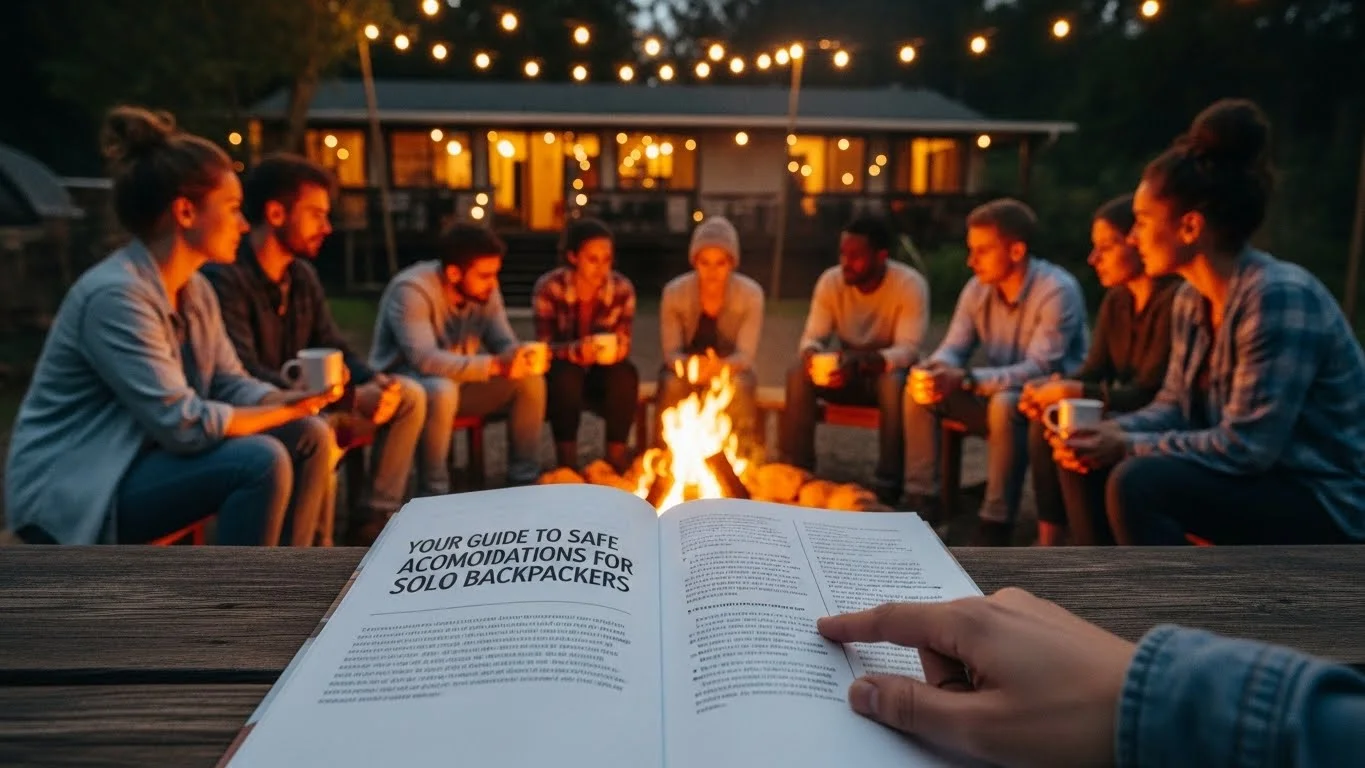
Understanding Solo Backpacking
The Rise of Solo Travel
In recent years, I’ve noticed a significant rise in the number of people choosing to travel alone. There’s something incredibly liberating about setting out on your own, making decisions without the need to consult others, and embracing the freedom of the road. I remember my first solo trip; the excitement was palpable as I stepped into the unknown, eager to experience different cultures and landscapes. More and more individuals are recognizing the joy and independence that comes with solo travel. Whether it’s for self-discovery or simply wanting to explore at your own pace, the trend is growing, and it’s easy to see why.
Benefits of Backpacking Alone
Backpacking solo offers a myriad of benefits. For me, one of the most rewarding aspects is the opportunity to meet new people. When you’re alone, you’re often more approachable. I’ve made friendships with fellow travelers and locals simply because I was open to conversation. It’s incredible how many connections you can make when you’re on your own. Additionally, traveling alone allows for complete flexibility; you can change your plans on a whim without worrying about anyone else’s schedule. I’ve taken spontaneous detours that turned out to be some of my favorite memories. And let’s not forget about personal growth! Backpacking alone challenges you to step outside your comfort zone, fostering independence and self-reliance.
Common Concerns for Solo Backpackers
Despite the exciting benefits, I understand that many people have concerns when it comes to solo backpacking. Safety is often at the forefront of these worries. I’ve felt that anxiety myself, especially when navigating new cities or staying in unfamiliar accommodations. It’s essential to acknowledge these fears, but also to remember that with some preparation and awareness, we can significantly reduce risks. Another common concern is loneliness. I’ve had moments where I felt isolated, especially during long stretches of travel. However, I’ve learned various ways to connect with others, whether through social media, local events, or simply striking up a conversation with someone at a café. Lastly, there’s the issue of budget—traveling alone can sometimes feel more expensive, but with the right strategies, it doesn’t have to be. We’ll explore budget-friendly options later on.
Types of Accommodations for Solo Backpackers
Hostels: The Backpacker’s Haven
When I think of accommodations for solo backpackers, hostels immediately come to mind. Hostels have a unique charm that’s hard to resist. They’re often budget-friendly and filled with like-minded travelers. I remember my first night in a hostel; I was nervous but excited. The communal atmosphere made it easy to meet people, and I found myself sharing stories over dinner with new friends from different corners of the world. Most hostels offer dormitory-style rooms, which are a fantastic way to save money. However, if you prefer privacy, many hostels also provide private rooms. I recommend checking out the common areas where you can relax, socialize, or even join in on planned activities. It’s a great way to immerse yourself in the travel community.
Guesthouses and Homestays: Local Experience
If you’re looking for a more intimate experience, guesthouses and homestays are wonderful options. I’ve stayed in several homestays where the hosts treated me like family. They often provide insight into local culture, cuisine, and hidden gems that you might not discover otherwise. I remember one homestay where the owner taught me how to cook traditional dishes, and I left feeling like I had gained a second family. It’s those personal touches and connections that make these stays so special.
Hotels: Comfort and Safety
Hotels can offer a sense of comfort and security that’s sometimes hard to find elsewhere. I find peace of mind in knowing that I have a private space to retreat to after a long day of exploring. While they tend to be more expensive than hostels or guesthouses, I’ve discovered that there are plenty of budget-friendly hotels that still provide excellent service and safety features. When I choose a hotel, I look for ones with good reviews regarding safety and cleanliness. It’s worth doing a little research to find a place that fits within your budget while still offering the amenities you desire.
Airbnb: Unique Stays
Airbnb has become a popular choice among solo travelers looking for unique accommodations. I’ve had some incredible experiences staying in quirky apartments or cozy homes that reflect the local flavor of a city. The variety is amazing, and sometimes you can find places that are more affordable than traditional hotels. I’ve found that Airbnb hosts often go above and beyond to make your stay enjoyable, providing local tips and recommendations. Just be sure to read the reviews and check for safety features to ensure a pleasant experience.
Campsites: Embracing Nature
If you’re a nature enthusiast like me, campsites can be a fantastic option. There’s nothing like sleeping under the stars and waking up to the sounds of nature. I’ve camped in national parks and beautiful scenic areas where I felt completely at peace. Campsites often have communal areas and facilities, making it easy to meet fellow adventurers. Just remember to bring the necessary gear and check the campsite’s rules and regulations. Camping also allows for a budget-friendly option while immersing yourself in the great outdoors.
Choosing Safe Accommodations
Location: Proximity to Attractions and Transport
When I think about choosing accommodations while backpacking solo, location is often my first consideration. I’ve realized that being close to attractions and public transport can make a huge difference in my travel experience. On one trip, I found a cozy hostel just a short walk from the main square and public transit. This allowed me to explore without the hassle of long commutes. I recommend looking for places that are well-connected to local buses or train stations. Not only does it save time, but it also helps you avoid getting lost in unfamiliar areas. Plus, being in a lively neighborhood can add to your overall experience, giving you easy access to eateries, shops, and local culture.
Security Features: Locks, Safes, and Surveillance
Safety is paramount, especially for solo travelers. When choosing where to stay, I always check for security features. Most hostels and hotels provide lockers for your belongings, which is a must for me. I remember staying at a hostel where I felt completely at ease because they had secure storage for my backpack, allowing me to explore the city without worrying about my things. Additionally, I look for accommodations that have good security practices, like keycard access and well-lit areas. Some places even have surveillance cameras in common areas, which adds an extra layer of comfort. It’s worth taking the time to research these aspects before booking. For more information, check out Top Tips for Choosing Safe Accommodations While Backpacking.
Reviews and Ratings: Researching Your Options
Reading reviews has become a vital part of my accommodation selection process. I’ve learned the hard way that not all photos or descriptions are accurate. I often turn to platforms like TripAdvisor or Booking.com to read fellow travelers’ experiences. I pay attention to comments regarding cleanliness, safety, and the overall vibe of the place. Sometimes, I find hidden gems that don’t have the most luxurious amenities but are beloved for their friendly staff or community atmosphere. It’s all about finding a balance that fits your needs. I also appreciate when reviews include tips about areas to explore nearby, which can be extremely helpful.
Social Atmosphere: Meeting Fellow Travelers
For me, one of the joys of solo backpacking is the chance to connect with others. So, when I choose accommodations, I look for places that promote a social atmosphere. Hostels often have communal kitchens, lounges, or organized events where you can meet fellow travelers. On one trip, I stayed at a hostel that held a group dinner every week, and it was one of the highlights of my journey. I made friends from different countries, and we still keep in touch today. I think it’s important to choose a place that encourages interaction, as it can make your solo experience feel much less lonely.
Essential Safety Tips for Solo Backpackers
Trusting Your Instincts: The Importance of Gut Feelings
Over the years, I’ve learned that trusting my instincts is crucial when traveling alone. There have been moments when I felt uneasy about a situation or a location. I remember walking down a dimly lit street in a new city when something just didn’t feel right. Instead of pushing through, I chose to turn back and take a different route. Listening to that inner voice can make all the difference in keeping you safe. I believe that if something feels off, it’s always better to play it safe and trust your gut.
Staying Connected: Mobile Apps and Communication
In today’s digital age, staying connected while traveling solo is easier than ever. I always download local maps and translation apps before arriving at a new destination. Google Maps has saved me on numerous occasions, especially when navigating public transport in a foreign language. I also keep in touch with friends and family back home, sharing my itinerary and checking in regularly. It not only keeps my loved ones informed but also gives me a sense of security. I’ve even joined local travel groups on social media where I can connect with other travelers and share tips.
Managing Valuables: Keeping Your Belongings Safe
Keeping my valuables safe while traveling solo is a top priority. I’ve learned a few tricks over time, like using a money belt or a hidden pouch for important documents and cash. I also make it a habit to keep copies of my passport and travel documents stored online or in a secure cloud service. When I’m out exploring, I usually carry just what I need for the day and leave the bulk of my belongings secured in my accommodation. It’s these little precautions that give me peace of mind and allow me to focus on enjoying my trip.
Emergency Protocols: Know Before You Go
Before heading out on a new adventure, I always take a few moments to familiarize myself with emergency protocols. I look up the local emergency numbers, find the nearest hospital, and note the location of my country’s embassy, just in case. Having this information on hand can make a stressful situation feel a little less overwhelming. I remember when a fellow traveler had a minor health issue while we were abroad, and knowing where to go made all the difference in resolving the situation quickly. I think being prepared is key to feeling at ease during solo travels.
Budget-Friendly Accommodation Options
Finding Deals: Websites and Apps for Discounts
As someone who has frequently traveled on a budget, I know how important it is to find good deals on accommodations. There are so many websites and apps out there that can help us save money. I often use platforms like Hostelworld, Booking.com, and Agoda to compare prices and find the best rates. I remember discovering a fantastic deal on a hostel in Budapest through Hostelworld—it was clean, well-located, and the price was unbeatable. I also recommend setting up price alerts on these sites; it’s a great way to snag the best deals as soon as they become available. Additionally, don’t forget to check out last-minute booking apps like HotelTonight, which can offer significant discounts for same-day reservations.
Understanding Hostel Etiquette: Saving Money
Having stayed in my fair share of hostels, I’ve learned that being mindful of hostel etiquette can also save money and enhance my experience. For instance, many hostels have kitchens where you can prepare your meals, which is a huge cost saver. I’ve made it a habit to cook a few meals instead of dining out for every meal. Plus, it’s a fun way to bond with other travelers. I remember one night when a group of us pooled our ingredients and had a potluck dinner; it turned into an unforgettable evening filled with laughter and stories. Additionally, being respectful of quiet hours and cleaning up after myself not only keeps the place nice but also fosters a friendly atmosphere, which can lead to new friendships.
Volunteer Opportunities in Exchange for Accommodation
One of the most rewarding experiences I’ve had while traveling was volunteering in exchange for accommodation. Platforms like Workaway and WWOOF (World Wide Opportunities on Organic Farms) connect travelers with hosts who offer a place to stay in exchange for work. I remember a time when I volunteered at a small hostel in Costa Rica, where I helped with reception and cleaned common areas. In return, I got a free bed and meals. It was an incredible way to immerse myself in the local culture while also making new friends. I think these opportunities provide a unique perspective on a destination and can be a fantastic way to stretch your budget. For more insights, check out Your Guide to Safe Budget Solo Travel Experiences.
Popular Destinations for Solo Backpackers
Europe: Top Cities for Solo Travelers
When it comes to solo travel, Europe is a top contender for many backpackers, including myself. Cities like Amsterdam, Barcelona, and Prague are incredibly welcoming to solo travelers. I fondly remember my time in Amsterdam, where the canals and vibrant culture made it easy to meet people. The numerous hostels and cafes provide great opportunities to connect with fellow travelers. I also found that many locals and fellow backpackers were eager to share recommendations. Barcelona, with its stunning architecture and lively atmosphere, was another highlight—there were always events and activities to join, making it easy to feel part of the community.
Asia: Unique Solo Backpacking Experiences
Asia is a treasure trove of unique experiences for solo backpackers. I’ve had some of my most memorable adventures in countries like Thailand and Vietnam. In Thailand, the islands are perfect for meeting fellow travelers, especially on places like Koh Phi Phi. I remember making lifelong friends while sharing a beachside bungalow. Vietnam, with its rich history and delicious food, offered countless opportunities to explore and meet locals. I joined group tours that allowed me to connect with other travelers while learning about the culture. I think the affordability of travel in Asia also makes it an attractive option for solo backpackers.
South America: Safe and Affordable Options
South America is often overlooked, but it holds some incredible destinations for solo backpackers. Countries like Colombia and Peru have become increasingly popular due to their friendly locals and vibrant cultures. I’ve traveled through Colombia and felt an overwhelming sense of hospitality. In Medellín, I joined a free walking tour that was both informative and a great way to meet other travelers. Peru’s Machu Picchu is a must-see, and I found that traveling with a small group made the experience even more enjoyable. I believe that with a little research and awareness, South America can be safe and affordable for solo travelers.
Australia and New Zealand: Adventure Awaits
Australia and New Zealand offer some of the best adventures for solo backpackers. I’ve explored both countries and found them to be incredibly friendly and accommodating. In Australia, cities like Sydney and Melbourne boast thriving backpacker communities. I remember meeting fellow travelers while hiking the Blue Mountains and sharing stories over a campfire. New Zealand’s breathtaking landscapes and outdoor activities make it a paradise for adventure seekers. Whether it’s bungee jumping in Queenstown or hiking the Tongariro Alpine Crossing, there’s never a dull moment. I think the laid-back vibe in both countries encourages connection among travelers, making it easy to forge new friendships.
Frequently Asked Questions
What are the benefits of solo backpacking?
Backpacking solo offers numerous benefits including the opportunity to meet new people, complete flexibility in travel plans, and personal growth through stepping outside one’s comfort zone.
What are some common concerns for solo backpackers?
Common concerns for solo backpackers include safety, feelings of loneliness, and budget constraints. However, these concerns can be managed with preparation and awareness.
What types of accommodations are best for solo backpackers?
Solo backpackers can choose from various accommodations such as hostels, guesthouses, hotels, Airbnb, and campsites, each offering unique experiences and benefits.
How can I ensure my accommodation is safe while solo traveling?
When choosing accommodations, look for safety features such as locks, safes, and surveillance, as well as reading reviews and considering the location’s proximity to attractions and transport.
What should I consider when selecting the location of my accommodation?
Choose accommodations that are close to attractions and public transport to save time and avoid getting lost. Being in a lively neighborhood can enhance your overall travel experience.
How can I stay connected while traveling alone?
Staying connected can be achieved by downloading local maps and translation apps, keeping in touch with friends and family, and joining local travel groups on social media.
What are some budget-friendly accommodation options for solo travelers?
Budget-friendly options include using websites and apps for discounts, understanding hostel etiquette to save money, and volunteering in exchange for accommodation through platforms like Workaway.
What are popular destinations for solo backpackers in Europe?
Popular European destinations for solo backpackers include Amsterdam, Barcelona, and Prague, known for their welcoming atmospheres and opportunities to connect with other travelers.
Which Asian countries are ideal for solo backpacking?
Thailand and Vietnam are highlighted as unique destinations for solo backpacking in Asia, offering rich experiences and opportunities to meet fellow travelers.
What experiences can solo backpackers expect in Australia and New Zealand?
Australia and New Zealand provide adventurous experiences for solo backpackers, with friendly communities and activities like hiking and bungee jumping that encourage connections among travelers.