
Underwater adventure photography opens up a vibrant world filled with color, life, and stunning landscapes. Whether you’re a seasoned pro or a curious beginner, there’s so much to explore beneath the waves. If you’re looking to optimize your experience without breaking the bank, check out Essential Tips for Budget Underwater Adventure Photography.
Understanding Underwater Adventure Photography
What is Underwater Adventure Photography?
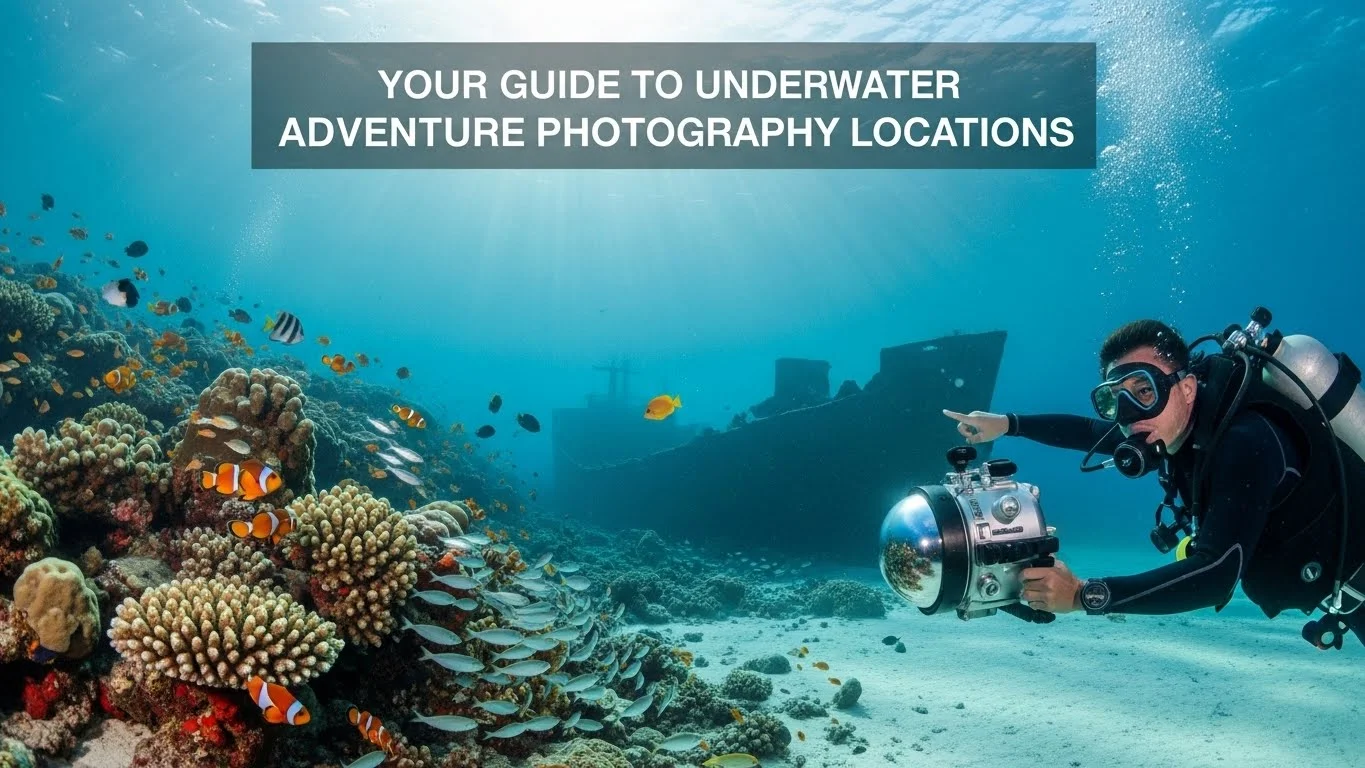
Underwater adventure photography is more than just snapping pictures beneath the surface; it’s about capturing the essence of life in aquatic environments. I remember the first time I submerged my camera into the ocean—the thrill of witnessing a bustling coral reef filled with colorful fish took my breath away. This style of photography allows us to document the beauty of marine life, the intricate details of underwater ecosystems, and the emotions that come with exploring the deep blue.
To me, it’s a blend of adventure and art. Each dive presents a new opportunity to capture unique moments, whether it’s the graceful glide of a manta ray or the intricate patterns of coral. When I look at my photos, I’m reminded not just of the visuals but of the experience—my heart racing as I swam alongside a school of fish or the tranquility I felt while gliding through a kelp forest. For anyone with a love for both photography and the ocean, it’s a perfect match.
Essential Equipment for Underwater Photography
Having the right gear can make all the difference in your underwater photography journey. From my own experiences, I’ve learned that investing in good equipment is crucial for capturing stunning underwater images. Here’s a breakdown of what you’ll need:
- Camera: A good waterproof camera or a DSLR with an underwater housing is essential. I started with a compact underwater camera, which was lightweight and easy to use. As I grew more comfortable, I upgraded to a DSLR for greater control.
- Underwater Housing: If you opt for a DSLR, make sure to invest in high-quality underwater housing. This keeps your camera safe from water damage. I once made the mistake of using subpar housing, and it almost cost me my gear!
- Strobe Lights: Natural light diminishes as you go deeper, so having strobe lights helps illuminate your subjects and brings out vibrant colors. I found that using a strobe made my photos pop, especially when photographing coral reefs.
- Wide-Angle Lens: A wide-angle lens is great for capturing expansive underwater scenes. I often find that many of my best shots come from using a lens that allows me to capture both the foreground and background.
- Filters: Color correction filters can help bring back the colors lost in deeper water. I often use a red filter when I’m diving shallow to enhance the reds and oranges of the coral.
- Buoyancy Control Device (BCD): A BCD is crucial for maintaining proper buoyancy and positioning while photographing. It allows you to stay still in the water, reducing movement and ensuring your shots are steady.
Photography Techniques for Underwater Environments
Once you have your gear ready, the next step is mastering the techniques that will help you capture stunning images. Having dived in various locations, I’ve picked up a few tricks along the way that I believe can elevate your underwater photography:
- Control Your Buoyancy: Maintaining control over your buoyancy is key to stable shots. Practicing this skill has allowed me to float effortlessly while framing my shots without disturbing marine life.
- Use Natural Light: If you’re diving in shallow waters, take advantage of natural light. I love experimenting with angles and shooting upwards to capture rays of sunlight filtering through the water. It creates a magical effect.
- Get Close: Underwater photography can sometimes distort distances. I’ve found that getting as close as possible to your subject makes for more impactful photos. It immerses viewers in the scene and captures intricate details.
- Be Patient: Patience is key in underwater photography. I often wait for the right moment—like a fish swimming into the perfect position—before clicking the shutter. It’s about capturing that fleeting instant that tells a story.
- Experiment with Angles: Changing your perspective can dramatically enhance your photos. I love shooting from below, which can give a sense of grandeur to smaller subjects like nudibranchs or sea turtles.
Each dive is an adventure, filled with unique opportunities to learn and grow as a photographer. I’ve discovered that while the right gear and techniques are essential, what truly makes underwater photography special is the connection we build with the ocean and its inhabitants. The next time you gear up for a dive, remember that you’re not just capturing images; you’re telling a story about the beauty that lies beneath the waves.
Top Underwater Adventure Photography Locations Worldwide
The Great Barrier Reef, Australia
The Great Barrier Reef has always been a bucket-list destination for underwater photographers, and for good reason. This sprawling reef ecosystem is home to thousands of marine species, vibrant coral formations, and crystal-clear waters. I remember my first dive here; the sheer variety of life was overwhelming. From the colorful clownfish dancing among anemones to the majestic sea turtles gliding effortlessly, every moment felt like a dream.
Whether you’re photographing the coral gardens of the Whitsundays or exploring the famous Cod Hole, there’s no shortage of subjects. I often found that early morning dives offered the best lighting and the least crowded experience. Just remember to respect the environment and follow local guidelines to preserve this natural wonder.
Blue Hole, Belize
The Blue Hole is a unique underwater sinkhole famous for its deep blue waters and fascinating marine life. When I dived here, I was struck by the dramatic underwater cliffs and the chance to see species like nurse sharks and giant groupers. The water clarity is exceptional, which really allows for stunning photographs. I found that diving deeper into the hole offered fantastic opportunities for capturing the contrasts of light and shadow against the blue backdrop.
This location is a photographer’s paradise, but it’s essential to plan your dive carefully. The best time to visit is during the dry season, from late November to mid-April, when visibility is at its peak. For those on a budget, I recommend checking out Capture Stunning Underwater Photos on a Budget Adventure.
Palau, Micronesia
Palau is often referred to as one of the last underwater paradises. For me, diving in the Rock Islands was one of the most memorable experiences. The stunning coral reefs, abundant marine life, and vibrant underwater landscapes make it a haven for photographers. I was particularly captivated by the Jellyfish Lake, where you can swim among non-stinging jellyfish—a surreal experience that makes for incredible photos.
In Palau, I learned that patience pays off. Waiting for the perfect moment to capture a passing manta ray or a school of fish can lead to some breathtaking shots. I highly recommend taking the time to explore various dive sites, as each offers something special.
Red Sea, Egypt
The Red Sea is renowned for its rich biodiversity and stunning coral reefs. I recall diving in places like Sharm El Sheikh and the Sinai Peninsula, where I encountered everything from vibrant lionfish to graceful dolphins. The visibility is often fantastic, making it easier to capture the vibrant colors of the coral and fish.
One of my favorite dives was at the Thistlegorm wreck, which is not only an underwater museum of history but also a fantastic site for photography. The way light filters through the wreck and the surrounding life thriving there creates a unique atmosphere. Timing your visit during the cooler months can enhance the experience, as the water is clearer and the marine life is more active.
Galápagos Islands, Ecuador
The Galápagos Islands are another dream destination for underwater adventure photography. The unique marine life, including sea lions, hammerhead sharks, and vibrant marine iguanas, offers endless photographic opportunities. I remember diving at Wolf and Darwin Islands and being awestruck by the sheer number of schools of fish and the majestic creatures that inhabit the waters.
One tip I learned from my experience is to stay flexible with your dive plans. The currents can be unpredictable, and often the best experiences come from following the movement of the marine life. The Galápagos are best visited during the dry season, from June to November, when the waters are cooler but teeming with life.
Maldives
The Maldives is well-known for its stunning atolls and crystal-clear waters. I’ve had some of my best underwater experiences here, especially while diving in sites like Maaya Thila and Fish Head. The colorful reefs and the diverse marine life, including manta rays and whale sharks, truly take your breath away. I remember how exhilarating it was to capture a manta ray gliding through the water, its wings outstretched in grace.
For photographers, the Maldives offers a chance to shoot both wide-angle landscapes and close-up details. I found that the best time to visit is between November and April, when the weather is ideal and visibility is fantastic.
Key Largo, Florida, USA
If you’re looking for a more accessible dive destination, Key Largo should be on your list. It’s home to the John Pennekamp Coral Reef State Park, where I experienced some fantastic dives. The vibrant coral reefs, along with the famous Christ of the Abyss statue, make for excellent photo opportunities.
What I love about diving in Key Largo is the variety of dive sites and the chance to encounter diverse marine life, from colorful fish to playful dolphins. The water is generally warm year-round, making it a suitable destination at any time.
Silfra Fissure, Iceland
For a unique underwater experience, Silfra Fissure in Iceland offers something completely different. The crystal-clear glacial waters provide stunning visibility, allowing you to photograph the incredible tectonic rift between the North American and Eurasian plates. I was fascinated by the surreal underwater landscapes, filled with vibrant blue hues and fascinating rock formations.
This dive is best suited for those who enjoy cold-water diving, as temperatures can drop significantly. But trust me, the experience is well worth it. I found that visiting during the summer months provided the best conditions, with calmer waters and excellent visibility.
When to Visit: Seasonal Considerations
Best Time of Year for Each Location
Timing your underwater photography adventure is crucial for capturing the best images. Each location has its own ideal seasons. For example, I’ve found that the best time to visit the Great Barrier Reef is between June and November when the weather is calm and visibility is at its peak. Similarly, the Maldives shines between November and April, making it a prime choice for divers seeking clear waters and abundant marine life.
In Belize, the dry season from late November to mid-April is perfect for diving the Blue Hole, ensuring you get the best visibility. If you’re dreaming of diving in Palau, aim for the months of April to June for optimal conditions and a chance to see the famous jellyfish bloom. Each of these locations comes alive during its respective season, and I can attest that planning your trip around these periods can make a world of difference in your photography.
Weather Conditions and Visibility
Weather conditions can dramatically impact your diving experience. I remember a dive in the Red Sea where the currents were strong, and visibility was compromised due to a recent storm. It was a reminder that while we can plan our dives, nature ultimately decides what we’ll get to see. The best visibility tends to be found during the dry seasons; for example, the Galápagos Islands are best visited from June to November when the water is cooler, and the chances of spotting marine wildlife increase.
Always check the local weather forecasts before your dive trip. I often consult dive shops or local experts for real-time updates about water conditions. Good visibility can elevate your underwater photography, helping you capture the vibrant colors and intricate details of the marine environment.
Marine Life Migration Patterns
One of the most exciting aspects of underwater photography is the chance to witness and photograph marine life during their migration patterns. In my experience, timing my dives to coincide with these migrations often resulted in breathtaking encounters. For instance, if you dive in the Galápagos during the migration of hammerhead sharks, you’re in for a treat! Similarly, the Maldives sees whale sharks cruising through its waters, especially during certain months.
In the Red Sea, I’ve noticed that the months of late summer attract large numbers of reef fish and pelagic species, making it an excellent time for underwater photography. Learning about the seasonal patterns of marine life can help you not only plan your trips but also enhance your photography portfolio. Connecting with local dive operators can provide valuable insights into when and where to spot specific species, creating opportunities for capturing those elusive shots that can define your underwater adventures.
Where to Stay: Accommodation Options
Resorts and Liveaboards
Finding the right place to stay can greatly enhance your underwater photography experience. I’ve had my share of stays at luxurious resorts that offer direct access to dive sites, making early morning dives a breeze. In the Maldives, for example, I loved staying at resorts that offered packages with daily diving. This not only saved time but also allowed me to meet fellow divers and share tips about photography.
Liveaboard trips have also become one of my favorite ways to dive. They allow you to explore multiple dive sites without the hassle of changing accommodations constantly. I remember a week-long liveaboard in Palau where we dove at some of the most stunning locations, often having the sites all to ourselves. The convenience of having meals prepared and your gear set up for you can make the diving experience even more enjoyable.
Budget-Friendly Options
Not everyone can splurge on luxury resorts or liveaboards, and I completely understand that. I’ve found that there are many budget-friendly options available without compromising on the diving experience. In Key Largo, I discovered cozy hostels and motels that were just a short drive from dive shops. I was amazed to find that these places often had great amenities and friendly atmospheres. Plus, the money saved could be used for extra dive trips! For more tips on budget-friendly photography, check out Capture the Wild: Budget Tips for Conservation Photography.
In addition to hostels, I recommend looking for guesthouses or Airbnb options. I’ve had wonderful stays in local homes where the hosts often provide valuable advice on the best dive sites and conditions. This kind of personal connection can enhance your experience, making it even more memorable.
Proximity to Dive Sites
When choosing your accommodation, being close to dive sites can be a game-changer. I’ve learned the hard way that a long commute can cut into precious dive time. For example, in Belize, I opted for a dive resort that was a short boat ride away from the Blue Hole and other fantastic sites. It allowed me to maximize my underwater photography sessions and have more flexibility with dive schedules.
Before booking, I always check the distance to the nearest dive shop and the dive spots I’m most excited about. Many resorts offer free shuttle services or packages that include diving, which can be super convenient. Proximity not only enhances convenience but also allows you to take advantage of early morning dives when the light is perfect for photography.
Frequently Asked Questions
What is Underwater Adventure Photography?
Underwater adventure photography is the practice of capturing the essence of life in aquatic environments, documenting the beauty of marine life and underwater ecosystems.
What essential equipment do I need for underwater photography?
You will need a good waterproof camera or a DSLR with underwater housing, strobe lights for illumination, a wide-angle lens for expansive shots, color correction filters, and a buoyancy control device (BCD) for stability.
How can I improve my underwater photography techniques?
To improve your techniques, control your buoyancy, use natural light, get close to your subjects, be patient, and experiment with different angles to enhance your photos.
What are some top locations for underwater adventure photography?
Some top locations include the Great Barrier Reef in Australia, Blue Hole in Belize, Palau, the Red Sea in Egypt, the Galápagos Islands, the Maldives, and Key Largo in Florida, USA.
When is the best time to visit the Great Barrier Reef for photography?
The best time to visit the Great Barrier Reef is between June and November when the weather is calm and visibility is at its peak.
What are the ideal conditions for diving in the Blue Hole?
The best time to dive in the Blue Hole is during the dry season, from late November to mid-April, when visibility is exceptional.
What type of marine life can I expect to see in Palau?
In Palau, you can expect to see stunning coral reefs, abundant marine life, and unique experiences like swimming among non-stinging jellyfish in Jellyfish Lake.
What should I consider when choosing accommodation for diving trips?
Consider proximity to dive sites, the type of accommodation (such as resorts or liveaboards), and budget-friendly options to enhance your underwater photography experience.
How does weather affect underwater photography?
Weather conditions can impact visibility and marine life encounters. It’s best to dive during dry seasons for optimal visibility and to check local weather forecasts before your dive trip.
What should I do to maximize my underwater photography sessions?
To maximize your sessions, choose accommodations close to dive sites, plan dives during ideal seasons, and stay flexible with your dive plans to follow marine life movements.