
Embarking on a solo backpacking adventure through Europe is one of the most exhilarating experiences one can have. With diverse cultures, breathtaking landscapes, and historic landmarks, every moment promises to be unforgettable. For those looking for a structured plan, check out our Ultimate Solo Travel Itinerary for Europe on a Budget.
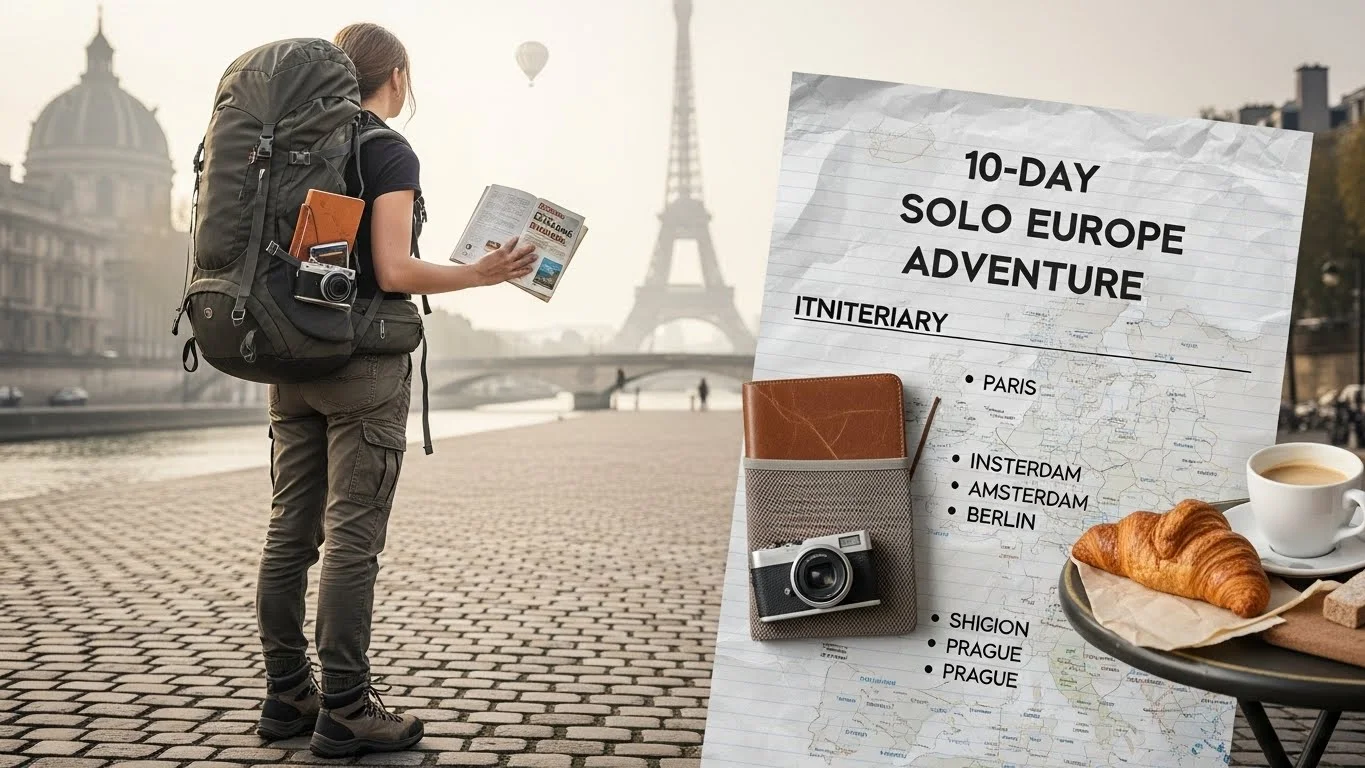
Overview of Solo Backpacking in Europe
When I first set out to backpack through Europe alone, I was filled with excitement and a bit of nervousness. The idea of navigating through different countries, cultures, and languages was daunting, but the freedom of solo travel beckoned to me like a siren song. Solo backpacking in Europe allows for deep exploration and self-discovery, and it’s a journey that can transform you in incredible ways.
Benefits of Solo Travel
Traveling solo has its unique set of perks. For one, you get to set your own schedule. I remember waking up one morning in Paris, deciding on a whim to spend the day at the Louvre instead of trying to catch a train to another city. This flexibility is a significant advantage of going solo. You can linger at a café, sip espresso, and people-watch without feeling rushed or having to accommodate anyone else’s plans.
Another benefit is the opportunity for personal growth. I learned to navigate through unknown streets and communicate in different languages, which boosted my confidence immensely. Each challenge I faced, whether it was finding my way or ordering food in a local language, taught me something new about myself. Plus, I found that solo travel often opens doors to meeting new people. I struck up conversations with fellow travelers and locals alike, leading to memorable experiences that I might have missed if I had been with a group. For insights on essential packing, check out Top 10 Must-Have Items for Solo Female Backpackers.
Challenges to Prepare For
However, solo travel isn’t without its challenges. I faced moments of loneliness, especially during the evenings when I found myself dining alone. I realized that I had to be proactive about meeting people and making connections. I learned to embrace my own company, but I also sought out social gatherings and hostels where I could meet other travelers. These experiences reminded me that it’s okay to feel vulnerable while traveling alone; it can lead to unexpected friendships and shared journeys.
Another challenge is the need for careful planning. I quickly learned that being prepared is crucial to avoid unnecessary stress. From booking accommodations in advance to having a general itinerary, these small details can make a huge difference. I found it helpful to have a mix of planned activities and free time, so I could enjoy spontaneity while still staying organized.
Safety is another concern that weighs on the minds of many solo travelers. I spent time researching safe neighborhoods to stay in, keeping my belongings secure, and being mindful of my surroundings. I made it a point to trust my instincts; if a situation felt off, I would change my plans. It’s essential to stay aware, yet it shouldn’t overshadow the joy of exploring new places.
In my experience, solo backpacking through Europe is a beautiful blend of freedom and responsibility. The key is to embrace the journey, with all its ups and downs. Each city offers unique experiences and challenges, and being prepared can make all the difference in enjoying your adventure.
Essential Packing List for Backpacking
As I prepared for my trip, I quickly realized that what I packed could make or break my experience. I went through a process of trial and error to find my perfect packing list, ensuring I had everything I needed without being weighed down.
Backpack Selection
The first step was choosing the right backpack. I opted for a 50-liter pack, which was spacious enough for my essentials while remaining manageable. Comfort is paramount, so I spent time trying on different packs to find one with good support and padding. I remember testing it out in my living room, walking around to see how it felt. A good backpack can be your best friend on the road.
Clothing Essentials
Next, I focused on clothing. I packed versatile clothing that I could mix and match. Lightweight fabrics were a must, especially since I planned to wash items on the road. I included a pair of comfortable shoes for walking, a light jacket, and a couple of layers for warmth. I learned that packing for a variety of weather conditions is wise, as Europe can be unpredictable, especially in the spring and fall. I also made sure to carry a small laundry bag for dirty clothes, which kept my backpack organized.
Travel Documents and Money
Travel documents and money management were also high on my packing list. I kept my passport, travel insurance, and important documents in a secure, easy-to-reach spot. I chose to carry a mix of cash and cards, ensuring I had enough local currency for smaller purchases. I set up a budget before I left, which helped me track my spending throughout the trip.
First Aid and Safety Items
Lastly, I packed a small first aid kit with essentials like band-aids, pain relievers, and any personal medications. It was comforting to know I was prepared for minor mishaps. I also included a portable charger for my phone, a travel lock for my backpack, and a whistle for safety. In my opinion, being prepared is half the battle when it comes to solo travel.
With my packing list in hand, I felt ready to embark on my European adventure. I learned that thoughtful preparation can lead to a more enjoyable and stress-free experience as a solo backpacker. Each item I packed became a part of my journey, contributing to the memories I would create along the way.
10-Day Itinerary Overview
After packing everything I thought I would need, I started to dream about the adventures that awaited me across Europe. Having a rough itinerary in mind helped me focus on what I wanted to see and do during my solo trip. I found that creating a ten-day itinerary allowed me to hit some of the major highlights while still leaving room for spontaneity. Here’s how I planned my journey:
Day-by-Day Breakdown
My adventure began with a mix of excitement and anticipation. I mapped out my days, ensuring that I could see iconic sights while also taking time to explore less touristy areas. Here’s how my ten-day itinerary looked:
- Day 1: Arrival in London
- Day 2: Exploring London
- Day 3: Travel from London to Paris
- Day 4: Discovering Paris
- Day 5: Journey from Paris to Amsterdam
- Day 6: Enjoying Amsterdam
- Day 7: Travel from Amsterdam to Berlin
- Day 8: Exploring Berlin
- Day 9: Journey from Berlin to Prague
- Day 10: Discovering Prague
Suggested Destinations and Travel Routes
Each destination offered its unique charm and character. For instance, I chose to take the Eurostar train from London to Paris, which was not only fast but also a comfortable way to travel. I remember sitting back, watching the countryside whiz by, feeling butterflies of excitement for the adventures that lay ahead. In Paris, exploring on foot allowed me to stumble upon quaint streets and hidden gems, something I cherished deeply.
When heading from Paris to Amsterdam, I opted for a train as well, appreciating the scenic views along the way. Amsterdam’s canals were a sight to behold, and I loved getting lost in its bike-friendly streets. For the journey from Amsterdam to Berlin, I booked a bus that was budget-friendly and allowed me to meet fellow travelers, sharing stories and laughs.
Berlin offered a vibrant mix of history and modernity, and I felt a palpable energy in the air. The train ride from Berlin to Prague was yet another adventure in itself, and I relished the chance to see the landscapes change as I crossed into the Czech Republic. Each city provided a fresh perspective and new experiences, and I couldn’t wait to explore more.
Day 1: Arrival in London
Getting from the Airport to the City
When I landed in London, the excitement was overwhelming. I decided to take the Heathrow Express to Paddington Station for a quick and smooth ride into the city. The train was comfortable, and I loved watching the city come into view. I remember feeling a rush of energy as I stepped off the train, ready to dive into the hustle and bustle. I knew I was finally on my solo adventure!
Accommodation Options
For my first night, I had booked a cozy hostel in the heart of London. I chose a place that boasted a friendly vibe and was highly rated for meeting fellow travelers. When I checked in, I felt a wave of relief wash over me. My dorm was clean, and I quickly struck up a conversation with two other backpackers, who had just come from Barcelona. It was comforting to connect with others who shared the same wanderlust.
Top Attractions to Visit
After dropping off my backpack, I ventured out to explore. I made my way to the iconic Big Ben and the Houses of Parliament. Standing there, I couldn’t help but feel a sense of awe at the history surrounding me. My first day also included a stroll through Westminster Abbey, where I marveled at the stunning architecture and the stories it held.
To end the day, I enjoyed a classic fish and chips dinner at a local pub. The comforting food warmed me up, and I felt grateful for the experiences I was already having. I went to bed that night with a heart full of excitement for the journey ahead, knowing that each day would bring new adventures and unforgettable memories.
Day 2: Exploring London
Must-See Landmarks
On my second day, I woke up early, fueled by the thrill of exploring more of London. I started my day at the Tower of London, where I was captivated by the tales of its history. Walking through the ancient walls, I could almost hear whispers of the past. The Crown Jewels were a highlight—I was in awe of their beauty and the craftsmanship.
From there, I took a leisurely walk along the River Thames, enjoying views of the iconic Tower Bridge. I made a spontaneous decision to hop on a river cruise, which gave me a different perspective of the city. As we glided along the water, I felt a sense of peace wash over me, admiring landmarks like the Shard and the Globe Theatre from a unique vantage point.
Public Transportation Tips
One thing I quickly learned about getting around London was the importance of the Tube. The London Underground is efficient and easy to navigate. I downloaded a transport app to help me plan my routes, which made moving through the city seamless. I loved the feeling of hopping on and off the trains, and each ride became an adventure in itself, filled with interesting people-watching moments.
Free Activities in London
One of my favorite parts about exploring London was discovering the many free activities available. I took a stroll through Hyde Park, enjoying the greenery and watching swans glide across the Serpentine. I also found myself wandering through the British Museum, where I marveled at the vast collection of art and artifacts from around the world. It was incredible to think that I was standing in a space filled with history spanning centuries.
As my first couple of days unfolded, I couldn’t help but feel grateful for the opportunity to experience London at my own pace. The city had already started to feel like a second home, and I was eager to continue my journey across Europe.
Day 3: Travel from London to Paris
Transportation Options (Train vs. Flight)
As I prepared to leave London, I felt a mix of excitement and nostalgia. The idea of heading to Paris made my heart race. I had two main options for getting there: train or flight. I ultimately decided on the Eurostar train, and I’m so glad I did. The train ride was not only faster, taking about two and a half hours, but it also allowed me to relax and enjoy the scenery as we sped through the English countryside and then under the Channel. I remember sinking into my seat, my travel playlist on, and watching the world go by as the anticipation of Paris filled me with joy.
Accommodation in Paris
Once I arrived at Gare du Nord, I was thrilled to step into the vibrant atmosphere of Paris. I had booked a charming hostel in the Montmartre district, which was famous for its artistic history and beautiful streets. When I checked in, I was greeted warmly by the staff, and my dorm room had a lovely view of the bustling street below. I quickly dropped off my backpack and headed out to explore my new surroundings. Staying in Montmartre allowed me to be within walking distance of many attractions, which was a big plus.
Evening Activities in Paris
After settling in, I decided to wander around Montmartre. The cobblestone streets felt alive, and I loved how every corner seemed to reveal a new café or artist at work. I stumbled upon the iconic Sacré-Cœur Basilica and took a moment to admire the stunning view of the city below. As the sun began to set, I found a quaint little bistro to have dinner. I ordered a classic French dish, coq au vin, and savored every bite while soaking in the Parisian ambiance.
Later that evening, I made my way to the Seine River. I wanted to see the Eiffel Tower lit up at night, and it was absolutely magical. I joined a small group of people gathered along the waterfront, and together we watched as the tower sparkled for five minutes on the hour. It was a moment of pure wonder, and I felt so grateful to be experiencing it alone yet connected to others sharing the same awe.
Day 4: Discovering Paris
Iconic Attractions to Visit
My first full day in Paris was nothing short of exhilarating. I woke up early, eager to dive into the city’s rich history and culture. My first stop was the Louvre. I had heard so much about it and wanted to see the Mona Lisa in person. I remember standing in front of her, feeling a mixture of admiration and curiosity. It was amazing to think of all the people who had stood in the same spot over the years, all captivated by the same painting.
After the Louvre, I ventured to the Musée d’Orsay, where I fell in love with Impressionist art. The building itself was a former railway station, which added to its charm. I spent hours wandering through the galleries, feeling inspired by the beauty surrounding me.
Cultural Experiences: Museums and Galleries
Throughout the day, I made it a point to immerse myself in Parisian culture. I visited local galleries and even attended a small art exhibition featuring up-and-coming artists. It was refreshing to see the creativity flowing in such a vibrant city. I struck up a conversation with a local artist who shared her insights about the Parisian art scene. It made me realize how authentic connections can be formed while traveling, even in brief encounters.
Dining Recommendations
When it came to dining, I was determined to try various French cuisines. I had lunch at a cute café where I ordered a croque monsieur and a side of ratatouille. Each bite was a delight, and I enjoyed my meal while people-watching from my table. Later, for dinner, I sought out a restaurant known for its escargot. I remember feeling adventurous as I tried something new. The experience was surprisingly delicious, and I savored every moment. Dining alone in Paris allowed me to take my time, reflect on my day, and fully enjoy the flavors of the city.
As my second day in Paris came to a close, I felt a deepening love for the city. Each experience was shaping my journey, and I eagerly looked forward to what the next day would bring. If you’re interested in more inspiring travel stories, be sure to read Solo Female Travel: Inspiring Stories for Your Next Adventure.
Frequently Asked Questions
What are the benefits of solo backpacking in Europe?
Solo backpacking in Europe allows for deep exploration and self-discovery, offering benefits such as setting your own schedule, personal growth through navigating new environments, and the opportunity to meet new people.
What challenges might a solo traveler face?
Challenges include moments of loneliness, the need for careful planning, and safety concerns. It is important to be proactive about meeting people and to stay aware of your surroundings while traveling alone.
How should one prepare for a solo backpacking trip?
Preparation involves careful planning, such as booking accommodations in advance and creating a rough itinerary. It’s also essential to research safe neighborhoods and have a mix of planned activities and free time.
What is an essential packing list for backpacking in Europe?
An essential packing list includes a comfortable backpack, versatile clothing, travel documents and money management items, a small first aid kit, and safety items like a portable charger and a travel lock.
What size backpack is recommended for solo backpacking?
A 50-liter pack is recommended as it provides enough space for essentials while remaining manageable and comfortable for travel.
How can one make meaningful connections while traveling solo?
To make connections, travelers can seek out social gatherings, stay in hostels, and engage in conversations with fellow travelers and locals, which can lead to memorable experiences.
What transportation options are available for traveling between cities in Europe?
Travelers can choose between trains and buses, with trains like the Eurostar being a popular choice for speed and comfort, while buses can be budget-friendly and provide opportunities to meet others.
What are some must-see attractions in London?
Must-see attractions in London include Big Ben, the Houses of Parliament, Westminster Abbey, and the Tower of London, along with free activities like visiting Hyde Park and the British Museum.
What are some dining recommendations for Paris?
In Paris, travelers should try local dishes such as coq au vin, croque monsieur, ratatouille, and escargot, enjoying meals at cafés and restaurants while taking time to reflect on their experiences.
What activities can one do to experience Parisian culture?
To experience Parisian culture, visitors can explore museums like the Louvre and Musée d’Orsay, attend local art exhibitions, and engage with artists and locals to gain deeper insights into the city’s vibrant art scene.