
Urban cityscape photography offers a unique chance to capture the vibrant life and architecture of a city. With the right techniques and tips, you can transform ordinary scenes into stunning visual stories. Read Interesting article: Urban Landscape Photography: Travel on a Budget
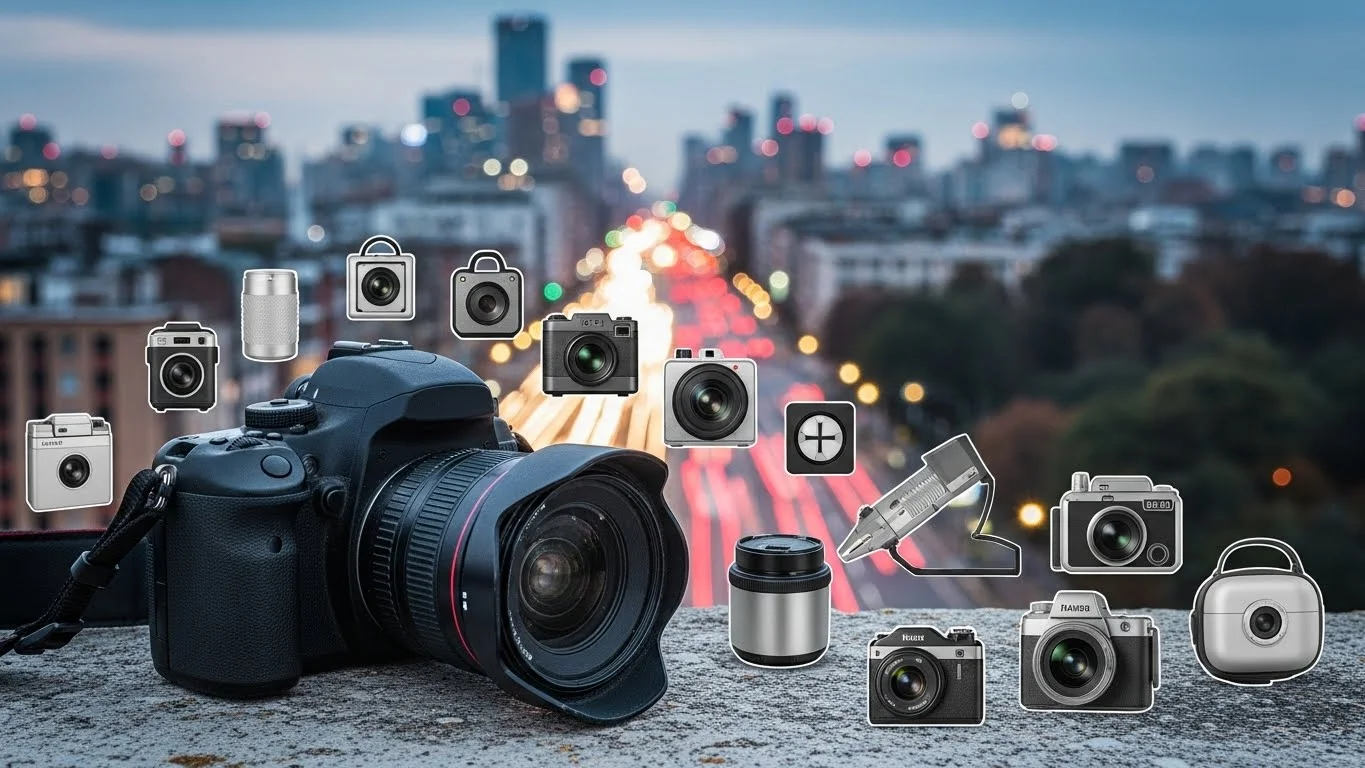
Understanding Urban Cityscape Photography
The Essence of Urban Cityscapes
When I think of urban cityscape photography, I envision the bustling streets, towering skyscrapers, and the little moments that often go unnoticed. It’s more than just capturing buildings; it’s about telling a story through the lens. The essence of urban cityscapes lies in the way these environments interact with the people who inhabit them. I remember my first time walking through a busy downtown area, overwhelmed by the sights and sounds, and how I wanted to hold that feeling in a photograph. Each city has its unique character, from the historical architecture of European towns to the ultra-modern skylines of cities like Dubai or New York. Capturing that essence is what makes cityscape photography so compelling.
Different Types of Cityscapes
Urban cityscapes can be broadly categorized into several types, each offering its own challenges and rewards. For me, exploring these different types has helped sharpen my skills and broaden my creative perspective. Here are a few common types:
- Architectural Cityscapes: These focus on buildings and structures, showcasing their design and form. I often find myself drawn to the intricate details of older buildings and the sleek lines of modern designs.
- Street Scenes: These capture the daily life of the city, featuring people, vehicles, and interactions. I love the spontaneity of capturing a candid moment amidst the chaos.
- Skyline Shots: A classic approach, where the skyline of a city is the main subject. I often plan my trips around specific vantage points to get the best views, especially during sunset.
- Nightscapes: These are all about capturing the city after dark when the lights come alive. There’s something magical about the glow of neon signs and the shimmering reflections on wet pavement.
Popular Urban Locations for Photography
Every city has its hotspots for photography, and discovering these locations can be a thrilling part of the process. I’ve made it a habit to research and explore before I head out. Here are some popular urban locations that I’ve found particularly rewarding:
- Iconic Landmarks: Places like the Eiffel Tower in Paris or the Golden Gate Bridge in San Francisco are not just tourist spots; they can be the centerpiece of stunning compositions. I remember standing on the Brooklyn Bridge, waiting for the right moment to capture both the city and the bridge in one shot.
- Rooftop Views: Many cities offer rooftop bars or observation decks that provide breathtaking views. I’ve often found these spots to be perfect for both sunset and night photography, as the city lights start to sparkle.
- Parks and Public Spaces: Urban parks can provide a contrasting backdrop to the concrete jungle. I love capturing the juxtaposition of nature within the city, whether it’s a serene lake in Central Park or people enjoying their day in a city square.
- Quaint Neighborhoods: Exploring neighborhoods with unique architecture and culture can yield unexpected gems. I often wander through local streets, finding charming buildings and vibrant street art that reflects the city’s character.
Choosing the right location can dramatically affect your photos. I always keep my camera ready, as the best shots often come when I least expect them. Urban cityscape photography invites us to look deeper, to find beauty in the everyday and to share our unique perspective through our images.
Essential Gear for Urban Cityscape Photography
Camera Types: DSLR vs. Mirrorless
Choosing the right camera for urban cityscape photography can feel a bit overwhelming, especially with so many options available. Personally, I’ve experimented with both DSLR and mirrorless cameras, and I can honestly say each has its strengths. DSLRs are known for their durability and battery life; I often appreciate the feel of a sturdy DSLR in my hands when I’m out shooting. However, mirrorless cameras have been a game-changer for me due to their compact size, lighter weight, and silent operation, which helps when I’m trying to capture candid moments without drawing too much attention. If I had to recommend one, I’d say go for what feels right in your hands and fits your shooting style. You might find that trying out both types can help you determine what you prefer.
Lenses for Cityscape Photography
The lens you choose can dramatically influence your cityscape images. From my experience, a wide-angle lens is often indispensable for capturing the breadth of a skyline or the grandeur of towering buildings. I particularly love my 16-35mm lens; it allows me to fit more of the scene into the frame without having to step back too far. However, I’ve also found that having a good prime lens, like a 50mm, brings a level of sharpness and clarity that can make a big difference in detailed shots. Additionally, I’ve realized that experimenting with telephoto lenses can help create unique perspectives by isolating architectural elements or compressing the distance between buildings. It’s all about what story you want to tell with your images. Read Interesting article: Best Budget Gear for Urban Landscape Photography
Tripods: Stability and Composition
Now let’s talk tripods, which I’ve learned are essential for urban photography, especially in low-light situations or when using longer exposures. A sturdy tripod allows you to eliminate camera shake, ensuring that your images are crisp and clear. I remember one time setting up my tripod in a busy square, waiting for the perfect moment to capture the city lights reflecting off a glass building. Without my tripod, I wouldn’t have been able to achieve the longer exposure necessary to get that dreamy effect. I prefer lightweight models that are easy to transport, but I also ensure they’re stable enough to handle windy conditions. It’s a balance, but investing in a good tripod has made a noticeable difference in the quality of my photos.
Mastering Composition Techniques
The Rule of Thirds in City Photography
Composition is critical in photography, and one of the first techniques I learned was the rule of thirds. This simple guideline suggests dividing your frame into a 3×3 grid and placing key elements along these lines or at their intersections. I often find that it helps create more balanced and visually appealing images. For example, when photographing a city skyline, I might place the horizon along the bottom third while positioning a notable building off to one side. This not only draws the viewer’s eye but gives the image a sense of movement. I can’t tell you how many times I’ve reviewed my shots and realized that just a slight adjustment in composition could elevate the entire photo.
Leading Lines and Symmetry
Another technique I love utilizing is leading lines, which naturally guide the viewer’s eye through an image. Urban environments are filled with these lines—from roads and pathways to the edges of buildings. I’ve often found that a well-placed street or sidewalk can lead the viewer directly to the main subject of my photograph. Additionally, symmetry can create striking images, especially when capturing the facades of buildings or reflecting pools. I remember snapping a shot of a perfectly symmetrical building, and it felt like the image almost popped off the page. Combining these two techniques can add depth and intrigue to your photographs, making them more engaging.
Incorporating Foreground Elements
Including foreground elements is another technique that can enhance the depth of your cityscapes. I enjoy finding interesting objects like benches, street signs, or even people that can frame the main subject. This technique creates layers in your image, drawing the viewer’s eye from the foreground to the background. For instance, during a visit to a busy plaza, I positioned a chair in the foreground while capturing the bustling scene behind it. It added context and a sense of place to my shot. I believe it’s all about enhancing the storytelling aspect of urban photography and providing viewers a glimpse into the life that surrounds the main subject.
Lighting and Timing for Stunning Shots
Golden Hour: When to Shoot
When it comes to lighting, the golden hour is my absolute favorite time to shoot. This magical period right after sunrise or before sunset bathes the city in warm, soft light and creates long shadows that add drama to my images. I always try to plan my outings around this time; I’ve found that it brings a whole new level of beauty to even the most ordinary scenes. The way the sun reflects off buildings and highlights their textures is something I never get tired of. I’ve learned that a little bit of planning goes a long way in capturing those stunning, golden moments.
Dealing with Harsh Midday Sun
Of course, not every shoot happens at golden hour, and I’ve had to adapt to shooting during the harsh midday sun sometimes. I’ve discovered that finding shaded areas can help reduce squinting and harsh shadows on my subjects. Additionally, I try to shoot at an angle where the sun is at my back, which helps create more even lighting on my subject. If I can’t find shade, I often look for interesting reflections or shadows cast by buildings. These elements can add an artistic touch that transforms the harsh light into an advantage, rather than a hindrance.
Night Photography: Capturing the City Lights
Night photography holds a special allure for urban photographers like me. There’s something magical about capturing the city lights as they illuminate the streets and buildings. I’ve learned to embrace longer exposures during these shoots, which allows me to capture the vibrant colors and movement of nightlife. A good tip I’ve picked up is to scout my locations during the day so I know where to set up later. I remember one night walking along a bustling street, setting my camera on a tripod, and just being in awe as the lights danced in my frame. It’s moments like these that remind me why I love urban photography.
Post-Processing Tips for Urban Cityscapes
Editing Software Recommendations
Once I’ve captured some great shots, the fun doesn’t stop there! The editing process is a crucial part of my workflow. I’ve tried several software options, and I’ve found that Adobe Lightroom and Photoshop are my go-tos. Lightroom is fantastic for batch editing and organizing photos, which saves me a lot of time. The intuitive sliders make adjusting exposure and color balance a breeze. For more detailed edits, like retouching or compositing, I turn to Photoshop. It’s powerful and allows for endless creativity. If you’re looking for something more budget-friendly, I highly recommend checking out Your Guide to Budget-Friendly Seasonal Landscape Photography or even free options like GIMP. Each tool has its unique features, so it’s worth experimenting to see what fits your style best.
Basic Adjustments: Contrast and Exposure
One of the first things I do in post-processing is adjust contrast and exposure. I’ve learned that even a slight tweak can dramatically enhance a photo. For cityscapes, making the shadows deeper can add drama, while boosting highlights can bring out the sparkle of city lights. I always keep an eye on the histogram to ensure I’m not losing detail in the highlights or shadows. I remember one photo of a sunset skyline where increasing the contrast really made the colors pop and added depth to the buildings. It’s all about balancing those adjustments to get a natural yet striking look.
Enhancing Colors and Details
After the basic adjustments, I dive into enhancing colors and details. I love playing with vibrance and saturation to make the hues of a cityscape come alive. It’s important to be careful here; too much saturation can make a photo look unnatural. I often use selective adjustments to enhance specific areas without overdoing it. For example, I might increase the vibrancy of the sky while keeping the foreground colors more subdued. Additionally, sharpening can help bring out the fine details in architecture, which I think adds a professional touch to my images. I remember editing a shot of a historic building where a bit of sharpening helped highlight the intricate carvings—transforming it into a focal point of the image.
Creative Techniques to Stand Out
Long Exposure Photography
One technique that has truly transformed my urban photography is long exposure. It allows me to capture movement in a way that’s visually striking. I often use this technique when photographing busy streets or flowing water. By using a tripod and a neutral density filter, I can extend my exposure time, creating that silky smooth effect of cars and people in motion while keeping the buildings sharp. I remember one evening at a busy intersection, capturing the trails of headlights and taillights as streaks of color against the stillness of the buildings. It added a dynamic layer to the photo, telling a story of urban life in motion.
Using Reflections in Urban Environments
Reflections are another creative element I love to incorporate in my cityscape photography. Glass buildings, puddles, and even shiny surfaces can create unique compositions. I’ve found that capturing reflections can add a whole new dimension to an image. For instance, while shooting a modern skyscraper, I aimed my camera downwards toward a puddle after a rain. The reflection mirrored the building perfectly, creating a symmetrical and intriguing shot. It’s moments like these that remind me to always look down as much as I look up. There’s a whole world reflected in the surfaces around us!
Incorporating People for Scale and Story
Including people in my cityscape shots has been a game-changer for storytelling. It adds scale and context to the images, making them feel alive. I often wait for the right moment to capture a person walking through a frame or interacting with their environment. One of my favorite shots features a lone figure standing at a busy crosswalk against a backdrop of towering buildings. This contrast not only showcases the scale of the city but also invites viewers to imagine the story behind that person. I feel that including human elements brings an emotional connection to the image, making it more relatable.
Safety and Etiquette in Urban Photography
Staying Safe While Shooting in Cities
Shooting in urban environments can be thrilling, but it’s essential to prioritize safety. I always stay aware of my surroundings, especially in crowded areas or unfamiliar neighborhoods. I’ve learned to avoid displaying expensive gear in public and to keep my camera secure and close. It’s also wise to plan my shooting times and locations, opting for busier areas during daytime hours. I remember once getting lost in a less populated area while trying to find a unique shot; it was a reminder that keeping my head on a swivel is vital. Safety should never take a backseat to creativity.
Respecting Privacy and Local Laws
Respecting privacy is crucial when photographing in urban settings. I always consider whether someone might feel uncomfortable being in my shot. If I’m focusing on a specific person or group, I make sure to ask for permission first. Additionally, I’ve learned about local laws regarding photography, especially in places like museums or private property. It’s always better to err on the side of caution. I remember one instance where I was photographing a local street festival; I made sure to respect the organizers’ requests and only took photos of people who were open to it. It’s about creating a positive experience for everyone involved.
Best Practices for Interacting with Locals
Interacting with locals can enrich my urban photography experience. I always try to engage with people I meet, asking for recommendations on hidden gems or unique spots. This not only helps me find great locations but also creates a sense of community. I remember chatting with a street vendor who shared some amazing local insights about the area. That conversation led me to some of my favorite photo opportunities, like vibrant murals and bustling markets. Being friendly and respectful can open doors and create memorable experiences while capturing the essence of a city.
Frequently Asked Questions
What is the essence of urban cityscape photography?
The essence of urban cityscape photography lies in capturing the vibrant life and architecture of a city, telling a story through the lens, and showcasing the interaction between the environment and the people who inhabit it.
What are the different types of urban cityscapes?
Urban cityscapes can be categorized into several types, including architectural cityscapes, street scenes, skyline shots, and nightscapes, each offering unique challenges and rewards for photographers.
What are some popular urban locations for photography?
Some popular urban locations for photography include iconic landmarks, rooftop views, parks and public spaces, and quaint neighborhoods that reflect the city’s character.
What camera types are recommended for urban cityscape photography?
Both DSLR and mirrorless cameras are recommended for urban cityscape photography. DSLRs are known for their durability and battery life, while mirrorless cameras are appreciated for their compact size and silent operation.
What lens is often considered essential for cityscape photography?
A wide-angle lens is often considered essential for cityscape photography, as it allows photographers to capture the breadth of a skyline or the grandeur of buildings effectively.
Why are tripods important in urban photography?
Tripods are important in urban photography as they provide stability, especially in low-light situations or when using longer exposures, eliminating camera shake and ensuring crisp, clear images.
What is the ‘golden hour’ in photography?
The ‘golden hour’ refers to the magical period right after sunrise or before sunset when the city is bathed in warm, soft light, creating ideal conditions for photography.
How can harsh midday sun be managed in photography?
To manage harsh midday sun, photographers can find shaded areas to reduce squinting and harsh shadows, or position themselves with the sun at their back to create more even lighting on subjects.
What role do reflections play in urban cityscape photography?
Reflections can add a unique dimension to urban cityscape photography, creating interesting compositions by capturing mirrored images from glass buildings, puddles, and shiny surfaces.
What are some safety tips for shooting in urban environments?
Safety tips for shooting in urban environments include staying aware of surroundings, avoiding displaying expensive gear, planning shooting times and locations, and being cautious in less populated areas.