
Backpacking and photography go hand in hand, especially when it comes to capturing the vibrant cultures of the world. Join me on a journey where every step can lead to a stunning cultural photograph! Read Interesting article: Explore the World: Best Cultural Festivals for Photographers
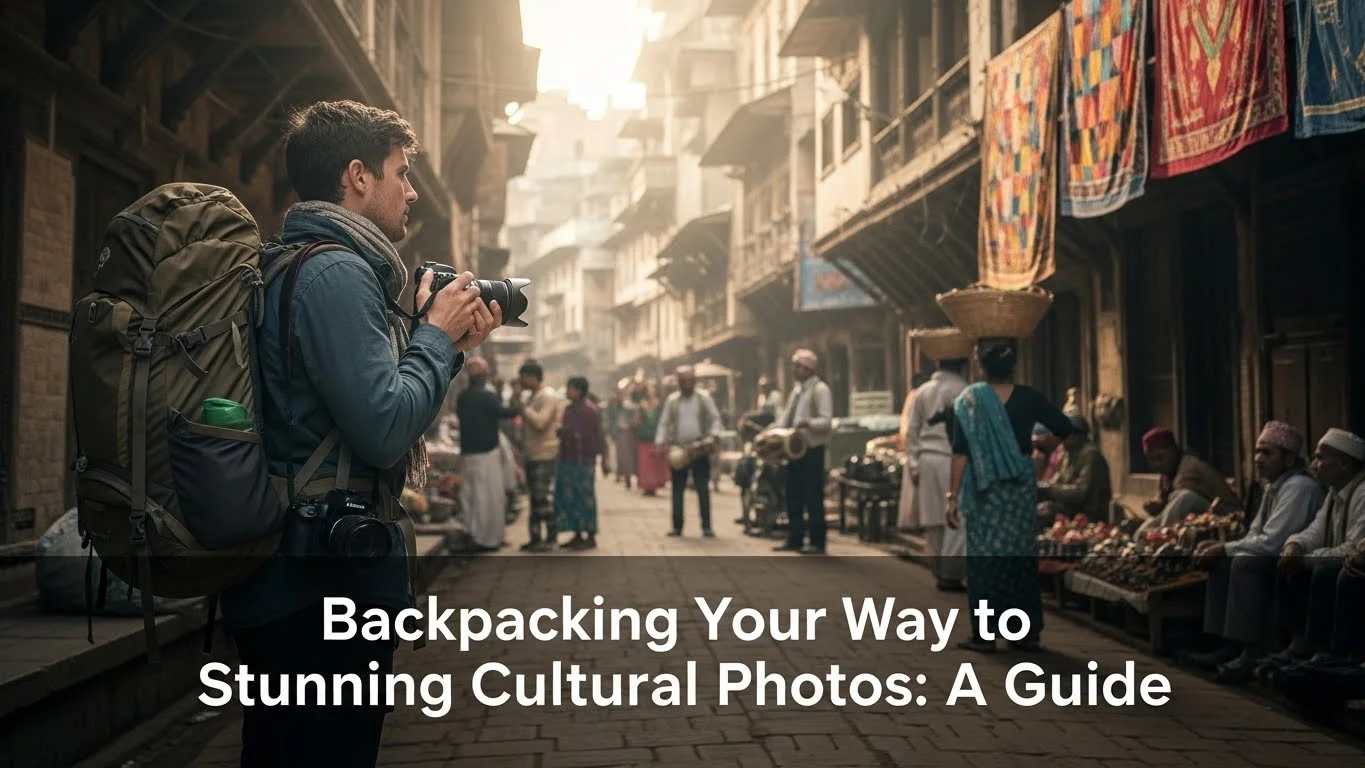
Understanding Cultural Photography
What is Cultural Photography?
Cultural photography is more than just snapping pictures; it’s about telling a story of people, their traditions, and their way of life. I remember the first time I picked up my camera during a trip abroad. I was fascinated by the vibrant colors of local attire, the expressions on people’s faces, and the rich textures of everyday life. Cultural photography aims to capture these moments authentically, reflecting the essence of a community. It’s about immersing yourself in the culture, understanding its nuances, and then translating that experience into visual art.
The Importance of Cultural Context in Photography
When I began my journey into cultural photography, I quickly realized how crucial context is. Each photo tells a part of the larger story, and without understanding what you’re capturing, those stories can get lost. For instance, I once photographed a local festival in a small town. The colors, the music, and the joy were palpable. But it wasn’t until I learned about the festival’s history and significance that I truly appreciated what I had captured. Context adds depth to your images and helps viewers connect with the culture on a more personal level. It’s about observing and understanding the traditions, the celebrations, and the everyday life that shapes a community.
Preparing for Your Backpacking Journey
Choosing Your Destinations
Choosing where to go can be both exciting and overwhelming. For me, the best destinations are those rich in history and culture. I often think back to my trip to Morocco, where every corner of the market was alive with color and sound. It’s important to research destinations that celebrate their heritage, whether it’s through festivals, food, or local traditions. Sites like UNESCO’s World Heritage list can be a great starting point, but personal recommendations from fellow travelers often lead to hidden gems. Consider what aspects of culture speak to you the most—art, music, food, or history—and let that guide your choices. Additionally, I recommend reading about cultural experiences in resources like Portraits in Context: A Guide to Cultural Travel Photography to enhance your understanding.
Essential Gear for Backpacking and Photography
When it comes to gear, I’ve learned that less is often more. Over the years, I’ve trimmed my pack to the essentials. A good camera is a must, but I recommend starting with something manageable. A DSLR or a mirrorless camera with a versatile lens can work wonders, but even a smartphone can yield stunning results when used thoughtfully. Don’t forget extra batteries, memory cards, and a lightweight tripod. For me, a good backpack that can comfortably carry my gear is a game changer. It allows me to explore freely without worrying about my equipment. Also, pack a few items to help you stay safe and comfortable, like a first aid kit, a reusable water bottle, and snacks.
Backpacking Safety Tips
Safety is paramount, especially when you’re focused on photography. I always make it a point to stay aware of my surroundings. It’s easy to get lost in the moment while capturing the perfect shot, but I remind myself to stay vigilant. Always keep your belongings close and be cautious about where you set up your shots. I also recommend sharing your itinerary with someone back home and checking in regularly. It’s a small step that can make a big difference. Additionally, familiarize yourself with local customs and laws regarding photography; some places may have restrictions that you’ll want to respect.
Finding Local Guides
Having a local guide can enhance your experience immensely. I remember hiring a guide during my travels in Vietnam. They not only took me to the must-see spots but also introduced me to local customs and lesser-known locations. This connection often leads to more authentic photographs. Plus, guides can help you navigate language barriers, making it easier to engage with locals and get permission for photos, which is crucial for cultural sensitivity.
As you prepare for your backpacking adventure, embracing the culture and understanding its context will elevate your photography. I’ve found that when we genuinely connect with the places we visit, our images resonate more deeply, capturing the very spirit of the culture. So, pack your bags and get ready to explore the world through your camera lens!
Best Times to Travel for Cultural Events
Seasonal Festivals and Events
One of my favorite ways to immerse myself in a culture is through its seasonal festivals. These events are often a burst of color, sound, and emotion, offering unparalleled opportunities for cultural photography. I remember traveling to India during Diwali, the Festival of Lights. The streets were alive with lights, fireworks, and joyful revelers. Capturing the expressions of families celebrating together was incredibly rewarding. I’ve learned that each season brings its unique festivals, from the vibrant Carnival in Brazil to the serene Cherry Blossom Festival in Japan. Researching and planning my trips around these events has not only enriched my experience but also provided a wealth of photographic opportunities. Websites and local tourism boards can be great resources for finding out about upcoming festivals.
Local Holidays and Celebrations
In addition to large festivals, I’ve discovered that local holidays often reveal the heart of a culture. These celebrations can be more intimate and less touristy, giving me a chance to see traditions in their purest form. For instance, when I visited Peru, I was fortunate enough to witness Inti Raymi, the Festival of the Sun. The locals dressed in traditional attire, and the atmosphere was filled with reverence and excitement. These smaller holidays are not always well-publicized, so I recommend talking to locals or guides to find out what celebrations may be happening during your visit. I’ve found that engaging with local communities during their holidays can lead to some of my most cherished memories and photographs.
Capturing Stunning Cultural Photos
Techniques for Cultural Photography
When it comes to capturing stunning cultural photos, I’ve realized that technique plays a crucial role. First and foremost, I always try to be respectful and unobtrusive while photographing people. I often use a longer lens to capture candid moments from a distance, allowing me to document authentic interactions without interrupting them. I’ve also learned about the importance of natural light; shooting during the golden hour—shortly after sunrise or before sunset—can dramatically enhance the warmth and beauty of my images. Another technique that I find useful is focusing on details. Close-ups of hands at work, intricate patterns in textiles, or colorful spices in a market can tell compelling stories on their own.
Best Practices for Engaging with Locals
Engaging with locals can transform my photography experience. I make it a point to greet people, learn a few phrases in their language, and express genuine interest in their lives. This approach has helped me build trust, making it easier to ask for permission to take photos. I remember one instance in a small village in Thailand where I was nervous about approaching a group of women making traditional crafts. But after sharing a smile and a few words, they welcomed me into their space, and I was able to capture beautiful moments of their craftwork and laughter. I’ve learned that being open and respectful can lead to not just better photographs, but also deeper connections with the culture.
Key Locations for Cultural Photography
Historic Sites and Landmarks
Exploring historic sites is often a gateway to understanding a culture’s past. I feel that these locations can offer insight into how traditions have been shaped over time. For instance, visiting the ancient ruins of Machu Picchu in Peru provided me with a sense of connection to the Incan civilization. The backdrop of the Andes mountains added a dramatic element to my photos. I always recommend taking time to wander around these sites, looking for unique angles and perspectives. Early mornings or late afternoons can provide softer light, which can enhance the beauty of these landmarks.
Local Markets and Street Scenes
Local markets are treasure troves for cultural photography. During my travels, I’ve found that these bustling spaces often reflect the daily life of a community. In Marrakech, the souks were vibrant with merchants selling spices, textiles, and crafts. Capturing the energy of these markets—with their vivid colors and lively interactions—has become one of my favorite challenges. I like to roam through the stalls, observing and photographing the local vendors and shoppers. I’ve noticed that sometimes, the best shots come from unexpected moments, like a vendor sharing a laugh with a customer or a child playing nearby.
Religious and Spiritual Sites
Religious and spiritual sites can offer profound insights into a culture’s beliefs and values. I remember visiting the temples of Angkor Wat in Cambodia, where the intricate carvings and peaceful atmosphere were captivating. These sacred spaces often inspire deep respect and contemplation, so I always approach them with care. While photographing, I try to capture the serenity and spirituality of the surroundings. I’ve found that it’s essential to be aware of customs and rules in these sites, such as dress codes or restrictions on photography, to ensure that I’m not only respectful but also able to create meaningful images.
Understanding and Respecting Local Customs
Cultural Sensitivity in Photography
As I’ve traveled, I’ve come to realize that cultural sensitivity is key to capturing authentic images while showing respect to the communities I visit. It’s essential to remember that behind every photo is a story and people who may feel vulnerable or exposed. I always try to familiarize myself with local customs and traditions before snapping away. For example, in some cultures, photography can be seen as intrusive, and I’ve learned that a simple gesture of respect, like asking permission, can go a long way. I remember visiting a remote village in Nepal where I was keen to capture daily life. By simply asking if I could take pictures, I was met with smiles and openness, which allowed me to photograph their beautiful moments without feeling like an outsider. Being aware of local norms not only enriches my photography but also fosters trust and goodwill.
Obtaining Permission for Photos
In my experience, obtaining permission before photographing people is crucial. I can’t stress enough how a respectful approach can change the dynamics of my interactions. In many places, especially in communities where traditions and privacy are highly valued, asking for permission is not just polite; it’s a sign of respect. I’ve found that a few simple phrases in the local language can break the ice and often lead to delightful exchanges. For instance, while in a small town in Morocco, I approached a group of artisans crafting pottery. With a friendly smile and a simple request in Arabic, I was welcomed to not only take photos but also to learn about their craft. This engagement not only made my photos richer but also deepened my understanding of their culture. Remember, if someone declines, it’s important to respect their wishes without taking it personally.
Editing and Showcasing Your Cultural Photos
Basic Photo Editing Techniques
Once I’m back from a trip, the fun of editing my cultural photos begins. I always start by organizing my images, selecting the ones that resonate most with the stories I want to tell. For me, basic editing techniques can significantly enhance the narrative of my photos. I typically use software like Lightroom or Photoshop, where I can adjust exposure, contrast, and color balance to bring out the best in my images. I often find that cropping can help focus on the subject, eliminating distractions from the frame. One of my favorite tips is to play with the shadows and highlights to create a more dynamic feel, which can really bring the emotion of a scene to life. I also enjoy adding a touch of warmth to my travel images, as it often reflects the vibrant cultures I experienced during my travels.
Creating a Photo Portfolio or Blog
After editing, showcasing my cultural photography becomes the next exciting step. I decided to create a blog to share my travels and the stories behind my photos. I find that a blog is a perfect platform to connect with others who share my passion. When I write about my experiences, I aim to include not just the technical aspects of photography but also the emotions and connections I made with the people and places I encountered. I often structure my blog posts around themes, such as festivals or daily life, allowing readers to journey with me through my lens. Additionally, I’ve learned the importance of engaging with my audience through social media, where I can share snippets of my travels and gather feedback. It’s rewarding to see how my photos resonate with others, igniting their curiosity and encouraging them to explore cultural photography themselves. I always encourage readers to explore Cultural Photography on a Budget: Techniques for Travelers for more tips.
Budgeting for Backpacking and Photography
Estimated Costs for Travel and Accommodation
Budgeting for a backpacking and photography trip can feel daunting, but I’ve found that with a little planning, it can be manageable. When I start to plan a trip, I break down my estimated costs into categories: travel, accommodation, food, and activities. I often look for budget airlines and consider traveling during off-peak seasons to save money. Staying in hostels or guesthouses not only cuts costs but also provides opportunities to meet fellow travelers who share my interests. I also recommend using travel apps to find deals on accommodation and activities, which can help stretch my budget further. I remember my trip to Southeast Asia, where I used a combination of public transport and local eateries, allowing me to immerse myself in the culture while keeping expenses low.
Affordable Photography Gear Options
As a backpacking photographer, I’ve learned that having the latest gear isn’t always necessary. I often explore affordable options that still provide great quality. I started with a budget-friendly DSLR camera, which served me well as I honed my skills. Over time, I’ve invested in a couple of versatile lenses, like a prime lens for low-light situations and a zoom lens for capturing distant subjects. I’ve also discovered that second-hand gear can be a goldmine. I’ve found fantastic deals on gently used equipment through online marketplaces and local photography shops. Remember, it’s not just about the gear; it’s about how you use it. With creativity and practice, I’ve been able to capture compelling images regardless of my equipment.
Resources for Cultural Photography Enthusiasts
Books and Online Courses
I’ve always believed that learning never stops, especially in the world of photography. There are countless resources available that can help us refine our skills and deepen our understanding of cultural photography. One of my favorite books is “Photographing the World: The Complete Guide to Travel Photography” by David duChemin. This book is packed with insights on how to capture the essence of a place and its people. Additionally, online platforms like Skillshare and Udemy offer courses specifically focused on cultural photography, where I’ve picked up useful techniques and tips from experienced photographers. I remember taking a travel photography course that emphasized storytelling through images, which resonated with my passion for cultural documentation.
Photography Communities and Forums
Connecting with fellow photography enthusiasts can be incredibly valuable. I often turn to online communities like Flickr and Instagram, where I can share my work and receive constructive feedback. Engaging in forums like Reddit’s r/photography or specialized groups on Facebook has allowed me to exchange ideas and learn from others’ experiences. One community I found particularly inspiring is the “Street Photography International” group, where members share their cultural street photography from around the world. I’ve not only gained insights into different styles and techniques but have also made connections with photographers who share my passion for cultural exploration.
Final Thoughts
Reflecting on my journey in cultural photography, I realize it’s about so much more than just capturing images; it’s about building connections, understanding diverse cultures, and sharing those stories with the world. I’ve learned that the most memorable photographs often come from moments of genuine interaction and respect. As we set out to explore new cultures through our lenses, let’s remember the importance of being sensitive and respectful towards the people and traditions we encounter. Embracing the beauty of our differences enriches our experiences and enhances our photography. So, grab your camera, embark on your backpacking adventure, and let each photo tell a story that celebrates the vibrant tapestry of human culture you encounter along the way!
Frequently Asked Questions
What is cultural photography?
Cultural photography is about telling the story of people, their traditions, and their way of life through images. It aims to capture authentic moments that reflect the essence of a community.
Why is cultural context important in photography?
Cultural context adds depth to images and helps viewers connect with the culture on a personal level. Understanding the significance of what you are capturing allows you to appreciate and convey the larger story behind the photographs.
What gear is essential for backpacking and photography?
Essential gear includes a good camera, such as a DSLR or mirrorless camera, extra batteries, memory cards, a lightweight tripod, and a comfortable backpack to carry your equipment. Even a smartphone can yield great results when used thoughtfully.
How can I enhance my photography experience with local guides?
Hiring a local guide can provide insights into local customs, take you to lesser-known locations, and help navigate language barriers, enhancing your cultural photography experience and resulting in more authentic images.
What are some best practices for engaging with locals when taking photos?
Engaging with locals involves greeting them, learning a few phrases in their language, and expressing genuine interest in their lives. This builds trust and makes it easier to ask for permission to take photographs.
What techniques can improve cultural photography?
Using natural light, especially during the golden hour, capturing candid moments from a distance, and focusing on details can significantly enhance the quality of cultural photos.
How can I find out about seasonal festivals for cultural photography?
Researching seasonal festivals can be done through websites and local tourism boards, which provide information about upcoming events. Engaging with locals or fellow travelers can also reveal lesser-known celebrations.
Why is cultural sensitivity important in photography?
Cultural sensitivity is crucial for capturing authentic images while respecting the communities you visit. Familiarizing yourself with local customs and asking for permission before taking photos fosters trust and goodwill.
What are some basic photo editing techniques for cultural photography?
Basic editing techniques include organizing images, adjusting exposure, contrast, and color balance, cropping for focus, and enhancing shadows and highlights to create a dynamic feel in the photos.
How can I share my cultural photography with others?
Creating a blog or using social media platforms allows you to showcase your cultural photography and connect with others. Writing about your experiences alongside your images can engage your audience and foster a community around shared interests.