
Budget backpacking can open up a world of opportunity for photographers eager to capture stunning cultural moments. With a mix of adventure and creativity, this journey leads to unforgettable images and experiences.
Understanding Budget Backpacking
What is Budget Backpacking?
Budget backpacking is all about traveling on a shoestring while immersing yourself in the local culture. I remember my first trip; I traded hotel stays for hostels and fancy dinners for street food. This approach allows us to stretch our dollars, making it possible to explore more destinations while enjoying the thrill of adventure. We often carried everything we needed on our backs, embracing spontaneity and the freedom that comes with a lighter load.
For photographers like us, budget backpacking means not just saving money but also finding inspiration in unexpected places. Instead of rushing through tourist traps, we can savor the local vibe, capture candid moments, and create authentic stories through our lenses. This style of travel encourages us to connect with the environment and the people we meet, which is a treasure trove for cultural photography.
Benefits of Budget Backpacking for Photographers
One of the most significant benefits of budget backpacking is the chance to engage more deeply with our surroundings. I’ve found that when I’m not confined to a strict itinerary or a lavish hotel, I’m more open to exploring local neighborhoods, markets, and hidden gems. This openness often leads to the most stunning photographs. I’ve taken some of my favorite shots in places I stumbled upon by accident, like a bustling local market or a small village festival.
Additionally, budget backpacking fosters creativity. Without the pressure of spending money, I’ve experimented with different techniques and styles, often resulting in unexpected yet beautiful images. I remember one evening in Thailand, I didn’t have my tripod, so I leaned my camera against a nearby wall to capture the vibrant sunset—an image that turned out to be one of my best.
Another advantage is the opportunity to meet fellow travelers and locals who share their stories and cultures. These interactions often inspire new ideas for photography. Engaging with diverse perspectives can lead to richer narratives in our visual storytelling. I’ve made lifelong friends on my journeys, and each encounter has left a mark on my photography, as I learned to see the world through different eyes.
Essential Gear for Budget Backpacking Photography
Camera Options for Budget Travelers
When it comes to gear, choosing the right camera is essential, especially when budget constraints are in play. I started with a compact DSLR that balanced quality with portability. It was light enough to carry around all day without feeling burdened. Nowadays, mirrorless cameras are also fantastic options for budget backpackers. They’re often smaller and lighter than DSLRs while still delivering high-quality images.
If you’re really looking to save, a smartphone with a good camera can be a great alternative, especially for social media sharing. I’ve seen some stunning images taken on smartphones that rival those from professional cameras. Don’t shy away from using what you have, but make sure to learn how to maximize your device’s capabilities. Read Interesting article: Capture Cultures: A Guide to Budget Documentary Photography
Lens Selection for Cultural Photography
Lens selection can significantly impact your photography. I’ve found that a versatile zoom lens (like a 24-70mm) is perfect for capturing a range of scenes—from wide landscapes to intimate portraits. If you like shooting in low light or want to create beautiful bokeh, a prime lens with a wide aperture is a worthy investment. It allows us to take sharp, stunning photos, especially in crowded markets or during sunset.
Remember, it’s not just about the gear you have but how you use it. I often pack just one or two lenses to keep my bag light and my focus sharp. The less I carry, the more I can immerse myself in the moment and capture the essence of the place.
Accessories: Tripods, Filters, and More
While traveling on a budget, it’s easy to overlook accessories, but they can make a big difference. A lightweight tripod is invaluable for long exposure shots, especially at dawn or dusk. I’ve often found myself wishing I had one when trying to capture those magical moments. If you’re short on space, look for a compact, collapsible version that fits easily into your pack.
Filters are another excellent investment. A polarizing filter can enhance colors and reduce glare, making your landscape shots pop. I’ve used them to capture the rich blue skies and vibrant colors of local markets, bringing my photos to life. Remember, every little accessory adds to your ability to capture stunning cultural moments without breaking the bank.
Choosing the Right Destinations for Cultural Photography
Top Budget-Friendly Countries for Backpacking
When it comes to budget backpacking, some countries simply stand out as fantastic options for both adventure and cultural photography. In my travels, I’ve discovered that Southeast Asia is often a hotspot—countries like Vietnam and Thailand offer rich cultural experiences without breaking the bank. For instance, street food in Vietnam is not just affordable; it’s also a feast for the senses, providing endless opportunities to capture vibrant colors and authentic moments.
Another favorite of mine is Eastern Europe. Countries like Hungary and Poland have stunning architecture, deep histories, and friendly locals, all at a fraction of the cost compared to Western Europe. I remember wandering the streets of Krakow, camera in hand, capturing the lively atmosphere of the local squares, all while enjoying delicious, inexpensive meals. South America is another great option, with places like Bolivia and Peru. The landscapes are breathtaking, and the local cultures are incredibly photogenic—think of capturing the colorful markets in La Paz or the ancient ruins of Machu Picchu.
Local Cultures Worth Capturing
Each destination has its unique culture, and that’s where the magic happens for photographers. For me, the vibrant festivals in India, like Holi or Diwali, are a photographer’s dream. The colors, the emotions, and the rituals provide countless opportunities for stunning shots. Being part of these celebrations not only enriches my travel experience but allows me to capture the essence of the local culture in a way that feels genuine and immersive. Explore Cultures: Essential Tips for Portrait Photography
Additionally, I’ve found that smaller, lesser-known towns often have an authentic charm that larger cities can lack. For example, in Portugal, the town of Sintra offers fairy-tale like scenery with its palaces and gardens. I spent a day there, capturing the whimsical architecture and the serene landscapes, free from the crowds typically found in more popular destinations. Each culture tells its story through its people, traditions, and landscapes, and I love finding those stories through my lens.
Best Off-the-Beaten-Path Locations
Traveling off the beaten path can lead to some of the most memorable photographs. I recall my trip to the remote village of Gjirokastër in Albania, where time seemed to stand still. The cobblestone streets, old stone houses, and warm locals provided countless opportunities for capturing candid moments. The lack of tourists meant I could interact more genuinely with the residents, allowing me to document their daily lives and traditions.
Another hidden gem I stumbled upon was the coastal town of Vardzia in Georgia, known for its stunning cave monastery. The landscape was breathtaking, and I felt like I had entered a different world. I spent hours photographing the intricate carvings and the surrounding mountains, reveling in the solitude. These off-the-beaten-path locations often yield unexpected results, and I recommend keeping an open mind and a flexible itinerary to discover the hidden treasures.
Timing Your Shots: When to Capture Cultural Moments
Golden Hour and Blue Hour Photography
Timing can make all the difference in photography. I’ve learned that the golden hour, just after sunrise or before sunset, provides the best light for capturing rich colors and soft shadows. I remember standing on a hill in Santorini, Greece, waiting for the sun to dip below the horizon. As it did, the sky transformed into a canvas of oranges, pinks, and purples, illuminating the whitewashed buildings and creating a magical scene. It was a reminder that patience pays off in photography.
The blue hour, the time just before dawn or after sunset, also offers a unique atmosphere. I’ve captured stunning cityscapes during this time when the sky is a deep blue and the city lights begin to twinkle. It creates a serene mood that’s perfect for cultural photography. Planning your shoots around these times can elevate your images and help you create a beautiful visual narrative.
Seasonal Events and Festivals to Photograph
Attending local festivals is one of my favorite ways to immerse myself in a culture while capturing incredible photographs. I’ve attended various festivals around the world, from the Lantern Festival in Taiwan to the Day of the Dead in Mexico. Each one provides a unique opportunity to see cultural practices in action and capture moments that tell a story.
For instance, during the Cherry Blossom Festival in Japan, I found myself surrounded by stunning blooms and celebrations, which translated into a plethora of vibrant photographs. The energy of these events, combined with the beautiful scenery, creates a perfect storm for capturing breathtaking cultural moments. I recommend researching local festivals in advance and planning your travels around these events to enrich your photography experience.
Techniques for Stunning Cultural Photography
Composition Tips for Engaging Images
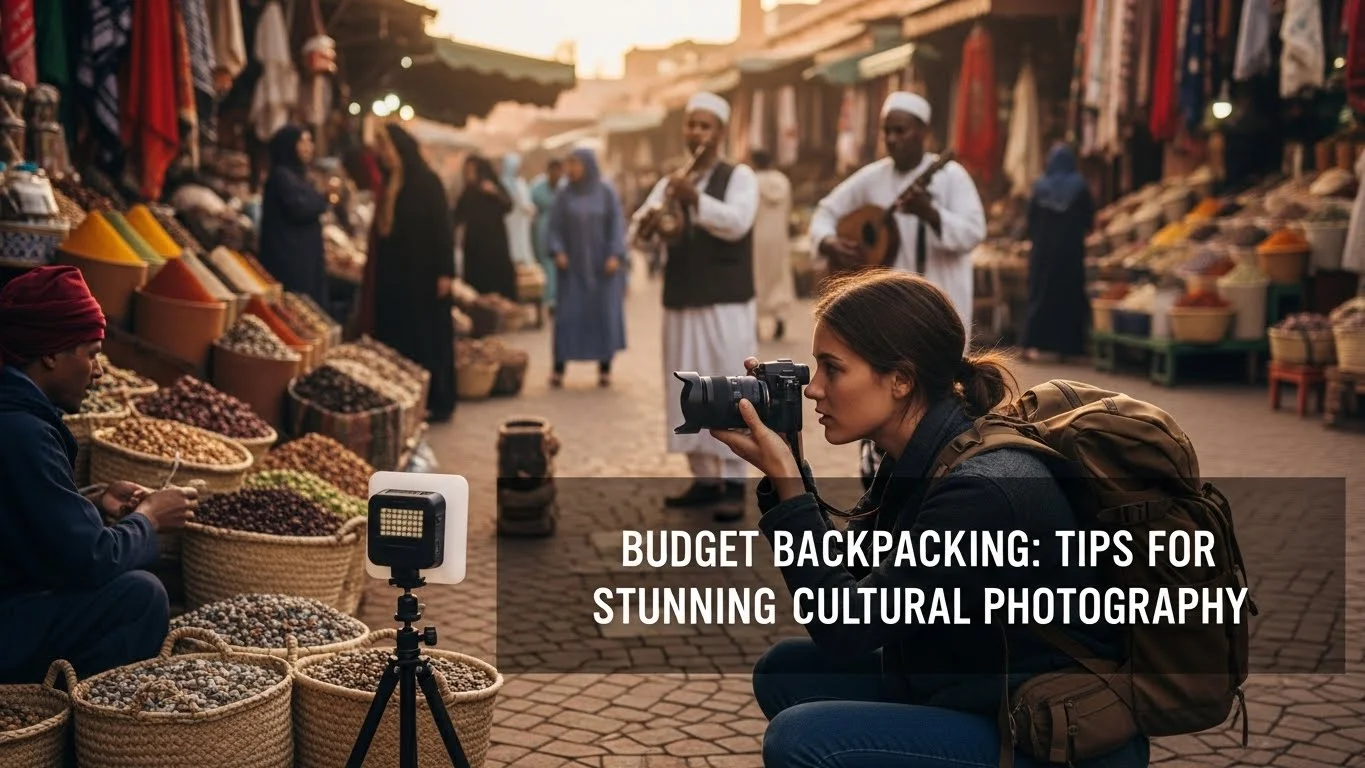
Composition is an essential aspect of photography that I’ve come to appreciate more with each trip. One technique I often use is the rule of thirds. By dividing my frame into a 3×3 grid and positioning key elements along those lines or at their intersections, I find my photos come alive. I remember capturing a vibrant market scene in Marrakech; I placed the bustling vendors slightly off-center, which drew the viewer’s eye across the image, creating a sense of movement and energy.
Another tip is to frame your shots using natural elements around you. I often look for doorways, arches, or branches to create a frame within my image. This technique adds depth and context to the photograph, allowing the viewer to feel more immersed in the scene. During my time in Italy, I captured a beautiful view of the Leaning Tower of Pisa through the arches of a nearby building, providing a unique perspective that added interest to a typically photographed landmark.
Using Natural Light to Your Advantage
Natural light is a photographer’s best friend, especially when you’re on a budget and can’t afford extra lighting gear. I’ve learned to embrace the golden hour, as mentioned earlier, but I also pay attention to how different times of day affect the quality of light. For example, midday sun can be harsh, creating strong shadows and overly bright highlights. I try to seek shade or shoot during overcast days when the light is diffused, which softens the images. I remember wandering through the streets of Barcelona on a cloudy day; the soft light brought out the intricate details in the architecture without the harsh contrasts.
When I’m capturing people, I often look for open shade, like the shadows of trees or awnings, as it creates a more flattering light for portraits. I’ve found that shooting in this way allows me to highlight the emotions and expressions of my subjects without the distraction of unflattering shadows. It’s all about being mindful of the light and how it shapes the story I want to tell.
Capturing Authentic Moments: Candid Photography
Candid photography is where my heart truly lies. There’s something magical about capturing genuine moments that reflect the culture and emotions of a place. I’ve discovered that the best way to achieve this is to be present and patient. I often find myself blending into the background, simply observing the interactions around me. One of my favorite candid shots was taken during a family gathering in a small village in Thailand. I sat quietly, watching as children played and adults shared stories, and without realizing it, I was able to snap a photo of a child laughing, which perfectly encapsulated the joy of that moment.
To get those authentic shots, I’ve also learned to engage with my surroundings. I make it a point to interact with locals, which often brings unexpected opportunities. For instance, while in Peru, I struck up a conversation with a group of women weaving traditional textiles. As they shared stories about their craft, I captured their expressions and the intricate details of their work. This approach not only enriches my photography but also fosters connections that can enhance the storytelling aspect of my images.
Another technique I find helpful is to have my camera ready at all times. I’ve missed many great moments simply because I wasn’t quick enough to grab my camera. I’ve made it a habit to keep my camera accessible, whether it’s slung over my shoulder or easily reachable in my bag. This way, I can be spontaneous and ready to capture those fleeting moments that often become the heart of my travel stories.
Interacting with Locals: Ethical Photography Practices
Building Rapport for Better Shots
Building rapport with locals is vital for capturing authentic cultural moments. I’ve always believed that photography is not just about taking pictures but also about telling stories. When I approach someone for a photograph, I try to establish a connection first. A simple smile or a few words in the local language can go a long way in bridging gaps and showing respect. For example, while traveling in India, I took the time to learn a few basic phrases that helped me connect with people. This openness often led to more natural interactions and, in turn, beautiful photographs.
I also find that asking for permission before taking someone’s photo is essential. I always approach individuals with genuine interest, explaining why I want to capture their image and how I hope to share their story. This practice not only shows respect but often results in a more relaxed subject, which translates to a better photograph. I remember asking a street vendor in Vietnam if I could take his photo while he prepared food. His smile and willingness to pose created a wonderfully warm shot that encapsulated the spirit of the market.
Respecting Cultural Norms and Traditions
Every culture has its own customs and traditions, and respecting them is crucial when photographing. I’ve learned the hard way that it’s essential to research local customs before embarking on a photography adventure. For instance, in some communities, taking photos of certain places or people may be frowned upon. I’ve encountered situations where I needed to be careful, such as during religious ceremonies or in sacred spaces. I always try to take a moment to observe and understand the context before clicking that shutter.
I also try to dress appropriately and behave respectfully while photographing locals. For example, when visiting temples in Thailand, I made sure to wear modest clothing and removed my shoes as a sign of respect. This respectful approach often opens doors for deeper interactions and enhances the chance of capturing meaningful moments. By honoring cultural norms, I not only enrich my photography but also create a positive experience for myself and the people I meet along the way.
Frequently Asked Questions
What is budget backpacking?
Budget backpacking is traveling on a shoestring while immersing yourself in local culture, often substituting hotel stays for hostels and fancy dinners for street food. It allows travelers to stretch their budgets and explore more destinations while embracing spontaneity.
How does budget backpacking benefit photographers?
Budget backpacking enables photographers to engage more deeply with their surroundings, fostering creativity without the pressure of spending. This style of travel encourages capturing candid moments and authentic stories, leading to stunning photographs.
What camera options are recommended for budget travelers?
For budget travelers, a compact DSLR or a mirrorless camera is ideal due to their balance of quality and portability. Alternatively, a smartphone with a good camera can also be a great option for social media sharing.
What type of lens is best for cultural photography?
A versatile zoom lens, such as a 24-70mm, is perfect for capturing a range of scenes. A prime lens with a wide aperture is beneficial for low light and creating bokeh effects, allowing for sharp and stunning photos.
What are some essential accessories for budget backpacking photography?
Essential accessories include a lightweight tripod for long exposure shots and filters like polarizing filters, which enhance colors and reduce glare in photographs. Compact, collapsible versions are recommended for easy packing.
Which countries are considered budget-friendly for backpacking and photography?
Southeast Asian countries like Vietnam and Thailand are popular for their rich cultural experiences and affordability. Eastern Europe, particularly Hungary and Poland, and South American countries like Bolivia and Peru also provide great opportunities for budget backpacking and photography.
What cultural events or festivals are good for capturing photographs?
Local festivals, such as Holi in India, the Lantern Festival in Taiwan, or the Cherry Blossom Festival in Japan, provide unique opportunities for cultural immersion and stunning photography. Planning travels around these events is recommended for enriching photography experiences.
What composition techniques can enhance photography?
Using the rule of thirds, framing shots with natural elements, and being mindful of light conditions can enhance composition. Placing key elements off-center and using frames like doorways or arches can add depth and interest to images.
How can photographers build rapport with locals for better shots?
Building rapport involves establishing a connection with locals, often through a smile or basic phrases in the local language. Asking for permission before taking photos and explaining the intent behind capturing their image can result in more relaxed and natural photographs.
Why is it important to respect cultural norms and traditions when photographing?
Respecting cultural norms is crucial to avoid offending locals and to enhance interactions. Understanding local customs and dressing appropriately, especially in sacred or traditional spaces, helps create a positive experience for both the photographer and the subjects.