
Eco camping opens up a world of adventure while caring for our planet. It’s all about immersing ourselves in nature, enjoying the great outdoors, and making eco-conscious choices that benefit both us and the environment. Read Interesting article: 10 Essential Eco-Friendly Camping Tips for Budget Travelers
Understanding Eco Camping
What is Eco Camping?
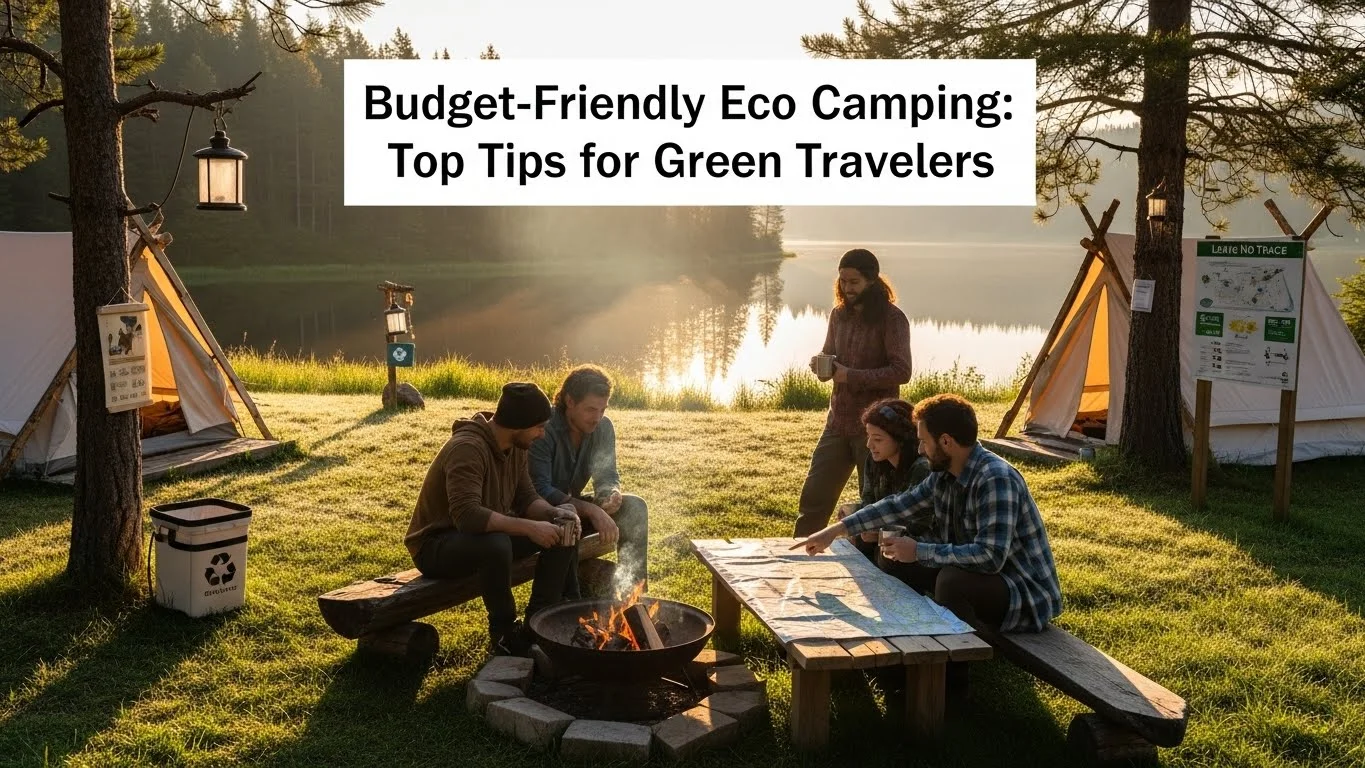
Eco camping, in its essence, is a way of experiencing the great outdoors while minimizing our environmental impact. I remember my first eco camping trip—it was enlightening to see how I could enjoy nature without leaving a heavy footprint. It involves staying at campsites that prioritize sustainability and using eco-friendly practices, such as leaving no trace and reducing waste. This approach urges us to respect nature and be conscious of our surroundings, which I believe enhances our camping experience.
Benefits of Eco-Friendly Camping
There are numerous benefits to eco camping that I’ve discovered over the years. Firstly, it allows us to connect with nature on a deeper level. By camping sustainably, we become more aware of our environment and the importance of preserving it. I’ve found that eco camping fosters a sense of community among fellow campers who share similar values, creating a unique bond that enriches the experience. Additionally, eco camping can be budget-friendly, as many sustainable practices encourage us to be resourceful. For instance, cooking our meals instead of eating out not only saves money but also reduces waste. These tips can help you make the most of your eco camping experience.
Eco Camping vs. Traditional Camping
While traditional camping can be a blast, I’ve noticed some key differences when it comes to eco camping. Traditional camping often involves using disposable items, which can lead to excessive waste. In contrast, eco camping emphasizes reusable gear and minimizing our footprint. For example, I used to rely on single-use utensils, but now I carry my own reusable set. Eco camping also focuses on choosing environmentally friendly campsites, which often have facilities designed to reduce impact, like composting toilets or solar-powered amenities. This shift in mindset has made my camping trips not only more enjoyable but also more fulfilling.
Budgeting for Eco Camping
Estimating Costs: Gear, Travel, and Fees
When I first started eco camping, budgeting was one of my biggest concerns. I wanted to enjoy the experience without breaking the bank. I learned that the costs can vary widely, depending on where you go and how you choose to camp. Gear is often a significant expense, but I found that it pays off in the long run. I recommend making a list of what you need and prioritizing quality items that will last. For travel, consider carpooling with friends or using public transportation to cut down on expenses and emissions. Many campsites have a small fee, but I’ve discovered plenty of free or low-cost options. Researching beforehand can help us find the best deals while still enjoying a memorable trip.
Affordable Eco-Friendly Gear and Equipment
Investing in eco-friendly gear doesn’t have to drain your wallet. I’ve learned to look for second-hand options or rental services that offer quality camping equipment at lower prices. For instance, I found a fantastic sleeping bag at a thrift store that was both affordable and in great condition! Also, I’ve discovered that borrowing from friends or family can be a great way to save money. There are also brands that focus on sustainability and often have sales or discounts. I recommend checking out local outdoor shops—they often have knowledgeable staff who can help us find budget-friendly eco options.
Budget Camping Sites: Where to Find Them
Finding budget-friendly camping sites can feel overwhelming, but I’ve found that some great resources make it easier. Websites and apps like Campendium or Hipcamp allow us to filter for budget options, often showcasing hidden gems that are eco-friendly as well. I remember stumbling upon a beautiful campsite that was both affordable and committed to sustainable practices. State parks and national forests often have lower fees and may even offer discounts for certain groups, like seniors or veterans. I always recommend calling ahead to inquire about any special offers—they might surprise you!
Choosing the Right Location
Top Eco Camping Destinations
When it comes to choosing the right location for eco camping, I’ve found that there are countless options that align with sustainable practices. A few of my favorite eco camping destinations include the Pacific Northwest, with its lush forests and pristine coastlines, and the Appalachian Mountains, where you can hike amidst breathtaking views. I remember camping in Olympic National Park, surrounded by towering trees and vibrant wildlife. The experience was unforgettable, and the commitment to conservation in that area was evident everywhere I looked.
Another remarkable spot I discovered is Big Sur in California, where the rugged coastline meets the redwood forests. Many campsites there focus on eco-friendly practices and offer stunning views of the Pacific Ocean. I felt a sense of serenity every morning as I woke up to the sound of waves crashing against the cliffs. If you’re looking for something a bit off the beaten path, I suggest checking out places like the San Juan Islands in Washington State or the Finger Lakes in New York, both of which have embraced eco-friendly initiatives.
National Parks and Green Spaces
National parks are some of the best locations for eco camping, and I believe they provide a fantastic way to experience nature while protecting it. Parks like Yellowstone and Yosemite have made strides in sustainability, promoting eco-friendly practices for campers. I remember visiting Yellowstone, where I was blown away by the geothermal features and diverse wildlife. The park encourages visitors to practice Leave No Trace principles, and I felt proud to be part of a community that respects the land.
Additionally, many state parks and nature reserves across the country focus on preserving natural ecosystems. I’ve found that these places often provide unique camping experiences, like staying in cabins made from sustainable materials or using eco-friendly toilets. They make it easy for us to enjoy the great outdoors while minimizing our impact, which I think is essential.
Community-Run Campsites
Community-run campsites are another fantastic option for eco camping. I’ve had the pleasure of staying at a few of these sites, and they always offer a friendly, welcoming atmosphere. These campsites often prioritize sustainability and provide a sense of connection to the local community. I remember one particular campsite in Vermont that was run by a local cooperative. The staff was so passionate about environmental stewardship, and they offered workshops on sustainable practices and local ecology. Staying there made me feel like I was part of something bigger than myself.
Community-run campsites usually emphasize local culture, too, which can enhance our experience. I’ve enjoyed meals made from locally sourced ingredients, and I’ve met fellow campers who share my passion for nature and sustainability. To find these hidden gems, I recommend checking local tourism websites or community boards. They often list unique camping options that aren’t as widely advertised.
Planning Your Eco Camping Trip
Best Times to Camp for Eco Travelers
Timing can greatly influence our eco camping experience, and I’ve learned that some seasons are more conducive to sustainable practices than others. I find that spring and fall are ideal times for camping. The weather is often mild, which means we can minimize our energy consumption for heating or cooling. Plus, during these seasons, the crowds are thinner, allowing for a more peaceful experience in nature.
In my experience, summer can be beautiful, but it often comes with a higher number of campers and, unfortunately, more waste. If you do choose to camp during peak season, I recommend going during weekdays instead of weekends. It allows us to enjoy nature without the hustle and bustle, and we can better appreciate the beauty around us.
Permits and Regulations for Eco Camping
Before embarking on our eco camping adventure, it’s crucial to understand the permits and regulations in place at our chosen location. I’ve had my fair share of surprises when I didn’t check ahead. Some national parks and state forests require permits for backcountry camping, while others may have specific guidelines for campfires or waste disposal. I always recommend visiting the official website of the park or campsite to stay informed about these requirements.
Additionally, I’ve found that many places offer educational resources about their conservation efforts. Some parks have ranger-led programs to help us learn more about local ecosystems, which I think can deepen our connection to the land. Being informed helps us be responsible campers and ensures that we leave a positive impact.
Transportation: Getting to Your Campsite
Getting to our campsite is just as important as the camping experience itself. I’ve always tried to minimize my carbon footprint when traveling to my camping destinations. Carpooling with friends or family is one of my favorite ways to reduce emissions and share the journey. I remember a recent trip where we all piled into one car, and the camaraderie made the drive part of the adventure!
If carpooling isn’t an option, I’ve discovered that public transportation can often lead to beautiful camping spots. Many parks are accessible via bus or train, which can be a fun way to explore the surrounding areas without the hassle of driving. I also suggest researching shuttle services that some parks offer, especially for those that want to take a more leisurely approach to their eco camping trip.
Eco-Friendly Camping Practices
Leave No Trace Principles
One of the most valuable lessons I’ve learned while eco camping is the importance of the Leave No Trace principles. These guidelines have become my camping mantra, and they focus on minimizing our impact on the environment. I remember the first time I really grasped this concept; I was hiking in a beautiful area and noticed how pristine the surroundings were. It hit me then that every little action counts. The basics include staying on marked trails, packing out what we pack in, and respecting wildlife by observing from a distance.
Whenever I set up camp, I make sure to choose a site that’s already been disturbed, rather than trampling over untouched areas. I also encourage fellow campers to do the same. It’s surprising how much of a difference these small choices can make in preserving our natural spaces for future generations. Leaving no trace isn’t just about following rules; it’s about fostering a mindset of responsibility and care for the earth.
Choosing Sustainable Food Options
Food is a huge part of our camping experience, and I believe that making sustainable choices can elevate it even further. When I first started camping, I would buy pre-packaged meals, but I quickly realized that cooking with fresh, local ingredients not only tastes better but is also better for the environment. I now make it a point to plan meals around seasonal produce. I remember one trip where I brought along some local fruits and vegetables from a farmer’s market, and they turned out to be the highlight of my meals.
In addition, opting for bulk ingredients reduces packaging waste. I’ve found that items like grains, nuts, and dried fruits are often available in bulk bins at stores, which means I can bring just the right amount. Whenever possible, I also bring reusable containers to store leftovers. It’s a great way to minimize waste and enjoy delicious food throughout the trip.
Using Eco-Friendly Camping Supplies
Over the years, I’ve learned that the gear and supplies we choose can significantly impact our eco camping experience. I try to use products that are made from sustainable materials, such as bamboo utensils and recycled fabric tents. I remember being hesitant about spending a little more on eco-friendly options, but I’ve realized it’s worth it. Not only am I reducing my environmental impact, but I’m also supporting companies that align with my values.
One of my favorite discoveries has been biodegradable soap and shampoo. These products allow me to clean up without harming the environment. I also carry a reusable water bottle, which has become an essential item for every trip. Hydration is key, and I love knowing that I’m not contributing to plastic waste every time I take a sip. It’s these little choices that make a big difference in how we experience camping and connect with nature.
Green Travel Tips for Campers
How to Reduce Your Carbon Footprint
Reducing our carbon footprint while eco camping is something I think about often, and I’ve picked up some effective strategies along the way. First and foremost, choosing how we travel to the campsite can have a big impact. I always aim to carpool or use public transportation when possible. If I need to drive, I try to combine trips or travel during off-peak hours to reduce emissions. I remember a camping trip where we all met at a central location and shared the ride; it turned into a fun part of the journey, filled with laughter and excitement.
While at the campsite, I’ve also learned the value of minimizing energy use. I often rely on solar-powered lights instead of battery-operated ones. It’s amazing how much better it feels to know that I’m harnessing the sun’s energy. Plus, they create a lovely ambiance when the sun goes down! Embracing these green travel tips has made my camping experiences richer and more meaningful, allowing me to enjoy nature while being a responsible traveler. Read Interesting article: How to Camp Sustainably: Eco-Friendly Tips for Adventure
Connecting with Nature: Mindfulness and Eco Awareness
When I’m out camping, I feel an urge to slow down and truly connect with nature. Practicing mindfulness has become an essential part of my outdoor experience. I start my mornings with a few moments of silence, listening to the sounds of birds and the rustle of leaves. This practice brings me a sense of peace and helps me appreciate the beauty around me. I encourage others to take time for reflection while camping, whether it’s through journaling or simply soaking up the surroundings.
Being mindful also extends to our actions and conversations with fellow campers. I’ve found that sharing stories about our experiences with nature fosters a sense of community. Discussing our eco-friendly practices can inspire others to adopt similar habits, creating a ripple effect of awareness. In my opinion, these moments of connection with both nature and people enhance the camping experience, making it not just a getaway but a journey of personal growth.
Engaging with Local Communities
Engaging with local communities while camping offers a deeper appreciation of the area. I’ve had some of my best experiences by connecting with locals who share their knowledge about the land. During one trip, I participated in a guided nature walk led by a local expert who taught us about the native plants and wildlife. It was eye-opening to learn how to recognize edible plants and understand the intricate ecosystems we were exploring.
Additionally, I’ve discovered that many campsites host workshops or events that highlight local culture. I remember attending a pottery workshop at a community campsite, where I not only learned a new skill but also connected with the community in a meaningful way. Engaging with locals not only enriches our camping experience but also supports the economy and helps preserve local traditions. It’s a win-win situation, and I wholeheartedly recommend seeking out these opportunities when we’re out in nature.
Frequently Asked Questions
What is eco camping?
Eco camping is a way of experiencing the great outdoors while minimizing environmental impact. It involves staying at campsites that prioritize sustainability and using eco-friendly practices, such as reducing waste and leaving no trace.
What are the benefits of eco-friendly camping?
Eco camping allows for a deeper connection with nature, fosters a sense of community among campers, and can be budget-friendly by encouraging resourcefulness, such as cooking meals instead of eating out.
How does eco camping differ from traditional camping?
Eco camping emphasizes reusable gear and minimizing waste, while traditional camping often uses disposable items. Eco camping also focuses on choosing environmentally friendly campsites with sustainable facilities.
How can I budget for eco camping?
Budgeting for eco camping involves estimating costs for gear, travel, and fees. Consider prioritizing quality gear, carpooling or using public transportation, and researching free or low-cost campsites to cut down on expenses.
Where can I find affordable eco-friendly gear?
Affordable eco-friendly gear can be found through second-hand options, rental services, or borrowing from friends. Local outdoor shops often have knowledgeable staff who can help identify budget-friendly eco options.
What are some top eco camping destinations?
Some top eco camping destinations include the Pacific Northwest, the Appalachian Mountains, Big Sur in California, the San Juan Islands in Washington State, and the Finger Lakes in New York, all of which promote sustainable practices.
What are the best times to go eco camping?
Spring and fall are ideal times for eco camping due to mild weather and fewer crowds, which helps minimize energy consumption and waste. Camping during weekdays in summer can also reduce crowding.
What are Leave No Trace principles?
Leave No Trace principles focus on minimizing our impact on the environment, including staying on marked trails, packing out what we pack in, and respecting wildlife by observing from a distance.
How can I reduce my carbon footprint while camping?
Reducing your carbon footprint can be achieved by carpooling or using public transportation to the campsite, minimizing energy use at the campsite, and employing solar-powered lights instead of battery-operated ones.
Why is engaging with local communities important while camping?
Engaging with local communities enriches the camping experience by providing knowledge about the area, supporting the local economy, and preserving local traditions through workshops and shared experiences.