
Capturing stunning coastal landscapes doesn’t have to drain your wallet. With the right tips and tricks, you can create breathtaking images while sticking to a budget. Let’s explore how to make the most of your coastal photography experience. Read Interesting article: Top Destinations for Nature Photography on a Budget
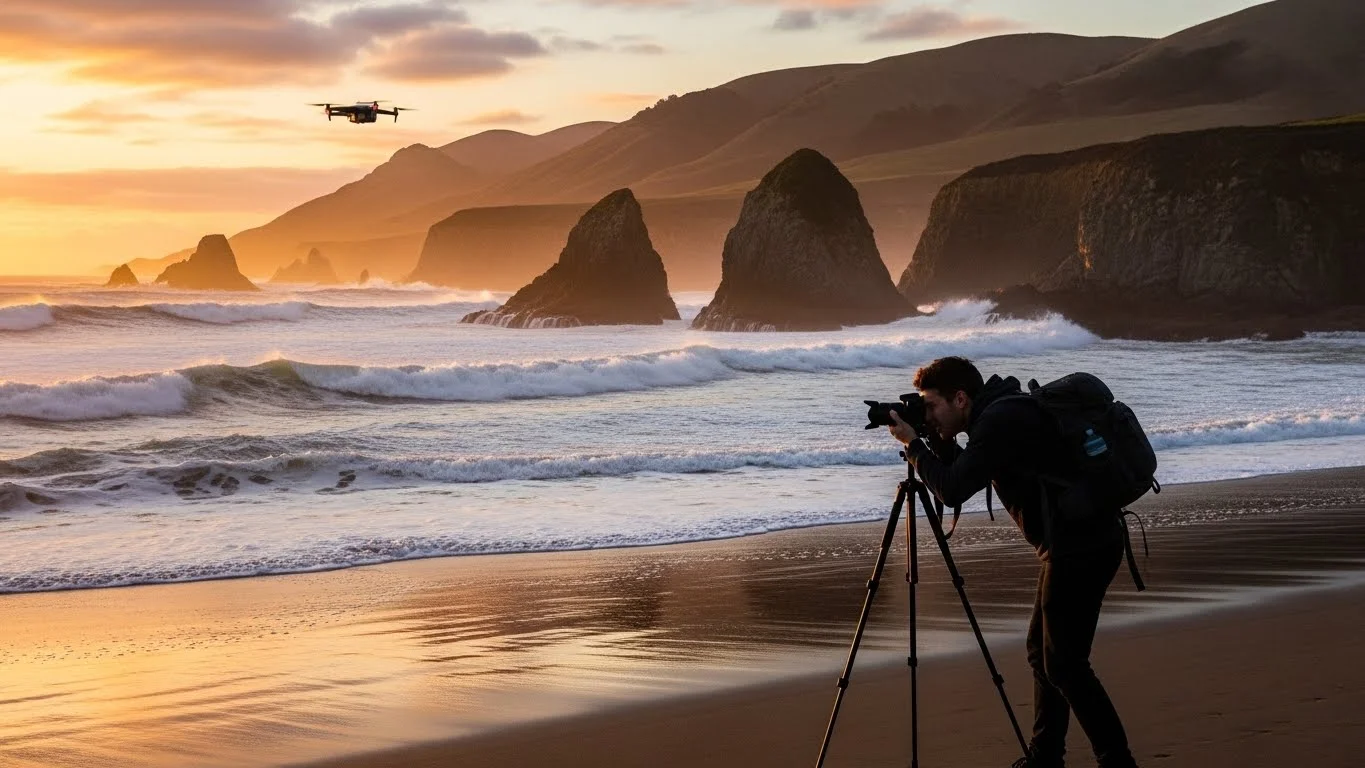
Understanding Coastal Landscapes
Coastal landscapes are some of the most breathtaking sights on our planet. From rugged cliffs to tranquil beaches, these areas offer diverse and dramatic scenery that can mesmerize any photographer. As I embarked on my own journey to capture these stunning vistas, I quickly realized that understanding the types of coastal landscapes and their unique features is essential for anyone looking to take beautiful photos.
Types of Coastal Landscapes
Coastal landscapes come in various forms, each presenting unique opportunities for stunning photography. Here are some of the most common types I’ve encountered:
- Beaches: Sandy shores with gentle waves are often the most popular spots. I love capturing the interplay of light on the water and the texture of the sand.
- Cliffs and Bluffs: These dramatic formations create stunning backdrops. The sheer drop often results in incredible views, especially during sunrise or sunset.
- Rocky Coastlines: With tide pools, boulders, and rugged terrain, rocky coastlines are perfect for capturing the raw beauty of the ocean.
- Estuaries and Marshlands: These environments provide a different perspective with lush greenery and wildlife. I found that they can be particularly rich in texture and color.
Unique Features of Coastal Photography
Coastal photography is not just about the landscape; it also involves unique features that can enhance your images. I noticed a few key elements that make coastal photography particularly interesting:
- Light Variations: The light changes dramatically near the coast. The way sunlight reflects off the water creates mesmerizing patterns that I love to capture.
- Weather Conditions: Coastal weather can be unpredictable. I’ve learned to embrace storms and fog, as they can add drama to my photos.
- Movement: The constant motion of waves and tides brings life to photos. I often try to capture that movement, whether it’s a wave crashing or the gentle lapping of water.
Understanding these aspects not only helps in planning my shots but also in finding creative ways to tell a story through my images. Each coastal landscape presents its own set of challenges and opportunities, which I find thrilling and inspiring.
Essential Gear for Coastal Photography on a Budget
With a clear understanding of what coastal landscapes offer, the next step is gear. When I first got into photography, I was overwhelmed by the amount of equipment available. However, I’ve learned that you can still take fantastic photos without spending a fortune. Here’s what I recommend based on my own experiences.
Camera Options: DSLR vs. Mirrorless vs. Smartphone
Choosing the right camera is crucial, but it doesn’t have to be expensive. I started with a basic DSLR, but as I got comfortable, I explored other options:
- DSLR Cameras: They offer great image quality and flexibility with lenses. While they can be pricey, you can find good used options.
- Mirrorless Cameras: These are compact and lightweight with similar quality to DSLRs. I’ve found that they’re easier to carry when hiking along the coast.
- Smartphones: Don’t underestimate your phone! Modern smartphones have powerful cameras. I’ve taken some of my favorite coastal shots with my phone when traveling light.
Essential Accessories: Tripods, Filters, and Lenses
Accessories can significantly enhance your photography. I’ve invested in a few key items that have made a noticeable difference:
- Tripod: A stable tripod is invaluable, especially for long exposure shots at the coast. I always bring mine for those dreamy water photos.
- ND Filters: Neutral Density filters help reduce light entering the lens, allowing for longer exposures even in bright conditions. They’ve helped me create stunning silky water effects.
- Wide-Angle Lens: A good wide-angle lens is essential for capturing expansive coastal scenes. It allows you to showcase the grandeur of the landscape.
Budget-Friendly Photography Apps
In this digital age, apps can be fantastic tools for photographers. I’ve found several that are budget-friendly and incredibly useful:
- Photo Editing Apps: Apps like Snapseed and Lightroom Mobile are free and offer powerful editing tools that can enhance your coastal photos.
- Weather Apps: Knowing the weather conditions is crucial. Apps like Weather Underground help me plan my shoots around the best lighting.
- Photography Community Apps: Joining platforms like Instagram or 500px allows me to connect with fellow photographers and get inspired by their work.
By investing in the right gear and utilizing budget-friendly options, I’ve been able to capture stunning coastal landscapes without breaking the bank. It’s all about finding what works for you and embracing creativity in your photography journey. Read Interesting article: Capture Nature’s Wonders: Budget-Friendly Photography Tips
Best Times to Capture Coastal Landscapes
Timing can make a world of difference in coastal photography. Over the years, I’ve learned that not only the hour of the day but also the season can dramatically influence the look and feel of my photos. Here’s what I’ve discovered about the best times to capture those breathtaking coastal landscapes.
Golden Hour: Timing Your Shots
One of my favorite times to shoot is during the golden hour, which is the hour after sunrise and the hour before sunset. There’s something magical about the quality of light during this time. The sun hangs low in the sky, casting a warm, golden hue that enhances colors and creates long shadows. I remember my first experience catching the sunrise over a rocky coastline; the way the light danced on the water made it feel like I was witnessing a masterpiece unfold before my eyes.
When I plan my shoots around these times, I often find that the soft light creates stunning contrasts between the waves and the land. If you’re not familiar with the term, the “golden hour” is named for the warm tones it produces, making it perfect for capturing the essence of coastal landscapes. I recommend checking sunrise and sunset times in your area and arriving a little early to set up your shot.
Seasonal Considerations for Coastal Photography
Each season brings its own unique beauty to coastal landscapes. I’ve found that spring and fall are my favorite times for coastal photography. In spring, the flowers bloom, and the landscapes are vibrant and alive. I’ve captured some of my best photos with wildflowers in the foreground against a backdrop of crashing waves.
Fall, on the other hand, offers a different set of colors and moody skies. The changing foliage can create stunning contrasts with the blue ocean. I once visited a coastal area in early October, and the combination of the ocean’s blue and the warm autumn colors was breathtaking. The cooler weather also means fewer crowds, allowing for a more peaceful shooting experience.
Summer is popular for beachgoers, and while it brings bright and lively scenes, I find that the harsh midday sun can be challenging. I recommend avoiding peak hours and instead focusing on early morning or late afternoon light for the best results. Winter can be equally rewarding, with dramatic skies and the potential for snow along coastal areas. I’ve seen some impressive winter scenes where the ocean meets frost-covered land, creating a serene and ethereal atmosphere.
Top Coastal Locations for Stunning Photography
Having explored various coastlines, I’ve come across some truly spectacular spots that are perfect for photographic adventures. Whether you’re looking for iconic locations or hidden gems, I’ve compiled a list of places worth visiting.
Iconic U.S. Coastal Spots
When it comes to iconic coastal photography locations in the U.S., a few places stand out based on my experiences:
- Big Sur, California: The dramatic cliffs and breathtaking ocean views make this stretch of coast unforgettable. I often find myself stopping multiple times just to capture the changing light.
- Acadia National Park, Maine: This park offers rugged coastlines and stunning views of the Atlantic. The variety of landscapes, from rocky shores to serene lakes, is perfect for diverse photo opportunities.
- Key West, Florida: Known for its beautiful sunsets, I’ve enjoyed capturing the vibrant colors as the sun dips below the horizon. The relaxed atmosphere adds to the charm of photography here.
Hidden Gems: Less Crowded Coastal Areas
If you’re like me and prefer avoiding the crowds, there are many lesser-known spots that can provide equally stunning images:
- Point Reyes National Seashore, California: This area features rugged coastlines and stunning photography opportunities without the tourist traffic.
- Ocracoke Island, North Carolina: A quieter option in the Outer Banks, Ocracoke offers pristine beaches and charming coastal scenery.
- Tybee Island, Georgia: This laid-back beach town has beautiful shorelines and a historic lighthouse, perfect for unique coastal shots.
International Coastal Destinations on a Budget
If you’re up for a bit of travel, there are incredible coastal destinations around the world that won’t break the bank:
- Portugal’s Algarve Region: With stunning cliffs and gorgeous beaches, I’ve found that this area offers incredible value for the views you get.
- Amalfi Coast, Italy: While it can be touristy, I discovered that there are many less-visited towns along the coast that provide stunning backdrops for photos.
- Balearic Islands, Spain: Islands like Menorca offer stunning coastlines with fewer crowds. The clear waters are perfect for capturing underwater shots, too!
Exploring these locations has enriched my photography portfolio and provided countless memories. Planning your visit around the right time and knowing where to go can enhance your coastal photography experience significantly. Read Interesting article: Affordable Wildlife Photography Adventures You Can’t Miss
Photography Techniques for Coastal Landscapes
As I delved deeper into the world of coastal photography, I discovered that having the right techniques can make a significant difference in the quality of my images. Each technique has its own charm and can help convey the beauty of the coast in different ways. Here are some of the techniques I’ve found particularly useful.
Using Natural Light to Your Advantage
Natural light is a game-changer in photography, especially when capturing coastal landscapes. I’ve learned to be mindful of how light interacts with the environment. For instance, during early mornings or late afternoons, the light is softer and more flattering, making everything look more vibrant. I find that shooting with the sun behind me often creates the best results, illuminating the subjects beautifully.
Reflective surfaces, like water or wet sand, can also enhance the lighting in my photos. I often position myself to capture the reflections, which add an interesting layer to the composition. I remember one occasion where the sun was setting behind me, and the water reflected a kaleidoscope of colors; it was a moment I felt lucky to witness and capture.
Long Exposure Techniques for Water Shots
Long exposure photography is one of my favorite techniques to use for coastal shots. It allows me to create that dreamy, silky effect of moving water, which I think adds a sense of calm to my images. To achieve this, I usually set my camera on a tripod to avoid any shake, especially when using slower shutter speeds.
I often play around with ND filters to make this technique work during the day. They reduce the amount of light getting into the camera, allowing me to use longer exposure times even when the sun is bright. I once set up my tripod at a beach during sunset, using a 10-second exposure to capture the gentle waves rolling over the rocks. The result was stunning, with a soft, flowing effect that brought the image to life.
When experimenting with long exposures, I recommend starting with 1-2 seconds and gradually increasing the time until you’re satisfied with the look. I find that each environment reacts differently, so it’s all about trial and error!
Framing and Composition Tips
Good composition can elevate a photo from ordinary to extraordinary. I’ve discovered a few framing techniques that consistently help me create more compelling coastal images. One of my favorites is the rule of thirds. By placing key elements along the grid lines or at their intersections, I can create balance and draw the viewer’s eye into the photo.
Leading lines are another technique I often utilize. Natural lines like pathways, shorelines, or cliffs can guide the viewer’s gaze through the image. I remember wandering along a winding coastal path, using it to lead the eye toward the distant horizon in my photograph. It added depth and context, making the viewer feel like they were walking alongside me.
Don’t be afraid to fill the frame with a particular subject, whether it’s a rock formation or a dramatic sky. Sometimes, getting closer to a subject can reveal intricate details that tell a story. I’ve captured the textures in weathered rocks and the delicate patterns of sand that might go unnoticed from a distance.
Lastly, always be open to experimenting with angles. I’ve crouched down low to catch the shoreline from a new perspective or climbed a small hill to get an aerial view. Each angle can offer a fresh take on a well-known scene.
Editing Your Coastal Landscape Photos
After capturing my coastal images, the editing process becomes another exciting part of my photography journey. It’s during this stage that I can enhance the colors, contrast, and overall mood of my photos. I’ve learned that some basic editing techniques can truly elevate my work without the need for expensive software.
Free and Affordable Editing Software Options
When I first started editing my photos, I found several free or low-cost software options that provided powerful tools for enhancing images. Programs like GIMP and Paint.NET are great alternatives to pricey software, offering a range of editing features.
Adobe Lightroom is another favorite of mine, especially its mobile version, which is budget-friendly. It’s user-friendly and perfect for quick edits on the go. I love that I can easily adjust exposure, contrast, and colors to make my coastal shots pop!
Another tool I’ve recently discovered is Canva. While usually associated with graphic design, it has some excellent photo editing features and templates that can help showcase my coastal images beautifully.
Basic Editing Techniques for Coastal Images
Editing doesn’t have to be complicated; I often focus on a few key adjustments. One of the first things I do is adjust the exposure. Sometimes my shots come out a bit too dark or overly bright, and a simple adjustment can make a world of difference.
I also pay attention to color saturation and vibrance. Coastal landscapes are often rich in color, and enhancing those hues can bring out the beauty of the scenery. I’ve noticed that a bit of contrast can help create depth, especially in photos with both sky and water.
Lastly, cropping can significantly improve composition. I often crop out distractions or adjust my framing to follow the rule of thirds. A little tweak here and there can transform an average shot into something truly stunning.
Editing is a personal touch that allows us to express our unique vision. I encourage you to find your editing style and let your creativity shine through!
Frequently Asked Questions
What are some common types of coastal landscapes for photography?
The most common types of coastal landscapes include beaches, cliffs and bluffs, rocky coastlines, and estuaries and marshlands. Each type offers unique opportunities for stunning photography.
What is the golden hour and why is it important for coastal photography?
The golden hour is the period shortly after sunrise and before sunset when the light is soft and warm. It’s important for coastal photography because it enhances colors and creates long shadows, making the landscape more visually appealing.
What essential gear do I need for coastal photography on a budget?
Essential gear for coastal photography on a budget includes a camera (DSLR, mirrorless, or smartphone), a stable tripod, ND filters, and a wide-angle lens. These items can significantly enhance your photography without breaking the bank.
How can I utilize natural light effectively in coastal photography?
To utilize natural light effectively, shoot during early mornings or late afternoons when the light is softer. Position yourself to capture reflections from water or wet sand, which can add depth and interest to your photos.
What are some recommended photography apps for budget-friendly editing?
Budget-friendly photography apps include Snapseed and Lightroom Mobile for editing, and Weather Underground for checking weather conditions. These apps can enhance your photos and help you plan your shoots effectively.
What techniques can I use to create long exposure shots of water?
To create long exposure shots, use a tripod to avoid shake and ND filters to reduce light entering the camera. Experiment with exposure times starting from 1-2 seconds to achieve the desired silky effect of moving water.
What composition tips can help improve my coastal landscape photos?
To improve composition, use the rule of thirds to balance key elements, incorporate leading lines to guide the viewer’s gaze, fill the frame with subjects for detail, and experiment with different angles for fresh perspectives.
Which coastal locations are recommended for stunning photography in the U.S.?
Recommended U.S. coastal locations for stunning photography include Big Sur, California; Acadia National Park, Maine; and Key West, Florida. These spots offer iconic views and diverse landscapes ideal for photography.
What basic editing techniques should I focus on for coastal images?
Basic editing techniques for coastal images include adjusting exposure, enhancing color saturation and vibrance, increasing contrast for depth, and cropping to improve composition. These adjustments can significantly elevate your images.
What are some international coastal destinations that are budget-friendly?
Budget-friendly international coastal destinations include Portugal’s Algarve Region, the Amalfi Coast in Italy, and the Balearic Islands in Spain. These areas offer stunning views and photography opportunities without high costs.