
Capturing stunning seasonal landscapes doesn’t have to break the bank. With the right tips and a little creativity, you can create breathtaking images that showcase nature’s beauty throughout the year. Read Interesting article: Explore Budget-Friendly Locations for Wildlife Photography
Understanding Seasonal Landscapes
What Are Seasonal Landscapes?
Seasonal landscapes are those breathtaking scenes that change with the seasons. They include the vibrant blossoms of spring, the lush greens of summer, the warm hues of autumn, and the serene whites of winter. Each season brings its own unique colors, textures, and moods, transforming the same location into something entirely different every few months. I remember visiting a local park in spring, where the bare trees were suddenly bursting with color as flowers bloomed everywhere. It was like witnessing a beautiful painting coming to life right before my eyes.
The Beauty of Nature’s Changes
One of the most rewarding aspects of photography is capturing the beauty of nature as it evolves. With each season, landscapes offer a distinct atmosphere. In spring, the world seems to awaken, with flowers blooming and wildlife reemerging. Summer brings the vibrancy of life, with lush greenery and bright colors. Autumn paints the world in warm oranges and reds, creating a cozy, nostalgic feeling. Then, winter wraps everything in a blanket of snow and frost, creating a serene and tranquil scene. I’ve found that being outside during these seasonal changes not only fills my camera with stunning photos but also brings a sense of peace and connection to nature.
Why Capture Seasonal Landscapes?
Capturing seasonal landscapes is more than just a hobby; it’s a way to document the passage of time and appreciate the beauty that surrounds us. Each photograph tells a story of a moment in time, inviting us to remember the feelings associated with those experiences. For me, looking back at photos from different seasons brings back memories of family outings, quiet moments alone in nature, or adventures with friends. Plus, sharing these images with others can inspire them to explore the world around them, creating a shared appreciation for nature’s ever-changing beauty. Read Interesting article: Capture Stunning Wildlife in Landscapes on a Budget
Essential Gear for Budget Photography
Choosing the Right Camera
If you’re just starting out in landscape photography, you don’t need the latest high-end camera to capture stunning images. I’ve seen amazing photos taken with simple point-and-shoot cameras and even smartphones. The key is to choose a camera that you’re comfortable with and that meets your needs. If you can, look for a camera with manual settings, as this allows you greater control over the exposure, shutter speed, and aperture. I started with a basic DSLR, which was affordable and helped me learn the fundamentals of photography without overwhelming me.
Budget-Friendly Lenses and Accessories
When it comes to lenses, you don’t necessarily need an expensive collection to take great landscape photos. A versatile zoom lens can cover a range of situations, while a prime lens can provide excellent sharpness and depth of field. I often use my 50mm lens for its beautiful bokeh, which helps foreground subjects pop against a blurred background, especially in nature shots. Additionally, consider investing in a polarizing filter. These filters can enhance colors and reduce glare, making your images more vibrant without costing a fortune.
Smartphone Photography Tips
Let’s not forget about smartphones—they’ve come a long way in terms of camera technology! I often find myself reaching for my phone for spontaneous shots, especially when I’m not carrying my camera. To make the most of smartphone photography, I recommend using grid lines to help with composition, experimenting with different angles, and utilizing natural light as much as possible. Many smartphones also have editing tools integrated into their gallery apps, allowing for quick adjustments right after taking a photo.
Tripods and Stabilizers on a Budget
A sturdy tripod is essential for capturing sharp images, especially in low light or when using long exposures. I remember the first time I used a tripod on a chilly autumn morning; it allowed me to take breathtaking long-exposure shots of falling leaves without any camera shake. There are many affordable options available that won’t break the bank. If you’re really on a tight budget, consider making your own stabilizer using simple materials or even utilizing everyday objects to stabilize your camera.
Best Times to Capture Seasonal Landscapes
Spring: Blossoms and New Beginnings
Spring is truly one of my favorite times to get out and take photos. The world feels alive again after the long winter. I remember one spring morning, wandering through a local garden, where cherry blossoms were in full bloom. The pink and white petals danced in the breeze, and the fragrance was intoxicating. This season is all about transformation, and you can see it everywhere. Early mornings or late afternoons are the best times for capturing vibrant colors, as the soft light enhances the beauty of flowers and fresh green leaves. I often find myself experimenting with macro shots of individual blossoms, and the results can be absolutely stunning.
Summer: Vibrant Colors and Full Bloom
Summer brings its own kind of magic. I love the bright colors and the lush landscapes that seem to burst with life. Whether it’s the deep greens of a forest or the bright yellows of sunflowers, summer offers an array of colors that are hard to resist. One of my favorite spots is a sunflower field near my home. The golden flowers sway under the sun, creating a sea of color. I’ve learned that the golden hour just before sunset is perfect for summer photography, as the light casts a warm glow over everything. It adds a layer of warmth to the images that really brings them to life. Plus, summer storms can create dramatic skies that make for breathtaking landscapes, so I always keep my camera handy!
Autumn: Rich Hues and Falling Leaves
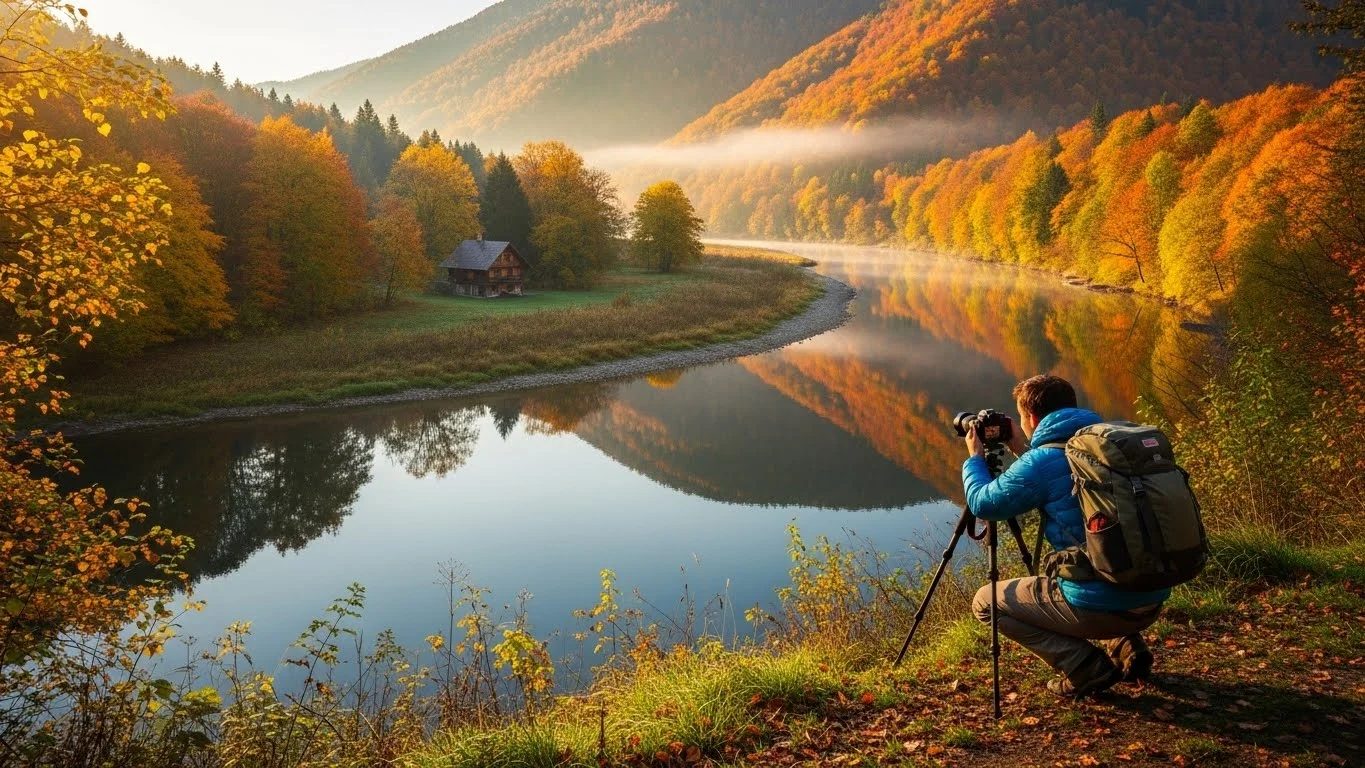
Autumn is often regarded as the most picturesque season, and I couldn’t agree more. The trees transform into a palette of warm oranges, reds, and yellows that create a stunning backdrop for photography. I remember hiking in a nearby forest during peak foliage season, and the sight was like stepping into a painting. The crunch of leaves underfoot, the crisp air, and the vibrant colors all come together to create an unforgettable experience. It’s a time when I love to play with the contrast of the colorful leaves against the clear blue sky or a serene lake. I’ve found that shooting during overcast days can also enhance the colors, giving them a soft, rich quality that’s hard to replicate.
Winter: Snowy Serenity and Frosted Beauty
Winter photography has a charm all its own. I remember the first snowfall of the year; everything was blanketed in white, and the world seemed to transform into a peaceful wonderland. Capturing the beauty of snow-covered landscapes can be magical, especially when the sun peeks through the clouds and illuminates the snowflakes. I often find myself exploring local parks during winter, where the bare trees create striking silhouettes against the white backdrop. One tip I’ve learned is to increase the exposure in winter shots to avoid the snow appearing gray. Finding interesting patterns in the snow, like footprints or fallen branches, can also add a unique element to your winter photos. And let’s not forget the beauty of frost on branches—a close-up shot can reveal delicate details that are simply breathtaking.
Locations for Stunning Seasonal Photography
National Parks and Nature Reserves
One of the best ways to capture seasonal landscapes is by visiting national parks and nature reserves. I’ve been fortunate enough to explore a few, and each one has its own unique beauty throughout the year. For instance, I visited Yellowstone during the summer, and the colors of the hot springs were out of this world. In the fall, I’ve seen the aspens turn golden, creating a stunning contrast against the deep blue sky. These parks not only offer breathtaking views but also provide a chance to connect with nature. I’ve found that taking a little time to research the best spots in these parks can lead to discovering hidden gems, like secret trails or lesser-known overlooks. Read Interesting article: Urban Landscape Photography: Travel on a Budget
Local Parks and Gardens
Don’t overlook your local parks and gardens! They can be fantastic spots for seasonal photography. I often stroll through my neighborhood park, especially in spring when the tulips and daffodils bloom. It’s amazing how much beauty can be found just a few minutes from home. I’ve learned to visit these places regularly, as they can change with each season. Some parks have special events, like flower festivals in spring or harvest festivals in autumn, which can provide unique photography opportunities. Plus, I love the sense of community that comes with being out and about in these spaces.
Scenic Byways and Overlooks
Driving along scenic byways can lead to some of the most picturesque landscapes. I recall a road trip I took last fall, where the foliage was at its peak, and every turn revealed breathtaking views. These routes often have designated overlooks where you can stop, take a breath, and capture the beauty around you. I always keep my camera ready, as sometimes the best moments happen unexpectedly. Whether it’s a sweeping vista or a hidden valley, these drives can become a source of inspiration, and I find that they often lead to my favorite images.
Hidden Gems in Your Area
Sometimes the most incredible locations are the ones we least expect. I’ve discovered some of my favorite photography spots just by wandering off the beaten path. Whether it’s a secluded lake, a quiet forest path, or an abandoned building draped in ivy, these hidden gems can add a unique touch to my seasonal photography. I suggest exploring new areas or even asking locals for recommendations. You never know what treasures you might find! I remember stumbling upon a small, overgrown garden while hiking, and it turned out to be one of the best spots for capturing wildflowers in spring. The thrill of discovering something new always keeps my photography journey exciting!
Techniques for Capturing Stunning Images
Understanding Natural Light and Timing
One of the most important lessons I’ve learned in photography is the significance of natural light. The way light interacts with the landscape can dramatically affect the mood and quality of your photos. I remember one early morning when I ventured out just before sunrise. The soft, golden light created a warm glow that made the dew on the grass sparkle like tiny diamonds. This magical hour, known as the golden hour, is ideal for capturing landscapes. It occurs shortly after sunrise and before sunset, when the sun is low in the sky and casts a beautiful, diffused light. I always aim to plan my shoots around these times, knowing that the results are often stunning.
On the flip side, I’ve also discovered that mid-day light can be harsh, leading to strong shadows and washed-out colors. If I find myself shooting during this time, I look for shaded areas or consider using cloud cover to soften the light. I’ve noticed that overcast days can be great for capturing rich colors, especially in autumn when the leaves are vibrant. The diffused light brings out the details without the glare that direct sunlight can create.
Framing and Composition Tips
Composition is another critical aspect of photography that can elevate your images from ordinary to extraordinary. I often think about the rule of thirds when framing my shots. By dividing the image into a 3×3 grid and placing points of interest along these lines or at their intersections, my photos tend to feel more balanced and engaging. For instance, when photographing a lake surrounded by mountains, I’ll position the horizon along the top or bottom third of the frame, letting the mountains or water take center stage.
I also love experimenting with leading lines. These can be paths, rivers, or fences that draw the viewer’s eye into the photo. I recall a hike where I found a winding trail leading into a stunning forest. Capturing this path not only added depth but also created a sense of adventure. Additionally, I try to include foreground elements in my compositions. Whether it’s a rock, a flower, or even a person, these elements can help establish depth and provide a point of reference, making the landscape feel more immersive.
Using Filters on a Budget
Filters are a fantastic way to enhance my landscape photography without breaking the bank. I often use a polarizing filter to reduce glare from water and enhance the colors of the sky, especially on bright sunny days. This filter can make the clouds pop and saturate the colors of the landscape. I remember photographing a lake at midday with a polarizing filter, and the difference was astonishing—the colors were richer, and the reflections were much clearer.
If you’re looking to add some drama to your skies, a graduated neutral density filter can help balance the exposure between the bright sky and the darker foreground. While these filters can come at a cost, there are affordable options available, and some can even be found second-hand. Alternatively, I’ve learned to experiment with digital filters in post-processing if I’m on a tight budget.
Post-Processing Techniques for Enhancing Photos
Post-processing is where I can really bring my images to life. After capturing a seasonal landscape, I often take the time to edit my photos to enhance their vibrancy and clarity. I find that even simple adjustments can make a significant difference. For example, increasing the contrast can help the colors stand out, while adjusting the brightness can bring out details that might have been lost in shadows.
I remember the first time I edited a photo of a sunset—it was breathtaking! By slightly increasing the saturation and sharpening the image, I was able to highlight the beautiful hues of orange and pink that filled the sky. There are many user-friendly editing software options available, both free and paid, that can help you achieve stunning results without a steep learning curve. I recommend starting with something like Lightroom or even free programs like GIMP or Canva, which provide plenty of tools to enhance your images.
In my experience, the key to successful post-processing is to maintain a balance. I try to avoid over-editing, as it can lead to unnatural-looking images. Instead, I aim for a natural enhancement, allowing the beauty of the landscape to shine through. With practice, I’ve found that my editing skills have improved, allowing me to develop a unique style that reflects my vision.
Budget-Friendly Editing Tools
Free Photo Editing Software Options
Finding good editing software doesn’t have to cost a fortune. I’ve discovered several free options that are incredibly user-friendly and can help elevate my photos without spending a dime. One of my favorites is GIMP, which offers a range of features similar to those in Photoshop. It’s perfect for beginners because there are endless tutorials available online to help you get started. Another great option is Paint.NET; it’s simple and intuitive, making basic edits a breeze. I remember initially struggling with editing, but these tools made it easier to refine my images and bring out the beauty of the landscapes I captured.
Mobile Apps for Quick Edits
With my busy lifestyle, I often rely on mobile apps for quick edits on the go. I love using Snapseed, which has a variety of filters and editing tools that can transform a photo in just a few taps. The healing tool is particularly useful for removing distractions from a shot. Another app I frequently use is VSCO, which not only allows for editing but also offers a community of photographers to connect with. I’ve found that using these apps helps me maintain an active presence on social media, as I can share my images immediately after capturing them.
Online Resources for Tutorials and Tips
The internet is a treasure trove of resources for photographers, especially beginners like us looking to expand our skills. I often find myself browsing YouTube for tutorials on specific editing techniques or photography tips. Channels like Peter McKinnon and Jessica Kobeissi offer fantastic insights that have helped me improve both my editing and shooting skills. Additionally, websites like Fstoppers and PetaPixel publish articles that cover everything from gear reviews to editing tutorials. These resources have been invaluable on my photography journey, helping me grow and learn continuously.
Sharing and Showcasing Your Work
Social Media Strategies for Photographers
Once you’ve captured and edited your seasonal landscapes, sharing them is a great way to connect with others and showcase your work. I’ve found that Instagram is particularly effective for photographers. By using relevant hashtags like #LandscapePhotography or #NatureLovers, I can reach a wider audience. I also try to engage with other photographers by commenting on their posts and sharing tips. This sense of community has not only helped me gain followers but also inspired me to keep improving my craft.
Creating an Online Portfolio on a Budget
Having an online portfolio is essential for any photographer looking to showcase their work. I decided to create a simple website using platforms like Wix or WordPress, which offer free templates that are easy to customize. I love that I can organize my photos by season or location, making it easy for visitors to find what they’re interested in. Sharing my portfolio with friends and family has been a great way to get feedback and encouragement, and it feels rewarding to see my work displayed professionally.
Participating in Photography Challenges and Communities
Joining photography challenges is another fun way to push my creativity and connect with fellow photographers. I often participate in monthly challenges on social media, where I can share my seasonal landscapes based on specific themes. This not only motivates me to get out and shoot more but also allows me to see how others interpret the same theme. Engaging with photography communities, whether online or in local meetups, has opened up new opportunities for collaboration and learning, which I truly cherish.
Additional Tips for Budget Photography
Finding Free or Low-Cost Photography Workshops
If you’re eager to improve your skills, consider looking for free or low-cost photography workshops in your area. I stumbled upon a local community center that offered workshops on various photography topics. It was a great way to meet other enthusiasts and learn in a supportive environment. I learned techniques that I would have never thought to try on my own, and the experience really boosted my confidence.
Networking with Local Photographers
Networking has proven to be beneficial in my photography journey. I’ve connected with local photographers through social media groups and photography clubs. These connections often lead to opportunities for collaboration, or even just someone to share tips with. I remember attending a local photo walk where I met several talented photographers who shared their insights on gear and techniques. It was so inspiring to exchange ideas and learn from one another!
Leveraging Online Resources and Courses
Lastly, I encourage you to take advantage of online courses that are affordable or even free. Websites like Coursera and Skillshare offer classes on various photography techniques, which can be great for building foundational skills. I’ve taken a few classes that focused on composition and editing, and they were incredibly helpful in refining my style. The beauty of these resources is that I can learn at my own pace, fitting them into my schedule as needed.
Final Thoughts
As I reflect on my journey with seasonal landscape photography, I’m continuously amazed at how capturing nature’s beauty can be both fulfilling and accessible. With the right mindset, creativity, and a willingness to learn, anyone can create stunning images without breaking the bank. Whether you’re exploring local parks or diving into editing techniques, remember that every photo tells a story. I hope you feel inspired to grab your camera and venture out into the world, capturing the stunning seasonal landscapes that surround you. We all have a unique perspective to share, and I can’t wait to see what you create!
Frequently Asked Questions
What are seasonal landscapes?
Seasonal landscapes are scenes that change with the seasons, showcasing different colors, textures, and moods throughout the year. They include the blossoms of spring, lush greens of summer, warm hues of autumn, and serene whites of winter.
Why is it important to capture seasonal landscapes?
Capturing seasonal landscapes allows us to document the passage of time and appreciate the beauty around us. Each photograph tells a story and brings back memories associated with those moments, inspiring others to explore and appreciate nature’s beauty.
Do I need an expensive camera to take great landscape photos?
No, you don’t need a high-end camera. Many stunning photos have been taken with simple point-and-shoot cameras or smartphones. It’s more important to choose a camera you’re comfortable with and that meets your needs.
What kind of lenses should I use for landscape photography on a budget?
A versatile zoom lens can cover a range of situations, while a prime lens can provide excellent sharpness. A 50mm lens is often recommended for its beautiful bokeh, and a polarizing filter can enhance colors and reduce glare without costing much.
What are the best times to capture landscapes in spring?
Early mornings or late afternoons are ideal for capturing vibrant colors in spring, as the soft light enhances the beauty of blooming flowers and fresh green leaves.
How can I effectively use natural light for photography?
Natural light significantly affects the mood and quality of photos. The golden hour, shortly after sunrise and before sunset, is ideal for capturing landscapes. Overcast days can also enhance colors, especially in autumn.
What composition techniques can enhance landscape photos?
Using the rule of thirds helps create balanced images. Incorporating leading lines, such as paths or rivers, can draw the viewer’s eye into the photo. Including foreground elements can also add depth and make the landscape feel more immersive.
What are some budget-friendly photo editing tools?
Free photo editing software options include GIMP and Paint.NET, which are user-friendly. For mobile edits, apps like Snapseed and VSCO offer quick editing tools and community engagement for photographers.
How can I share my photography work online?
Using social media platforms like Instagram allows photographers to connect with others by using relevant hashtags. Creating an online portfolio through free website builders like Wix or WordPress can also showcase your work professionally.
What are some ways to improve photography skills on a budget?
Look for free or low-cost photography workshops in your area, network with local photographers, and leverage online resources and courses that are affordable or free to build your skills.