
Traveling solo can be one of the most liberating experiences, but ensuring your safety while on the road is crucial. Choosing the right accommodation is a key part of that journey. Read Interesting article: Essential Safety Tips for Family Road Trips on a Budget
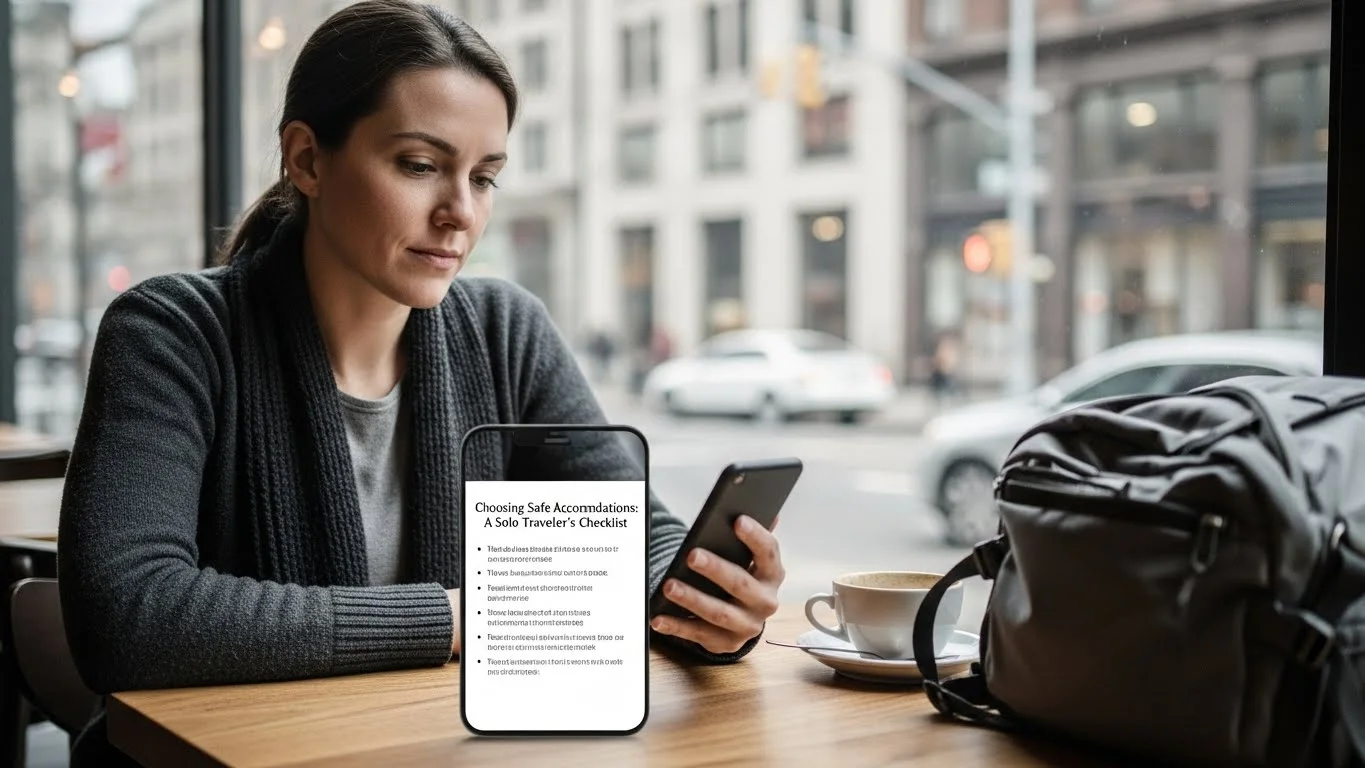
Understanding the Importance of Safe Accommodations
Why Safety Matters for Solo Travelers
As someone who has taken my fair share of solo trips, I can tell you that feeling safe in your accommodation is everything. It’s not just about having a roof over your head; it’s about creating a sense of security that allows you to enjoy your adventure. When I think back to my travels, the places where I felt secure were always the ones that let me relax and fully embrace the experience. Whether it’s a bustling city or a quiet countryside, knowing that I have a safe place to return to at the end of the day brings immense peace of mind.
Common Safety Concerns for Solo Travelers
During my travels, I’ve encountered various safety concerns that solo travelers often face. Some of these include theft, scams, and even issues with the accommodation itself, like cleanliness or safety standards. I remember one time in a bustling city, I had a close call when a stranger tried to distract me while another reached for my bag. It was a wake-up call that made me realize how important it is to choose an accommodation that not only feels safe but has a good reputation. Knowing others have had positive experiences can help ease that nagging worry as you settle into a new space.
Additionally, I’ve noticed that the atmosphere of the neighborhood can greatly impact your safety. Some areas are vibrant and lively, filled with friendly locals and other travelers, while others may feel a bit sketchy at night. Always trust your instincts; if something feels off, it’s worth considering a different option.
Key Factors to Consider When Choosing Accommodations
Location and Accessibility
Location is one of the first things I look at when choosing where to stay. Is it close to public transportation? Are there any essential services nearby, like grocery stores or pharmacies? On one trip, I picked a place that was a bit off the beaten path, thinking it would be quieter. While it was peaceful during the day, I found myself isolated at night, which was a little unsettling. Accessibility is crucial for solo travelers; being able to get around easily can save you a lot of stress.
Type of Accommodation (Hotels, Hostels, Rentals)
The type of accommodation you choose can also play a big role in your safety and comfort. I’ve stayed in everything from hotels to hostels to vacation rentals, and each has its own vibe. Hotels often offer more security features and a professional staff, which can provide an extra layer of safety. On the other hand, hostels can be a great way to meet fellow travelers, but I’ve learned that they can vary greatly in terms of safety and cleanliness. I suggest doing a little research on the specific place to see what previous guests have to say.
Reviews and Ratings
Reading reviews is one of my go-to strategies when selecting accommodations. I remember one time I overlooked some negative comments about a place I was eager to book. When I finally arrived, it was evident that the concerns were valid. That taught me to really pay attention to what others have experienced. Look for patterns in reviews—if multiple guests mention safety issues or unresponsive staff, it’s probably best to steer clear. Read Interesting article: Essential Checklist for Stress-Free Family Road Trip Planning
Security Features (Locks, Safes, Surveillance)
When I enter a new accommodation, I always scope out the security features. Are there strong locks on the doors? Is there a safe for valuables? I once stayed in a place that had a keypad entry system, and it made me feel much more secure than a simple key. Additionally, I appreciate when accommodations have visible security measures like cameras in common areas. These features can make a world of difference in how safe I feel during my stay.
Staff Presence and Responsiveness
The presence of staff can also impact your sense of security. I prefer places where staff is on-site and available to assist, especially if I have questions or concerns. I recall an instance where my accommodation had a 24-hour front desk, which provided me with a sense of reassurance. A friendly and responsive staff can make all the difference, and it’s nice to know you have someone to turn to if you need help.
Researching Accommodations: Tools and Resources
Trusted Booking Platforms (Airbnb, Booking.com)
When it comes to booking accommodations, I’ve found that using trusted platforms can make a world of difference in ensuring safety. Websites like Airbnb and Booking.com not only offer a wide range of options but also provide user-friendly interfaces and helpful filtering tools. I remember being overwhelmed by choices during one of my trips, but once I focused on reputable platforms, I felt more at ease. These sites often have built-in security measures, like verified hosts and secure payment methods, which are reassuring for solo travelers like us. Plus, many of them allow you to read reviews from past guests, giving you insights into what to expect.
Online Reviews and Recommendations
I can’t stress enough how valuable online reviews are when selecting your accommodations. After a few trips where I ignored the red flags in reviews, I learned my lesson. Now, I spend time reading through comments on various platforms. I look for recent reviews and pay attention to mentions of safety, cleanliness, and the overall experience. Sometimes, even a single review can provide crucial insights. If someone mentions a lack of security or uncomfortable staff interactions, I take note and usually move on to the next option. It’s all about gathering as much information as possible to make an informed decision.
Social Media and Travel Forums
In addition to traditional review sites, I’ve found social media and travel forums to be fantastic resources. Platforms like Instagram can showcase real experiences from travelers, while forums on sites like Reddit or specialized travel sites give you the chance to ask questions and get direct feedback from others. One time, I joined a travel group on Facebook specifically for solo travelers. The recommendations I received were invaluable, and I discovered hidden gems that I wouldn’t have found otherwise. Engaging with fellow travelers can provide tips and warnings that ultimately help in choosing a safe place to stay. Read Interesting article: Top Safety Hacks for Family Travel with Babies and Toddlers
Creating Your Checklist for Safe Accommodations
Essential Questions to Ask Before Booking
Before I hit the ‘book’ button, I’ve developed a list of essential questions that I ask myself about the accommodation. For instance, I always consider: What is the neighborhood like? Is there a safe way to get there from the airport? Do they have 24-hour security? I remember asking these questions before my last trip, and it led me to an accommodation that was not only in a safe area but also had easy access to public transport. It’s a small effort that really pays off in ensuring a stress-free stay.
Red Flags to Watch Out For
Over time, I’ve become more aware of red flags that signal I should keep looking. If the listing has limited pictures, vague descriptions, or an unusually low price, it raises my eyebrows. I’ve seen a couple of places that looked nice in photos but turned out to be in sketchy neighborhoods or poorly maintained. Trust your gut—if something feels off, it probably is. I recall a time when a place seemed too good to be true, and it turned out to be a huge letdown. Those experiences have taught me to be vigilant.
Safety Certifications and Ratings
Many accommodations boast safety certifications or ratings, and I always look for these when booking. They can indicate that a place meets certain safety standards, which can be quite reassuring. I once stayed at a hotel that had a good safety rating and strict health standards, which made me feel much more comfortable, especially since I was traveling alone. If you see badges or certifications on a listing, take a moment to understand what they mean. Knowing that a place takes safety seriously can enhance your peace of mind.
Tips for Staying Safe During Your Solo Trip
Communicating Your Itinerary
I always share my travel itinerary with a trusted friend or family member before I leave. It’s a simple step that adds an extra layer of safety. I remember telling my best friend about my plans for a solo trip to Europe, and she appreciated being in the loop. This way, if anything goes awry, someone knows where I should be. It also helps to keep in touch during my travels, letting them know when I arrive at my accommodation safely. It’s a small gesture, but it gives both of us peace of mind.
Staying Connected (Mobile Apps, Local SIM Cards)
Staying connected while traveling solo is crucial for safety. I often download travel apps that let me navigate and find my way around without relying solely on Wi-Fi. In some countries, I’ve opted for local SIM cards to have data on the go. This way, I can use maps, contact accommodations, or even reach out for help if needed. I remember getting lost in a new city once, but because I had data, I could quickly find my way back without feeling anxious. Being connected truly makes a difference.
Emergency Contacts and Resources
Before I embark on any trip, I make it a point to gather emergency contacts and resources. This includes saving local emergency numbers, the address of my country’s embassy, and the nearest hospital. I even write down essential phrases in the local language just in case. There was a moment during my travels when I needed assistance, and having this information on hand made a stressful situation much more manageable. I felt empowered knowing that I had resources to rely on if things didn’t go as planned.
Special Considerations for Unique Destinations
Urban vs. Rural Accommodations
When I think about choosing accommodations, the type of destination plays a huge role. Urban settings often come with their own unique vibes and challenges. In cities, I’ve noticed that the variety of accommodations can be overwhelming, from high-rise hotels in bustling downtowns to charming boutique stays tucked away in quieter neighborhoods. I remember a trip to a large city where I opted for a downtown hotel. While it was convenient for sightseeing, I felt a bit lost in the crowd. I realized that sometimes, a rural accommodation can offer a more intimate experience. In the countryside, I’ve found cozy bed-and-breakfasts that felt like home and made me feel safe and welcomed.
In rural areas, the challenge can be finding accommodations that are up to safety standards. I once stayed at a charming cabin that looked perfect online but had some concerning issues when I arrived, like a broken lock on the door. It taught me the importance of being diligent with research, even in seemingly peaceful settings. No matter where I go, I always remind myself that safety should be a priority, whether in a vibrant city or a tranquil countryside.
Traveling in Different Cultures
Traveling solo also means navigating through different cultures, which can impact the safety of accommodations. I remember visiting a country with customs that were completely different from my own. I had to be mindful of local norms regarding gender, dress codes, and behavior, which could affect how I interacted with my accommodation’s staff or other guests. For example, in some cultures, it’s common for men to be more dominant in social settings, and I learned to be respectful of that dynamic.
Before I travel, I always do a little research on the cultural expectations of my destination. This insight has helped me choose accommodations that align with my values and have staff who are sensitive to different backgrounds. One time, I stayed at a guesthouse that embraced cultural diversity, and it was a beautiful experience to learn and share stories with people from all over the world. Being aware of cultural nuances helps in selecting a place that feels welcoming and safe, which makes my solo travels even more enriching.
Seasonal Safety Factors (Weather, Events)
Seasons can greatly influence the safety of your accommodation choice. I remember traveling during the rainy season in Southeast Asia and booking a lovely-looking hut close to the beach. While it was picturesque, I didn’t consider the potential for flooding or how it would impact travel. The rain made navigating the area challenging, and I sometimes felt uneasy about my surroundings when the water levels rose.
On the other hand, I’ve found that some destinations host events like festivals or major holidays, which can either enhance my experience or complicate my stay. In one instance, I booked accommodations last minute during a local festival and ended up in a crowded area that was a bit overwhelming. It was exciting for a day, but the noise and chaos made me yearn for a quieter environment. I learned to check local events and weather patterns before my trips, which has become an integral part of my planning process. This way, I can choose accommodations that are not only safe but also comfortable for the time of year I’m visiting.
Post-Booking Safety Measures
Confirming Reservations
After I finalize my booking, I always make it a point to confirm my reservation a few days before my trip. I remember a time when I assumed everything was set, only to arrive and find out there was a mix-up with my reservation. Thankfully, I had a backup plan, but it was a stressful experience. Now, I double-check with the accommodation to ensure everything is in order. I send a quick email or call to verify my booking details, which gives me peace of mind. Plus, it’s a great opportunity to ask any last-minute questions about my stay.
Preparing for Arrival (Transport, Local Customs)
Getting to my accommodation safely is just as important as where I’m staying. I always research the best transport options from the airport or train station to my accommodation. I’ve had experiences where I took the wrong bus or taxi, leading to unnecessary confusion. I usually opt for well-reviewed services, like shuttle services or ride-sharing apps, which are often more reliable.
Understanding local customs is crucial as well. When I traveled to Japan, I learned about the etiquette surrounding public transport and how to navigate the city. It made my arrival smooth and helped me feel more comfortable when I checked in at my accommodation.
Understanding Accommodation Policies (Cancellations, Refunds)
Before I finalize my booking, I always review the accommodation’s policies regarding cancellations and refunds. Life is unpredictable, and plans can change. I recall a trip where I needed to cancel last minute due to an emergency, and understanding the accommodation’s policy helped me navigate that situation better. I prefer places with flexible cancellation policies, which provide a safety net should anything go awry. This awareness not only protects my finances but also alleviates potential stress.
Frequently Asked Questions
Why is safety important for solo travelers when choosing accommodations?
Feeling safe in your accommodation is crucial for solo travelers as it creates a sense of security that allows for a more enjoyable adventure. A safe space helps travelers relax and fully embrace their experiences.
What common safety concerns should solo travelers be aware of?
Common safety concerns for solo travelers include theft, scams, and issues related to the accommodation itself, such as cleanliness and safety standards. Trusting your instincts and being aware of the neighborhood atmosphere are also important.
What factors should be considered when choosing accommodations?
Key factors to consider include location and accessibility, the type of accommodation (hotels, hostels, rentals), reviews and ratings, security features, and the presence and responsiveness of staff.
How can online reviews help in selecting accommodations?
Reading online reviews is essential as they provide insights into the experiences of previous guests. Patterns in reviews can reveal safety issues or unresponsive staff, helping travelers make informed decisions.
What security features should travelers look for in accommodations?
Travelers should look for strong locks on doors, safes for valuables, and visible security measures such as surveillance cameras in common areas to feel more secure during their stay.
Why is it important to communicate your travel itinerary?
Sharing your travel itinerary with a trusted friend or family member adds an extra layer of safety, ensuring someone knows your plans and can help if anything goes awry during your travels.
What are some essential questions to ask before booking an accommodation?
Essential questions include what the neighborhood is like, whether there is a safe way to get there from the airport, and if there is 24-hour security available at the accommodation.
How can seasonal factors influence accommodation safety?
Seasons can impact safety; for example, traveling during the rainy season may lead to flooding, while local events or festivals can affect the environment around the accommodation, potentially complicating the stay.
What post-booking measures should travelers take for safety?
Travelers should confirm their reservations a few days before the trip, research transport options for arrival, and understand the accommodation’s policies regarding cancellations and refunds to ensure a smooth experience.
What should solo travelers consider regarding cultural differences when choosing accommodations?
Travelers should research cultural expectations of their destination, as this can influence their interactions with accommodation staff and impact their overall safety and comfort during their stay.