
Travel photography goes beyond capturing beautiful landscapes; it’s about telling stories through the lens. Cultural portraits allow us to connect deeply with the places we visit and the people we meet, revealing the essence of their lives. To enhance your skills, check out Capturing Culture: Top Tips for Stunning Travel Portraits.
Understanding Cultural Portraits in Travel Photography
Definition of Cultural Portraits
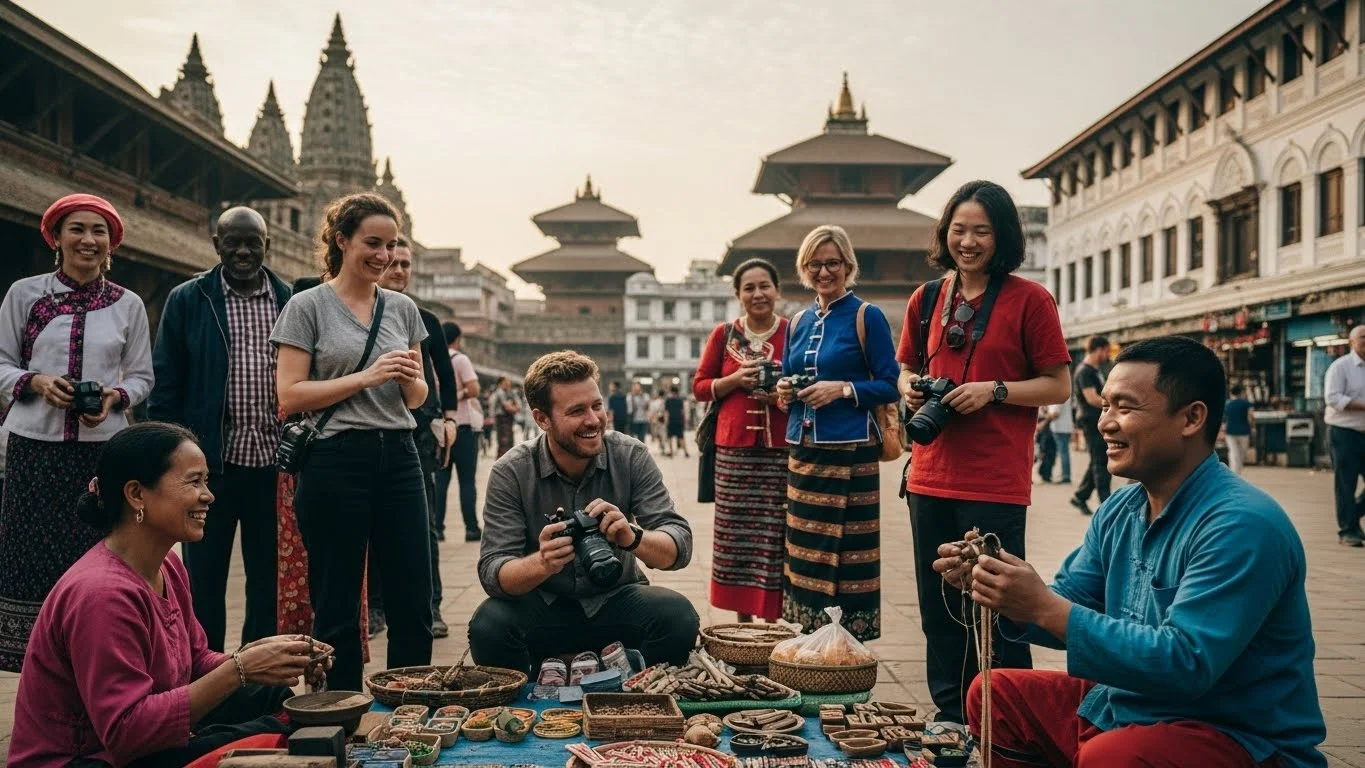
Cultural portraits are photographs that capture the essence of a person within their cultural context. They go beyond mere images of individuals; they tell a story of who the subjects are, where they come from, and what their cultural backgrounds entail. I remember the first time I tried my hand at cultural portraits during a trip to Peru. I came across a local artisan in Cusco, and I realized that her intricate weaving was not just a craft but a reflection of her heritage. My camera became a tool to document her story, and I found myself immersed in her world.
The Importance of Authenticity
Authenticity is crucial in cultural portraits. It’s about representing the subject in a way that honors their culture and individuality. I’ve seen too many photographers rush through a destination, snapping quick pictures without understanding the context or the stories behind the faces. For me, the most powerful portraits are the ones that convey genuine emotion and authenticity. I believe that when we approach our subjects with respect and curiosity, we can create images that resonate deeply with viewers. Authenticity fosters trust, which in turn leads to more intimate and revealing portraits.
How Cultural Portraits Differ from Traditional Portraits
While traditional portraits often focus solely on the subject, cultural portraits emphasize the surrounding environment and cultural elements that define the individual. I learned this difference first-hand during my travels in Vietnam. I could have taken a simple portrait of a smiling woman in a conical hat, but I chose to capture her amidst the rice fields, with the vibrant greens and yellows of the landscape framing her. This added context not only enriched the portrait but also provided a glimpse into her daily life. Cultural portraits are about weaving together the person and their environment, making every image a part of a larger narrative.
Essential Equipment for Travel Photography
Cameras: DSLRs vs. Mirrorless
Choosing the right camera can significantly impact your travel photography experience. I’ve used both DSLRs and mirrorless cameras, and each has its advantages. DSLRs are known for their durability and battery life, which is excellent for long trips. However, I find myself leaning more towards mirrorless systems lately. They’re typically lighter and more compact, making them easier to carry around during all-day photo walks. When I was in Morocco, I appreciated how lightweight my mirrorless setup was as I navigated through bustling markets and winding alleys, allowing me to shoot comfortably without feeling weighed down.
Lenses: Choosing the Right Focal Length
The choice of lens is just as crucial as the camera body. I’ve learned that prime lenses often offer better quality and wider apertures, which are fantastic for low-light scenarios. A 50mm lens can be perfect for portraits, providing a natural perspective without distortion. However, I also recommend a wider lens, like a 24mm, for capturing the environment around your subject. During my travels in India, I often switched between a 35mm for portraits and a wide-angle for capturing the vibrant colors of festivals, ensuring I had the right tool for every moment. For more insights on lens choices, consider reading Unforgettable Candid Travel Portraits: Techniques You Need.
Accessories: Tripods, Filters, and More
When it comes to accessories, a sturdy tripod is invaluable, especially for low-light situations or landscapes. I remember setting up my tripod during sunset in Santorini, where the lighting was perfect for capturing the dramatic sky colors. Filters can also enhance your photos, helping to manage reflections and boost colors. A polarizing filter, for instance, can make the sky bluer and reduce glare, which I found particularly helpful while shooting near water. Don’t forget extra batteries and memory cards; running out of space or power in the middle of an adventure is a nightmare I’ve experienced, and it’s one I wouldn’t wish on anyone.
Researching Cultural Context
Understanding Local Customs and Traditions
Before embarking on a trip, I always make it a priority to research the local customs and traditions of the places I plan to visit. I’ve found that this preparation not only enriches my experience but also enhances my photography. For example, during my time in Japan, I learned about the significance of the tea ceremony. Understanding its rituals allowed me to capture the essence of the event more deeply. I remember standing quietly in the corner, camera in hand, as the tea master gracefully performed each movement. My knowledge of the tradition helped me respect the moment and photograph it in a way that honored its cultural significance. This kind of research can make a world of difference in how we perceive and portray the cultures we encounter.
Identifying Key Cultural Symbols
As I traveled, I started to pay attention to specific cultural symbols that tell a story about a community. Each place has its own set of symbols that reflect its history, beliefs, and values. I recall walking through a village in Guatemala where colorful textiles adorned every home. These textiles weren’t just beautiful; they represented the heritage and identity of the people. I learned to recognize the patterns and colors associated with different communities, which helped me create more meaningful portraits. When photographing a subject wearing traditional attire, I made sure to include the intricate details of their clothing in the frame, showcasing the cultural narrative behind it. This practice has allowed me to create images that resonate with viewers on a deeper level.
Engagement with Local Communities
Engaging with local communities has been one of the most rewarding aspects of my travels. I’ve discovered that building relationships often leads to the most authentic cultural portraits. When I visited a small village in Kenya, I didn’t just set up my camera and start shooting. Instead, I took the time to interact with the people, learn their stories, and understand their way of life. I joined in their daily activities, which not only helped me gain their trust but also provided me with incredible photographic opportunities. I remember one moment when a young girl invited me to help her carry water. As we walked, we chatted and laughed, and I captured her natural joy and spirit in my photos. It’s these moments of connection that lead to the most powerful and authentic images.
Techniques for Capturing Authentic Cultural Portraits
Building Rapport with Subjects
Building rapport is essential when capturing cultural portraits. I’ve learned that establishing trust with my subjects can transform the entire photographic experience. When I was in India, I met a group of artisans working on intricate wood carvings. Instead of immediately focusing on my camera, I sat down, shared stories, and asked them about their craft. This interaction allowed me to gain their trust. When I finally raised my camera, they were relaxed and comfortable, resulting in portraits that reflected their true selves. I find that the more genuine the connection, the more authentic the portrait becomes.
Using Natural Light Effectively
Natural light has always been my preferred choice for photography, especially when it comes to cultural portraits. I’ve discovered that the quality of light can dramatically affect the mood and feel of an image. During my travels in Iceland, I learned to be patient and wait for the right moment as the sun dipped below the horizon, casting a warm glow over the landscape. I remember capturing a portrait of a local fisherman against the backdrop of a stunning sunset. The natural light highlighted the texture of his weathered skin and the colors of his surroundings, creating a powerful story. I recommend experimenting with different times of the day, as the golden hours—shortly after sunrise and before sunset—can produce truly magical results.
Composition Techniques for Cultural Photography
Composition is key in travel photography, particularly when aiming to tell a story through cultural portraits. I often use the rule of thirds to frame my subjects, placing them off-center to create a dynamic image. Incorporating leading lines, like paths or rivers, can also guide the viewer’s eye through the photograph. During my visit to a vibrant market in Morocco, I positioned my subject amidst the bustling stalls, using the colorful displays to frame her portrait. This technique not only emphasized her place within that lively environment but also conveyed the energy of the scene. I’ve found that being mindful of composition can elevate a simple portrait into a powerful narrative.
Best Destinations for Cultural Portrait Photography
Asia: Capturing the Vibrancy of Markets and Festivals
Asia has been one of my favorite continents for cultural portrait photography. The vibrancy of its markets and the energy of its festivals provide a rich backdrop for storytelling. I remember visiting the floating markets in Thailand, where the boats were brimming with colorful fruits and handmade crafts. The faces I encountered, from smiling vendors to curious tourists, were full of life. I took my time to engage with the local sellers, learning about their products and the stories behind them. One particular vendor, an elderly woman, shared her secrets about the spices she sold, and I captured her portrait with a warm smile, the colors of her market surrounding her. These moments not only enriched my experience but also resulted in authentic portraits that reflected the spirit of the location.
Africa: Portraits of Tradition and Modernity
Africa offers a unique blend of tradition and modernity, making it an incredible place for cultural portraits. When I traveled to Kenya, I was struck by the juxtaposition of traditional Maasai culture against the backdrop of a quickly modernizing society. I visited a Maasai village, where the vibrant red shuka and intricate beadwork of the community members told stories of their heritage. I found that approaching the villagers with respect and curiosity opened many doors. One woman I photographed was weaving intricate baskets, and I was captivated by her skill and artistry. Capturing her in her natural environment, surrounded by colorful textiles and traditional artifacts, brought her story to life. I felt like I was documenting a beautiful balance between preserving traditions while embracing change.
South America: Celebrating Culture through Festivals
South America is a treasure trove of cultural celebrations that create stunning opportunities for portrait photography. One of my most memorable experiences was during the Inti Raymi festival in Cusco, Peru. This ancient Incan festival celebrates the winter solstice and honors the sun god. The colorful costumes, vibrant music, and infectious energy of the participants made it a photographer’s dream. I spent hours mingling with the locals, capturing their joy and pride in their heritage. The portraits I took during the festival displayed not just faces, but the essence of a culture rich in history. One portrait that stands out was of a young dancer adorned in traditional attire, her expression radiating passion and dedication. Festivals like these remind me that cultural portraits are not just photographs but windows into the heart and soul of a community.
Europe: Historical Portraits in Urban Settings
Europe is filled with historical significance and diverse cultural experiences, providing endless opportunities for captivating portraits. Walking through the cobbled streets of Prague, I was constantly inspired by the unique architecture and the vibrant street life. I remember one particular afternoon at a local café, where I struck up a conversation with an artist sketching the scenery. Capturing her in the midst of her work, with the city’s historic buildings in the background, created a beautiful blend of contemporary artistry and historical context. I find that urban settings in Europe allow for powerful storytelling, where the past and present intertwine in every frame. The layered history of cities like Rome or Paris adds depth to portraits, making them richer and more compelling.
Ethical Considerations in Travel Photography
Respecting Privacy and Consent
One of the most important lessons I’ve learned in travel photography is the necessity of respecting privacy and obtaining consent. I’ve encountered many situations where I was tempted to snap a quick photo of a captivating scene, but I always pause to consider how the subject might feel about it. During my travels in Morocco, I met a woman selling handmade jewelry in the souks. Before taking her portrait, I asked if it was okay, and she smiled, agreeing. This simple act of respect not only built trust but also ensured a more genuine interaction. I believe that every photographer should prioritize the comfort and wishes of their subjects. It’s essential to remember that behind every photograph is a story and a person whose privacy must be honored.
Portraying Cultures Responsibly
As travel photographers, we have a responsibility to portray cultures accurately and sensitively. I’ve often seen images that misrepresent communities or reduce them to stereotypes. During my time in the Andes, I was surrounded by indigenous communities, and I made it a point to educate myself about their traditions and history. I aimed to represent their lives authentically, highlighting their strength and resilience rather than perpetuating clichés. I believe it’s crucial to approach every culture with an open heart and mind, ensuring that our images reflect the true essence of the people we photograph. This commitment not only benefits the subjects but also enriches our work as storytellers.
Giving Back: Supporting Local Communities through Photography
While traveling and capturing cultural portraits, I’ve found it equally important to consider how we can give back to the communities that welcome us. I’ve participated in local initiatives, such as donating prints from my travels or offering photography workshops to aspiring local photographers. I remember a project in a rural village in India, where I helped teach basic photography skills to children interested in capturing their own stories. It was an incredibly rewarding experience, and it reminded me that photography can be a powerful tool for empowerment. Supporting local communities not only enriches our own journeys but also helps preserve the cultures we love to photograph.
Post-Processing Techniques for Cultural Portraits
Editing Software Options: Lightroom vs. Photoshop
Once I’ve captured my cultural portraits, the next step is post-processing, where I can refine my images to better reflect the essence of the moment. I usually start with Adobe Lightroom for its user-friendly interface and powerful tools. It’s perfect for batch editing, which can be a lifesaver when you have hundreds of images to go through after a trip. I remember spending hours in a cozy café in Lisbon, editing my travel photos while sipping coffee. Lightroom allows me to enhance exposure, contrast, and colors without losing the natural feel of the photograph. For more detailed edits, like retouching or compositing multiple images, I turn to Photoshop. Both programs have their strengths, and I often find that using them together yields the best results for my cultural portraits.
Enhancing Colors and Textures
One of my favorite aspects of post-processing is enhancing the colors and textures in my portraits. I’ve learned that subtle adjustments can make a significant difference. During my time in the vibrant streets of Oaxaca, Mexico, I took portraits of artisans surrounded by colorful murals. In post-processing, I carefully adjusted the saturation and vibrancy to make those colors pop while keeping the skin tones natural. I also love using sharpening tools to bring out the intricate details in clothing and facial expressions. However, I always remind myself not to go overboard; preserving the authenticity of the moment is key. I believe that the goal of post-processing should be to enhance, not alter, the story behind each image.
Maintaining Authenticity in Post-Processing
In the age of filters and heavy editing, maintaining authenticity in post-processing is more important than ever. I strive to keep my edits true to the original scene I experienced. For instance, when I photographed a local festival in Bali, I made sure to preserve the warmth of the golden hour light that bathed everything in a beautiful glow. I often set guidelines for myself, like limiting my edits to minor adjustments that enhance the image without compromising its truth. I’ve found that viewers appreciate the raw beauty of a moment, and I want my portraits to reflect the genuine stories of the people I meet, not a manufactured version of their lives.
Sharing and Showcasing Your Work
Building an Online Portfolio
Once I’ve polished my images, the next step is sharing them with the world. I’ve realized that building an online portfolio is crucial for showcasing my work. I use platforms like Squarespace and Wix, where I can easily create an aesthetically pleasing gallery that reflects my style. As I organize my images, I focus on telling a story through the layout, allowing viewers to experience my travels visually. I remember curating my portfolio after a trip to Nepal, highlighting the rich culture and stunning landscapes. This not only serves as a collection of my work but also as a way to connect with others who share my passion for travel photography.
Utilizing Social Media for Exposure
Social media has become an invaluable tool for photographers looking to gain exposure. I’ve found platforms like Instagram and Facebook to be fantastic for sharing my work while building a community of fellow travel enthusiasts. By posting regularly, engaging with my followers, and using relevant hashtags, I’ve managed to increase my visibility. I also enjoy sharing behind-the-scenes stories and the cultural context behind my portraits, which resonates with my audience. I remember a post where I shared the story of a young Maasai girl I photographed, which sparked conversations and connections with people around the globe. It’s incredible how social media can bridge cultures and create a dialogue. For beginners, I recommend checking out Mastering Candid Travel Portraits: A Beginner’s Guide.
Participating in Photography Exhibitions and Contests
Participating in exhibitions and contests has been another rewarding way to showcase my cultural portraits. I remember submitting a series of portraits from my travels in South America to a local photography contest; it was thrilling to see my work displayed in a gallery. Not only did it provide recognition, but it also helped me connect with other photographers and art enthusiasts. I think contests offer a chance to challenge myself, pushing my creative boundaries while gaining valuable feedback. Plus, there’s something special about seeing my images printed on a wall, allowing others to experience the stories behind them in a new way.
Final Thoughts
Travel photography, particularly cultural portraits, is more than just a hobby; it’s a profound way to connect with the world around us. Each portrait I capture tells a story, reflecting the beauty and diversity of human experiences. I’ve learned that it’s essential to approach this art form with respect, curiosity, and a commitment to authenticity. As we navigate different cultures, let’s embrace the responsibility that comes with our cameras, ensuring our work honors the people and stories we encounter. With every click of the shutter, we have the power to not only document our journeys but also to inspire understanding and appreciation for the rich tapestry of life that surrounds us.
Frequently Asked Questions
What are cultural portraits in travel photography?
Cultural portraits are photographs that capture the essence of a person within their cultural context, telling a story about who the subjects are, where they come from, and what their cultural backgrounds entail.
Why is authenticity important in cultural portraits?
Authenticity is crucial as it represents the subject in a way that honors their culture and individuality. Genuine emotion and respect foster trust, leading to more intimate and revealing portraits.
How do cultural portraits differ from traditional portraits?
Cultural portraits emphasize the surrounding environment and cultural elements that define the individual, while traditional portraits often focus solely on the subject. This context enriches the narrative of the image.
What type of camera is recommended for travel photography?
Both DSLRs and mirrorless cameras have their advantages. DSLRs are durable with good battery life, while mirrorless cameras are typically lighter and more compact, making them easier to carry during long photo walks.
What lens is best for capturing portraits in travel photography?
A 50mm prime lens is ideal for portraits due to its natural perspective and wide aperture, while a wider lens like a 24mm can be valuable for capturing the environment around the subject.
What is the significance of researching local customs before a trip?
Researching local customs and traditions enhances the travel experience and photography, allowing for a deeper understanding and more respectful depiction of cultural events.
How can engagement with local communities improve cultural portraits?
Building relationships and engaging with local communities can lead to more authentic cultural portraits, as it fosters trust and allows photographers to capture genuine moments and stories.
What techniques can enhance the authenticity of cultural portraits?
Building rapport with subjects, using natural light effectively, and employing composition techniques can enhance the authenticity of cultural portraits, making them more relatable and powerful.
What ethical considerations should photographers keep in mind?
Photographers should respect privacy and obtain consent before taking photos, portray cultures responsibly without perpetuating stereotypes, and consider giving back to the communities they photograph.
What post-processing techniques are recommended for cultural portraits?
Using software like Lightroom for batch editing and Photoshop for detailed edits can enhance portraits. It’s important to maintain authenticity in post-processing by making subtle adjustments that preserve the original scene’s truth.