
Have you ever gazed at breathtaking aerial photographs and wondered how they capture such stunning perspectives? Let’s uncover the magic behind aerial photography and explore some of the best spots around the globe to capture those unforgettable views. For more ideas, check out Top 10 Breathtaking Locations for Aerial Photography.
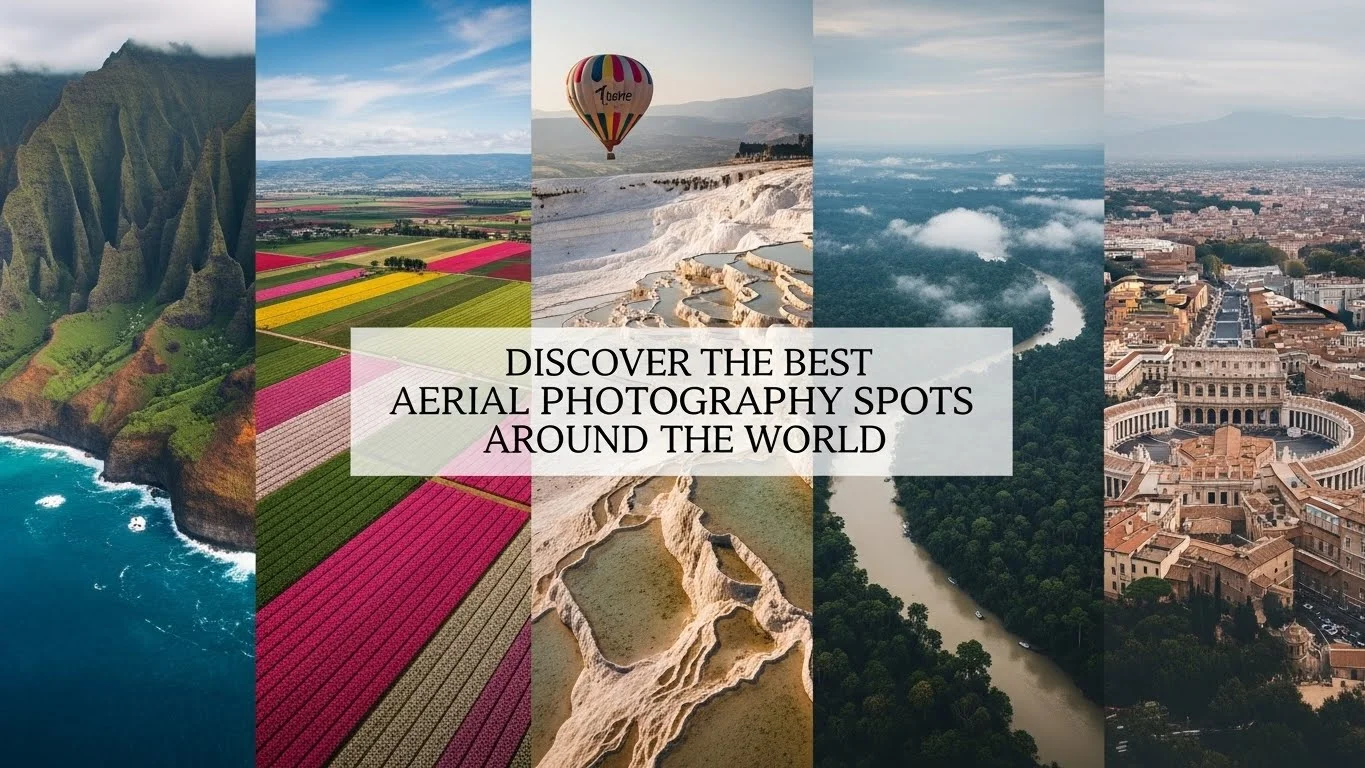
Understanding Aerial Photography
What is Aerial Photography?
Aerial photography is a technique of taking pictures from an elevated position. I remember the first time I was captivated by an aerial shot; it was a stunning view of a winding river from a helicopter. There’s something truly mesmerizing about seeing the world from above. This style of photography can be done using various platforms, including drones, airplanes, and even hot air balloons, depending on the desired effect and altitude.
Types of Aerial Photography (Drones, Helicopters, Planes)
When I first got into aerial photography, I quickly realized that the choice of platform can greatly impact the shots you capture. For instance, drones have become the go-to for many photographers due to their affordability and accessibility. I’ve found that their ability to hover and maneuver in tight spaces allows for unique perspectives that you just can’t get from a plane. Helicopters offer a more stable platform and can reach higher altitudes, providing expansive views, while planes can cover larger areas and capture stunning vistas from thousands of feet up. Each method has its own appeal, and I believe choosing the right one depends on the vision you have for your photographs.
The Importance of Aerial Perspectives
The beauty of aerial photography lies in its ability to showcase landscapes and urban environments from a fresh angle. I’ve seen how it can transform familiar locations into something extraordinary. Aerial views can highlight patterns, textures, and shapes that are often missed from the ground. For instance, the symmetry of city blocks or the fluid lines of a river winding through a forest can reveal hidden beauty that’s simply captivating. It reminds me of how we often overlook the big picture in our daily lives. Aerial photography invites us to step back and appreciate the world in a whole new way.
Top Aerial Photography Destinations Worldwide
Iconic Landscapes
The Grand Canyon, USA
The Grand Canyon is truly a photographer’s dream. I’ll never forget standing on the edge, peering down into the vastness below. Capturing this natural wonder from the air reveals the intricate layers of rock that tell the story of millions of years of erosion. The colors change throughout the day, offering a rainbow of hues that make every shot unique.
Mount Everest, Nepal
There’s something surreal about capturing the world’s highest peak from the sky. The sheer scale of Mount Everest is awe-inspiring. I’ve read that aerial views can showcase the surrounding Himalayan range, offering a perspective that highlights both its beauty and its daunting presence. The clouds swirling around the peaks add an element of mystique that’s hard to resist.
Antelope Canyon, USA
Antelope Canyon is famous for its wave-like structure and light beams that filter through the narrow openings above. From the air, you can see how the canyon twists and turns, creating an intricate pattern that looks almost otherworldly. It’s a spot I dream of visiting, knowing that aerial photography will reveal the stunning colors and shapes carved by nature over time.
Cities from Above
New York City, USA
New York City’s skyline is iconic, and capturing it from above is an experience like no other. I remember the first time I saw a drone shot of Manhattan—seeing Central Park nestled among the urban jungle was breathtaking. The contrast between the green space and the concrete jungle highlights how vibrant and alive the city truly is.
Tokyo, Japan
Tokyo is a bustling metropolis that feels like a world of its own. From above, the chaos of the streets transforms into a mesmerizing pattern of lights and colors. I’ve often thought about how capturing the Shibuya Crossing from the sky could showcase the organized chaos of pedestrians in a way that’s enchanting and surreal.
Dubai, UAE
Dubai is famous for its modern architecture and luxury. Aerial views of the Burj Khalifa, the world’s tallest building, can be stunning. I’ve seen photographs that depict the city’s futuristic skyline surrounded by the vast desert, creating a beautiful contrast. The mix of urban life and natural landscape makes it a unique spot to capture.
Natural Wonders
The Great Barrier Reef, Australia
As one of the world’s most stunning natural wonders, the Great Barrier Reef is a paradise for aerial photographers. I’ve always been fascinated by the vibrant colors of the coral and the patterns of the water. An aerial view truly captures the vastness and beauty of this underwater ecosystem.
Victoria Falls, Zambia/Zimbabwe
Victoria Falls is one of the largest and most impressive waterfalls in the world. From an aerial perspective, the sheer volume of water cascading down creates a breathtaking sight. I can only imagine how capturing the mist rising from the falls adds an ethereal quality to the photographs.
The Amazon Rainforest, South America
The Amazon rainforest is teeming with life and biodiversity. I’ve always dreamed of capturing it from above, where the dense canopy gives way to winding rivers and hidden clearings. Aerial photography can bring to light the intricate ecosystem that thrives within, showcasing the vibrant colors and vastness of this incredible region.
Unique Structures and Landmarks
The Eiffel Tower, France
The Eiffel Tower is a symbol of Paris, and from above, it’s even more striking. I’ve seen aerial shots that beautifully frame the tower with the Seine River and the lush parks surrounding it. The perspective adds a layer of romance and elegance that makes this landmark even more captivating.
The Pyramids of Giza, Egypt
The Pyramids of Giza have fascinated me for as long as I can remember. Seeing them from an aerial view reveals the vastness of the surrounding desert and the alignment of these ancient structures. It’s a powerful reminder of human ingenuity and history.
The Great Wall of China
The Great Wall stretches across mountains and valleys, and experiencing it from above is truly awe-inspiring. I can only imagine how capturing its winding path through the landscape reveals both its grandeur and the natural beauty of the surroundings.
Best Times to Photograph Aerial Views
Understanding Lighting Conditions
Lighting is one of the most crucial elements in photography, and aerial photography is no exception. I’ve learned that the time of day can dramatically affect how a shot turns out. The golden hours, which are just after sunrise and just before sunset, provide the softest and most flattering light. I remember capturing a sunrise over a mountain range, and the way the early light painted the peaks in shades of gold was simply magical. During these times, shadows are softer, and colors are richer, making landscapes and cityscapes look almost surreal. I recommend planning your aerial shoots around these times to capture that special glow.
Seasonal Considerations
Seasons can add distinct characteristics to your aerial photographs. I’ve noticed how autumn can drape landscapes in vibrant reds and oranges, while spring brings a fresh burst of greens and blooming flowers. Each season tells a story, and I find joy in adapting my photography style to match. For example, shooting during winter can provide stunning contrasts between white snow and dark trees or buildings, creating a dramatic effect. It’s essential to think about what season will best highlight the locations you want to photograph. In my experience, each season offers something unique and beautiful that deserves to be captured from above.
Weather Patterns and Their Impact
Weather can significantly impact aerial photography. On one of my flights, I experienced how clouds can add depth and drama to a photograph. I’ve learned that shooting on partially cloudy days can create beautiful light and interesting textures in the sky. However, I also know that clear skies can offer crisp details and a different kind of beauty, especially for expansive landscapes. I recommend checking the weather forecast before heading out for a shoot and being prepared for sudden changes. Sometimes, the best moments are found when we embrace the unexpected, such as a light rain creating a mist that adds a mystical quality to the scene below.
Equipment and Techniques for Aerial Photography
Recommended Drones for Aerial Photography
Choosing the right drone can make all the difference in capturing stunning aerial photographs. I’ve experimented with a few models and found that drones like the DJI Mavic Air 2 and DJI Phantom 4 Pro offer excellent image quality and ease of use. The Mavic Air 2 is compact and user-friendly, making it a great option for beginners. On the other hand, the Phantom 4 Pro has a larger sensor and superior stability, perfect for professional-grade shots. I recommend considering what features are most important to you, such as camera quality, flight time, and portability, before making a purchase.
Camera Settings and Techniques
Understanding camera settings is key to getting the most out of your aerial photography. I’ve learned that shooting in RAW format allows for greater flexibility in post-processing, which is something I value. I typically set my ISO as low as possible to minimize noise and adjust the shutter speed according to the lighting conditions. For landscapes, I often use a smaller aperture (like f/8 or f/11) to achieve a greater depth of field. I also recommend using ND filters to manage exposure, especially in bright conditions. Experimenting with these settings can really enhance the overall quality of your aerial shots.
Editing Tips for Aerial Photos
Once I’ve captured my aerial shots, the editing process becomes an exciting part of the journey. I usually start by adjusting exposure and contrast to bring out the details in the shadows and highlights. I often play with color balance to ensure the hues are vibrant without looking unnatural. My go-to software is Adobe Lightroom, where I can make precise adjustments and use presets to save time. I’ve found that a little sharpening goes a long way in enhancing details, especially for landscapes. It’s fascinating how post-processing can transform a good shot into a great one, and I encourage you to find your editing style through practice and exploration.
Legal Considerations for Aerial Photography
Drone Regulations by Country
Navigating the legal side of aerial photography can feel overwhelming at times, but I’ve come to realize how crucial it is. Each country has its own regulations regarding drone use, and it’s important to familiarize yourself with these rules before flying. For instance, in the U.S., the FAA has established guidelines that require drone pilots to register their drones and adhere to specific altitude limits. I remember feeling a rush of excitement when I first took my drone out for a spin, but I was also mindful of the laws to ensure I was flying responsibly. Always check the regulations for your location and the areas you plan to shoot; it can save you from potential fines and ensure you’re respecting the airspace. For more details, see Navigating Legalities of Aerial Photography While Traveling.
Permits and Restrictions
In some cases, you may need special permits to fly your drone in particular locations, especially in national parks or urban areas. I’ve encountered instances where iconic landmarks required permits for aerial photography. It can be a bit of a hassle, but the extra effort is often worth it when you capture those stunning shots. I recommend doing thorough research and applying for any necessary permits well in advance of your planned shoots. This way, you can focus on the creative side of photography without worrying about legal issues.
Respecting Privacy and Ethical Considerations
As someone who values the importance of privacy, I always consider the ethical implications of aerial photography. Capturing candid moments can be beautiful, but I’ve learned that it’s vital to respect people’s privacy. If I’m shooting in populated areas, I make sure to avoid intrusive angles and focus on landscapes or architectural features instead. It’s essential to strike a balance between artistic expression and ethical responsibility. I encourage fellow photographers to be mindful of their surroundings, ensuring that our passion for photography doesn’t infringe on others’ rights.
Tips for Capturing Stunning Aerial Shots
Framing and Composition Techniques
When it comes to aerial photography, I’ve learned that framing and composition can make all the difference in creating a captivating image. One technique I often use is the rule of thirds. By placing key elements of the scene along the gridlines or at their intersections, I find that the composition feels more balanced and engaging. I remember one time when I captured a stunning sunset over a coastline, and by positioning the horizon along the top third of the frame, it drew the viewer’s eye directly to the vibrant colors reflecting off the water.
Another method I enjoy is leading lines. Whether it’s a winding road or a river, these natural lines can guide the viewer’s eye through the image, creating a sense of depth and movement. During my travels, I’ve often looked for these elements when scouting locations to shoot from above. I believe that a thoughtfully composed shot has the power to tell a story, making it an essential aspect of aerial photography.
Utilizing Natural Elements
Incorporating natural elements into my aerial shots can really elevate the overall impact of the photograph. I’ve found that including features like trees, mountains, or bodies of water can provide a sense of scale and context. For instance, when shooting a vast landscape, I often look for a foreground element to anchor the scene. This could be a cluster of trees or a rocky outcrop that adds depth and interest to the image.
I also enjoy playing with reflections, especially when photographing bodies of water. Capturing the mirror-like quality of a lake or a pond can create a mesmerizing effect. I remember a time when I flew over a tranquil lake just as the sun was setting. The reflections of the colorful sky danced on the surface, making for a breathtaking shot. It’s moments like these that remind me of the beauty of nature and how it can enhance my aerial photography.
Experimenting with Angles and Heights
One of the most exciting aspects of aerial photography is the ability to explore different angles and heights. I’ve found that changing my altitude can completely transform a shot. For example, flying lower to the ground can provide more detail and context, while shooting from a higher elevation can capture the vastness of a landscape. I often switch between different heights to see how the scene evolves.
Angles also play a significant role in my photography. I’ve noticed that shooting from a diagonal angle can create a more dynamic composition, while a straight-on shot can give a sense of symmetry and order. I remember experimenting with various angles during a shoot at a coastal cliff. By tilting my drone slightly, I was able to capture the dramatic drop-off into the ocean, which added a sense of adventure and excitement to the image.
Don’t be afraid to get creative with your angles—sometimes the most unexpected perspectives lead to the most stunning results. I believe that embracing experimentation is key to discovering new ways to highlight the beauty of our world from above.
Inspiration and Resources for Aerial Photography
Notable Aerial Photographers to Follow
Following talented aerial photographers has been a great source of inspiration for me. One of my favorites is Alex MacLean, known for his stunning aerial images that capture the interplay of nature and human development. His work has taught me the importance of storytelling through composition and perspective.
Another photographer I admire is Alex Strohl, who has a knack for capturing breathtaking landscapes and adventure scenes from above. His approach to aerial photography encourages me to get outside my comfort zone and explore new locations. I strongly recommend following these artists on social media to see their latest work and gain insights into their creative processes.
Online Communities and Forums
Connecting with fellow aerial photography enthusiasts has been invaluable to my growth as a photographer. I’ve found that online communities and forums offer a space to share experiences, ask questions, and learn from one another. Websites like Drone Forum and Reddit’s r/drones are great places to start. I remember posting a question about drone settings for low-light conditions and receiving helpful advice from experienced members.
Facebook groups dedicated to aerial photography can also be a fantastic resource. I’ve joined a couple that focuses on sharing tips, tricks, and even hosting photo challenges. Engaging with others who share my passion has helped me improve my skills and find new inspiration in my aerial photography journey.
Books and Courses on Aerial Photography
Investing in books and courses has given me a deeper understanding of aerial photography techniques and best practices. One book that I found particularly helpful is “Drones: The Future of Aerial Photography” by David McLain. It covers everything from drone operation to composition and editing techniques, providing a solid foundation for beginners and experienced photographers alike. If you want to dive deeper into techniques, I suggest checking out Aerial Photography 101: Techniques to Capture Breathtaking Scenes.
Online courses, such as those offered on platforms like Udemy and Skillshare, have also been beneficial. I took a drone photography course that walked me through essential techniques and editing tips. The hands-on lessons helped me build confidence in my abilities and expand my creative horizons. I encourage anyone interested in aerial photography to seek out resources that resonate with them and enhance their skills.
Frequently Asked Questions
What is aerial photography?
Aerial photography is a technique of taking pictures from an elevated position using various platforms such as drones, airplanes, and hot air balloons to capture unique perspectives of the world from above.
What are the different types of platforms used for aerial photography?
The types of platforms used for aerial photography include drones, helicopters, and planes. Drones are popular for their affordability and maneuverability, while helicopters provide stability at higher altitudes, and planes can cover larger areas from thousands of feet up.
Why are aerial perspectives important in photography?
Aerial perspectives allow photographers to showcase landscapes and urban environments from a fresh angle, highlighting patterns, textures, and shapes that are often missed from the ground, transforming familiar locations into something extraordinary.
What are some recommended aerial photography destinations?
Some top aerial photography destinations include the Grand Canyon, Mount Everest, Antelope Canyon, New York City, Tokyo, Dubai, the Great Barrier Reef, Victoria Falls, the Amazon Rainforest, the Eiffel Tower, the Pyramids of Giza, and the Great Wall of China.
What are the best times to photograph aerial views?
The best times to photograph aerial views are during the golden hours, right after sunrise and just before sunset, as these times provide the softest and most flattering light for capturing landscapes and cityscapes.
What camera settings are recommended for aerial photography?
Recommended camera settings for aerial photography include shooting in RAW format, using low ISO to minimize noise, adjusting shutter speed according to lighting conditions, employing a smaller aperture for greater depth of field, and using ND filters to manage exposure.
What legal considerations should be kept in mind for aerial photography?
Legal considerations include understanding drone regulations by country, obtaining necessary permits for certain locations, and respecting privacy and ethical considerations while capturing images, particularly in populated areas.
What framing and composition techniques are effective in aerial photography?
Effective framing and composition techniques in aerial photography include using the rule of thirds to create balanced images and leading lines to guide the viewer’s eye, enhancing the overall impact of the photograph.
How can natural elements enhance aerial photographs?
Incorporating natural elements like trees, mountains, or bodies of water can provide a sense of scale and context, while reflections in water can create a mesmerizing effect, adding depth and interest to the aerial shots.
What resources can help improve aerial photography skills?
Resources that can help improve aerial photography skills include following notable aerial photographers, engaging in online communities and forums dedicated to aerial photography, and investing in books and online courses that cover techniques and best practices.