
Macro wildlife photography opens up a fascinating world of tiny details in nature, allowing us to capture the beauty often overlooked. On a budget? Don’t worry! There’s plenty you can do without breaking the bank. For great tips on affordable options, check out Budget Backpacking for Macro Wildlife Photography Lovers.
Understanding Macro Wildlife Photography
What is Macro Wildlife Photography?
Macro wildlife photography is the art of capturing small subjects in great detail. Think of insects, flowers, or small animals, often taken at a close distance. I remember the first time I got up close to a butterfly, and the intricate patterns on its wings felt like a secret world unveiling before my eyes. This style of photography allows us to explore and appreciate the beauty of nature that often goes unnoticed. For me, it’s about finding the small stories in the everyday, transforming ordinary moments into extraordinary images.
Importance of Gear in Macro Photography
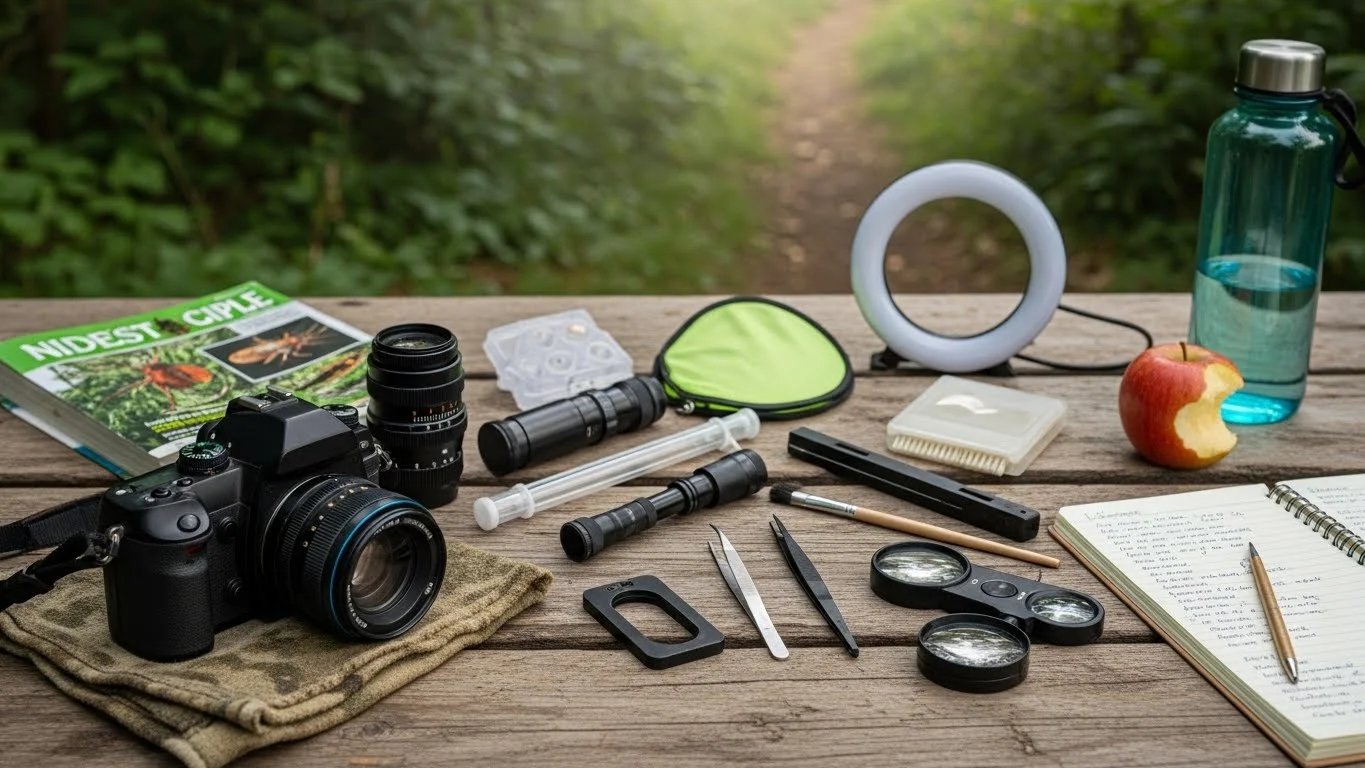
Having the right gear can make a significant difference in macro photography. While I believe creativity can make up for a lack of expensive equipment, certain tools help elevate the quality of our work. Gear plays a crucial role in achieving sharp focus, managing lighting, and stabilizing our shots. I once tried capturing close-up images of bees with just my smartphone; while the results were decent, I quickly realized that investing in specialized equipment would allow me to capture the vivid colors and delicate textures that make macro photography truly magical. Understanding what gear is essential can help you get started without overspending. For more information on the best locations for macro photography, see Top Destinations for Stunning Macro Wildlife Photography.
Essential Gear for Macro Wildlife Photography
Camera Options for Macro Photography
When it comes to selecting a camera for macro photography, there are several options available that cater to different budgets. I started my journey with a DSLR, and I found it to be a reliable choice for capturing high-quality images. Mirrorless cameras have also become increasingly popular. They’re lightweight and often offer fantastic autofocus capabilities, which is crucial when you’re trying to focus on a moving subject.
If you’re on a tighter budget, don’t overlook compact cameras with macro settings. I often see beginners using point-and-shoot cameras with macro functions, and while they might not have all the bells and whistles, they can still produce stunning results. It’s essential to choose a camera that feels comfortable in your hands and fits your photography style.
Macro Lenses: Choosing the Right One
The lens you use can make or break your macro photography experience. I learned this the hard way when I tried to use a standard lens for close-ups—my images were soft and lacked the detail I wanted. Macro lenses allow for higher magnification, and there are many options available, even at reasonable prices. I recommend looking for a lens with a 1:1 magnification ratio, which means that the subject is captured at its actual size on the sensor.
You can also consider extension tubes, which are relatively inexpensive and can be added to your existing lenses to enable closer focusing. This was a game-changer for me and allowed me to experiment without making a hefty investment. Researching reviews and comparing options online can help you find what works best for your camera setup.
Tripods and Stabilizers for Sharp Images
Stability is paramount in macro photography. I can’t tell you how many times I’ve ended up with blurry images due to shaky hands. A good tripod is worth its weight in gold. There are budget-friendly options available that provide excellent stability without emptying your wallet. I’ve found that a tripod with adjustable legs helps me position the camera perfectly for those low-angle shots, especially when photographing flowers or insects on the ground.
Additionally, consider using a remote shutter release or the timer function on your camera. This small tool can help eliminate camera shake, allowing for sharper images, especially in low-light conditions. I remember how frustrated I felt trying to capture a dragonfly perched on a leaf, only to realize that slight movements were ruining my shots. Since then, I always make sure to have a reliable tripod and remote shutter with me.
Lighting Equipment: Natural vs. Artificial Light
Lighting is another key element in macro photography. I often rely on natural light, especially during the golden hours—early mornings or late afternoons—when the light is soft and warm. However, sometimes, you need to supplement with artificial light, especially on cloudy days or in shaded areas. I’ve experimented with various lighting options, like ring lights and portable flash units. Ring lights can wrap around your lens, providing even illumination, while flash units can help highlight details that otherwise might be lost in shadow.
When using artificial light, it’s important to diffuse it to avoid harsh shadows. I often use simple items like a white sheet or a piece of cloth to soften the light. The balance between natural and artificial light can transform your images, making the tiny details pop.
Field Accessories: Essential Tools for Macro Shoots
Beyond the camera and lenses, there are some field accessories that I believe are essential for macro photography. A good insect net can be handy for capturing moving subjects without harming them. I also keep a small notebook and pen to jot down notes about the subjects I encounter, which helps me remember settings and conditions for future shoots.
Additionally, a small set of tools like tweezers or a small brush can assist in arranging subjects or cleaning up distractions in the frame. These little details can greatly enhance the quality of your images. Preparing for your shoot with the right accessories can make all the difference in how your experience unfolds in the field.
Budget-Friendly Alternatives for Macro Photography Gear
Used Equipment: Where to Find Deals
When I first started diving into macro wildlife photography, my budget was tight. I quickly discovered that purchasing used equipment could be a game-changer. There are so many platforms out there where you can find lightly used gear at a fraction of the price. Websites like eBay, Craigslist, and dedicated photography forums often have listings from fellow photographers looking to upgrade or downsize their collections.
In my experience, I found that checking local camera shops can also yield great results. Some shops offer trade-in programs or sell refurbished items that come with a warranty. I remember stumbling upon a fantastic deal on a macro lens that had been used only a handful of times. Not only did it save me money, but I also felt good about giving a piece of equipment a new life. Just make sure to inspect the gear carefully and ask questions about its condition before making a purchase.
Renting Gear: Pros and Cons
If buying used isn’t appealing, renting gear can be a smart option. I’ve rented lenses and cameras from local rental shops and online services, which allowed me to try out high-end equipment without the hefty price tag. It’s perfect for testing a specific lens before deciding to invest in it. I once rented a high-end macro lens for a weekend shoot in a beautiful garden, and it greatly enhanced my photography experience.
However, there are pros and cons to consider. On the positive side, renting allows you to access gear you might not otherwise be able to afford. It’s also great for specific projects where you need specialized equipment. On the flip side, rental fees can add up if you’re not careful, especially if you decide to keep the gear for longer than planned. I learned the hard way to read the rental terms carefully and to plan my shoots around the rental period to avoid extra charges.
DIY Solutions for Macro Photography Gear
Another fantastic way to save money while still being creative is to incorporate DIY solutions into your macro photography setup. I’ve seen some amazing makeshift equipment that photographers have crafted from everyday items. For example, using a cardboard tube as a lens hood can help reduce glare and improve image quality. I also created a simple diffuser using a white plastic container, which I cut to size and attached to my flash to soften light.
There are plenty of tutorials online for building a macro rail or focusing slider at home, which can help you achieve precise adjustments without spending a fortune. I remember how proud I felt after assembling my own focusing rail from scrap materials. It worked like a charm and offered more versatility in my macro shots. The sense of accomplishment that comes from creating your gear adds another layer of enjoyment to the photography process.
Techniques for Effective Macro Wildlife Photography
Understanding Depth of Field
Depth of field (DoF) is crucial in macro photography, and it’s something I had to experiment with to fully understand. When you’re shooting close-up, even the smallest adjustment in focus can yield very different results. I learned that a shallow depth of field can create beautiful bokeh effects, isolating your subject from the background and drawing the viewer’s attention right where you want it. This technique became one of my favorites for making flowers and insects pop in my images.
On the other hand, a deeper depth of field is beneficial when you want to capture more details throughout the entire image, especially in situations where the subject has intricate features. I often shoot at apertures like f/8 to f/16 to ensure that I capture all the important details, particularly when photographing groups of flowers or a cluster of insects. Understanding how to manipulate depth of field has transformed my approach to composition.
Focusing Techniques in Macro Photography
Focusing can be one of the biggest challenges in macro photography. I often find myself battling the natural movement of my subjects and the tiniest camera shakes. One technique that has worked wonders for me is using manual focus. While autofocus can be fast and convenient, I’ve found that manually adjusting my focus allows for greater precision, especially when I’m trying to capture a specific detail on an insect or flower.
Another technique I’ve adopted is focus stacking. This involves taking multiple images at different focus points and then combining them in post-processing to create an image with incredible detail throughout. It sounds complex, but I’ve found that it’s easier than it seems, and my results have been well worth the effort. Focus stacking can elevate my photos to an entirely new level, and I recommend giving it a try!
Utilizing Natural Light and Flash Effectively
Over the years, I’ve learned that the way I use light can make or break my macro photos. Natural light is my go-to for most of my outdoor shoots. I love the way it adds warmth and dimension to my subjects. However, when the light isn’t ideal, or I’m shooting in the shadows, I’ve found that using flash can be a lifesaver. The key is to use it subtly; I often bounce my flash off nearby surfaces or diffuse it with a softbox to avoid harsh lighting.
Experimenting with both natural and artificial light has opened up new creative avenues for me. I remember capturing a stunning close-up of a ladybug perched on a leaf using a mix of natural light and a bit of flash—it was magical! Learning to balance these elements has become one of my favorite aspects of macro photography, and I think it’s something every photographer should explore.
Best Practices for Macro Wildlife Photography on a Budget
Planning Your Shots: Time and Location Considerations
When I first started with macro photography, I didn’t realize how much planning could enhance my results. Time of day and location can dramatically influence the quality of your photos. Early mornings or late afternoons, often referred to as the “golden hours,” provide that soft, warm light that makes everything look magical. I remember my excitement when I discovered a nearby garden that was teeming with life just as the sun was rising. The dew on the flowers and the busy insects created such stunning scenes that I couldn’t help but snap away.
Choosing the right location is equally important. I’ve found that areas with diverse flora and fauna, such as botanical gardens or local parks, often yield the best results. Observing the behavior of insects in their natural habitat can also lead to unexpected opportunities. For instance, I noticed that certain butterflies are more active in specific flowers during certain times of the day. This knowledge made my planning sessions so much more fruitful. I highly recommend scouting locations ahead of time to see what subjects you might capture and to plan your visits around their peak activity.
Maximizing Your Gear’s Potential
Even if you’re on a budget, maximizing the potential of your current gear can lead to great results. I’ve learned that understanding your camera settings is crucial. Each time I head out to shoot, I take the time to familiarize myself with my camera’s features. From adjusting ISO to playing with shutter speeds, getting to know what works best in different environments has been a game-changer for my photography.
For example, I’ve found that shooting in aperture priority mode allows me to control the depth of field without worrying too much about shutter speed. This setting can be particularly helpful when the light changes quickly, like when clouds drift over the sun. I also practice using manual focus to get that sharp detail on my subjects, especially when dealing with busy backgrounds. It’s about working within your gear’s limits while pushing your creativity. I believe that with a little patience and practice, even basic equipment can produce stunning results.
Editing and Post-Processing Tips
Post-processing can be just as important as the photography itself. I remember when I first started editing my macro photos; I felt overwhelmed by all the options. However, I soon realized that even simple adjustments could greatly enhance my images. For me, the key is to maintain the integrity of the shot while bringing out the best details.
I tend to start by adjusting exposure and contrast to make the colors pop. Sometimes, adding a bit of sharpness can bring out intricate patterns that are otherwise subtle. I’ve also found that cropping can significantly improve composition by eliminating distractions around the edges. One of my favorite tools is the clarity slider, which helps enhance the textures of my subjects without making them look over-processed.
Another technique I find beneficial is correcting colors. Adjusting white balance can make a huge difference, especially in macro photography, where subtle color variations can be pronounced. I sometimes play around with saturation, but I try to keep it natural. The goal is to enhance the image without losing its authenticity. Sharing my edited photos with friends, they often remark on the details they didn’t notice in the original shots, which is incredibly satisfying!
Resources for Macro Wildlife Photography Enthusiasts
Online Communities and Forums
As I delved deeper into macro wildlife photography, I found that connecting with fellow enthusiasts enriched my experience. Online communities and forums have been invaluable for sharing tips, asking questions, and even receiving constructive criticism. Platforms like Reddit and dedicated photography forums are filled with passionate photographers who are more than willing to help each other out.
One of my favorite communities is a Facebook group focused on macro photography. The diversity of styles and techniques shared there inspires me. I often browse through others’ photos, and I’ve learned a great deal just by observing the discussions about gear choices and shooting techniques. Plus, participating in photo challenges hosted by these communities has helped me step outside my comfort zone and try new things.
Recommended Books and Courses
Books and courses can provide structured learning in areas where I wanted to improve. I remember picking up “Understanding Exposure” by Bryan Peterson, which was a revelation for me. It helped me grasp the relationship between aperture, shutter speed, and ISO, which is crucial in macro photography. There are also specialized books focused on macro techniques that offer great insights into the world of close-up photography.
Online courses have become another favorite resource of mine. Websites like Udemy and Skillshare have courses specifically tailored to macro photography, taught by experienced photographers. These courses often provide practical exercises that allow you to apply what you learn directly to your shoots. I find that the combination of reading and hands-on practice really helps solidify my skills.
Websites for Gear Reviews and Comparisons
Finding the right gear can be tricky, especially when you’re on a budget. I’ve turned to several websites for honest gear reviews and comparisons before making a purchase. Websites like DPReview and Photography Life offer thorough reviews that break down the pros and cons of various cameras and lenses, helping me make informed decisions.
Another helpful resource is YouTube, where countless photographers share their personal experiences with gear. Watching reviews and tutorials gives me a better sense of how different equipment performs in real-world scenarios. I remember watching a detailed review of a macro lens that helped me decide on my next purchase. The visual aspect of seeing the lens in action made all the difference! I encourage exploring these resources to gain confidence in your gear choices and expand your photography toolkit.
Frequently Asked Questions
What is macro wildlife photography?
Macro wildlife photography is the art of capturing small subjects in great detail, such as insects, flowers, or small animals, often taken at a close distance. It allows us to explore and appreciate the beauty of nature that often goes unnoticed.
What type of camera is best for macro photography?
There are several options for cameras in macro photography, including DSLRs, mirrorless cameras, and compact cameras with macro settings. DSLRs are reliable, while mirrorless cameras are lightweight and often have great autofocus capabilities. Compact cameras can also produce stunning results for beginners.
Why is gear important in macro photography?
The right gear can significantly enhance macro photography by achieving sharp focus, managing lighting, and stabilizing shots. While creativity can compensate for a lack of expensive equipment, specialized tools can elevate the quality of your work.
What lens should I use for macro photography?
Macro lenses with a 1:1 magnification ratio are ideal for capturing close-ups as they allow for higher magnification. Extension tubes can also be added to existing lenses to enable closer focusing at a lower cost.
How important is lighting in macro photography?
Lighting is crucial in macro photography. Natural light is often preferred, especially during golden hours, but artificial light can also be used when necessary. Diffusing artificial light helps avoid harsh shadows and enhances image quality.
What are some budget-friendly options for macro photography gear?
Budget-friendly options include purchasing used equipment from platforms like eBay or Craigslist, renting gear, and using DIY solutions to create your own photography tools from everyday items.
What is focus stacking in macro photography?
Focus stacking is a technique that involves taking multiple images at different focus points and combining them in post-processing to create an image with incredible detail throughout, overcoming challenges of depth of field.
What time of day is best for macro photography?
Early mornings and late afternoons, known as the golden hours, provide soft, warm light that enhances macro photography results. Planning your shoots around these times can lead to stunning images.
How can I enhance my macro photos during post-processing?
Simple adjustments in post-processing can greatly enhance macro photos. Key techniques include adjusting exposure, contrast, and sharpness, cropping for better composition, and correcting colors to maintain the authenticity of the image.
Where can I find resources to improve my macro photography skills?
Resources include online communities and forums, recommended books, and courses focused on macro photography. Websites for gear reviews and comparisons also help in making informed decisions about equipment.