
Capturing stunning wildlife portraits can be an exhilarating journey, even on a budget. With a little creativity and some essential tips, we can all embrace the beauty of nature through our lenses. If you’re looking for more insights, check out Capture Nature’s Wonders: Budget Wildlife Photography Tours.
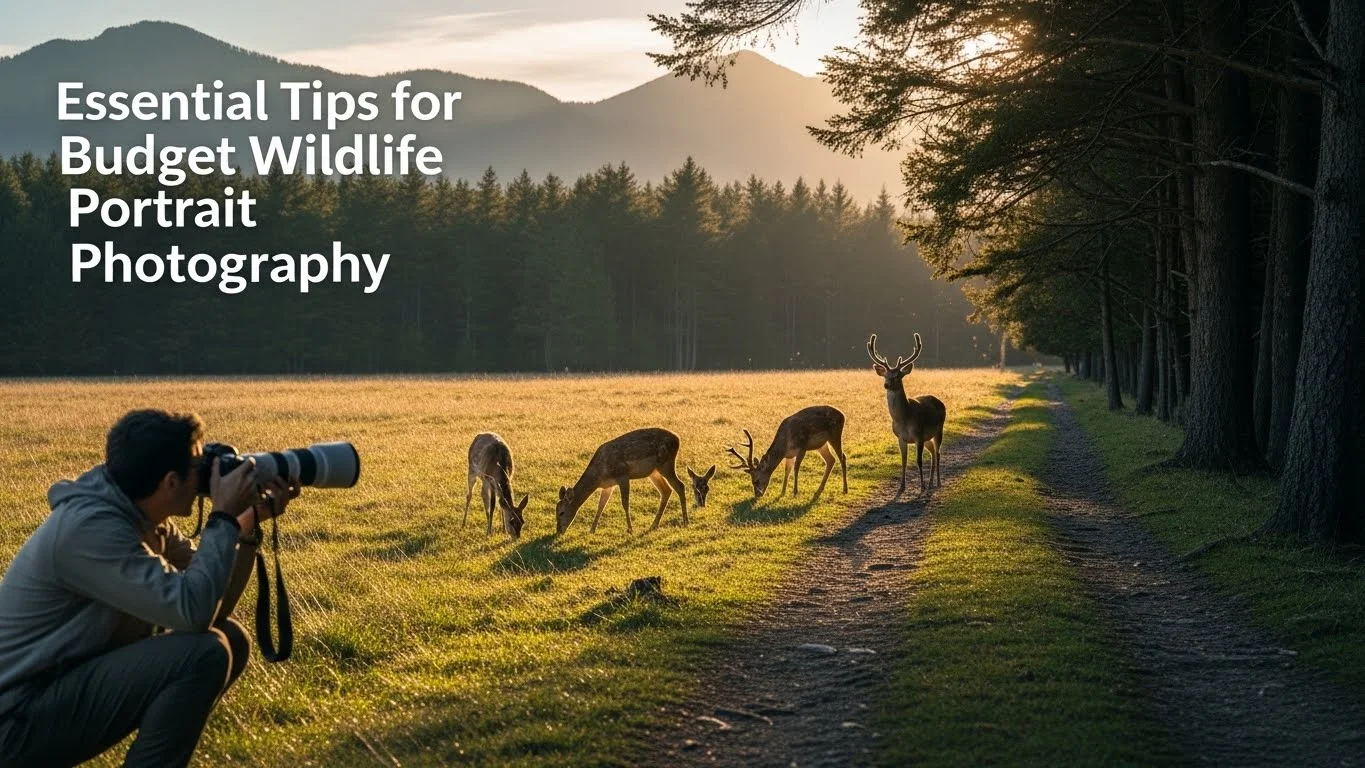
Understanding Wildlife Portrait Photography
What is Wildlife Portrait Photography?
Wildlife portrait photography is all about capturing the essence of animals in their natural habitats. It’s not just about snapping a picture; it’s about telling a story through the eyes of the creatures we encounter. I remember my first attempt at wildlife photography; I was filled with excitement and a bit of nervousness. The thrill of observing an animal and anticipating that perfect moment is a feeling like no other. Wildlife portraits often focus on the animal’s face, showcasing its expressions, features, and character. This style of photography allows us to connect with wildlife, revealing their beauty and the intricacies of their lives.
Importance of Wildlife Photography
Why do I think wildlife photography is important? It goes beyond just capturing pretty pictures. Wildlife photography plays a crucial role in raising awareness about the natural world. It helps us appreciate the diverse species we share our planet with and can inspire conservation efforts. Through our photographs, we can evoke emotions and spark conversations about protecting wildlife and their habitats. Personally, I’ve found that every time I share a wildlife portrait, it encourages others to look closer at the world around them, fostering a sense of responsibility towards nature.
Essential Gear for Budget Wildlife Photography
Camera Options: DSLRs, Mirrorless, and Point-and-Shoot
When I started my journey into wildlife photography, choosing the right camera was a big decision. I quickly learned that I didn’t need the most expensive gear to capture stunning images. There are three main types of cameras to consider: DSLRs, mirrorless cameras, and point-and-shoots. DSLRs offer versatility and excellent image quality, but they can be bulky. Mirrorless cameras are lightweight and compact, making them great for hiking in the wild. However, a good point-and-shoot can also do the trick, especially for beginners. I’ve used all three types over the years, and each has its strengths. It really depends on your comfort level and the type of wildlife photography you want to pursue. For more gear recommendations, check out Essential Gear for Macro Wildlife Photography on a Budget.
Lens Recommendations for Wildlife Portraits
Now, let’s talk lenses. A good lens can make all the difference in your wildlife portraits. I learned early on that a telephoto lens is essential for capturing animals from a distance without disturbing them. A lens with a focal length of at least 200mm is a solid choice for wildlife photography. I’ve found myself using a 300mm lens a lot, and it’s been a game-changer for getting those close-up shots. If you’re on a budget, consider buying used lenses or looking for budget-friendly brands that offer decent quality. Remember, it’s not always about having the most expensive gear; it’s about how you use it.
Tripods and Stabilizers: Do You Really Need Them?
When it comes to stabilization, I’ve often debated whether a tripod or stabilizer is necessary. For me, it really depends on the situation. If I’m photographing stationary animals or doing long exposures, a tripod is invaluable. However, if I’m on the move, I prefer to shoot handheld. I’ve found that a good strap or a stabilizer can help reduce camera shake when capturing wildlife in action. If you’re just starting out and on a budget, I recommend investing in a sturdy strap before splurging on a tripod.
Budget Accessories: Filters, Bags, and More
Let’s not forget about accessories! I’ve discovered that simple items can enhance my wildlife photography experience. A polarizing filter can help reduce glare and enhance colors in your images, which I’ve found especially useful when shooting near water. A good camera bag is also essential for protecting your gear while you’re out in the field. I personally use a backpack style that allows me to carry my camera and lenses comfortably. Don’t overlook the benefits of extra batteries and memory cards, too. There’s nothing worse than running out of power or storage just when the perfect moment arises!
Finding the Best Locations for Wildlife Photography
National Parks vs. Local Reserves
When I set out to find the perfect spots for wildlife photography, I quickly realized that both national parks and local reserves have their unique charm and advantages. National parks are often teeming with diverse wildlife and stunning landscapes. I remember visiting Yellowstone for the first time; it was like stepping into a wildlife documentary. The sheer variety of animals—from bison to elk—made every moment feel like a potential photo opportunity.
However, local reserves can also be gold mines for wildlife photographers, especially if you’re on a budget. I’ve found that many smaller reserves are less crowded, making it easier to observe animals without disturbing them or being disturbed myself. Plus, they often have their unique species that you might not encounter in larger parks. I’ve spent countless afternoons in my local wildlife refuge, capturing birds and small mammals. It’s all about being open to exploring new places and realizing that adventure can be found right around the corner. For those interested in exploring more, consider Budget Backpacking for Macro Wildlife Photography Lovers.
Timing Your Visits: Best Seasons and Times of Day
The timing of your photography trips can greatly influence the quality of your wildlife portraits. I’ve learned that early mornings and late afternoons are often the best times to photograph animals. During these hours, the light is softer, and animals tend to be more active. I can’t tell you how many breathtaking shots I’ve captured during golden hour—the warm light just adds magic to the images.
Seasonality also plays a significant role in wildlife sightings. For instance, spring is an incredible time to observe animals with their young, while fall can offer stunning migration scenes. I remember hiking during the autumn months and witnessing a flock of geese taking off at sunset. It was a moment that reminded me of nature’s beauty and rhythm. I encourage you to research the wildlife in your area and plan your visits around their activity patterns. Making this a part of your routine can lead to some truly rewarding experiences.
Understanding Animal Habitats and Behavior
To capture compelling wildlife portraits, understanding the habitats and behaviors of animals is essential. I’ve spent hours researching the animals I wanted to photograph, learning about their feeding habits, social structures, and migration patterns. This knowledge has helped me anticipate where and when to find them. For example, I learned that certain bird species are usually found near water sources, which led me to some of my best shots.
It’s also crucial to be patient and observant. I remember sitting quietly by a pond for what felt like an eternity, waiting for a heron to strike. Just when I thought all hope was lost, it swooped down and caught a fish. That moment was exhilarating, and I was able to capture the entire sequence. Embracing the slow, meditative aspect of wildlife photography has made my experiences richer and more fulfilling. I recommend taking the time to sit quietly in nature and really observe what’s going on around you; you may be surprised by what you see.
Techniques for Capturing Stunning Wildlife Portraits
Understanding Animal Behavior for Better Shots
Getting to know the behavior of the animals you want to photograph can significantly enhance your chances of capturing stunning portraits. I’ve found that observing animals for a while before shooting helps me understand their patterns. For instance, I remember watching a family of foxes play in a field for an entire afternoon. By paying attention to their interactions, I was able to predict when they would come into the best light for a shot. This kind of observation not only leads to better photos but also deepens our connection with wildlife.
Composition Techniques: Rule of Thirds and Leading Lines
When it comes to composition, using techniques like the rule of thirds and leading lines can take your wildlife portraits to the next level. I always try to position my subject off-center, which creates a more dynamic image. For example, when photographing a lion lounging in the grass, I place it in one third of the frame while leaving the other two-thirds to showcase its environment. This approach invites viewers into the scene and helps tell a story.
Leading lines are another fantastic technique. I often look for natural lines in the landscape, such as paths or rivers, to draw the viewer’s eye toward the subject. The result is a more engaging and visually appealing photograph. Experimenting with different compositions is key, and I encourage you to try varying angles and perspectives to find what works best for you.
Using Natural Light to Your Advantage
Natural light is one of the most powerful tools in wildlife photography. I’ve learned that the quality of light can dramatically change the mood of a photograph. I prefer to shoot during the golden hours—early mornings and late afternoons—when the light is soft and warm. I remember capturing a majestic elk against a backdrop of vibrant sunrise colors, and it’s still one of my favorite images. Always keep an eye on the direction and quality of light when you’re out in the field; it can make a world of difference in your portraits.
Focusing Techniques: Depth of Field and Shutter Speed
Getting your focus right is crucial for creating sharp wildlife portraits. I’ve found that using a shallow depth of field can beautifully isolate your subject from the background, making the animal stand out. When I photograph birds, for instance, I often set my aperture wide open (like f/2.8 or f/4) to achieve that creamy background blur. This not only emphasizes the subject but also adds an artistic touch to the photo.
Shutter speed is equally important, especially when dealing with fast-moving animals. I’ve learned to increase my shutter speed to freeze motion, which is essential when photographing animals in action. A faster shutter speed (like 1/1000s or higher) has helped me capture incredible moments, like a cheetah sprinting across the savannah. Understanding and mastering these techniques has been a game-changer in my photography journey.
Editing and Post-Processing on a Budget
Free and Affordable Editing Software Options
Once I started capturing wildlife portraits, I quickly realized that editing plays a crucial role in enhancing my images. Thankfully, there are several free and affordable software options that can help us polish our photos without breaking the bank. I’ve experimented with programs like GIMP and Paint.NET, which are excellent free alternatives to Photoshop. They offer a wide range of tools to adjust colors, contrast, and sharpness. For those looking for something a bit more user-friendly, I recommend trying out Lightroom’s mobile app or Adobe’s Creative Cloud Photography plan, which provides a great mix of functionality at a reasonable price.
Basic Editing Techniques for Wildlife Portraits
Editing doesn’t have to be daunting. I remember feeling overwhelmed at first but found that focusing on a few basic techniques can significantly improve my wildlife images. One of the first things I do is crop my photos to eliminate any distractions and improve composition. I also adjust the exposure and contrast to make the details pop. Sometimes, I find that increasing the shadows can reveal more intricate details in darker areas, which adds depth to my portraits. Simple adjustments can make a world of difference, and I’ve learned that less is often more when it comes to editing.
Enhancing Colors and Details without Overdoing It
Color enhancement is another area I enjoy exploring in my editing process. I’ve found adjusting the saturation and vibrance can make the colors in my wildlife portraits come alive. However, it’s important to be cautious not to overdo it. I remember editing a photo of a bright red cardinal and accidentally making it look more like a cartoon than a real bird! I now aim for natural-looking colors that stay true to the animal’s appearance. I also use sharpening tools to bring out the details in the fur or feathers, but I’ve learned to apply these effects subtly to avoid an unnatural look. Ultimately, my goal is to enhance the beauty of the wildlife while maintaining authenticity.
Tips for Staying Safe and Ethical in Wildlife Photography
Respecting Wildlife and Their Habitats
As I’ve delved deeper into wildlife photography, I’ve become increasingly aware of the importance of ethics in our art. Respecting wildlife and their habitats is not just a moral obligation; it’s crucial for ensuring that we can continue to enjoy these beautiful moments in nature. I’ve made it a point to follow guidelines from wildlife organizations, which often emphasize the importance of keeping a safe distance from animals and not disturbing their natural behaviors. I remember one particular encounter with a nesting bird; instead of getting too close for that perfect shot, I set up my camera at a distance and patiently waited. The result was a beautiful portrait without intruding on its space.
Staying Safe in the Field: Personal Safety Tips
Staying safe while pursuing wildlife photography is essential, especially when venturing into remote areas. I always make sure to inform someone about my location and plans before heading out. It’s also wise to carry a basic first-aid kit, just in case. I’ve learned the hard way that wearing appropriate clothing and sturdy shoes can make a huge difference in comfort and safety. I remember one hike where I underestimated the terrain and ended up with muddy shoes and sore feet. Being prepared for various conditions—whether it’s rain, sun, or insects—has saved me from many uncomfortable situations.
Understanding Local Laws and Regulations
Before heading out to photograph wildlife, I make it a habit to research local laws and regulations. Different areas have specific rules regarding wildlife interactions, and I’ve discovered that being informed helps protect both myself and the animals. For example, many national parks have strict guidelines about where you can and can’t go, and respecting these areas is part of being a responsible photographer. I remember getting excited about capturing shots of a moose in a protected area and realizing I had to stay on the designated paths. It was a great reminder that nature deserves our protection and respect, and by following the rules, we’re doing our part to preserve it.
Sharing Your Wildlife Portraits
Best Platforms for Showcasing Your Work
Once I feel satisfied with my wildlife portraits, sharing them with others brings me great joy. Over the years, I’ve discovered several platforms that are perfect for showcasing my work. Instagram has become a favorite of mine, as it allows me to connect with other photographers and wildlife enthusiasts. I also enjoy using Flickr, where I can upload high-resolution images and join groups that cater to specific interests in wildlife photography. Each platform has its unique audience, and I’ve found that engaging with different communities can really help my work reach a wider audience.
Building a Portfolio on a Budget
Creating a portfolio doesn’t have to be an expensive endeavor. I’ve learned that a simple website can serve as an effective showcase for my wildlife photography. I use affordable website builders that provide templates and easy customization options. Sharing my journey through blog posts and images has also helped me connect with viewers on a personal level. I often include stories behind the shots, which adds depth to my portfolio and makes it more relatable.
Engaging with the Wildlife Photography Community
Getting involved in the wildlife photography community has enriched my experience immensely. I’ve participated in local photography meetups, online forums, and social media groups where I can share tips and learn from others. I find that exchanging ideas and constructive feedback not only helps me grow as a photographer but also fosters lasting friendships. There’s something special about connecting with people who share the same passion for wildlife and nature, and it’s transformed my journey into one of collaboration and shared excitement.
Frequently Asked Questions
What is wildlife portrait photography?
Wildlife portrait photography is about capturing the essence of animals in their natural habitats. It focuses on telling a story through the eyes of the creatures, often highlighting their expressions, features, and character.
Why is wildlife photography important?
Wildlife photography raises awareness about the natural world, helps us appreciate the diverse species we share our planet with, and can inspire conservation efforts. It encourages conversations about protecting wildlife and their habitats.
What types of cameras are recommended for wildlife photography?
The three main types of cameras to consider are DSLRs, mirrorless cameras, and point-and-shoots. DSLRs offer versatility but can be bulky, while mirrorless cameras are lightweight and great for hiking. A good point-and-shoot can also be effective, especially for beginners.
What lens is best for capturing wildlife portraits?
A telephoto lens with a focal length of at least 200mm is essential for capturing animals from a distance. A 300mm lens is particularly useful for close-up shots without disturbing the wildlife.
Is it necessary to use a tripod or stabilizer for wildlife photography?
Whether to use a tripod or stabilizer depends on the situation. A tripod is invaluable for photographing stationary animals or long exposures, while handheld shooting is preferable for moving subjects. A good strap can help reduce camera shake.
What are some budget accessories that enhance wildlife photography?
Budget accessories include a polarizing filter to reduce glare, a good camera bag for protection, extra batteries, and memory cards. These items can significantly enhance the wildlife photography experience.
When is the best time to photograph wildlife?
Early mornings and late afternoons are often the best times to photograph animals due to softer light and increased animal activity. Seasonality also plays a role, with spring being great for observing young animals and fall for migration scenes.
How can understanding animal behavior improve wildlife photography?
Understanding animal behavior allows photographers to predict patterns and capture better shots. Observing animals for a while before shooting helps anticipate the best moments for photography.
What are some basic editing techniques for wildlife portraits?
Basic editing techniques include cropping to eliminate distractions, adjusting exposure and contrast to enhance details, and increasing shadows to reveal intricate details. It’s important to keep edits subtle to maintain the authenticity of the wildlife.
How can photographers share their wildlife portraits effectively?
Photographers can share their work on platforms like Instagram and Flickr, which cater to wildlife photography audiences. Building a portfolio through affordable website builders and engaging with the wildlife photography community can also enhance exposure.