
Portrait photography can be a powerful way to explore and celebrate diverse cultures. Understanding the nuances of different backgrounds enhances not just your photography but also your connection to the subjects you capture. For more insights, check out Cultural Portraits: Tips for Stunning Travel Photography.
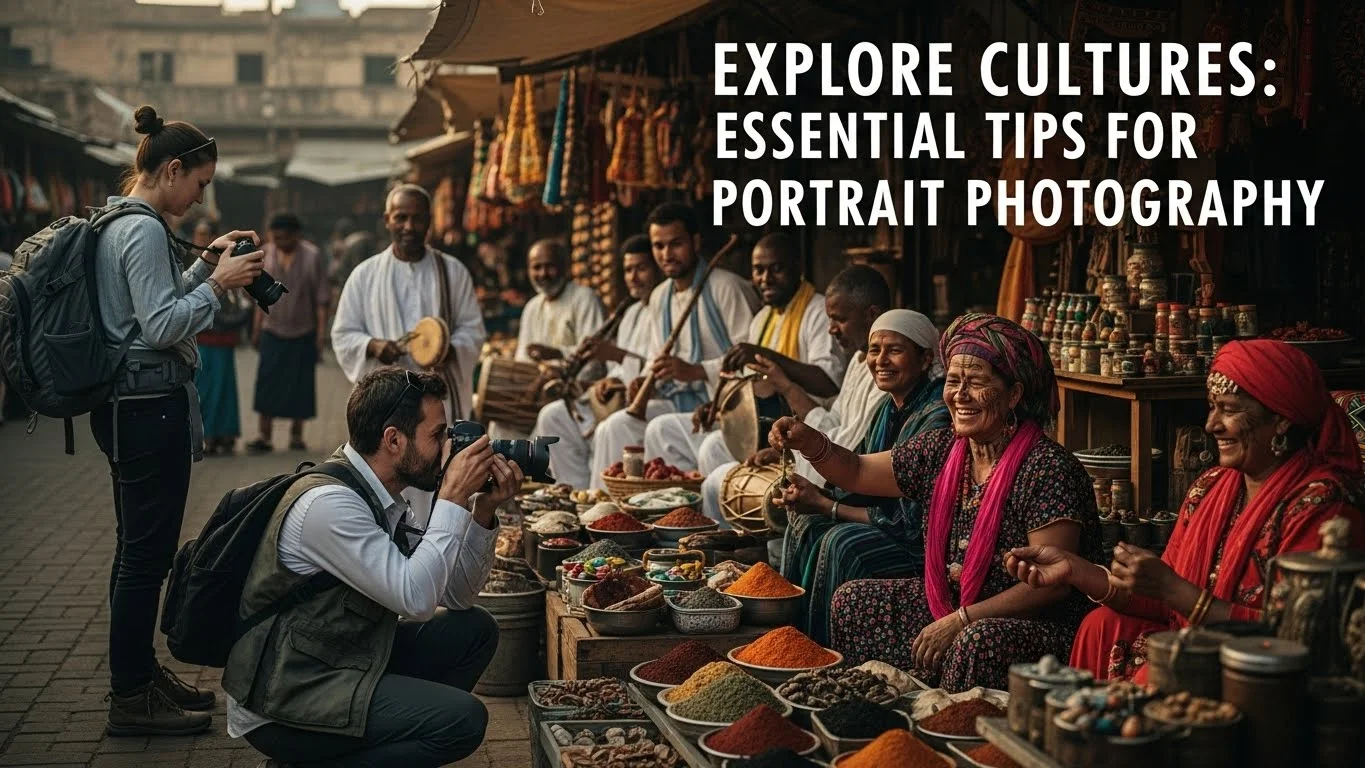
Understanding Portrait Photography in Different Cultures
Definition of Portrait Photography
When I think of portrait photography, I often picture the ability to capture the essence of a person in a single image. It’s not just about taking a photo; it’s about telling a story through expressions, settings, and the overall atmosphere. Portrait photography involves framing a subject, usually a person or a group, in a way that reveals their personality or emotional state. I’ve found that the best portraits often resonate on a deeper level, inviting viewers to engage with the subject’s story, background, and even their culture.
Importance of Cultural Context in Portraits
Diving into portrait photography across different cultures has enriched my experience as a photographer. Each culture has its unique way of expressing identity, and understanding cultural context is crucial. When I traveled to India, for instance, I noticed that the vibrant colors and intricate patterns in traditional clothing told stories of heritage and tradition. It made me realize that culture shapes not only how people present themselves but also how they wish to be portrayed. A good portrait photographer should aim to capture this essence, ensuring that cultural significance is reflected in their work.
For example, in some cultures, direct eye contact in photographs is considered disrespectful, while in others, it signifies confidence and strength. I’ve learned to research and respect these cultural nuances to create portraits that honor the subjects’ backgrounds. This understanding deepens our connection to the subject, as they often feel seen and appreciated when their cultural context is recognized and respected in the portrait.
Essential Tips for Portrait Photography
Choosing the Right Location
Choosing the right location for portrait photography can make all the difference in conveying cultural significance. I remember a time when I photographed a family in a small village in Mexico. Instead of opting for a plain studio backdrop, we decided to shoot in their home, surrounded by traditional decorations and everyday life. The environment spoke volumes about their culture and added layers to the portraits. It’s important to think about how the location complements the subject’s identity and story. Ask yourself: What does this setting say about them? Is it meaningful in their cultural context?
Moreover, I’ve discovered that some locations can be more than just aesthetic choices. They can represent cultural heritage, history, or even family ties. When photographing someone who values their connection to nature, for instance, I might seek out a setting that resonates with their cultural beliefs, such as a local park or a sacred site. This approach transforms the portrait into a narrative, allowing the viewer to feel the emotions and stories tied to that place. Read Interesting article: Essential Tips for Budget Wildlife Portrait Photography
Understanding Natural Light and Its Impact
Natural light is one of the most powerful tools in a photographer’s arsenal, and I’ve learned that it can dramatically affect the mood and tone of a portrait. In my experience, shooting during golden hour—the hour after sunrise or before sunset—creates a soft, warm glow that enhances skin tones and adds depth to the photograph. It’s a magical time where the light feels more forgiving, and your subject radiates warmth.
Understanding how light interacts with different skin tones and cultural attire is also essential. For example, darker fabrics may absorb light differently than lighter ones, influencing how the final image appears. I’ve experimented with shadows and highlights to emphasize various features or cultural elements, creating a more dynamic and engaging portrait. Always be mindful of how natural light can enhance or detract from your subject’s story. I’ve found that taking the time to study the light can elevate your portraits significantly.
Utilizing Cultural Elements in Composition
Incorporating cultural elements into the composition can transform a simple portrait into a powerful narrative. For instance, I once captured a portrait of a woman wearing a stunning traditional dress adorned with intricate beadwork. Instead of framing her against a neutral backdrop, I decided to include elements of her culture in the shot—like incorporating some local textiles in the foreground. This not only highlighted her attire but also contextualized her heritage, creating a more compelling story.
Additionally, I often think about how cultural symbols can be integrated into the composition. Whether it’s a specific gesture, an object, or even the way a person stands, these elements can add layers of meaning to your images. When photographing a dancer, for example, capturing the movement and the cultural significance of their dance style can lead to more impactful portraits. I’ve learned that paying attention to these cultural cues can guide the viewer’s understanding and appreciation of the subject’s identity.
Ultimately, my approach to portrait photography has evolved significantly through my exploration of various cultures. Each experience has taught me the importance of understanding and respecting the cultural context, which not only enriches my portfolio but also fosters a deeper connection with my subjects. By choosing the right locations, understanding natural light, and utilizing cultural elements, I’ve been able to create portraits that tell authentic stories. These lessons have shaped my perspective and approach, and I hope they can inspire you in your portrait photography journey as well. Read Interesting article: Mastering the Art of Cultural Portrait Photography Abroad
Exploring Cultural Diversity Through Portraits
Traditional Clothing and Attire
One of the most striking aspects of portrait photography is the way traditional clothing can tell a story about a person’s culture. I remember a time when I was fortunate enough to photograph a group of Indigenous people in Canada. Their clothing was not just beautiful; each piece was deeply symbolic, representing their heritage and identity. The vibrant colors and unique designs were a visual language that spoke volumes about their customs and history.
When I photograph someone in traditional attire, I make it a point to learn about the significance of what they are wearing. For example, during a festival in Ghana, I was amazed by the Kente cloth worn by the locals. Each pattern and color had specific meanings, often tied to historical events or proverbs. It inspired me to incorporate the fabric into my compositions, allowing the clothing to enhance the narrative of the portraits. I believe that by showcasing traditional attire, we not only celebrate diversity but also educate ourselves and our viewers about the rich stories behind these garments.
Facial Expressions and Gestures
Facial expressions and gestures can vary significantly across cultures, and I’ve learned to pay close attention to these nuances when capturing portraits. During my travels in Japan, I noticed that subtlety often played a crucial role in expressions. A slight smile could convey warmth and friendliness, whereas a more expressive face might be seen as overly dramatic in certain contexts. Understanding these differences allows me to capture portraits that resonate authentically with the subjects’ cultural backgrounds.
I also love exploring how gestures can add depth to a portrait. For instance, I once photographed a young dancer in Brazil who used hand movements that were rich with cultural meaning. By capturing these gestures in her portrait, I was able to illustrate not just her talent but also her connection to her cultural roots. I’ve found that every culture has its own way of expressing emotions, and incorporating these elements into my photography helps to create a more engaging narrative.
Significant Cultural Symbols
Cultural symbols can be incredibly powerful in portrait photography. I’ve had the opportunity to incorporate various symbols into my work, whether it’s a specific object, a piece of jewelry, or even the setting itself. For example, while photographing a Native American elder, I learned about the symbolism of the feathers worn in his headdress. By placing these feathers prominently in the shot, I was able to highlight not only his heritage but also the respect he commanded within his community.
Incorporating significant cultural symbols into portraits can enrich the viewer’s understanding of the subject’s identity. During a shoot with a Muslim woman wearing a hijab, I made sure to include her prayer beads in the frame. This detail added depth to her portrait, illustrating her faith and the importance of spirituality in her life. I feel that these symbols can serve as visual anchors, making the portraits more relatable and meaningful to viewers who may not be familiar with the culture.
Technical Aspects of Portrait Photography
Camera Settings for Portraits
When it comes to camera settings for portraits, I’ve learned that getting the right settings can make all the difference. I often start with a wide aperture, like f/2.8 or even f/1.8, to create a soft background blur. This way, the focus remains on the subject while gently blurring out distractions. I remember experimenting with different settings during a family portrait session in a bustling market. By using a wide aperture, I managed to capture the family’s expressions while softly blurring the vibrant market scenes behind them.
Shutter speed is another crucial element. I prefer a faster shutter speed, especially when photographing children or people in motion, to freeze those fleeting moments that truly capture their spirit. I often set my ISO according to the lighting conditions; in natural light, I like to keep it as low as possible to maintain image quality. Learning and mastering these settings has been a game-changer for me, allowing me to capture portraits that are not only visually stunning but also full of life.
Lens Selection for Different Cultural Contexts
The lens I choose for a portrait can significantly affect the outcome of the image. I typically gravitate towards prime lenses, like the 50mm or 85mm, because they offer great sharpness and beautiful bokeh. I remember a session where I used an 85mm lens to photograph a bride in her traditional wedding attire. The compression provided by the lens made her appear more prominent, while the background melted away, drawing attention to her radiant smile and intricate details of her dress.
However, I also appreciate the versatility of zoom lenses, especially in environments where I need to quickly adapt to various settings. For example, while photographing a cultural festival, I used a 24-70mm lens to capture both close-up portraits and wider shots that included the surrounding festivities. Understanding how different lenses can enhance cultural portraiture has allowed me to tell richer stories through my images.
Post-Processing Tips for Enhancing Cultural Features
Post-processing is where I can truly bring out the essence of a portrait. I often focus on color correction to ensure that the hues of traditional clothing are accurately represented. For instance, during a shoot with a woman wearing a vibrant sari, I made sure to enhance the colors without oversaturation, so the fabric’s beauty remained authentic. I’ve found that subtle adjustments can make a significant impact, helping to preserve the true spirit of the culture being represented.
I also enjoy using tools like dodge and burn to enhance specific features, such as the textures of a subject’s skin or the intricate details of cultural jewelry. This technique allows me to create a more three-dimensional feel, drawing the viewer’s eye to the elements that tell the subject’s story. Being mindful of these details during post-processing has helped me to create portraits that resonate deeply with both the subject and the audience.
Engaging with Subjects: Building Trust Across Cultures
Communication Tips for Different Cultures
One of the most important aspects of portrait photography is how I engage with my subjects. I’ve discovered that effective communication goes far beyond just words; it’s about understanding and respecting cultural nuances. For example, during a shoot in a rural village in Peru, I realized that my approach had to be different from what I was used to in urban settings. Many of the villagers spoke Quechua, so I had to rely on a local translator to convey my intentions. This experience taught me the value of patience and active listening. I made sure to express my appreciation for their heritage and asked open-ended questions that allowed them to share their stories with me.
Body language also plays a significant role in communication. I’ve noticed that maintaining an open posture and using gentle gestures can help put subjects at ease, especially when there’s a language barrier. I’ve made it a habit to smile and nod, showing that I’m engaged and interested in what they have to say. When I genuinely listen, I find that my subjects feel more comfortable, which in turn leads to more authentic portraits.
Respecting Cultural Norms and Boundaries
Understanding the cultural norms of my subjects is crucial in building trust. I remember a time when I was photographing a group of Muslim women. I was aware that modesty is significant in their culture, so I made it a point to ask how they preferred to be photographed. Their responses guided the way I approached the shoot. I learned to respect their boundaries regarding clothing, poses, and the overall context of our session. By showing I valued their comfort, I was able to capture moments that felt genuine and true to them.
In some cultures, certain gestures or poses may be considered inappropriate or disrespectful. For instance, I was once in a setting where direct eye contact was discouraged, especially between men and women. Acknowledging these norms not only helps in creating a respectful atmosphere but also enhances the quality of the photographs. My subjects are more likely to open up and express themselves if they feel understood and respected.
Establishing Rapport with Subjects
Building rapport with my subjects is something I’ve come to cherish in my portrait sessions. I’ve found that sharing a little about myself can break the ice and create a warm atmosphere. During a shoot with a family from Ethiopia, I took the time to learn about their customs and shared some of my own experiences. This exchange not only made them feel valued but also encouraged them to be more expressive in front of the camera.
Humor can also be a great connector. I remember cracking a few light-hearted jokes while photographing a lively group of teenagers in Brazil. Laughter filled the air, and suddenly, the tension melted away. They became comfortable, playful, and willing to try different poses. I realized that establishing a connection is sometimes the key to unlocking the essence of my subjects, allowing me to capture their true spirit.
Another technique I’ve found helpful is to involve my subjects in the creative process. Asking for their input on poses or locations can empower them and create a sense of ownership over the portrait. This collaborative approach not only strengthens our bond but also results in images that authentically reflect their personality and cultural identity.
Showcasing Portraits: Sharing Your Work
Choosing the Right Platforms for Cultural Portraits
Once I’ve captured those meaningful portraits, the next step is sharing them with the world. I’ve learned that choosing the right platform can significantly impact how the images are received. Social media, for instance, offers a vast audience, but it’s essential to consider how the context of the platform aligns with the message I want to convey. For me, Instagram is perfect for visual storytelling, while platforms like Facebook allow for more in-depth discussions about the cultural narratives behind the portraits.
When I share portraits on my website, I like to create a dedicated section for cultural photography. This not only highlights my commitment to celebrating diversity but also allows me to provide context and background for each subject. I often include a short story or a quote from the person being photographed, which gives viewers a more profound understanding of the culture and identity being represented.
Writing Captions that Respect Cultural Contexts
Captions play a crucial role in enhancing the viewer’s experience. I’ve found that writing thoughtful captions that respect cultural contexts can foster greater appreciation and understanding. Instead of simply stating what’s happening in the photo, I aim to provide insights into the background, significance, and any cultural symbolism involved. For instance, when I posted a portrait of a young girl in a traditional African dress, I included information about the meaning behind the patterns and colors in her attire. This approach invites viewers to engage more deeply with the image.
Additionally, I make it a point to avoid any assumptions or stereotypes in my captions. I prefer to let my subjects’ voices shine through, whether it’s through their own words or insights I’ve gathered during our time together. This practice not only respects their individuality but also promotes a more accurate representation of their culture.
Legal and Ethical Considerations in Cultural Portrait Photography
As someone who values cultural representation, I’ve learned that understanding the legal and ethical implications of portrait photography is crucial. Obtaining consent is an absolute must. I always ensure that my subjects are aware of how their images will be used and give them the option to opt out if they feel uncomfortable. I’ve found that having a simple release form can clarify this process and reassure subjects that they have control over their likeness.
Moreover, I strive to credit any cultural elements or inspirations in my work. Respecting intellectual property and acknowledging the cultural richness behind the attire, symbols, or settings is essential. I believe that these practices not only honor the subjects but also contribute to a more inclusive and respectful photography community.
Frequently Asked Questions
What is portrait photography?
Portrait photography is the art of capturing the essence of a person or group in a single image, telling a story through expressions, settings, and atmosphere, while revealing their personality or emotional state.
Why is cultural context important in portrait photography?
Cultural context is crucial in portrait photography as it enhances the photographer’s connection to the subjects, ensuring that their identity and the significance of their culture are reflected in the portraits.
How does location impact portrait photography?
The right location can convey cultural significance and complement the subject’s identity. A meaningful setting adds layers to the portraits, transforming them into narratives that resonate with the viewer.
What role does natural light play in portrait photography?
Natural light dramatically affects the mood and tone of a portrait. Shooting during golden hour creates a warm glow that enhances skin tones, while understanding how light interacts with different fabrics can improve the final image.
How can cultural elements be incorporated into portrait composition?
Incorporating cultural elements into the composition can enrich the narrative of a portrait. This may include using traditional attire, gestures, or objects that highlight the subject’s cultural background and identity.
What camera settings are recommended for portrait photography?
It is often recommended to use a wide aperture (like f/2.8 or f/1.8) for a soft background blur and a faster shutter speed to capture fleeting moments, while adjusting ISO based on lighting conditions to maintain image quality.
How can post-processing enhance cultural features in portraits?
Post-processing can enhance a portrait’s essence by focusing on color correction to accurately represent traditional clothing and using techniques like dodge and burn to highlight features and cultural elements.
What are effective communication tips for engaging with subjects from different cultures?
Effective communication involves understanding and respecting cultural nuances, using active listening, maintaining an open posture, and expressing appreciation for the subjects’ heritage to create a comfortable atmosphere.
How can photographers respect cultural norms and boundaries during shoots?
Photographers can respect cultural norms by being aware of the subjects’ preferences regarding clothing, poses, and interactions, which fosters a respectful environment and enhances the authenticity of the portraits.
What legal and ethical considerations should photographers keep in mind?
Photographers should obtain consent from their subjects regarding the use of images, credit cultural elements appropriately, and ensure that subjects feel comfortable and have control over their likeness in the photographs.